

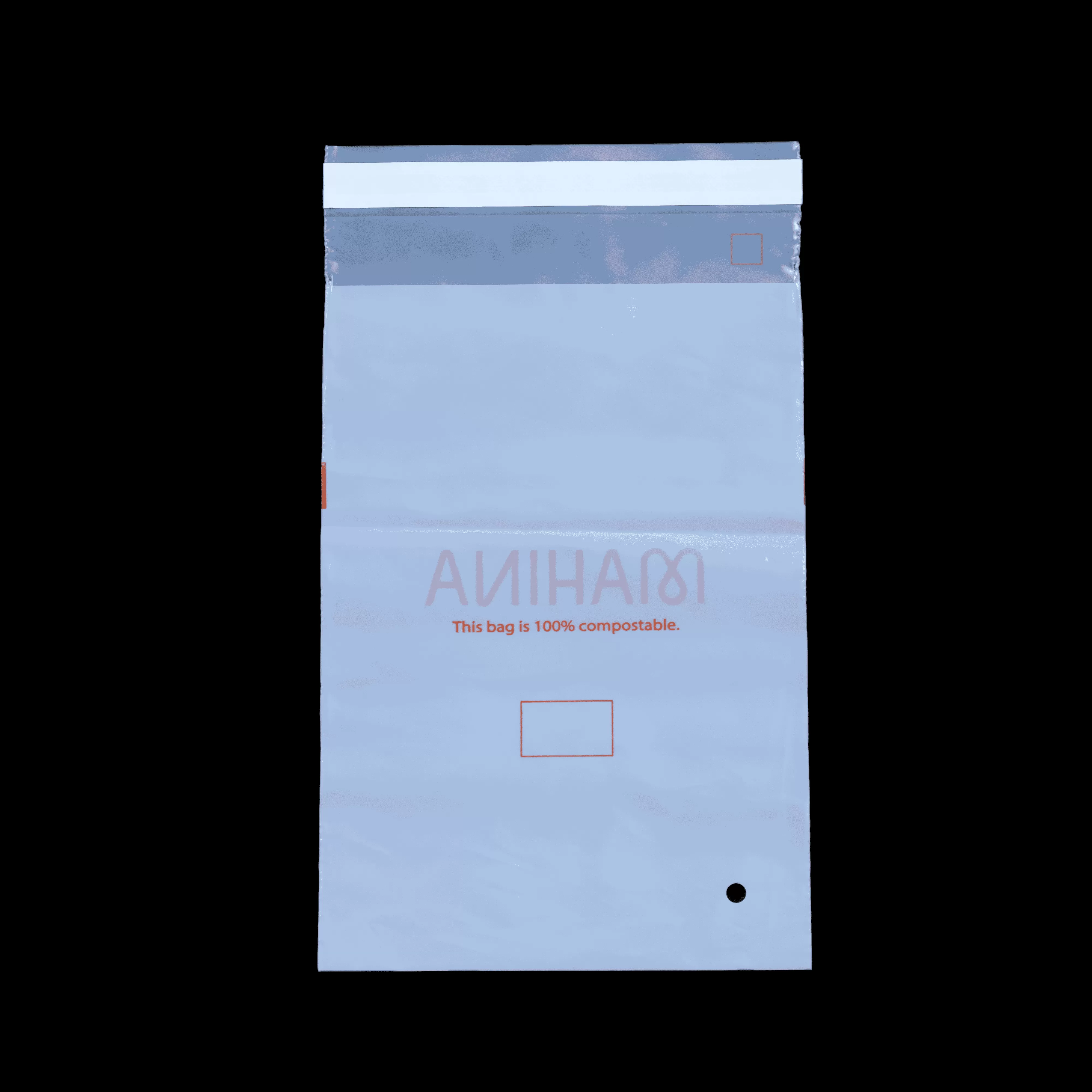
Role of Polybags in Medical and Pharmaceutical Packaging 

Best Polybags Supplier in Chennai

Role of Polybags in Medical and Pharmaceutical Packaging

Introduction

In the ever-evolving landscape of healthcare, the significance of packaging cannot be overstated. Medical and pharmaceutical packaging plays a pivotal role in safeguarding the integrity of life-saving drugs, instruments, and sterile devices. Among the many packaging materials used in this industry, polybags have emerged as a cornerstone due to their versatility, hygiene standards, and adaptability across various medical settings.

This blog explores how polybags contribute to pharmaceutical safety, the diverse types suited for the sector, and why their reliability is critical in the supply chain of healthcare.

The Importance of Safe Packaging in Healthcare

  • Protection from Contamination: Pharmaceuticals and medical tools must be sterile and free from microbial contamination. Improper packaging can lead to loss of efficacy or pose direct threats to patient health.
  • Shelf-life Extension: High-barrier packaging like polybags can help extend the life of temperature- or moisture-sensitive products.
  • Compliance: Packaging must meet stringent national and international regulatory standards such as the FDA (U.S.), CDSCO (India), and WHO guidelines.
  • Information Clarity: Proper labeling and printed polybags help deliver crucial information like dosage, expiry, or storage instructions.

What Are Polybags?

Polybags are lightweight, flexible plastic bags usually made from polyethylene (LDPE, LLDPE, HDPE) or polypropylene (PP). These bags are available in various thicknesses, designs, and sealing types to suit specific needs, from consumer goods to industrial packaging. Their widespread use in medicine stems from several benefits:

  • High strength-to-weight ratio
  • Customizable barrier properties
  • Chemical resistance
  • Transparent for easy identification
  • Cost-effective and scalable

Key Benefits of Polybags in the Pharmaceutical Industry

  • Sterility and Cleanroom Compatibility: Polybags designed for medical applications can be manufactured in cleanroom environments. They are free from contaminants like dust, fibers, and moisture. They can also be sterilized using ethylene oxide or gamma irradiation, making them ideal for packaging surgical instruments, implants, or diagnostic kits.
  • Protection Against Moisture and Oxygen: Some pharmaceutical compounds are highly sensitive to moisture or oxidation. Polybags with multilayer barriers or metallized film linings protect against these intrusions. Such polybags ensure that pills, powders, or solutions remain chemically stable throughout their shelf life.
  • Tamper Evidence and Safety Seals: Tamper-proof polybags are essential in pharmaceutical logistics. These bags have features like tear notches, perforations, or double seals to ensure the contents haven’t been accessed or altered. This builds consumer trust and regulatory compliance.
  • Lightweight and Space Saving: In high-volume pharmaceutical distribution, every gram and inch of space counts. Polybags reduce overall package weight and save space compared to rigid packaging, making logistics more efficient and economical.

Types of Polybags Used in Medical and Pharma Packaging

  • LDPE/HDPE Polybags: Used for basic drug packaging, instrument covers, and inner linings for cartons. LDPE offers flexibility, while HDPE is tougher and moisture-resistant.
  • Antistatic Polybags: Ideal for electronic medical devices or test kits containing sensitive microchips. These bags prevent static buildup, which can damage sensitive equipment.
  • Sterilization Bags: Made to withstand high temperatures or chemicals used in sterilization. These are often used for packaging surgical tools, labware, and implantable devices.
  • Vacuum Pouches: Used when complete air removal is necessary. They extend shelf life and provide compact packaging for biologics and diagnostic strips.
  • Ziplock and Self-Seal Bags: Reusable bags often used in hospitals and pharmacies for dispensing tablets, small instruments, or gauze.

Regulatory Aspects and Material Safety

When polybags are used in healthcare, they must comply with several safety standards to ensure no leachables or extractables contaminate the contents. Standards like:

  • USP Class VI: Evaluates plastic material biocompatibility
  • ISO 11607: Covers packaging for terminally sterilized medical devices
  • FDA 21 CFR: Specifies materials safe for pharmaceutical contact

Manufacturers must also comply with recycling and environmental safety norms, especially if the bags are used in large quantities.

Role in Hospital Supply Chain and Pharmacy Dispensing

  • Individual medicine pouches in outpatient dispensaries
  • Sample bags for diagnostic labs
  • Organizing sterile supplies in operation theaters
  • Packaging vaccines and injectables for last-mile delivery
  • Printed polybags for branding, dosage labeling, and consumer awareness in pharmacies

Innovations in Polybag Technology

  • QR codes for authentication
  • RFID tags for inventory tracking
  • Biodegradable polymers to meet sustainability norms
  • Anti-microbial additives for added safety

Cost-Effectiveness and Scalability

For large pharmaceutical companies or hospitals operating at scale, cost-efficiency is vital. Polybags are relatively inexpensive, even when produced with high-quality medical-grade materials. They can be mass-manufactured with custom branding, printing, and size specifications making them highly scalable.

Challenges in Polybag Use and How They’re Being Addressed
  • Offering recyclable or biodegradable polybags
  • Reinforcing bags with multi-layer co-extrusion for durability
  • Educating stakeholders about responsible disposal and segregation

Customization Options and Branding for Pharma Polybags

  • Custom printing for dosage, branding, and multilingual instructions
  • Transparent windows for visibility
  • Matte or gloss finishes for premium feel
  • Tamper-evident closures for security assurance
Why Work with a Trusted Polybags Supplier in Chennai?

Choosing a reliable polybags supplier in Chennai ensures that your business meets the high standards expected in pharmaceutical packaging. Suppliers based in Chennai often have proximity to port infrastructure, cleanroom manufacturing units, and access to raw material hubs. They offer:

  • Quick lead times
  • Adherence to ISO and GMP standards
  • Competitive pricing for bulk orders
  • R&D for custom applications
What to Look for in a Polybags Supplier in Chennai for Pharma Use
  • Use virgin medical-grade resins
  • Offer sterile packaging solutions
  • Provide documentation and compliance certificates
  • Are equipped for large-scale pharma demands
  • Offer testing reports (toxicity, permeability, etc.)
Realpackers: A Leading Name Among Polybags Supplier in Chennai

Realpackers has carved a niche in the pharmaceutical and healthcare packaging sector by delivering high-quality polybags that meet all medical-grade standards. As a Polybags Supplier in Chennai, Realpackers is committed to offering:

  • Cleanroom-produced sterile bags
  • ISO-certified manufacturing units
  • Customization for global pharmaceutical clients
  • Sustainable packaging alternatives

With state-of-the-art production facilities and a focus on innovation, Realpackers stands as a preferred partner for pharma companies across India and abroad.

Conclusion: Polybags – The Silent Guardians of Medical Safety

In a world where pharmaceutical integrity directly affects human lives, the humble polybag plays an undeniably crucial role. From ensuring drug sterility and extending shelf life to enabling safe hospital procedures and pharmacy dispensation, polybags are the unsung heroes of medical packaging.

Choosing the right supplier is as important as choosing the right material. With players like Realpackers, a reputed Polybags Supplier in Chennai pharmaceutical firms can rest assured that their packaging needs are not just met, but exceeded with compliance, reliability, and sustainability at the core.

How to Find a Reliable Poly Propylene Bags Manufacturer for Export

Best Poly Propylene Bags Manufacturer in Chennai

How to Find a Reliable Poly Propylene Bags Manufacturer for Export

In a world increasingly dependent on packaging efficiency, poly propylene (PP) bags have emerged as a key component for storing, transporting, and protecting products. Whether it’s agriculture, chemicals, construction, food, or retail, industries across the globe rely on PP bags for their lightweight, strong, and cost-effective properties. If you’re planning to source poly propylene bags for international markets, identifying a reliable manufacturer is crucial for quality assurance, regulatory compliance, and consistent delivery. This blog offers a comprehensive guide to help you find a dependable Poly Propylene Bags Manufacturer for export, covering vital parameters, certifications, industry trends, and insider tips.

Understanding Poly Propylene Bags: The Basics

Poly propylene bags are made from thermoplastic polymer resin, processed to form woven or non-woven fabrics. These bags are known for:

  • High tensile strength
  • Water and moisture resistance
  • Chemical inertness
  • Lightweight structure
  • Eco-friendliness (can be recycled)

They come in a variety of forms such as:

  • Woven sacks
  • Laminated PP bags
  • BOPP (Biaxially Oriented Polypropylene) bags
  • Gusseted bags
  • Valve type or liner inserted bags

Choosing the right PP bag type depends largely on the industry, packaging material, handling requirements, and destination country regulations.

Why Choosing the Right Manufacturer Matters

The success of your export operations hinges on consistency, quality, and credibility. A reliable manufacturer should offer:

  • High-grade raw materials that ensure strength and durability
  • On-time delivery even for bulk international orders
  • Adherence to international standards like ISO, ASTM, and others
  • Customization options tailored to different markets
  • Technical support and after-sales service
  • Transparent communication

A sub-par manufacturer can lead to damaged goods, shipment delays, losses in credibility, and ultimately, lost business.

Key Parameters to Evaluate in a Poly Propylene Bags Manufacturer

  • Production Capacity and Scalability: For exports, especially to multiple countries, the manufacturer should be capable of fulfilling large, repeated orders. Ask about monthly production volumes, number of machines, and availability of skilled workers.
  • Material Sourcing and Quality Control: Reliable manufacturers follow stringent quality control protocols—testing bags for GSM, tensile strength, seam strength, moisture resistance, and printing clarity.
  • Certifications and Regulatory Compliance: Certifications like ISO 9001, ISO 14001, or FSSC 22000 (for food-grade PP bags) indicate the manufacturer meets global standards. Also, ensure compliance with destination countries’ import regulations.
  • Export Experience: Exporting isn’t just about producing quality—it’s about knowing the documentation, customs regulations, labeling norms, and logistics. Manufacturers with export experience minimize your operational headaches.
  • Customization Capabilities: From size, thickness, and UV coating to branding and color printing, a manufacturer must accommodate various customization demands to cater to diverse markets.
  • Environmental Responsibility: In today’s world, eco-conscious buyers value manufacturers who offer recyclable and biodegradable options. Enquire about their sustainability efforts and waste management policies.

Important Red Flags to Watch Out For

Avoid manufacturers that:

  • Provide vague quotations or dodgy payment terms
  • Are unwilling to provide samples
  • Lack online presence or physical factory visits
  • Have inconsistent quality records
  • Use poor packaging for shipments
  • Ignore inquiries about documentation or shipping timelines

These are indicators of a possible unreliable or unprofessional operation.

How to Vet a Manufacturer for Export

Here’s a proven process to vet manufacturers effectively:

  • Start with Online Research: Use platforms like IndiaMART, Alibaba, TradeIndia, and ExportersIndia to gather names and shortlist based on ratings, reviews, and business longevity.
  • Request Company Profile & Product Catalog: Ask for a detailed company profile, product catalog, and manufacturing videos if available.
  • Ask for Samples: Samples help you assess strength, finish, printing quality, and other essential parameters.
  • Visit the Facility (if possible): If practical, conduct a factory audit. Check for hygiene, working conditions, machine quality, and process flow.
  • Check References: Request contact details of previous international buyers. Reach out to them about their experience.
  • Negotiate Terms Transparently: Discuss payment terms, delivery schedule, shipment method (FOB, CIF, etc.), and after-sales service before finalizing the deal.

Evaluating Packaging and Shipping Logistics

Export orders demand careful attention to secondary packaging and logistics coordination. Check the following with your shortlisted manufacturer:

  • Use of moisture-proof, durable packaging during shipment
  • Stacking strength to avoid damage in transit
  • Labeling compliant with international barcoding and destination customs
  • Knowledge of export documentation (Bill of Lading, Certificate of Origin, Packing List)
  • Partnerships with reputed freight forwarders

Industry Trends in Poly Propylene Bag Exports

Being aware of current market trends can also help you choose a forward-thinking manufacturer:

  • Rise of BOPP laminated bags due to their visual appeal and strength
  • Custom printed bags for brand visibility in global retail markets
  • Recyclable PP bags gaining popularity due to plastic bans
  • UV stabilized PP bags for agricultural and industrial outdoor use
  • Increasing demand from regions like Africa, the Middle East, Southeast Asia, and South America

Manufacturers who invest in innovation and R&D are likely to sustain long-term partnerships.

Building a Long-Term Export Partnership

  • Provide clear communication on market-specific needs
  • Share forecasted demand volumes well in advance
  • Discuss exclusive designs or branding for your region
  • Build mutual trust with timely payments and feedback

Leading Poly Propylene Bags Manufacturer in Chennai: Realpackers

When it comes to choosing a Poly Propylene Bags Manufacturer in Chennai, Poly ProPylene Bags manufacturer in Bangalore, Realpackers stands out for their reliability, quality, and export-readiness. They offer:

  • A wide variety of PP bag types, including BOPP, laminated, and woven sacks
  • Strict quality control and ISO-certified processes
  • Bulk production capacity with timely dispatch for international shipments
  • Customization for branding, sizes, and industry needs
  • Environmentally responsible manufacturing practices

Why Exporters Choose Realpackers Among Poly Propylene Bags Manufacturers in Chennai

As a reputed Poly Propylene Bags Manufacturer in Chennai, Poly ProPylene Bags manufacturer in Bangalore, Realpackers is trusted by global clients for their:

  • Transparent pricing and ethical business practices
  • Export documentation support and freight partnerships
  • Dedicated customer service and technical support
  • Compliance with international safety and packaging norms

Their expertise ensures that every shipment meets customer expectations, regardless of destination.

Final Thoughts: Partnering with the Right Manufacturer for Growth

Sourcing PP bags for export isn’t just a procurement task, it’s a strategic decision that can shape your brand’s reliability, product protection, and bottom line. By choosing an experienced Poly Propylene Bags Manufacturer in Chennai, Poly ProPylene Bags manufacturer in Bangalore like Realpackers, you position your business for sustained success in the international market.

Whether you’re a growing exporter or an established brand looking to streamline your packaging supply chain, take time to evaluate manufacturers who not only meet your current needs but also align with your long-term vision.

How Recyclable Stretch Wrap Films Reduce Packaging Waste

Top Stretch Wrapping Roll Manufacturer in Chennai

How Recyclable Stretch Wrap Films Reduce Packaging Waste

In the modern industrial landscape, sustainability has become more than just a trend—it is a vital necessity. As organizations face increasing pressure to reduce their environmental impact, the packaging sector is being reimagined to embrace materials and methods that leave a smaller carbon footprint. Among the many sustainable packaging solutions gaining popularity, recyclable stretch wrap films stand out as a practical, efficient, and environmentally conscious option. This article dives deep into how recyclable stretch films are transforming packaging by minimizing waste and promoting responsible material use. We’ll explore their composition, environmental advantages, applications, and the innovations pushing the industry forward.

What Are Recyclable Stretch Wrap Films?

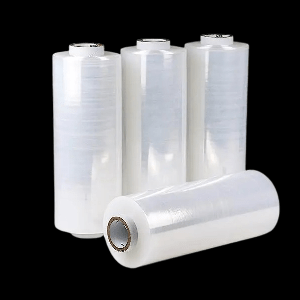
Stretch wrap films are flexible plastic films used to wrap and secure products on pallets during transportation and storage. Their high elasticity allows them to hold items tightly together, preventing movement, shifting, or damage. Traditionally made from linear low-density polyethylene (LLDPE), stretch films are used extensively in logistics, warehousing, manufacturing, and retail.

The “recyclable” variant refers to those stretch films that can be reprocessed and reused in the production cycle. Unlike traditional films that often end up in landfills, recyclable stretch films are designed with sustainability in mind and are easier to collect, recycle, and integrate back into the supply chain.

Environmental Impact of Traditional Stretch Films

Traditional packaging films, especially single-use plastics, are among the top contributors to global plastic waste. When improperly discarded, these films:

  • Accumulate in landfills, taking hundreds of years to decompose
  • Release microplastics into the environment
  • Require petroleum-based raw materials, contributing to fossil fuel depletion
  • Generate carbon emissions during production and disposal

How Recyclable Stretch Films Minimize Packaging Waste

  • Reduced Landfill Waste: When collected and processed correctly, these films are converted into reusable raw materials that can be repurposed into various plastic products, drastically cutting down the amount of waste that ends up polluting the environment.
  • Lower Raw Material Consumption: Recyclable films can be incorporated into closed-loop recycling systems, reducing the need for virgin plastic, conserving natural resources, and lowering energy consumption.
  • Enhanced Source Reduction: Modern recyclable stretch films are stronger, thinner, and more efficient, meaning less film is needed for the same level of load stability.
  • Support for Circular Economy: These films promote a life cycle where materials are reused, refurbished, and recycled, reducing the environmental toll of packaging.

Types of Recyclable Stretch Wrap Films

  • Blown Stretch Films: Known for durability and high puncture resistance. Ideal for heavy or irregular loads.
  • Cast Stretch Films: Offer better clarity and unwind quietly from rolls. Best suited for uniform loads.
  • Pre-Stretched Films: Require less effort to apply and use less material per pallet wrap.
  • Bio-based Stretch Films: Made partially from renewable resources like sugarcane or cornstarch. Often recyclable and compostable.

Key Applications in Industry

  • Logistics and Shipping: Securing pallets and large shipments
  • Retail Distribution: Wrapping bulk merchandise
  • Food and Beverage: Packaging perishable items
  • Manufacturing: Bundling raw materials and parts

Economic Advantages for Businesses

  • Cost Savings: Reduced material use, lower waste disposal fees, and potential tax benefits for sustainable practices
  • Brand Value: Eco-friendly packaging improves public perception and brand loyalty
  • Regulatory Compliance: Meets environmental regulations in regions with strict packaging waste standards

Challenges in Adoption

  • Initial Costs: Slightly higher upfront costs may deter small businesses
  • Recycling Infrastructure: Inconsistent programs and lack of awareness limit recovery
  • Material Contamination: Films must be clean and free from contaminants to be effectively recycled

Innovations Driving Change

  • Nano-layered Films: Offer superior strength with fewer materials
  • Biodegradable Additives: Enhance breakdown in industrial composters
  • Smart Stretch Films: Embedded sensors track product integrity
  • Advanced Recycling Technologies: Improve material recovery and quality

Why Businesses in Chennai Are Choosing Recyclable Stretch Films

As urban centers like Chennai become more industrialized, the need for sustainable logistics and packaging solutions grows rapidly. Many local manufacturers are switching to recyclable stretch wrap films to meet evolving environmental standards and consumer expectations. By choosing high-performance, recyclable alternatives, these businesses contribute significantly to reducing the region’s plastic footprint.

Partnering with a Reliable Stretch Wrapping Roll Manufacturer in Chennai

To truly reap the benefits of sustainable packaging, it’s essential to collaborate with a trusted partner. A top-tier Stretch Wrapping Roll Manufacturer in Chennai will offer:

  • High-quality recyclable films
  • Technical guidance on material selection
  • Competitive pricing for bulk orders
  • Support for eco-certification and compliance
Realpackers: Your Trusted Source for Recyclable Stretch Films

When it comes to finding a reputable Stretch Wrapping Roll Manufacturer in Chennai, Realpackers stands out for its commitment to innovation and sustainability. With years of experience and a wide range of recyclable stretch film solutions, Realpackers helps businesses:

  • Reduce packaging waste
  • Increase operational efficiency
  • Meet environmental goals
  • Strengthen their green brand identity
Shaping a Greener Future with Recyclable Packaging

The packaging industry is at a critical juncture where sustainability is no longer optional—it’s a necessity. Recyclable stretch wrap films offer a powerful way to reduce packaging waste, optimize material usage, and align with global environmental goals.

By partnering with a reliable Stretch Wrapping Roll Manufacturer in Chennai Realpackers, companies can play an active role in building a circular economy while boosting their own efficiency and brand value. As the demand for sustainable practices grows, recyclable stretch films are not just a smart choice—they’re the future of packaging.

How to Choose the Right Size of Frosted Ziplock Bags for Your Product

frosted ziplock bag manufacturer  and suppliers

Introduction: Why Size Matters in Packaging

In today’s fast-paced market, packaging does more than simply contain a product—it protects, presents, and even promotes. Among modern packaging solutions, frosted ziplock bags have become a favorite across industries like cosmetics, electronics, food, textiles, and even luxury retail. Their elegant semi-transparent appearance, combined with reusable and resealable functionality, makes them a versatile and attractive packaging choice.

However, one often-overlooked aspect of packaging that can make or break product presentation is size. Selecting the wrong size bag can lead to product damage, poor visual appeal, wasted material, or even customer dissatisfaction. Whether you’re a startup or an established brand, choosing the right frosted ziplock bag size for your product ensures functionality, aesthetics, and cost-efficiency.

This blog walks you through the process of selecting the ideal bag size for your specific product and purpose—while helping you avoid common pitfalls.

Understanding Frosted Ziplock Bags

Before diving into sizing, it’s important to understand what makes frosted ziplock bags unique.

These bags are typically made of LDPE or EVA with a matte or “frosted” finish that diffuses light, giving them a soft, elegant, and premium appearance. They usually come with a ziplock closure that allows the user to open and reseal the bag multiple times without losing freshness or protection.

Common features include:

  • Water resistance
  • Tear resistance
  • Semi-transparent view of contents
  • Heat-sealable options
  • Hang holes or handles for display

Available in various shapes and configurations, these bags can hold items ranging from phone cases and jewelry to snacks and undergarments.

The Importance of Selecting the Right Size

Choosing the right size of a frosted ziplock bag is not just about ensuring the product fits. It impacts several aspects of your packaging strategy:

  • Product Protection: Oversized bags can lead to items shifting inside, which might result in wear or damage. Undersized bags can cause the product to bulge, stretch the material, or even tear the seams.
  • Shelf Appeal: Packaging that’s too tight or loose may look unprofessional. The bag size should complement the product and enhance its presentation.
  • Shipping & Storage Costs: Smaller or custom-fit bags help optimize packing, reduce void space, and lower shipping costs.
  • Sustainability Goals: Using appropriately sized packaging minimizes plastic use, aligning your brand with environmentally responsible practices.
  • Customer Experience: Well-fitted packaging enhances unboxing experience and boosts customer satisfaction.

Key Factors to Consider When Choosing Bag Size

1. Product Dimensions

Start with accurate measurements of your product. Measure the length, width, and depth (or thickness) of the item. If the product is irregularly shaped, use the largest dimensions as a reference.

For example:

  • A folded T-shirt may need a 10×12-inch bag.
  • A USB drive might require only a 3×4-inch bag.
  • A beauty kit with multiple items may need 12×16 inches.

Make sure to leave extra room for the ziplock seal and opening space. A rule of thumb is to add about 0.5 to 1 inch to each dimension to ensure comfortable placement and removal.

2. Product Quantity Per Bag

Are you packaging one product per bag, or multiple units together?

  • Single item packaging (e.g., mobile phone case) requires a snug fit with space to open and close the zip.
  • Multi-product kits (e.g., travel kits, bundle offers) require additional interior space for air, cushioning, and presentation.

Decide upfront how many items will go into each bag so you can size accordingly.

3. Bag Style: Flat vs. Gusseted

Frosted ziplock bags come in flat and gusseted styles:

  • Flat bags are ideal for thin or small items like documents, cables, or stationery.
  • Gusseted bags expand at the bottom or sides, providing more depth. These are better for bulky or multi-dimensional items like cosmetics, garments, or small tools.

The style of bag you choose will influence the internal volume and therefore the external dimensions you’ll need.

4. Intended Use

How the bag is used impacts size decisions. Ask yourself:

  • Will the bag be used for retail display (hang holes or handles)?
  • Will it be shipped directly to customers?
  • Is it meant for storage, resale, or giveaways?
  • Does the product need to breathe, or remain airtight?

Understanding the context helps tailor the size more precisely.

5. Customer Unboxing Experience

A growing number of brands are investing in the tactile and visual feel of unboxing. A bag that’s too tight may force the user to wrestle the product out, while an overly large one may feel cheap or careless.

Try packaging the product in sample bags and observe how it looks, feels, and opens. The right size should protect, present, and please.

Common Sizes and Their Best Uses
Bag Size (Inches) Common Uses
3 x 4 Jewelry, USB drives, mini accessories
4 x 6 Cosmetics, small parts, lipsticks
6 x 9 Phone cases, cables, travel bottles
8 x 12 T-shirts, undergarments, toys
10 x 14 Sweatshirts, electronics, multi-item kits
12 x 16 Large garments, kits, document folders

Note: Custom sizes are often needed for niche products. Many manufacturers allow bulk buyers to specify dimensions based on their packaging needs.

Tips to Get the Perfect Fit

  • Test with prototypes: Create dummy packages with different sizes to see what works best.
  • Allow for air and space: A tight fit may stress the ziplock or make the product look compressed.
  • Consider padding or inserts: If you use bubble wrap, foam, or paper inserts, factor those into your measurements.
  • Use templates or digital previews: Some suppliers offer design previews so you can visualize your product inside the bag.
Ask the Experts: Realpackers as Your Trusted Frosted Ziplock Bag Manufacturer

When sizing becomes complicated or when your products are diverse, it’s wise to work with professionals who specialize in packaging solutions. As a leading frosted ziplock bag manufacturer, Realpackers brings a wealth of expertise to guide brands in choosing the right size, style, and specifications.

They understand that the wrong bag size can lead to:

  • Customer complaints
  • Product returns
  • Wasteful materials
  • Branding inconsistencies

Realpackers offers assistance in measurement, sampling, custom printing, and even R&D for specialty packaging. They help clients from fashion, beauty, food, and technology industries fine-tune their packaging solutions for maximum impact.

Why Businesses Trust Realpackers as Their Frosted Ziplock Bag Manufacturer

Whether you’re a startup launching a new product or a retail chain scaling your operations, Realpackers supports your packaging journey with:

  • Custom size options
  • Flexible minimum order quantities
  • Printing and branding assistance
  • Timely delivery
  • Expert consultations

Their frosted ziplock bags are made using premium-grade LDPE and EVA blends, offering strength, style, and sustainability. As a top-tier frosted ziplock bag manufacturer, they tailor solutions not just to product dimensions but to brand narratives and user experiences.

Realpackers Delivers More Than Just Bags

Unlike generic suppliers, Polybags Supplier in Chennai offers end-to-end packaging consultancy:

  • Sizing guidance based on product types
  • Sample prototyping and batch testing
  • Eco-friendly material recommendations
  • Cost-effective scaling for large product catalogs

Whether you’re in e-commerce, offline retail, or D2C brand management, partnering with Realpackers helps you standardize, scale, and succeed.

Conclusion: Size Smart, Package Smarter

Choosing the right size for your frosted ziplock bags is a strategic decision that goes far beyond measurements. It affects everything from visual appeal and customer satisfaction to logistics and inventory management. In a competitive marketplace, it’s not just what’s inside the bag that matters but how the bag presents it.

By understanding your product, usage context, and packaging objectives, and by partnering with an experienced frosted ziplock bag manufacturer like Realpackers, you can elevate your packaging from functional to exceptional.

Don’t let poorly fitted packaging undermine your brand’s potential—size and package with purpose.

How Polypropylene Compares to Other Bag Materials (Jute, Cotton, LDPE)

Poly Propylene Bags Manufacturer  and suppliers

How Polypropylene Compares to Other Bag Materials (Jute, Cotton, LDPE)

The Changing Landscape of Bag Materials

The evolution of packaging and carry bags has witnessed a shift from traditional natural fibers to synthetic, durable alternatives. As environmental concerns rise and businesses seek cost-effective and sustainable options, the question of “which bag material is best” becomes increasingly important. Among the many choices, polypropylene (PP) has gained traction, especially in the industrial, commercial, and retail sectors.

This blog dives deep into how polypropylene compares to other common materials—jute, cotton, and LDPE (Low-Density Polyethylene). Each of these has its own advantages and limitations. We’ll explore the characteristics of each material in terms of durability, environmental impact, cost, printability, and usage across industries to help you make an informed decision.

What Is Polypropylene?

Polypropylene (PP) is a thermoplastic polymer widely used in the manufacturing of woven and non-woven bags. It is known for being:

  • Lightweight
  • Chemically resistant
  • Moisture repellent
  • Cost-effective
  • Highly customizable for branding and design

Due to these features, polypropylene bags are a preferred choice for applications ranging from rice sacks to retail carry bags and promotional event totes.

Jute Bags: The Natural Alternative

Jute, often referred to as the “golden fiber,” is a plant-based material predominantly sourced from the Indian subcontinent. Jute bags are popular for their rustic appearance, strength, and eco-friendliness. They are:

  • Biodegradable and compostable
  • Made from renewable plant fiber
  • Strong and capable of carrying heavy items
  • Visually appealing for boutique and eco-conscious brands

However, jute comes with some limitations:

  • Prone to absorbing moisture and degrading over time
  • Higher production costs compared to synthetics
  • Less suitable for high-resolution printing

Jute is best suited for limited runs, upscale branding, or when the appearance of environmental responsibility is crucial.

Cotton Bags: Reusable and Familiar

Cotton bags are a staple in many households, especially with rising awareness about single-use plastics. These bags are known for their:

  • Soft texture and flexibility
  • Washability and reusability
  • Natural origin and biodegradability
  • User-friendliness and aesthetic value

Despite these benefits, cotton bags have certain downsides:

  • High water usage in cultivation and processing
  • Weaker tensile strength compared to woven polypropylene
  • Bulkiness and weight, especially when wet
  • Higher cost in comparison to synthetic materials

While cotton bags align with consumer sentiment on eco-friendliness, they may not be the most economical or durable solution for large-scale packaging needs.

LDPE Bags: Lightweight and Waterproof

LDPE (Low-Density Polyethylene) bags are plastic bags known for their flexibility and resistance to tearing. They are commonly used for:

  • Grocery shopping
  • Packaging clothing
  • Light storage solutions

LDPE offers some distinct advantages:

  • Waterproof and oil-resistant
  • Thin and lightweight
  • Affordable for mass production
  • Easily printable using standard techniques

But LDPE bags face heavy criticism due to:

  • Poor biodegradability and contribution to plastic pollution
  • Single-use nature and lack of consumer reusability
  • Environmental legislation banning or restricting their use in several regions

LDPE bags are falling out of favor, especially with governments pushing bans on plastic packaging and the global shift towards greener alternatives.

Polypropylene vs. Jute: Strength Meets Sustainability

When comparing polypropylene to jute, the most immediate contrast is between synthetic durability and natural biodegradability. Polypropylene bags:

  • Outlast jute bags in rough handling, transport, and wet environments
  • Are more resistant to pests and mold
  • Provide a more uniform printing surface for company branding
  • Are more affordable when ordered in bulk

Jute, however, appeals to a niche market that values artisanal or sustainable presentation. In marketing campaigns or boutique retail, jute can elevate perceived brand value. But in terms of practicality, cost, and mass production, polypropylene usually comes out on top.

Polypropylene vs. Cotton: Industrial Performance vs. Consumer Sentiment

Cotton bags win over consumers who prefer natural and soft materials. Their ability to be washed and reused gives them a psychological edge in the eco-friendly space. However, from an industrial or commercial perspective:

  • Polypropylene offers greater load-bearing capacity
  • Lower water footprint in production than cotton
  • Less bulk, reducing transportation costs
  • Wider customizability for shape, design, and branding

Cotton bags serve their purpose best in contexts where brand image and customer loyalty are priorities. Polypropylene, by contrast, is a powerhouse in logistics, manufacturing, and wholesale, where performance outweighs sentiment.

Polypropylene vs. LDPE: Sustainable Plastic vs. Disposable Plastic

Both polypropylene and LDPE belong to the plastic family, but their applications and environmental impact differ drastically.

LDPE is a single-use material, often found in the form of thin grocery bags, packaging films, or liners. It is cost-effective but comes with a high environmental cost. Polypropylene, especially woven PP, is:

  • Durable enough for multiple uses
  • Easier to recycle
  • Tougher and puncture-resistant
  • Less controversial from a legislative perspective

With mounting pressure on brands to reduce their environmental footprint, polypropylene offers a middle-ground solution: it’s still plastic but reusable and longer-lasting, making it a smarter choice in a regulated world.

The Rise in Demand for Polypropylene: Market Trends and Innovations

Across global markets, polypropylene is witnessing increasing demand, not just in packaging but also in fashion, construction, agriculture, and healthcare. Technological innovations like laminated PP, UV-treated bags, and non-woven spunbond fabrics have expanded its use far beyond traditional sacks.

Modern polypropylene bags are:

  • Available in a wide range of colors and textures
  • Customizable with handles, zippers, compartments, and gussets
  • Laminate-compatible for waterproofing and aesthetic finishes
  • Approved for food-grade applications

This level of versatility positions polypropylene as a material of the future in the packaging world.

Why Realpackers Leads as a Poly Propylene Bags Manufacturer

When it comes to quality and scalability in polypropylene solutions, Realpackers has built a strong reputation in the market. As a trusted Poly Propylene Bags Manufacturer, Realpackers combines modern manufacturing infrastructure with a commitment to innovation and customization.

They offer a broad range of woven and non-woven polypropylene bags suitable for industries like agriculture, e-commerce, food packaging, and industrial logistics. Their emphasis on sustainability, strength, and print precision sets them apart in a competitive market.

Realpackers vs. the Competition: Superior Solutions in Polypropylene

Unlike general packaging suppliers, Polybags Supplier in Chennai focuses specifically on performance-grade polypropylene products. Their bags are:

  • Custom-engineered for durability, water resistance, and high load capacity
  • Eco-conscious, with options for recyclable and reusable variants
  • Aesthetically customizable, with vibrant full-color printing and logo integration
  • Versatile, catering to small startups and large-scale industrial clients alike

As a reliable Poly Propylene Bags Manufacturer, Realpackers understands both the functional and branding needs of today’s businesses. Whether you’re shipping cement or creating a high-end promotional giveaway bag, their products deliver.

The Preferred Choice: Realpackers, a Name You Can Trust

Realpackers isn’t just another Poly Propylene Bags Manufacturer—they’re a partner in helping businesses find the right balance between performance, cost-efficiency, and environmental responsibility. Their customer-first approach, fast turnaround times, and attention to product detail make them the go-to choice for businesses across sectors.

With Realpackers, you’re not just buying a bag; you’re investing in a solution tailored to your material handling, logistics, or retail branding goals.

Conclusion: Choosing the Right Material for the Right Application

The choice between jute, cotton, LDPE, and polypropylene depends on your priorities—be it environmental impact, cost-efficiency, durability, or branding. While jute and cotton appeal to eco-conscious users, and LDPE remains useful in select applications, polypropylene bags provide the best all-around performance. For industries that require scalable, strong, and affordable bagging solutions, polypropylene is the material of choice. And if you’re looking for a trusted, experienced Poly Propylene Bags Manufacturer Realpackers offers the technology, expertise, and customization to help your brand stand out sustainably and efficiently.