

How Polypropylene Bags Reduce Damage During Garment Transit

Leading Poly Propylene Bags Manufacturer in Bangalore

The garment industry depends heavily on efficient, secure, and protective packaging to preserve product quality during handling, storage, and transportation. Whether garments are shipped domestically or internationally, their condition upon arrival determines customer satisfaction, brand reputation, and overall profitability. One of the most widely used packaging solutions for garment protection today is polypropylene (PP) bags. Known for their strength, clarity, and exceptional durability, these bags offer unmatched protection throughout the transit process.

In the global fashion and textile supply chain, garments often travel through multiple touchpoints—factories, warehouses, distribution centers, retail outlets, and finally, the customer. Each stage poses risks such as dust exposure, moisture, tearing, or mismanagement. Polypropylene bags help safeguard garments from these threats while ensuring they remain crisp, clean, and ready for display.

This comprehensive article explains in depth how polypropylene bags significantly reduce garment damage during transit, why they are preferred in the industry, and what makes them a dependable packaging solution for apparel brands of all sizes.

Understanding Polypropylene Bags and Their Properties

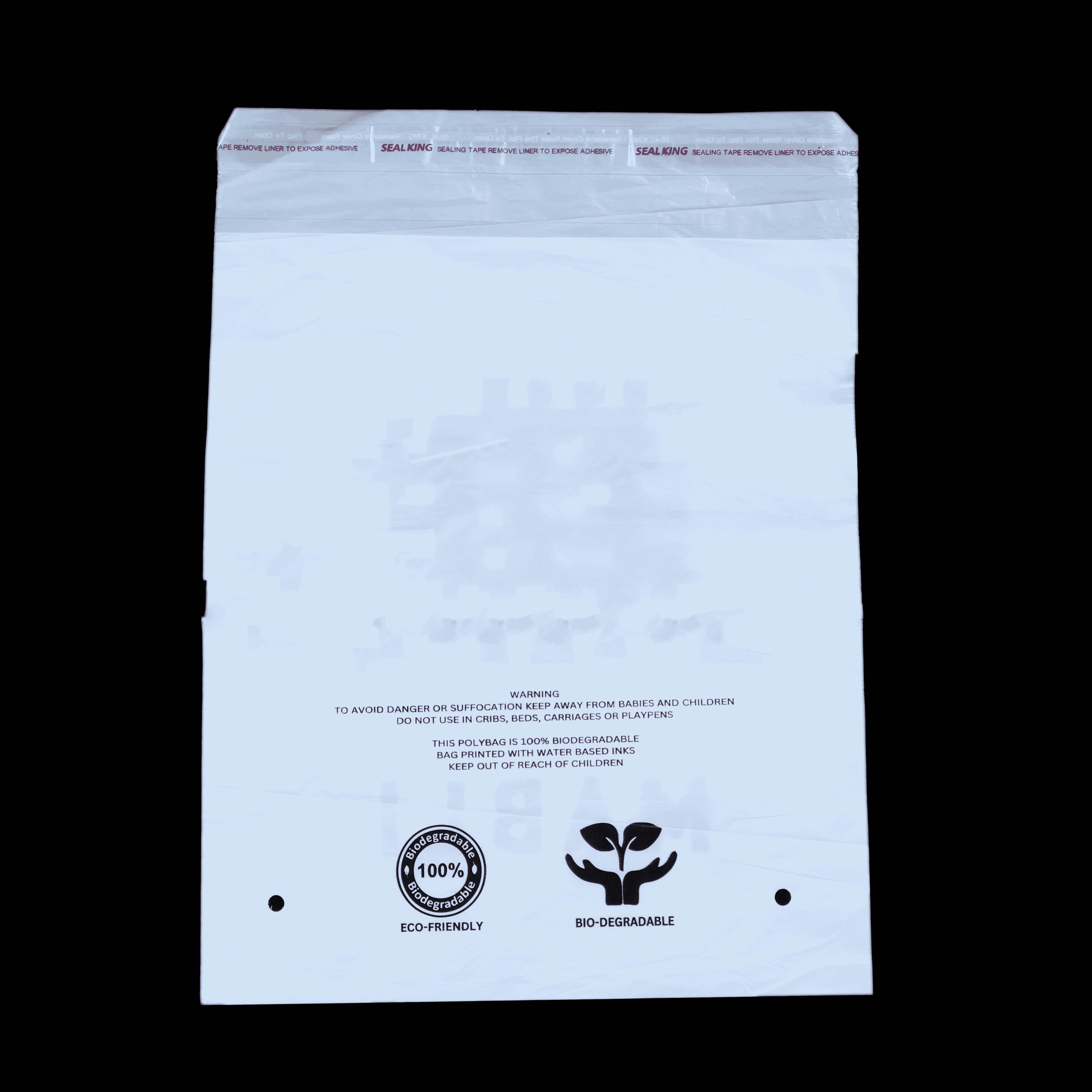
Polypropylene bags are made from PP polymer, a thermoplastic known for its exceptional strength and lightweight structure. These bags come in various forms such as transparent PP garment bags, woven polypropylene bags, BOPP laminated PP bags, printed PP bags, and gusseted PP bags.

PP bags provide huge advantages due to their mechanical properties, barrier resistance, and aesthetic appeal. Unlike other packaging materials, they offer a combination of rigidity and clarity, making them ideal for apparel that needs both visibility and protection.

Why Polypropylene Bags Are Ideal for Garment Packaging

Polypropylene bags are specifically popular in the garment sector because they offer multiple benefits such as high clarity for showcasing the garment, tear-resistant and puncture-resistant structure, protection from moisture and dust, lightweight design reducing shipping costs, support for various sealing and closure options, and attractive presentation for retail shelves.

Compared to LDPE or PVC bags, PP bags provide a more polished and premium appearance while maintaining strong durability.

How Polypropylene Bags Reduce Damage During Garment Transit

Garments, whether folded or hung, can get damaged during transit due to environmental factors, mishandling, or compression. Below are the key ways polypropylene bags help prevent that damage.

1. Effective Moisture Protection

Moisture is one of the biggest threats to garments during transit. Even slight humidity can cause mold formation, foul odor, stains, and color fading.

Polypropylene bags have a low moisture vapor transmission rate (MVTR), meaning they act as a strong barrier against humidity. This preserves the garment’s freshness and ensures it remains dry throughout transportation.

2. Dust and Dirt Resistance

During transit, garments pass through warehouses, delivery hubs, and transportation vehicles where dust and dirt are common. Polypropylene bags form a sealed outer layer, prevent dust accumulation, and keep the garment clean and presentable.

This is especially important for garments that need to be displayed immediately upon arrival, such as shirts, sarees, kurtis, suits, and kidswear.

3. High Tear and Puncture Resistance

One of the biggest challenges in garment packaging is damage caused by tearing during handling. PP bags have excellent tensile strength, making them resistant to tearing, resistant to stretching, and capable of withstanding pressure.

This is beneficial for shipping sharp-edged clothing accessories, zippers, buttons, or heavy fabrics that exert pressure on the packaging.

4. Prevents Creasing and Fabric Compression

During transit, garments are frequently stacked with other packages, which can cause creasing. Polypropylene bags help reduce creasing by providing structural support, acting as a protective layer, and reducing the pressure placed on garments.

This is essential for formalwear, premium garments, and delicate fabrics that require a wrinkle-free presentation.

5. Maintains Fabric Freshness and Fragrance

PP bags help seal the garment’s natural fragrance or added scent. Because they reduce air permeability, they prevent loss of garment freshness, entry of unwanted odors, and exposure to pollutants.

This enhances customer experience as the garment smells fresh upon unboxing.

6. Enhances Visibility and Presentation

Retailers and customers prefer packaging that allows easy visual inspection without opening the bag. Polypropylene bags offer excellent transparency, a glossy premium finish, and clear product viewing.

This helps retailers quickly identify items, reduces damage caused by repeated handling, and improves product display aesthetics.

7. Protection from Scratches and Surface Abrasion

During transit, garments can rub against cartons, belts, or other garments, leading to fabric pilling, surface scratches, and thread pulls.

Polypropylene bags act as a smooth protective barrier that prevents such surface damage.

8. Temperature Resistance and Stability

Polypropylene remains stable under varying temperatures. It does not melt under moderate heat, crack under low temperatures, or react chemically with fabrics.

This stability ensures garments remain undisturbed even during long-distance or international shipping.

Additional Advantages for Garment Transit

Beyond basic protection, polypropylene bags offer several additional functional and commercial advantages.

Lightweight for Lower Transportation Cost

Shipping garments in lightweight PP bags reduces transit weight, courier charges, and fuel consumption. This helps garment exporters and wholesalers minimize logistics expenses.

Supports Branding and Printing

Polypropylene bags can be custom-printed with brand names, logos, size details, product images, and customer instructions. This enhances branding while maintaining protection.

Eco-Friendly Options Available

Modern PP bags can be recyclable, made with reduced plastic content, designed for multi-use, and manufactured with eco-conscious additives. This supports sustainable fashion and environmentally responsible packaging.

Best Practices for Using Polypropylene Bags in Garment Transit

To get maximum protection during transportation, businesses should choose the right bag thickness based on garment type, use airtight closure options such as flap seal, adhesive, or zip lock, ensure the garment is folded neatly before packing, add tissue paper for delicate or premium garments, use gusseted PP bags for bulkier clothing, store packaged garments in dry and temperature-controlled environments, and avoid overpacking as it may cause creasing.

With the correct practices, polypropylene bags provide exceptional protection for garments moving through different stages of the supply chain.

Selecting the Best Packaging Partner for Garment Bags

Choosing a dependable Poly Propylene Bags Manufacturer in Bangalore is essential for garment brands, exporters, and textile companies that need durable, high-clarity, and reliable packaging. The right supplier ensures that the bags meet performance standards, protect garments during long-distance transit, and enhance product presentation.

Why Real Packers Is a Trusted Name in Garment Packaging

For businesses looking for superior Poly Propylene Bags for Garments, Realpackers offers high-strength PP bags engineered for clarity, durability, and long-term protection. As a leading Poly Propylene Bags Manufacturer in Bangalore, they specialize in supplying packaging solutions that safeguard garments from moisture, dust, and physical damage throughout the supply chain.

Their advanced manufacturing quality, customization capability, and commitment to excellence have made them a preferred choice among garment manufacturers, wholesalers, and exporters.

Conclusion

When garment safety, visual appeal, and transit durability are top priorities, choosing the right packaging solutions is essential. Real Packers provides premium-quality Poly Propylene Bags for Garments designed to protect apparel at every stage of transit.

As a trusted Poly Propylene Bags Manufacturer in Bangalore they continue to support businesses with durable, cost-effective, and presentation-friendly packaging solutions that reduce damage and improve customer satisfaction.

How Polybags Improve Product Shelf Life and Protection

Leading Polypropylene Bags Manufacturer in Chennai

Introduction to Polybags

In today’s fast-growing and fast-moving retail and manufacturing ecosystem, packaging plays a more crucial role than ever before. Businesses across industries—from food and pharmaceuticals to textiles and electronics—depend on packaging that can protect products, extend shelf life, and maintain quality during storage and transportation. Among the many packaging choices available, polybags have stood out as one of the most reliable and versatile solutions.

Polybags may look simple on the surface, but they are engineered with specific features that offer unmatched protection, adaptability, and cost efficiency. This is why they remain indispensable across multiple sectors, especially when the priority is to keep products fresh, uncontaminated, and secure for long durations.

This comprehensive guide explores how polybags improve product shelf life, enhance protection, and contribute to an efficient supply chain—making them a vital component of modern packaging strategies.

Understanding Polybags: What Makes Them Unique?

Polybags are lightweight, flexible bags made primarily from low-density polyethylene (LDPE) or other variations of polyethylene. Their widespread popularity is because they are:

Moisture-resistant

Durable

Transparent

Flexible

Affordable

Customizable

Polybags are available in various forms such as:

LDPE bags

Zip-lock bags

Gusseted bags

Printed and laminated bags

Anti-static bags

Heat-sealable bags

Their versatility makes them suitable for thousands of applications across retail, industrial, commercial, and export sectors.

How Polybags Improve Product Shelf Life

Shelf life refers to how long a product can be stored while retaining its original quality, freshness, and usability. Polybags significantly boost shelf life through a combination of protective barriers, chemical stability, and functional features.

Below are the key ways polybags extend the life span of products:

1. Excellent Moisture Barrier

Moisture is one of the biggest threats to product shelf life. It accelerates spoilage, promotes mold and bacterial growth, and affects product stability. Polybags provide a strong moisture barrier by preventing:

Water vapor entry

Humidity exposure

Condensation

Liquid contamination

This is crucial for products like:

Food items

Pharmaceuticals

Electronics

Textiles

The moisture-resistant nature of polybags helps maintain product integrity throughout storage and transit.

2. Oxygen & Air Barrier Protection

Many products degrade rapidly when exposed to oxygen. Polybags reduce oxygen transfer, helping preserve:

Aroma

Freshness

Appearance

Chemical stability

For food items, this barrier slows oxidation and rancidity, dramatically extending product freshness.

3. Protection from Dust, Dirt & External Contaminants

Polybags act as a sealed protective layer safeguarding products from:

Dust

Debris

Chemicals

Germs and microbes

Airborne particles

Industries such as textile manufacturing and electronics rely heavily on polybags to protect delicate materials and components from contamination.

4. UV Protection for Light-Sensitive Products

Certain polybags are engineered with UV-blocking additives. These help prevent sunlight exposure that could cause:

Fading

Discoloration

Decomposition

Chemical instability

Products like cosmetics, pharmaceuticals, and specialty foods benefit significantly from UV-protected polybags.

5. Anti-Static Protection for Electronics

Electrostatic discharge (ESD) can damage sensitive electronic components. Anti-static or conductive polybags prevent static buildup, ensuring:

Circuit protection

Safe handling

Longer functional life

These bags are essential for semiconductors, chips, PCBs, and precision electronic devices.

6. Heat Sealability Ensures Airtight Packaging

Heat-sealable polybags create completely sealed, tamper-evident packaging, which:

Prevents contamination

Maintains product quality

Improves hygiene

Eliminates leakage

Airtight sealing is especially critical for food, pharmaceuticals, and cosmetics.

7. Resistance to Chemicals & Corrosion

Certain polybags are designed to resist chemicals, oils, and solvents. Their chemical stability makes them perfect for:

Industrial products

Hardware items

Medical goods

Powdered and chemical components

This resistance prevents product degradation and extends shelf life even in harsh conditions.

How Polybags Enhance Product Protection

In addition to improving shelf life, polybags also offer multiple layers of physical and environmental protection.

1. Protection Against Physical Damage

Polybags absorb and distribute shock, reducing the impact of:

Vibration

Dropping

Compression

Rough handling during transport

This layer of cushioning helps protect fragile items from breakage.

2. Transparency for Easy Inspection

The see-through nature of polybags provides several benefits:

Easy product identification

Reduced need to open packages

Faster inventory management

Enhanced customer confidence

Businesses can inspect products without exposing them to air, dust, or contaminants.

3. Customizability for Better Fit and Protection

Polybags can be customized based on:

Thickness

Size

Width and length

Gusset options

Closure mechanisms (zipper, adhesive, heat seal)

This ensures a perfect fit for every product, reducing material waste and maximizing protection.

4. Lightweight Yet Strong Construction

Despite being lightweight, polybags offer remarkable tensile strength. This balance of strength and flexibility makes them ideal for packaging:

Heavy items

Sharp-edged components

Large quantities

Export goods

They do not tear or puncture easily, providing consistent protection.

5. Hygiene and Safety Compliance

Polybags are widely used in food and medical industries because they can be manufactured in hygienic, contamination-free environments. They comply with global safety standards and ensure products remain uncontaminated.

Industries That Benefit from Polybag Packaging

Almost every industry uses polybags due to their affordability and their ability to preserve product quality. Some major sectors include:

Food & beverages

Textiles & garments

Pharmaceuticals

Electronics

Cosmetics

E-commerce

Manufacturing

Hardware & tools

Agriculture

Their wide application makes them a universal packaging solution.

Why Polybags Are Considered Cost-Effective

Polybags provide exceptional value to businesses because they:

Require low production cost

Reduce product damage

Improve shelf life

Enhance storage efficiency

Minimize transportation weight

Lower shipping costs

Their long-term cost savings make them an essential packaging solution for both small and large enterprises.

Environment-Friendly Polybag Options

With sustainability becoming a major focus, modern polybags are now available in eco-conscious versions such as:

Recyclable LDPE bags

Biodegradable bags

Compostable bags

Recycled-content polybags

These alternatives help companies move toward greener packaging solutions without compromising functionality.

Selecting the Right Polybag Partner

Businesses looking for high-quality packaging solutions must choose a trusted Polybags Manufacturer in Chennai who understands product protection, durability, and shelf-life requirements. Selecting a reliable manufacturer ensures you receive polybags that are engineered to preserve product freshness, prevent contamination, and maintain long-term stability across various applications.

Why Real Packers Is a Leading Choice for Polybags

As packaging standards continue to evolve, Realpackers consistently delivers premium-quality polybags designed for high performance and long-lasting protection. Whether you require standard LDPE bags, customized packaging solutions, or specialty polybags for sensitive products, partnering with a reputed Polybags Manufacturer in Chennai ensures quality, consistency, and advanced safety features.

Real Packers is known for its cutting-edge manufacturing technology, strict quality control, and customer-focused approach—making them a trusted supplier for diverse industries across the region.

TAKE AWAY: Choose Real Packers for Superior Protection and Shelf Life

When it comes to ensuring product safety, extending shelf life, and maintaining quality during transport, choosing the right packaging is essential. Real Packers offers durable, high-performance polybags tailored to meet the unique needs of different industries. Selecting a reputed Polybags Manufacturer in Chennai guarantees that your products receive the highest level of protection, freshness retention, and long-term durability.

For businesses looking to enhance product shelf life and ensure maximum protection, Real Packers remains a dependable and innovative packaging partner.

Protecting Pallets and Bulk Goods Using Stretch Wrapping Rolls

Trusted Stretch Wrapping Roll Manufacturer & Supplier in Chennai

Introduction to Stretch Wrapping Rolls

In modern logistics and warehouse operations, the protection of goods during storage and transportation is more important than ever. With supply chains expanding across cities, states, and countries, businesses now face greater challenges in ensuring that bulk goods, palletized loads, and fragile shipments remain intact, stable, and secure. This is where stretch wrapping rolls play a critical role.

Stretch wrapping has grown into one of the most widely used packaging solutions globally because it is economical, efficient, and effective. Whether used in manufacturing plants, distribution centers, retail warehouses, or export operations, stretch film helps prevent damage, reduces product loss, and protects shipments from environmental factors.

This comprehensive guide explores how stretch wrap protects pallets and bulk goods, the types available, their applications, and why they are indispensable for modern logistics.

What Is Stretch Wrapping?

Stretch wrapping refers to the method of wrapping loads with stretch film—an elastic, flexible polyethylene-based film that stretches tightly around products. Its clinginess and elasticity allow it to hold items together securely without the need for adhesives or straps.

A stretch wrapping roll is typically made from Linear Low-Density Polyethylene (LLDPE), which offers:

High stretch capability

Tear resistance

Transparency

Cling properties

Durability

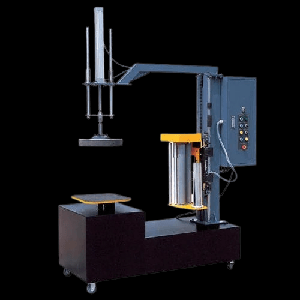
It is applied manually or using semi-automatic and automatic stretch wrapping machines depending on the volume of packaging required.

Why Stretch Wrapping Rolls Are Essential for Pallet Protection

Stretch wrapping is considered one of the safest and most cost-effective methods for securing palletized and bulk goods. Here’s why it is widely used across industries:

1. Stabilizes Palletized Loads

Goods stacked on pallets can shift or tilt during handling and transportation. Stretch film prevents this by:

Binding all items tightly

Reducing movement

Maintaining pallet integrity

Minimizing the risk of falling or damage

This stability is crucial, especially for shipments that travel long distances or undergo frequent handling.

2. Protects Against Dust, Dirt & Moisture

Stretch film acts as a protective shield around goods. It prevents exposure to:

Dust

Moisture

Debris

Industrial pollutants

This is particularly important in warehouses, ports, and outdoor storage environments where contamination risks are high.

3. Reduces Product Damage & Loss

By maintaining load integrity, stretch wrap reduces:

Scratches

Breakage

Product collapse

Spillage

This helps businesses cut financial losses and maintain customer satisfaction.

4. Cost-Effective Solution

Compared to wooden crates, straps, or heavy-duty packaging materials, stretch film is:

Cheaper

Lightweight

Easy to use

Efficient for bulk operations

A single roll can secure hundreds of pallets, making it highly economical.

5. Enhances Safety in Warehouses

A loose or unstable load can be a major workplace hazard. Stretch wrapping ensures:

Safe forklift movement

Secure stacking

Reduced workplace injuries

Proper wrapping contributes to smooth warehouse operations and improved workflow.

Different Types of Stretch Wrapping Rolls

Not all stretch films are the same. Each type serves a unique purpose based on load size, weight, and transport needs. Below are the major types:

1. Hand Wrap Stretch Film

Used for manual wrapping, it is ideal for:

Low-volume packaging

Small warehouses

Light to medium-weight loads

It is easy to use and doesn’t require machinery.

2. Machine Wrap Stretch Film

Designed for automatic stretch wrapping machines, offering:

Consistent wrapping

High-speed operations

Uniform tension control

Suitable for large-scale manufacturing and high-volume warehouses.

3. Pre-Stretched Film

This film is stretched during manufacturing, making it:

Lightweight

Easy to apply

Less energy-intensive

It reduces film usage and increases load stability.

4. Colored Stretch Film

Used for:

Load identification

Branding

Theft prevention

Colored films help differentiate shipments and maintain inventory accuracy.

5. UV Stretch Film

Designed for outdoor storage where sun exposure is unavoidable. This film:

Resists UV rays

Prevents film degradation

Maintains long-term load stability

Commonly used in construction materials, agriculture, and export shipments.

6. Ventilated Stretch Film

Has perforations to allow airflow, making it ideal for:

Fresh vegetables

Fruits

Products needing breathability

It prevents condensation and spoilage.

How Stretch Wrapping Rolls Protect Bulk Goods During Transit

Transporting goods across long distances involves several risks—sharp movements, weather exposure, vibrations, and stacking pressure. Stretch wraps mitigate these risks by:

Creating a Tight Bond

The elastic nature of stretch film means it hugs the load securely, reducing gaps and movement.

Preventing Shock & Vibration Damage

Goods in trucks or containers often experience continuous vibrations. Stretch wrapping keeps everything firmly together.

Offering 360-Degree Protection

Unlike straps or tapes that hold only certain areas, stretch wrap covers the entire surface of the load.

Deteriorating Risks from Handling

Goods are frequently handled using forklifts, cranes, or manual labor. Stretch wrap:

Improves load grip

Reduces slipping

Minimizes tearing or displacement

Protection Against Weather Conditions

Environmental factors like rain, humidity, and extreme temperatures can damage goods. Stretch film prevents moisture infiltration and keeps goods dry.

Industries That Rely on Stretch Wrapping Rolls

Stretch film is essential across a wide range of industries:

Logistics & warehouses

E-commerce

Food & beverages

Pharmaceuticals

Automotive

Construction materials

Agriculture

Textile & garment manufacturing

Electronics & appliances

Export & import companies

Its versatility makes it a universal packaging solution.

Best Practices for Effective Stretch Wrapping

To maximize the benefits of stretch wrapping rolls, businesses should follow these best practices:

1. Ensure Proper Tension

Too much tension can tear the film; too little reduces load security. Finding the right balance is key.

2. Use the Right Film Thickness

Heavy or irregular loads require thicker films for better holding force.

3. Wrap from Bottom to Top

Securing the base first ensures load stability.

4. Use Corners and Edge Protectors for Fragile Items

This prevents tearing and protects products from compression.

5. Choose the Right Type of Stretch Film

Film selection should depend on:

Load type

Storage conditions

Transportation distance

6. Regularly Train Staff

Proper wrapping techniques reduce film wastage and improve load safety.

Sustainability Benefits of Stretch Wrapping Rolls

Modern stretch films are now:

Recyclable

Lower in thickness but higher in strength

Manufactured using eco-friendly processes

Designed to reduce plastic consumption

This helps companies reduce environmental impact and meet packaging sustainability goals.

Choosing the Right Stretch Wrapping Partner

Selecting a reliable Stretch Wrapping Roll Manufacturer in Chennai is essential for businesses that handle bulk packaging daily. High-quality stretch film not only enhances load protection but also reduces film wastage and improves operational efficiency. Businesses handling fragile, heavy, or temperature-sensitive goods especially need films engineered with strength, elasticity, and durability.

Why Real Packers Is a Trusted Choice in the Industry

Among suppliers in the region, Realpackers stands out for producing high-performance stretch wraps that support industries in logistics, warehousing, and manufacturing. Whether you need hand wrap film, machine-grade rolls, or specialized stretch films for export, partnering with a dependable Stretch Wrapping Roll Manufacturer in Chennai ensures you receive consistent quality and reliable service.

Real Packers offers customized options, superior tensile strength, and optimum load-holding capability—making them a preferred choice for companies dealing with high-volume palletizing requirements.

TAKE AWAY: Protect Your Goods with the Right Stretch Wrapping Solutions

Choosing a professional and experienced packaging partner like Real Packers guarantees that your goods remain safe, stable, and protected throughout storage and transit. With the increasing demand for secure logistics solutions, selecting a certified Stretch Wrapping Roll Manufacturer in Chennai superior performance, durability, and cost-efficiency.

From pallet stabilization to damage prevention, Real Packers delivers world-class stretch wrapping solutions that support smooth operations and long-term reliability.

Common Myths About Biodegradable & Compostable Packaging: The Truth You Must Know

Best Biodegradable Compostable Bag Supplier

Introduction to Sustainable Packaging

In recent years, sustainable packaging has shifted from being a trend to an absolute necessity. Individuals, global brands, e-commerce companies, and retail industries are all exploring eco-friendly alternatives that reduce the burden of plastic waste. Among these alternatives, biodegradable and compostable bags have gained significant attention. However, as their popularity rises, so do misunderstandings and myths surrounding them.

This comprehensive guide breaks down the most common myths about biodegradable and compostable packaging—clearing confusion, helping buyers make informed decisions, and promoting clarity for businesses considering eco-friendly transitions.

Understanding the Basics: Biodegradable vs. Compostable

Before busting myths, it’s important to understand the difference between biodegradable and compostable packaging.

Biodegradable Packaging

These materials break down naturally with the help of microorganisms, moisture, and sunlight. However, the rate of decomposition varies based on the material and the environment.

Compostable Packaging

Compostable materials go a step further. They must break down into non-toxic components—water, carbon dioxide, and biomass—within a specific period under composting conditions. Compostable products are regulated and require certification.

Both options are sustainable, but they are not interchangeable—which is where many myths begin.

MYTH 1: Biodegradable Bags Disappear Instantly

Many consumers believe that biodegradable bags vanish within days. In reality, biodegradation is a gradual process. Depending on the material type, temperature, humidity, and exposure to microbes, it can take weeks to months.

Biodegradable plastics still need the right conditions; simply throwing them in any environment won’t guarantee fast breakdown. Proper disposal is essential.

MYTH 2: Compostable Bags Can Decompose in Any Environment

Compostable bags are often misunderstood as “self-disposing.” However, composting requires controlled environments such as industrial composting facilities, where:

Temperature is between 55–65°C

Controlled aeration and humidity are maintained

Microbial activity is high

While some compostable materials can break down in home composting, most require industrial processing for complete degradation within certified timelines.

MYTH 3: All Biodegradable Bags Are 100% Plastic-Free

Many brands misuse the term “biodegradable” by adding small amounts of additives that help plastic break down faster. This does not make the plastic eco-friendly. True biodegradable and compostable bags are made from materials like:

Corn starch

PLA (Polylactic Acid)

PBAT blends

Plant-based biomass

Consumers should always check for certifications like EN 13432, ASTM D6400, or ISO 17088.

MYTH 4: Compostable Packaging Is Weak and Not Durable

Early compostable bags were thin and prone to tearing, which shaped this misconception. Modern compostable materials are engineered with:

Higher tensile strength

Better flexibility

Thick film options

Moisture resistance

Today’s compostable bags are suitable for retail, e-commerce, garment packing, and household use, proving that eco-friendly doesn’t mean fragile.

MYTH 5: Compostable Bags Are Too Expensive

While costs were higher initially, advancements in manufacturing, increasing demand, and government support have made compostable bags much more affordable today. The price difference narrows significantly when buying in bulk or choosing certified manufacturers.

Additionally, businesses switching to compostable packing gain:

Better brand reputation

Compliance advantages

Sustainability certifications

Customer loyalty from eco-conscious buyers

In the long run, the benefits outweigh the cost difference.

MYTH 6: Biodegradable and Compostable Bags Can Be Dumped in Landfills

Both types need oxygen, bacteria, and moisture to break down. Landfills, however, are sealed and oxygen-deprived. Waste in landfills takes significantly longer to degrade, regardless of the material.

Proper disposal methods include:

Composting

Organic waste facilities

Dedicated biodegradable waste bins

Community compost pits (for home compostable products)

Dumping compostable bags in regular trash defeats their purpose.

MYTH 7: Compostable Bags Are Only for Kitchen Waste

These bags are much more versatile than assumed. Today, compostable packaging has applications in:

Garment packing

Retail carry bags

Food delivery and takeaway covers

Product packaging sleeves

Courier and e-commerce mailers

Trash liners

The garment industry, in particular, is rapidly shifting to compostable garment bags to meet sustainability commitments and reduce plastic footprint.

MYTH 8: Biodegradable Bags Harm The Environment While Decomposing

Some believe biodegradable products release harmful chemicals during decomposition. This is false for certified biodegradable or compostable products.

Certified compostable bags leave behind:

No toxins

No microplastics

No harmful residues

They decompose into organic biomass that benefits the soil, making them an environmentally safe option.

MYTH 9: All Green-Colored Bags Are Biodegradable

Color has no relation to material composition. Many traditional plastic bags are green but not biodegradable. Only third-party certifications and material composition determine whether a product is genuinely biodegradable or compostable.

MYTH 10: Biodegradable and Compostable Bags Cannot Be Stored for Long

These materials do have a shelf life, but proper storage ensures longevity:

Keep away from direct sunlight

Store in cool and dry conditions

Use within 10–12 months of production

When stored correctly, they remain durable and functional.

The Rising Demand for Eco-Friendly Packaging

The global shift toward sustainability is growing stronger each year. Industries like textiles, fashion, e-commerce, and retail are moving toward plant-based packaging to reduce their environmental impact. Governments are promoting biodegradable packaging with:

Plastic ban regulations

Compostability standards

Subsidies for eco-friendly manufacturing

As awareness grows, so does the need to distinguish facts from myths.

Making the Switch: Why the Garment Industry Prefers Compostable Packaging

The fashion and garment industry is one of the biggest contributors to plastic waste due to individual polybag packaging. Compostable garment bags are becoming the preferred choice because they are:

Transparent and strong

Safe for fabric

Odor-free

Environmentally friendly

A great branding tool for sustainable businesses

Replacing traditional polybags with compostable garment bags significantly reduces long-term environmental damage.

Choosing the Right Manufacturer Matters

When selecting eco-friendly packaging, it’s vital to choose a trusted Biodegradable Compostable Bag Manufacturer who offers certified products, sustainable materials, and durable quality. Businesses in retail and garments particularly need reliable partners who understand packaging performance, clarity, and strength.

Manufacturers with proven expertise provide biodegradable and Biodegradable Compostable Bags for Garments that not only meet environmental standards but also support brand reputation by offering high-quality eco-packaging solutions.

Why Real Packers Is the Trusted Choice for Sustainable Packaging

As industries shift to green alternatives, Realpackers continues to help brands transition smoothly with certified biodegradable and compostable bags. Whether you need bulk eco-friendly packaging or customized Biodegradable Compostable Bags for Garments, their solutions ensure durability, transparency, and sustainability without compromise.

Working with the right Biodegradable Compostable Bag Manufacturer ensures compliance with global eco-standards—something Real Packers consistently delivers through quality materials and advanced manufacturing techniques.

TAKE AWAY: A Better Future with Real Packers

Misconceptions about biodegradable and compostable packaging often stop businesses from adopting eco-friendly alternatives. With the right awareness and the support of a trusted brand like Real Packers, switching to sustainable solutions becomes easier, effective, and beneficial for the planet.

If you’re looking for certified, durable, and high-performance Biodegradable Compostable Bags for Garments, or need a reliable Biodegradable Compostable Bag Manufacturer Real Packers offers the perfect balance of quality and sustainability.

How to Choose the Right Polypropylene Bags Manufacturer in 2025

est Biodegradable & Compostable Bags Manufacturer in Bangalore

Introduction

Best Biodegradable & Compostable Bag Manufacturers – 2025 Complete Guide

With rising environmental concerns, increasing regulatory pressure on single-use plastics, and growing consumer demand for sustainable packaging, biodegradable and compostable bags are becoming mainstream in 2025. Whether used for retail, food packaging, waste collection, or e-commerce, these eco-friendly alternatives are quickly replacing conventional plastic. But choosing the right manufacturer is not trivial: material types, certifications, quality, cost, and supply chain reliability all matter.

This guide dives deep into everything you need to know when evaluating biodegradable and compostable bag manufacturers in 2025. We’ll cover the key materials, quality benchmarks, pricing factors, minimum order quantities (MOQs), industry trends, and how to select a long-term partner.

Why Biodegradable & Compostable Bags Are More Important Than Ever

Regulatory Pressure

Governments around the world are tightening regulations on single-use plastics. In India, for example, stricter plastic waste management rules and bans on certain plastic types are pushing businesses to adopt sustainable alternatives.

Consumer Demand

Eco-conscious consumers increasingly prefer brands that care about the environment. For many, a biodegradable or compostable bag is a visible commitment to sustainability.

Market Growth

The market for compostable and biodegradable refuse bags in India is expanding rapidly. According to research, the Indian market is projected to grow at a CAGR of around 7.6% from 2025 to 2030.

Innovation in Materials

Biopolymers like PLA (polylactic acid), PBAT (polybutylene adipate terephthalate), starch blends, and even novel materials like mycelium are now more accessible and cost-effective.

Brand Sustainability Goals

Many businesses are integrating ESG (Environmental, Social, Governance) goals into their operations. Switching to compostable bags helps meet sustainability targets and enhances brand reputation.

Popular Materials Used in Biodegradable & Compostable Bags

Not all “biodegradable bags” are created equal. Understanding the material science helps you choose the right type for your use case.

PLA (Polylactic Acid)

Derived from renewable resources such as corn starch or sugarcane.

Offers good clarity and stiffness, making it suitable for retail bags, mailers, and packaging pouches.

Industrially compostable: typically disintegrates in compost facilities under controlled conditions.

Downsides: relatively brittle; may require blending or special processing for strength.

PBAT (Polybutylene Adipate Terephthalate)

A biodegradable copolyester offering flexibility and resilience.

Commonly blended with starch or PLA to improve tear resistance.

Compostable under industrial conditions; degradation rates depend on blend and film thickness.

Starch-Based Blends

Composed of thermoplastic starch (TPS) often mixed with PBAT or PLA.

High renewable content, lower cost relative to pure biopolymers.

Typically certified to compost in industrial facilities (e.g., EN 13432, ASTM D6400).

Limitation: moisture sensitivity, loss of strength under high humidity.

PHA (Polyhydroxyalkanoates)

Produced through microbial fermentation.

Excellent biodegradability in both soil and marine environments.

More expensive, but gaining traction for high-value, environmentally sensitive applications.

Emerging Materials

Mycelium-based packaging (from fungi) offers a fully compostable and novel option.

Agricultural waste and cellulose-based films are also being explored in labs.

Quality Criteria: What to Look For When Choosing a Manufacturer

When vetting compostable bag manufacturers, quality assurance goes beyond aesthetics. Here are the critical factors to assess:

Certifications

Look for industrial composting certifications such as EN 13432, ASTM D6400/D6868, or Indian IS 17088. Certifications assure you that the bag will reliably break down under proper composting conditions.

Material Purity & Blend

Ask for a breakdown of the polymer blend (PLA, PBAT, starch, etc.). Request material specifications like melt flow index, density, and renewable carbon content.

Film Thickness & Strength

Check micron thickness to assess strength, flexibility, and puncture resistance. Lower thickness may reduce cost but compromise durability.

Printability & Finish

Good manufacturers offer high-quality print options using eco-friendly inks. The surface finish (gloss, matte) and barrier properties (moisture, grease) matter for packaging performance.

Sealing & Closure

For pouches or mailers, check how the bag is sealed (heat seal, zipper) and whether the closure is compostable. Leak resistance is especially important for food packaging.

Degradation Performance

Request data on disintegration time in industrial composting. Some manufacturers also test for home compostability or soil biodegradation.

Batch Consistency & Quality Control

Ensure the manufacturer has in-house quality checks (e.g., lab testing, process control). Ask for prior customer samples or references to verify product reliability.

Pricing Factors: What Drives the Cost of Compostable Bags in 2025

The cost of biodegradable and compostable bags depends on multiple variables. Here’s what impacts pricing most:

  • Raw Material Costs: Biopolymers like PLA and PBAT are typically more expensive than traditional plastics.
  • Polymer Blend: Pure PLA or PHA may cost more than a starch blend.
  • Thickness (Micron): Thicker films use more material — higher cost.
  • Printing Requirements: Multi-colour or full-custom printing costs more.
  • Certifications & Testing: Certified compostable products may command a premium.
  • Order Volume (MOQ): Larger orders reduce per-unit cost.
  • Add-ons: Zippers, gussets, custom shapes, and barrier coatings increase complexity and cost.
  • Logistics & Import/Export: If raw biopolymers are sourced internationally, freight and duties add up.
MOQ (Minimum Order Quantity) – What to Expect in 2025

MOQ is a critical factor for businesses, especially when dealing with emerging eco‑packaging materials:

  • Small promotional or retail bag orders: 1,000–5,000 units
  • Larger retail or grocery carry bags: 5,000–20,000+ units
  • Specialized pouches or compostable mailers: depends heavily on design and polymer blend
  • Waste-collection bags (e.g., compostable refuse bags): bulk orders, often 10,000+ units

Many manufacturers may offer reduced MOQs for repeat buyers or long-term contracts, but it’s important to negotiate clearly from the start.

Leading Trends in Biodegradable & Compostable Bag Manufacturing (2025)

Staying on top of industry shifts helps in choosing a forward-looking partner.

Trend 1: PLA & PBAT Blends

The synergy of PLA’s stiffness and PBAT’s flexibility is driving their blended adoption in 2025.

Trend 2: Scaling Domestic Biopolymer Production

India is investing in domestic biopolymer manufacturing. A notable example: a PLA plant recently announced for sugarcane-based PLA production using renewable energy.

Trend 3: Digital & Eco‑Inks Printing

Manufacturers are leveraging digital printing machines and water-based, biodegradable inks to deliver customizable eco-bags.

Trend 4: Compostable Certification

More companies are ensuring rigorous certification (e.g., OK Compost, IS 17088) to assure customers of their environmental claims.

Trend 5: Innovative Materials

Research into novel materials such as mycelium‑based packaging is gaining traction.

Some Real-World Examples of Biodegradable & Compostable Bags
  • Neusmart Compostable Biodegradable Carry Bag: A carry bag designed for retail, made from compostable material, for sustainable shopping.
  • Compostable Packaging Pouch (PLA/PBAT): Flexible packaging pouch made of PLA and PBAT, suitable for cosmetics or food.
  • Greenwave 100% Biodegradable Grocery Carry Bags: Lightweight grocery bags made from plant-based biopolymers, suitable for retail use.
  • BIOSUN 100% Compostable Biodegradable Green Carry Bags: Durable, green-coloured carry bags marketed for daily retail or farm produce.
How to Evaluate Potential Manufacturers: A Step-by-Step Checklist
Define Your Use-Case

Retail carry bag? Mailer pouch? Trash/refuse bag? Consumer-facing vs industrial use.

Shortlist Potential Manufacturers

Search for compostable bag makers locally (e.g., in Bangalore) or globally. Use directories, trade platforms, and local business listings.

Request Samples & Certifications

Ask for compostability certificates, test reports, and product samples.

Negotiate MOQ & Pricing

Present your order forecast to negotiate favorable MOQs and pricing. Explore whether smaller pilot batches are possible before scaling up.

Audit Their Quality Controls

Visit (if possible) – or request virtual audit for manufacturing processes, lab testing capabilities, and material sourcing.

Check Delivery & Logistics

Confirm lead times, packaging for shipping, and import/export capacity. Ensure they can scale with you as business grows.

Sustainability & Traceability

Ask whether the manufacturer offers traceability (e.g., batch-level tracking). Confirm that materials are certified and ethically sourced.

Key Players & Manufacturers to Watch
  • Bio-Plastobag / Plastobag Group: A major Indian manufacturer offering certified compostable bags, garbage bags, carry bags, and flexible laminates.
  • Eco365: Produces compostable bio-plastic materials certified under IS 17088 standards.
  • GreenworksBio: Offers PLA, PBAT, and natural-fiber compostable bags.
  • Biogreen Biotech: Listed among biodegradable bag makers in Bangalore.
Why Working with a Biodegradable Compostable Bags Manufacturer in Bangalore Makes Strategic Sense

Local Supply Chain Advantage: Reduces shipping times and costs when sourcing within Bangalore or nearby regions.

Rapid Prototyping & Sampling: Easier to collaborate on sample runs or design modifications.

Regulatory Compliance Familiarity: Local manufacturers are more likely to understand Indian environmental regulations.

Scalability: As demand for eco-bags grows, a Bangalore-based partner can more efficiently scale production for Indian markets.

How Real Packers Is Emerging as a Key Biodegradable Compostable Bags Manufacturer in Bangalore

Realpackers is carving a niche in the sustainable packaging space. As a Biodegradable Compostable Bags Manufacturer in Bangalore, they combine technical expertise in biopolymers with strong manufacturing infrastructure.

What Sets Them Apart
  • Offers a range of compostable bag types — from PLA-based films to PBAT-starch blends.
  • Provides custom printing options using water-based, eco-friendly inks.
  • Maintains stringent quality control and batch testing.
  • Works with clients to optimize MOQs and reduce costs for early adopters.
Top Reasons Brands Should Partner with Real Packers in Bangalore
  • Local Reliability: Their production base in Bangalore gives logistical advantages, especially for Indian brands.
  • Sustainability Credentials: They prioritize certified compostable materials, aligning with global and domestic standards.
  • Flexible Order Sizes: Real Packers understands the scaling needs of businesses—from startups testing sustainable packaging to larger brands committing to eco-transformations.
  • Innovation Focus: Keeping pace with market trends, they continuously adapt to newer polymers, blends, and eco-inks.
  • Customer-Centric Approach: They offer strong technical support, transparent pricing, and long-term partnership mindset.
Risks and Challenges to Be Aware Of
  • Compost Infrastructure: In many regions, industrial composting facilities are not widespread. Even certified compostable bags may not degrade properly without the right infrastructure.
  • Mislabeling Risk: Some suppliers may overstate their environmental claims. Always demand certifications.
  • Cost Premiums: Biodegradable polymers typically cost more than traditional plastics; budgeting needs to factor this in.
  • Supply Volatility: Biopolymer raw materials can be subject to supply-chain fluctuations or import dependencies.
  • User Behavior: End users may not compost correctly (or at all), reducing the environmental benefit.
Final Recommendations for Choosing a Manufacturer in 2025
  • Prioritize certification and material transparency.
  • Run pilot orders before large-scale commitment.
  • Negotiate MOQs and pricing tied to volume scaling.
  • Ensure the manufacturer can support branded customization if needed.
  • Factor in end-of-life management: is composting feasible in your region?
  • Assess long-term scalability: will the manufacturer grow with you as you increase orders?
Conclusion: Why Real Packers Is a Trusted Biodegradable Compostable Bags Manufacturer in Bangalore for 2025

As sustainable packaging becomes more than a trend, choosing a reliable and certified producer is critical. A Biodegradable Compostable Bags Manufacturer in Bangalore offers the perfect blend of local advantages, quality, and flexibility. Real Packers, with its advanced capabilities in PLA, PBAT blends, eco-printing, and strong quality controls, stands out as a forward-thinking partner for businesses committed to environmental responsibility.

By collaborating with Real Packers, brands can confidently adopt compostable solutions that not only meet regulatory and consumer expectations but also align with long-term sustainability goals.