

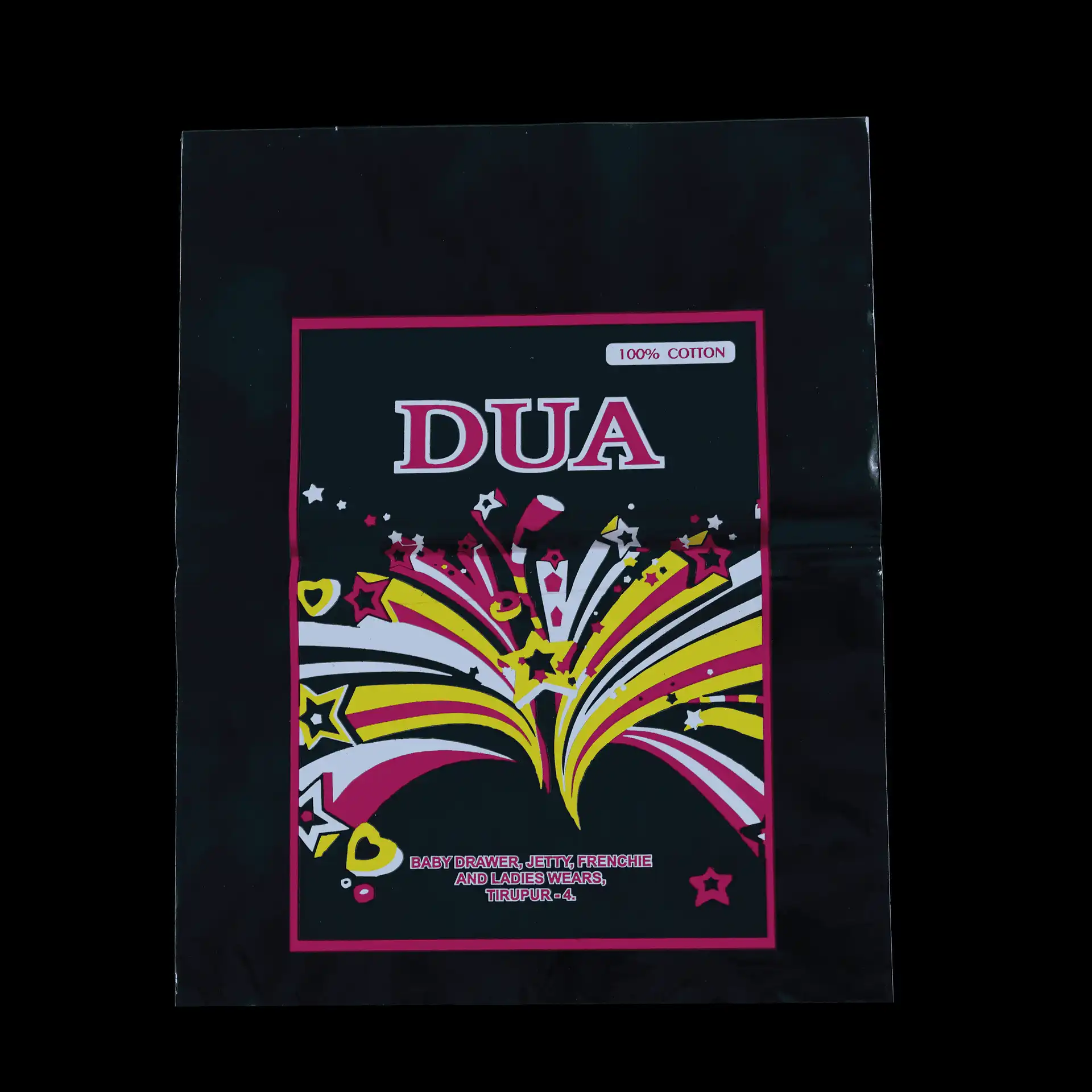
Choosing the Right Thickness for LDPE Bags: A Complete Guide

LDPE Bags Manufacturer

Introduction

In the world of packaging, selecting the appropriate material for your needs can be the difference between operational efficiency and logistical headaches. Among the many packaging materials available today, LDPE (Low-Density Polyethylene) bags have established themselves as a favorite for businesses and consumers alike. Known for their flexibility, durability, and wide applicability, LDPE bags are indispensable in a variety of industries ranging from retail and manufacturing to food and pharmaceuticals.

However, when it comes to choosing LDPE bags, one critical factor often overlooked is thickness. Thickness directly impacts the bag’s strength, flexibility, usability, and cost. Choosing the wrong thickness might result in damaged products, increased expenses, or wasted materials. This complete guide will walk you through everything you need to know about LDPE bag thickness, helping you make informed decisions tailored to your packaging requirements.

What Are LDPE Bags?

LDPE (Low-Density Polyethylene) is a type of thermoplastic made from the monomer ethylene. It is prized for its impressive flexibility, chemical resistance, and clarity. LDPE bags are widely used across different sectors due to their ability to withstand stress while remaining lightweight and versatile.

Some of the most common applications for LDPE bags include:

  • Food packaging
  • Industrial parts packaging
  • Medical supplies
  • Textile protection
  • Storage and transportation of delicate goods

While LDPE’s chemical properties remain consistent, thickness variations play a crucial role in determining how well the bag suits specific uses.

Understanding Microns and Mil Measurements

The thickness of LDPE bags is commonly measured in microns (µm) or mils. While they represent the same concept—how thick the plastic material is—their scales are different:

  • 1 micron = 0.001 millimeters
  • 1 mil = 0.0254 millimeters

For international trade, microns are more commonly used, while mils may be more prevalent in North America.

Here’s a basic conversion guide to help:

  • 25 microns ≈ 1 mil
  • 50 microns ≈ 2 mils
  • 100 microns ≈ 4 mils

Choosing the correct thickness depends entirely on the type of items being packaged and the conditions under which they’ll be stored or transported.

Factors to Consider When Choosing LDPE Bag Thickness

  • Weight of the Contents: Heavier items exert more pressure on the bag material, necessitating a thicker gauge to prevent tearing.
  • Sharpness of the Contents: Packaging items with sharp edges requires reinforced or thicker LDPE to avoid punctures.
  • Type of Storage Conditions: Consider if the bags will face sunlight, fluctuating temperatures, moisture, or chemicals.
  • Transportation Distance: Longer distances may require thicker bags to handle increased handling and friction.
  • Aesthetic Requirements: Thicker bags typically offer better clarity and professional appearance.
  • Compliance with Regulations: Some sectors like food or pharma have minimum thickness requirements for safety and hygiene.

Common Thickness Ranges and Their Uses

20–30 Microns (0.8–1.2 Mils)

  • Best for: Light-duty use, such as grocery produce bags or protective dust covers.
  • Advantages: Lightweight, economical, and suitable for items requiring minimal physical protection.

40–50 Microns (1.6–2 Mils)

  • Best for: Packaging clothing, lightweight hardware, or parts that require dust protection.
  • Advantages: Good balance between flexibility and strength for moderately heavy or irregularly shaped items.

75–100 Microns (3–4 Mils)

  • Best for: Heavier items, like books, bulk textiles, and small mechanical parts.
  • Advantages: Excellent puncture resistance, suited for shipping and storage where additional durability is needed.

120–200+ Microns (4.7–8 Mils)

  • Best for: Industrial packaging of sharp or heavy components, as well as chemical-resistant liners.
  • Advantages: Superior strength, impact resistance, and suitable for demanding storage or hazardous environments.

Custom Thickness Options for Specialized Needs

Many businesses require LDPE bags tailored to their unique products, which is where custom thickness options come into play. Custom orders allow for:

  • Specific gauge requirements
  • Branding and labeling integration
  • Custom dimensions for uniquely shaped products
  • Additives for UV protection or anti-static properties

Custom solutions not only enhance product protection but also elevate brand presence through personalized packaging.

Cost Implications of LDPE Thickness Choices

While it’s tempting to always opt for thicker materials for added protection, it’s essential to balance thickness with budget considerations. Thicker bags naturally cost more due to higher material usage. However, investing in the correct thickness can reduce overall expenses by preventing:

  • Product damage and associated replacement costs
  • Delays caused by torn or punctured packaging
  • Customer dissatisfaction from receiving damaged goods

The goal is to find the optimal thickness that ensures protection without inflating costs unnecessarily.

Sustainability Considerations: Thicker Isn’t Always Better

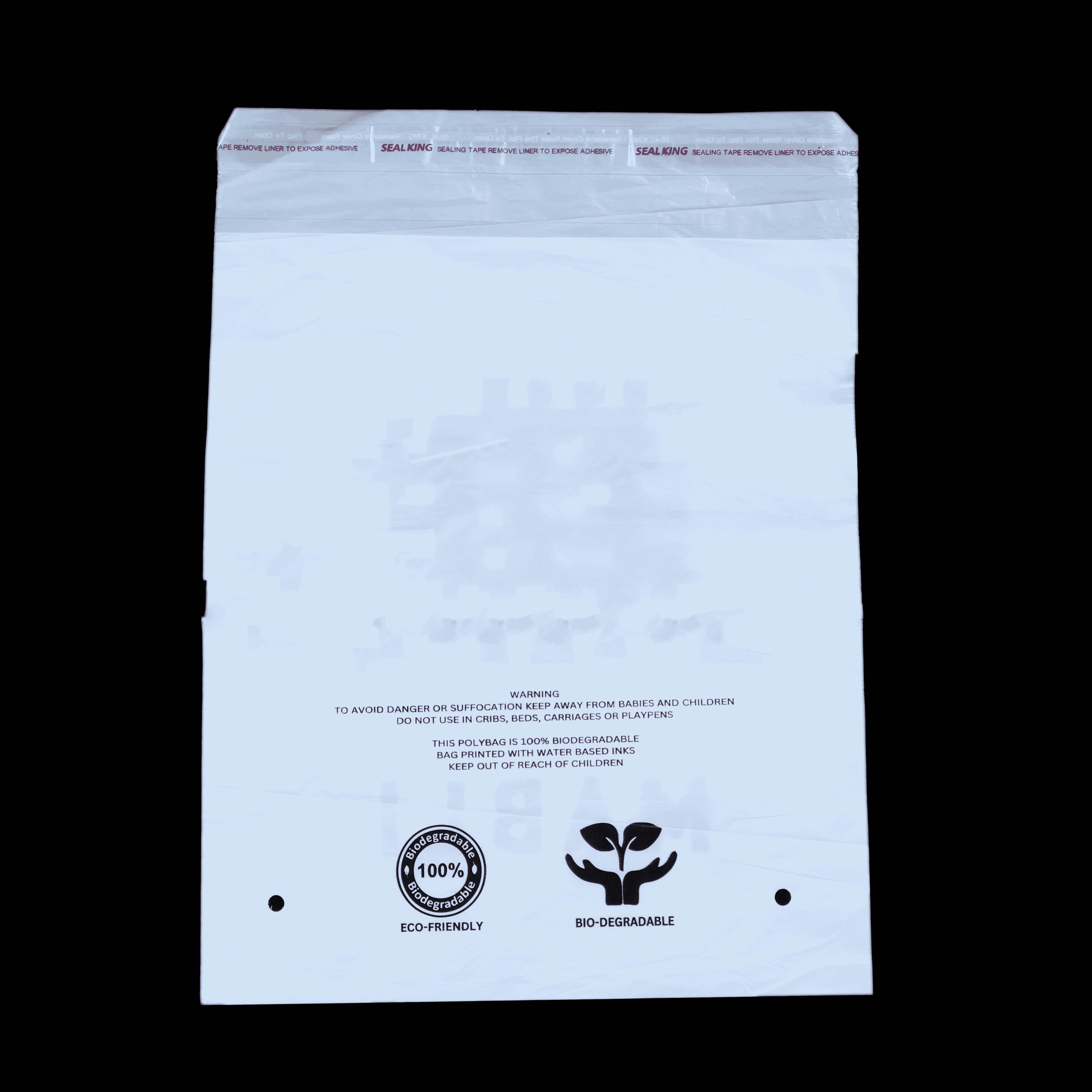
In an era increasingly focused on sustainability, thickness decisions should also consider environmental impact. Thicker bags, while durable, contribute more plastic waste if not properly recycled. Many manufacturers now offer LDPE bags with recycled content or biodegradable options, helping businesses minimize their ecological footprint while maintaining functionality.

Using the right thickness optimizes both material efficiency and recyclability, supporting sustainability goals alongside operational efficiency.

Why Partner with a Professional LDPE Bags Manufacturer?

Selecting the ideal LDPE bag for your specific application requires expertise. A reputable LDPE Bags Manufacturer brings deep knowledge of industry requirements, material science, and advanced production techniques. Working with professionals ensures that you receive bags tailored perfectly to your needs, preventing unnecessary material wastage and optimizing cost efficiency.

Moreover, seasoned manufacturers can provide guidance on compliance with industry standards, ensuring that your packaging solutions meet all necessary health, safety, and environmental criteria. Choosing the right partner simplifies the process, reduces operational risks, and guarantees satisfaction.

Realpackers: Your Trusted LDPE Bags Manufacturer

When it comes to selecting the right thickness and specifications for LDPE bags, Realpackersstands at the forefront of the industry. As a recognized LDPE Bags Manufacturer, Realpackers specializes in providing a wide range of custom and standard LDPE packaging solutions to suit every business’s unique requirements.

Whether you need lightweight options for retail packaging or robust, heavy-duty bags for industrial shipments, Realpackers delivers products crafted to the highest quality standards. Their commitment to precision, innovation, and customer satisfaction makes them the preferred choice for businesses that demand nothing but the best.

Conclusion

Choose Realpackers for Precision, Quality, and Reliability

By choosing Realpackers as your trusted LDPE Bags Manufacturer you’re partnering with a brand that understands the importance of durability, customization, and environmental responsibility. Their comprehensive range of thickness options ensures that every customer finds the perfect fit for their packaging needs, regardless of industry or product type.

Don’t leave your packaging to chance—work with the experts at Realpackers and experience the difference that professional craftsmanship makes in securing and presenting your valuable products.

Is Stretch Wrap Eco-Friendly? Exploring Biodegradable Options

Stretch Wrapping Roll Manufacturers in Chennai

Introduction: The Packaging Predicament

In the ever-growing world of logistics, warehousing, and e-commerce, packaging has taken center stage. Among the essential tools of modern packaging is the stretch wrap—a transparent, plastic film used to tightly secure goods on pallets, keeping them safe during transit and storage. While its functionality is undeniable, the environmental impact of traditional stretch wrap has raised significant concerns.

As the world moves toward sustainability, the key question is: Is stretch wrap eco-friendly? This blog explores the materials, environmental impact, and the evolution of biodegradable stretch wrapping rolls, with a special focus on industry trends and market shifts. We also highlight the role of trusted Stretch Wrapping Roll Manufacturers in promoting environmentally responsible packaging practices.

What Is Stretch Wrap?

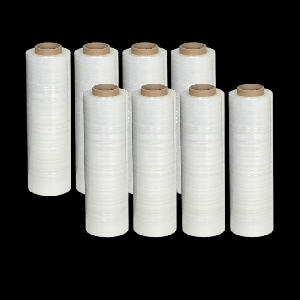
Stretch wrap, also known as stretch film, is a highly stretchable plastic film typically made from linear low-density polyethylene (LLDPE). It is primarily used to bundle items together on pallets for secure shipping. The elasticity of the film allows it to keep items bound tightly without the need for adhesives.

Stretch wrap is used extensively across sectors such as:

  • FMCG and retail
  • Industrial goods
  • Pharmaceuticals
  • E-commerce and warehousing
  • Agriculture and textiles

It comes in various types: machine wrap, hand wrap, UV-resistant films, and anti-static films—each designed for specific applications.

Environmental Impact of Conventional Stretch Wrap

Traditional stretch wrap, while effective in safeguarding goods, contributes heavily to environmental pollution. Here’s why:

  • Made from Fossil Fuels: The base material, LLDPE, is derived from non-renewable fossil fuels. The production process involves significant energy consumption and carbon emissions.
  • Non-Biodegradable: Conventional stretch wrap can take hundreds of years to decompose in landfills, contributing to long-term plastic pollution.
  • Difficult to Recycle: Due to contamination from pallet dust, food residue, or adhesives, used stretch film often becomes unfit for recycling, resulting in a large percentage ending up as waste.
  • Microplastics: As stretch wrap degrades slowly over time, it releases microplastics into the environment, posing a serious threat to ecosystems and marine life.

Rising Demand for Eco-Friendly Alternatives

The global shift towards sustainable business practices has triggered a demand for biodegradable and eco-friendly stretch wrap options. Consumers and companies alike are becoming more conscious of the environmental footprint left behind by their packaging choices.

Key drivers include:

  • Corporate Environmental Responsibility (CER)
  • Government regulations banning single-use plastics
  • Rising consumer preference for green brands
  • Global plastic waste crisis and ocean pollution awareness

Biodegradable Stretch Wrap: What Is It?

Biodegradable stretch wrap is an innovative alternative made from materials that naturally decompose in the environment over time. These films break down via microbial action, reducing their impact on landfills and wildlife.

Common materials used:

  • Polylactic Acid (PLA): Derived from cornstarch or sugarcane.
  • Polyhydroxyalkanoates (PHA): Biodegradable plastics produced by microbial fermentation.
  • Biodegradable polyethylene blends: Include additives that accelerate breakdown.

Benefits:

  • Breaks down into natural compounds (water, carbon dioxide, biomass)
  • Reduces landfill waste
  • Safe for composting (in some cases)
  • Often derived from renewable sources

Challenges in Adopting Biodegradable Stretch Wrap

Despite the advantages, biodegradable stretch films have certain limitations:

  • Cost Factor: Biodegradable materials are often more expensive than conventional plastics due to raw material sourcing and processing techniques.
  • Performance Limitations: Some biodegradable films may not offer the same level of stretch, durability, or puncture resistance as traditional LLDPE films.
  • Composting Requirements: Certain bio-films require industrial composting facilities to break down effectively, which may not be available in all regions.
  • Shelf Life Concerns: Some biodegradable wraps have a shorter shelf life, making them unsuitable for long-term storage applications.

Balancing Performance with Sustainability

Leading Stretch Wrapping Roll Manufacturers are now investing in hybrid solutions—stretch films that combine eco-friendly features with traditional performance standards. These may include:

  • Recyclable stretch films: Designed for multiple uses and easier recycling.
  • Bio-additive enhanced films: Traditional LLDPE films with additives that accelerate degradation under certain conditions.
  • Pre-stretched films: Require less material per pallet, reducing overall plastic usage.
  • High-performance thin films: Reduce plastic consumption while maintaining tensile strength.

Regulatory Push for Eco-Friendly Packaging

Governments across the globe are encouraging (and sometimes mandating) the use of sustainable packaging materials.

In India, the Ministry of Environment has laid down guidelines for reducing single-use plastics, pushing manufacturers to adopt greener alternatives. As a result, companies are under pressure to comply with EPR (Extended Producer Responsibility) norms, making them accountable for the plastic they put into circulation.

This evolving regulatory landscape has placed the spotlight on responsible Stretch Wrapping Roll Manufacturers in Chennai, Bangalore, and other industrial hubs who must now innovate to meet both regulatory demands and customer expectations.

Industry Trends: What the Market Is Saying

Here are some key trends shaping the eco-friendly stretch film landscape:

  • Smart packaging solutions: RFID-enabled wraps that reduce waste through optimized logistics.
  • Closed-loop recycling systems: Encouraging customers to return used stretch film for repurposing.
  • OEM collaborations: Partnering with machine manufacturers to ensure compatibility of eco-films.
  • Educating end-users: Building awareness about proper usage, recycling, and disposal.

Cities like Chennai, Bangalore, and Tiruppur—home to many textile, manufacturing, and export businesses—are at the forefront of this sustainable packaging shift.

Realpackers: Redefining Eco-Conscious Packaging

Among the standout names driving sustainability is Realpackers, a leading Stretch Wrapping Roll Manufacturer in Chennai, with a growing presence in Bangalore and Tiruppur. Known for its customer-centric approach, Realpackers blends cutting-edge technology with green innovations to offer a comprehensive range of stretch films.

Whether it’s recyclable hand wraps or biodegradable machine films, Realpackers is committed to reducing the carbon footprint of packaging without compromising quality. Their R&D team is constantly exploring plant-based polymers and sustainable additives to create next-generation solutions.

Realpackers and the Southern Packaging Revolution

Operating as a major Stretch Wrapping Roll Manufacturer in Bangalore,Realpackers supports large-scale industrial and e-commerce clients in transitioning to more sustainable packaging. Their pre-stretched eco-films are gaining popularity for offering high cling strength with lower plastic usage—ideal for companies looking to reduce their environmental impact.

Furthermore, as a reliable Stretch Wrapping Roll Manufacturer in Tiruppur, Realpackers caters extensively to the textile and garment industries. They provide specialized wraps that safeguard fabric rolls during shipping while offering an eco-friendlier alternative to conventional stretch film.

With strategic manufacturing units and an efficient distribution network, Realpackers ensures timely supply, exceptional quality, and sustainability across sectors.

Conclusion: Is Stretch Wrap the Villain or a Potential Hero?

The environmental concerns around traditional stretch film are legitimate. However, with technological innovation and responsible manufacturing, stretch wrap doesn’t have to be the villain in the sustainability story.

Thanks to forward-thinking Stretch Wrapping Roll Manufacturers in Chennai Bangalore, and Tiruppur, the packaging landscape is evolving. Brands like Realpackers are not just offering a product—they’re offering a promise: a promise of durability, reliability, and eco-consciousness.

In the years to come, eco-friendly stretch wrapping solutions will become the norm rather than the exception, ensuring that our goods are not just well-packaged but responsibly wrapped for a better planet.

LDPE vs. HDPE Bags: Which One Should Your Business Use?

LDPE vs. HDPE Bags: Which One Should Your Business Use?

When choosing the right type of plastic bags for your business, it’s essential to understand the differences between LDPE (Low-Density Polyethylene) bags and HDPE (High-Density Polyethylene) bags. Both materials serve various purposes across industries, but selecting the best option depends on factors such as durability, flexibility, cost, and environmental impact.

If your business operates in sectors such as garments, food packaging, retail, or manufacturing, understanding the advantages and applications of LDPE and HDPE bags can help you make an informed choice. Whether you are looking for an LDPE bags manufacturer in Chennai, Bangalore, or Tiruppur, this guide will help you decide which material best suits your business needs.

What Are LDPE Bags?

LDPE bags are made from low-density polyethylene, a flexible and lightweight plastic material. LDPE is known for its soft, transparent, and glossy appearance, making it a popular choice for packaging products that require an appealing and protective covering.

Key Characteristics of LDPE Bags:

  • Highly flexible and stretchable
  • Soft and smooth texture
  • Water-resistant and durable
  • High clarity and transparency
  • Resistant to chemical corrosion
  • Reusable and recyclable

Common Uses of LDPE Bags

LDPE bags are widely used across various industries due to their versatility and aesthetic appeal. Some popular applications include:

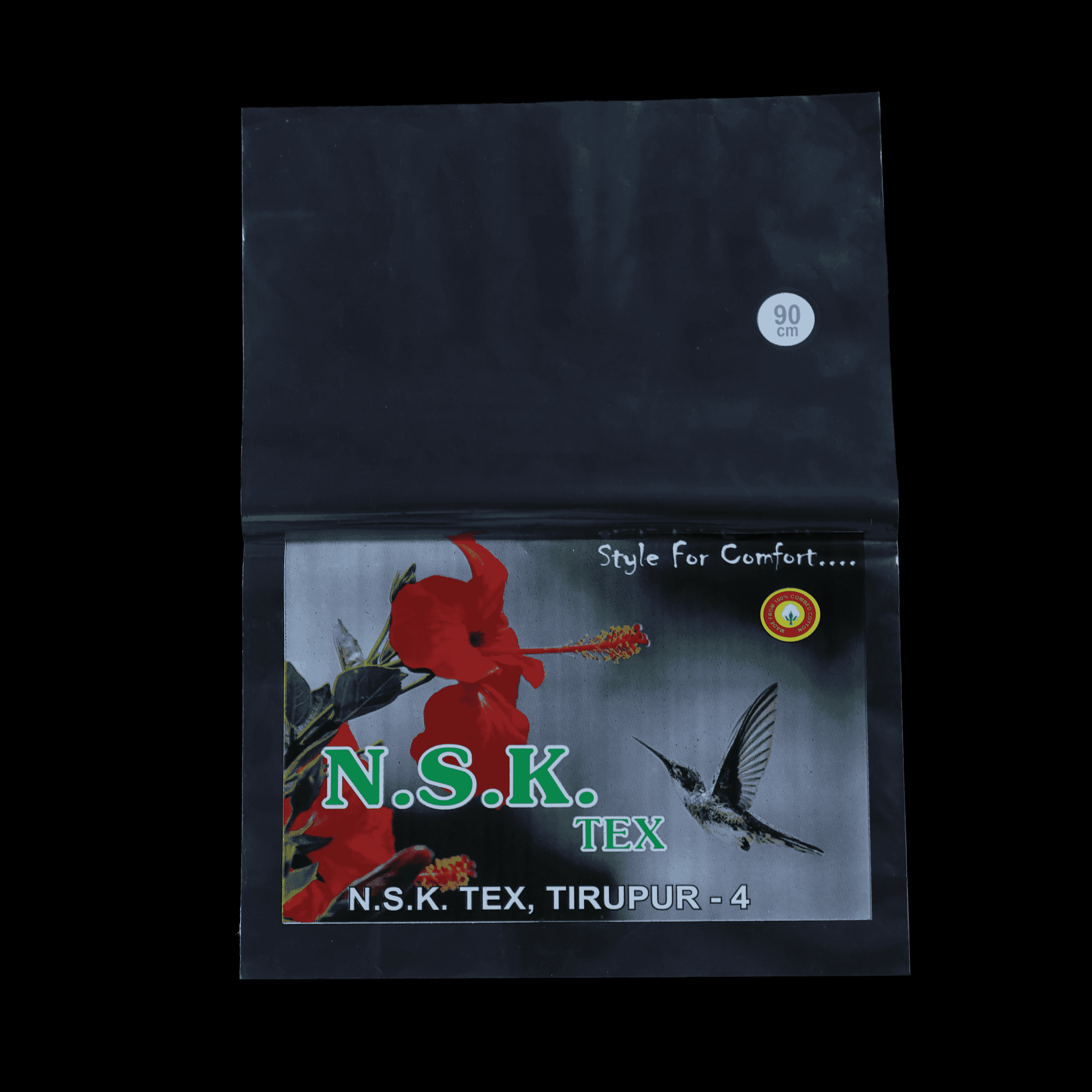
  • Garment Industry: LDPE bags for garments are used for packaging shirts, trousers, sarees, and other clothing items. Their clear appearance enhances product presentation.
  • Food Packaging: Ideal for frozen foods, bakery items, and fresh produce due to their moisture-resistant properties.
  • Retail & E-commerce: Frequently used for shopping bags, product packaging, and promotional branding.
  • Medical & Pharmaceuticals: Used for sterile packaging to protect sensitive items from contamination.

Benefits of Choosing LDPE Bags for Your Business

  • Better Aesthetic Appeal: Their glossy and transparent finish improves product visibility.
  • Superior Flexibility: More stretchable than HDPE, reducing chances of tearing.
  • Moisture Resistance: Helps keep products dry and protected.
  • Eco-Friendly Options Available: Recyclable and reusable, making them a more sustainable option.

Businesses looking for high-quality LDPE bags for garments and retail purposes can source them from trusted LDPE bag manufacturers in Chennai, Bangalore, and Tiruppur.

What Are HDPE Bags?

HDPE bags are made from high-density polyethylene, a tougher and more rigid plastic compared to LDPE. These bags are lightweight yet extremely strong, making them ideal for carrying heavy loads without stretching or breaking.

Key Characteristics of HDPE Bags:

  • High strength and rigidity
  • Matte, slightly textured appearance
  • Lightweight yet highly durable
  • Resistant to moisture, chemicals, and grease
  • Cost-effective and economical

Common Uses of HDPE Bags

Due to their strength and resistance to wear and tear, HDPE bags are commonly used in:

  • Grocery & Supermarket Bags: Used for carrying vegetables, meat, dairy products, and packaged goods.
  • Industrial & Bulk Packaging: Used in cement bags, fertilizer bags, and chemical packaging.
  • Garbage & Waste Bags: Due to their tear-resistant properties, they are used for trash disposal and medical waste management.
  • Retail & Takeaway Packaging: Commonly used in food delivery, takeaway packaging, and departmental stores.

Benefits of Choosing HDPE Bags for Your Business

  • Stronger & More Durable: Can carry heavier loads without stretching or breaking.
  • Cost-Effective: Generally cheaper than LDPE, making them a budget-friendly choice for bulk purchases.
  • Chemical & Grease Resistance: Ideal for food-related businesses and industrial applications.
  • Lightweight & Space-Saving: Requires less storage space and is easy to transport.

Which One Should Your Business Use?

The choice between LDPE and HDPE bags depends on your industry requirements and packaging needs.

If your business deals with garments, premium product packaging, or branding, LDPE bags are the best choice due to their transparency, flexibility, and premium feel.

If you require heavy-duty, cost-effective bags for carrying bulk items, groceries, or industrial packaging, HDPE bags are a better option due to their strength and durability.

For businesses looking for LDPE bags manufacturers in Chennai, Bangalore, and Tiruppur, sourcing from a reliable supplier ensures quality and consistency in packaging materials.

Sustainability Considerations

With growing concerns about plastic pollution, businesses should consider eco-friendly alternatives and responsible disposal methods.

How to Make a Sustainable Choice:

  • Opt for Recyclable Bags: Both LDPE and HDPE bags are recyclable, but ensuring they are collected and processed properly is key.
  • Use Recycled Plastic Materials: Some manufacturers produce bags from recycled LDPE and HDPE to minimize waste.
  • Biodegradable Options: Some manufacturers offer biodegradable LDPE bags that break down faster in the environment.

By choosing a reputable LDPE bags manufacturer in Chennai , Bangalore, or Tiruppur, businesses can ensure they are getting high-quality, sustainable packaging solutions.

Conclusion

When deciding between LDPE and HDPE bags, it’s crucial to evaluate your specific business needs. If you require flexibility, clarity, and premium appeal, LDPE bags are the ideal choice. On the other hand, if you prioritize strength, durability, and cost-effectiveness, HDPE bags will serve your business better.

For businesses in the garment industry, LDPE bags for garments provide a perfect blend of aesthetics and functionality. Meanwhile, for supermarkets, industrial packaging, and waste management, HDPE bags offer superior strength and cost savings.

Partnering with a trusted LDPE bags manufacturer in Chennai , Bangalore, or Tiruppur will ensure that you receive the best quality packaging suited for your business needs. Making an informed choice today will not only improve operational efficiency but also contribute to sustainable business practices.

Why Every E-Commerce Business Needs an Advanced Box Wrapping Machine Today

BOPP Bags vs. Traditional Plastic Bags: Which Is Better for Your Business?

As businesses strive for sustainability and cost-effectiveness, choosing the right packaging material is crucial. In the packaging industry, BOPP bags (Biaxially Oriented Polypropylene bags) have gained significant popularity over traditional plastic bags. But which option is better for your business? This article compares BOPP bags and traditional plastic bags, examining their benefits, durability, environmental impact, and cost-effectiveness.

What Are BOPP Bags?

BOPP bags are made from biaxially oriented polypropylene, a type of thermoplastic polymer that offers high tensile strength, clarity, and durability. These bags are widely used in industries such as food packaging, agriculture, textiles, and retail. Companies looking for high-quality packaging solutions can source them from a BOPP bags manufacturer in Chennai , Tiruppur, or Bangalore.

Key Features of BOPP Bags:

  • High durability and resistance to tearing
  • Water and moisture-resistant properties
  • Excellent printability for branding
  • Lightweight yet strong structure
  • Recyclable and environmentally friendly options available

What Are Traditional Plastic Bags?

Traditional plastic bags are commonly made from polyethylene (PE) or polypropylene (PP). They are widely used for shopping, grocery stores, and retail packaging. While they have been the standard for decades, concerns about their environmental impact have led businesses to explore alternatives like BOPP bags.

Key Features of Traditional Plastic Bags:

  • Lightweight and flexible
  • Low-cost production
  • Available in various sizes and designs
  • Single-use and often non-biodegradable
  • Limited durability and prone to tearing

Comparison: BOPP Bags vs. Traditional Plastic Bags

1. Durability and Strength

BOPP Bags:

  • Highly durable and resistant to tears and punctures
  • Can handle heavy loads without breaking
  • Ideal for packaging bulk items like grains, fertilizers, and animal feed

Traditional Plastic Bags:

  • Less durable and prone to tears
  • Not suitable for heavy or sharp-edged items
  • Often require double-bagging for added strength

2. Environmental Impact

BOPP Bags:

  • More sustainable than traditional plastic bags
  • Recyclable and reusable
  • Requires proper disposal methods to prevent pollution

Traditional Plastic Bags:

  • Major contributor to plastic pollution
  • Non-biodegradable and takes hundreds of years to decompose
  • Often banned or restricted in many regions due to environmental concerns

3. Branding and Aesthetic Appeal

BOPP Bags:

  • Excellent printability with high-quality graphics
  • Enhances brand visibility and product presentation
  • Used by premium brands for attractive packaging

Traditional Plastic Bags:

  • Limited print quality and branding potential
  • Prone to fading and tearing, reducing brand appeal

4. Cost-Effectiveness

BOPP Bags:

  • Slightly higher production cost but offers long-term benefits
  • Durable nature reduces packaging waste
  • Enhances brand value and customer perception

Traditional Plastic Bags:

  • Lower upfront costs but requires frequent replacement
  • Environmental penalties or bans may increase overall costs

5. Water and Moisture Resistance

BOPP Bags:

  • Highly resistant to water and moisture
  • Protects contents from external factors
  • Ideal for food, agricultural, and industrial packaging

Traditional Plastic Bags:

  • Can be waterproof but lacks the same strength as BOPP bags
  • Prone to leaks and damage under pressure

6. Applications in Various Industries

BOPP Bags:

  • Used in food packaging, textiles, agriculture, and industrial sectors
  • Preferred by businesses looking for sustainable packaging solutions
  • Sourced from leading BOPP bags manufacturers in Chennai, Tiruppur, and Bangalore

Traditional Plastic Bags:

  • Common in retail, supermarkets, and grocery stores
  • Suitable for short-term use but lacks long-term value

Why Businesses Should Choose BOPP Bags

With increasing concerns about sustainability and environmental responsibility, businesses must make smart choices in packaging. Here’s why BOPP bags are a better option:

  • Eco-Friendly Alternative: Unlike traditional plastic bags, BOPP bags can be recycled and reused, reducing environmental impact.
  • Enhanced Branding: Businesses can leverage high-quality printing on BOPP bags to create visually appealing packaging that attracts customers.
  • Better Customer Experience: Sturdy and durable packaging enhances customer satisfaction, ensuring products remain intact during transport.
  • Long-Term Cost Savings: Although the initial investment is slightly higher, BOPP bags offer durability, reducing the need for frequent replacements.

Conclusion

When choosing between BOPP bags and traditional plastic bags, businesses should consider durability, environmental impact, branding potential, and cost-effectiveness. BOPP bags offer superior strength, sustainability, and branding opportunities, making them the preferred choice for modern businesses.

Companies looking for high-quality BOPP bags in Chennai , Tiruppur, or Bangalore should partner with reliable manufacturers to ensure the best packaging solutions. By switching to BOPP bags, businesses can enhance product presentation, reduce environmental impact, and improve customer satisfaction.

BOPP Bags vs. Traditional Plastic Bags: A Smart Choice for Packaging Solutions

Introduction

When it comes to packaging, businesses are always on the lookout for cost-effective, durable, and visually appealing solutions. Traditional plastic bags have long been a go-to option, but in recent years, Biaxially Oriented Polypropylene (BOPP) bags have emerged as a superior alternative. If you are searching for a BOPP Bags Manufacturer in Chennai, Tiruppur, or Bangalore, understanding the benefits of BOPP bags versus traditional plastic bags can help you make an informed decision.

In this blog, we will compare BOPP bags and traditional plastic bags in terms of durability, eco-friendliness, cost-effectiveness, and branding opportunities.

What Are BOPP Bags?

BOPP bags are made using a polypropylene film that undergoes biaxial stretching, which enhances its strength, transparency, and resistance to wear and tear. These bags are often used for packaging food products, textiles, fertilizers, pet food, and more. Businesses looking for reliable BOPP Bags Manufacturers in Tiruppur, Bangalore, and Chennai can benefit from their versatility and superior quality.

What Are Traditional Plastic Bags?

Traditional plastic bags are typically made from polyethylene (PE) or polypropylene (PP). They are commonly used for grocery shopping, retail stores, and general packaging. While they are inexpensive and widely available, they come with several drawbacks, including environmental concerns and lower durability.

Key Comparisons: BOPP Bags vs. Traditional Plastic Bags

1. Durability and Strength

  • BOPP Bags: Highly durable, resistant to punctures, moisture, and UV exposure. These features make them ideal for businesses that need long-lasting and high-quality packaging.
  • Traditional Plastic Bags: Less durable and prone to tearing, making them unsuitable for heavy or sharp-edged products.

2. Eco-Friendliness

  • BOPP Bags: While made of plastic, BOPP bags are recyclable and have a longer lifespan, reducing overall plastic waste. They also contribute to sustainable packaging solutions.
  • Traditional Plastic Bags: Often non-recyclable or single-use, leading to severe environmental pollution.

3. Cost-Effectiveness

  • BOPP Bags: Although slightly more expensive than traditional plastic bags, their durability and reusability make them a cost-effective choice in the long run.
  • Traditional Plastic Bags: Cheaper upfront but may lead to higher costs due to frequent replacements and environmental concerns.

4. Branding and Customization

  • BOPP Bags: Offer high-quality printing, vibrant colors, and glossy or matte finishes, enhancing brand visibility and appeal.
  • Traditional Plastic Bags: Limited printing quality and dull appearance, making them less effective for branding.

5. Product Safety and Protection

  • BOPP Bags: Provide excellent protection against moisture, dust, and external damage, keeping products fresh and intact.
  • Traditional Plastic Bags: Offer minimal protection, especially in harsh environmental conditions.

Why Should Businesses Choose BOPP Bags?

If you are in industries such as textiles, food, or agriculture, opting for BOPP bags can provide significant advantages:

  • Enhanced durability ensures product safety.
  • Eco-friendly and recyclable properties reduce environmental impact.
  • Superior printing quality helps in better branding and marketing.
  • Moisture resistance preserves product quality.

Many BOPP Bags Manufacturer in Chennai , Tiruppur, and Bangalore offer customized solutions, allowing businesses to create unique and attractive packaging tailored to their needs.

Conclusion

When comparing BOPP bags and traditional plastic bags, BOPP bags clearly offer more benefits in terms of strength, eco-friendliness, branding, and overall cost-effectiveness. If your business is looking for high-quality packaging solutions, it is best to partner with a trusted BOPP Bags Manufacturer in Chennai , Tiruppur, or Bangalore to get customized and durable packaging solutions.

By making the switch to BOPP bags, businesses can enhance their brand image, reduce environmental impact, and ensure product safety—all while enjoying long-term cost savings.

If you’re interested in finding the best BOPP bags for your business, get in touch with a reliable BOPP Bags Manufacturer in your city today!