

BOPP Bags: Your Packaging as a Silent Salesman

BOPP Bags Manufacturer in India | High-Quality Printed BOPP Bags

How the Right Garment Bag Does More Than Protect Your Product

Think about the last time you received a well packaged product. The bag was clear. The print was sharp. The brand name stood out. Before you even opened it, you already felt something about that brand. That feeling is not an accident. It is designed to work the way it should.

In the garment industry, most manufacturers spend months perfecting fabric quality, stitching standards, and finishing. Then they pack everything into a plain, forgettable bag. That is where the customer’s first impression either lands or disappears.

BOPP bags change that equation entirely.

1. What Exactly Is a BOPP Bag

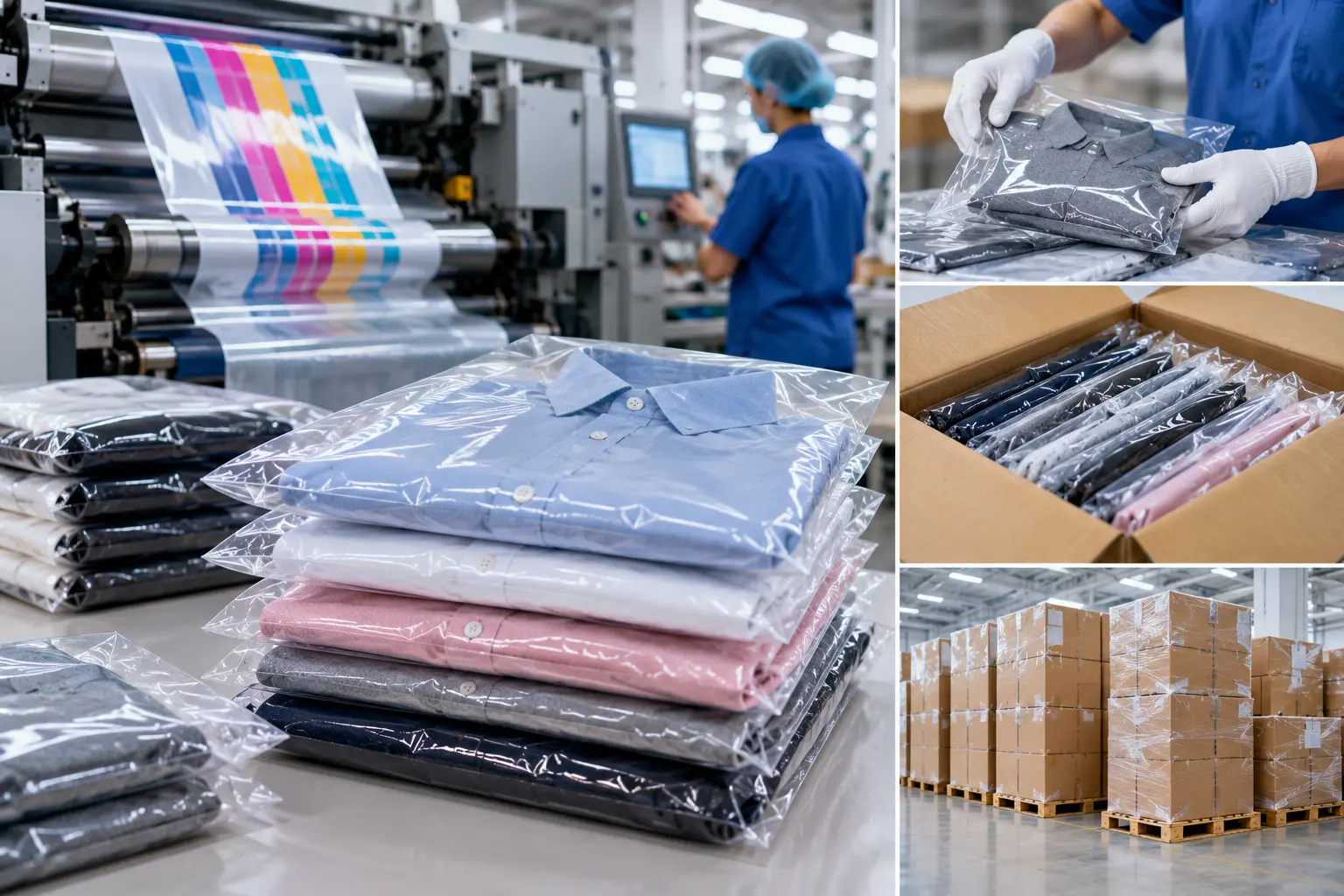
BOPP stands for Biaxially Oriented Polypropylene. The name sounds technical but what it means in practice is simple. The film is stretched in two directions during manufacturing, which makes it stronger, clearer, and more resistant to moisture than a regular polybag.

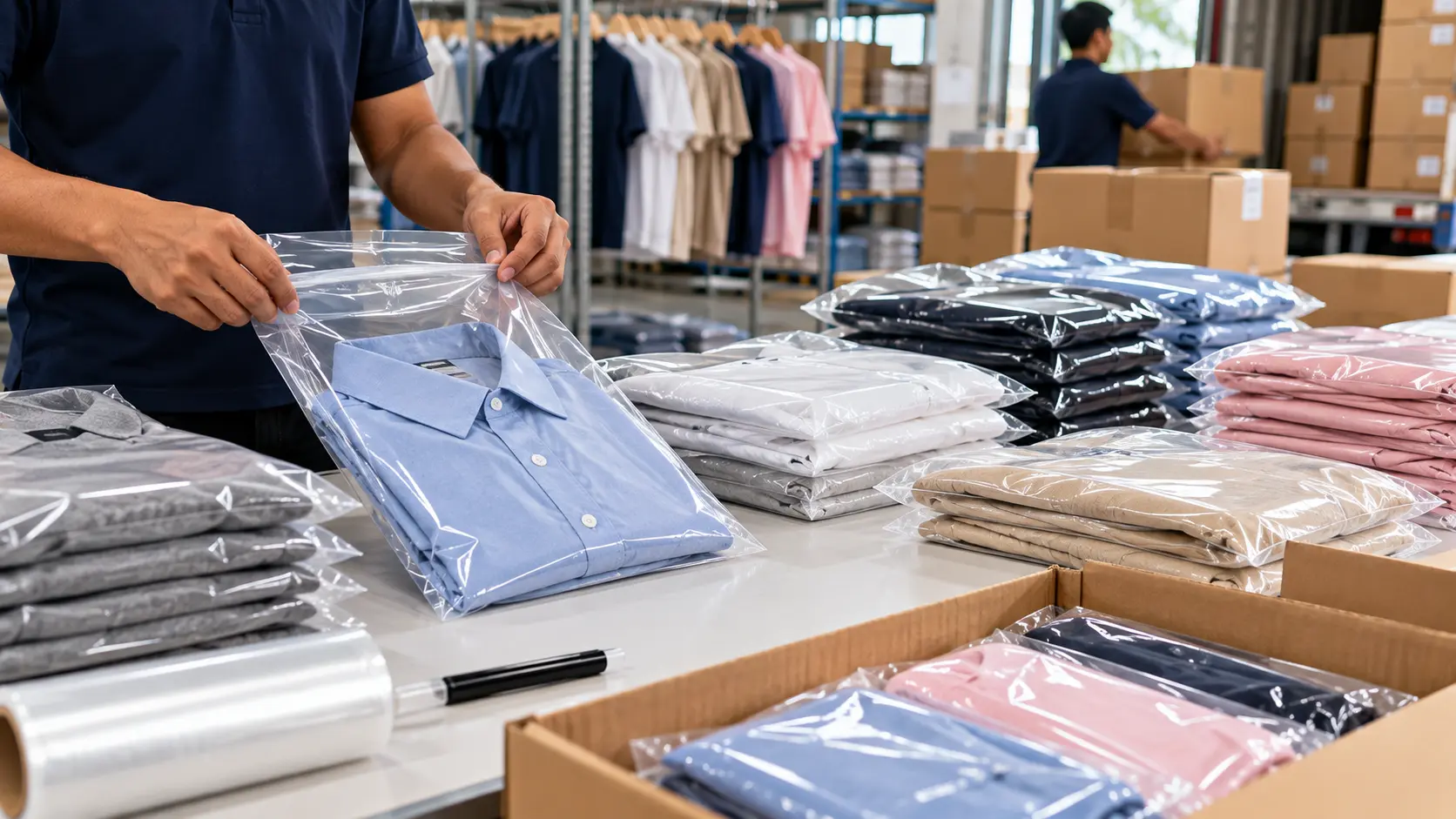
The result is a bag that looks almost glass-like in clarity, carries print beautifully, and holds its shape through handling, transit, and retail display.

Properties that make BOPP bags stand out:

Exceptional surface clarity that makes the product visible through the bag

High tensile strength that protects garments from tearing or damage during packing

Moisture and dust resistance that keeps garments in showroom condition

Smooth surface that accepts high resolution multi-colour printing cleanly

Lightweight construction that does not add unnecessary cost or weight to shipments

For garment manufacturers, these are not just technical benefits. They translate directly into how a product looks on a shelf, inside a mailer box, or in the hands of an end customer.

2. The Silent Salesman Concept

Every physical touchpoint between your brand and your customer is a sales opportunity. Most brands think about this for their product design and their website. Very few think about it for their packaging.

A BOPP bag works as a silent salesman in three specific situations.

The first is at retail. When your garment is displayed in a store, the bag is visible before the product is. A printed BOPP bag with your logo, brand colours, and care symbols tells the retailer and the customer that this is a brand that pays attention to detail.

The second is at the point of unboxing. In the age of social media, unboxing has become a genuine marketing moment. When a customer receives a sharply printed, premium-looking bag inside their delivery, it reinforces the purchase decision they already made. It gives them something worth showing.

The third is at repeat purchase. Packaging memory is real. When a customer remembers the look and feel of a brand’s packaging, it makes the next purchase easier to choose. A plain bag leaves nothing behind. A well branded BOPP bag leaves a visual impression.

3. What You Can Print on a BOPP Bag

This is where BOPP bags separate themselves from every other garment packaging option. The printing possibilities are wide and the results are consistently sharp.

Elements you can include on a BOPP garment bag:

Brand logo in full colour with no colour bleeding or fading

Tagline or brand message that speaks to the customer directly

QR code linking to your website, size guide, or social media

Care instructions and fabric composition printed directly on the bag

Size and product reference details for retail sorting efficiency

Country of origin and export compliance details for international markets

When printing is done with 8 to 10 colour capacity, the result looks closer to a product label than a packaging bag. That level of detail is what separates brands that look established from brands that look like they are still figuring it out.

4. Where BOPP Bags Work Best in the Garment Industry

Not every garment needs BOPP packaging. But for certain products and markets, it is the obvious choice.

BOPP bags are the right fit for:

Branded retail garments where shelf presence matters

Export shipments to premium buyers who evaluate packaging as part of quality audits

D2C brands fulfilling online orders where the unboxing experience drives reviews

Innerwear and knitwear that need moisture protection over longer storage periods

High-end fashion labels where packaging is considered part of the product experience

If your business falls into any of these categories and you are still using plain polybags, you are leaving brand equity on the table with every shipment you send.

5. BOPP vs Regular Polybag: A Practical Comparison

Many manufacturers hesitate to switch from regular polybags because they assume the cost difference is significant. The reality is more nuanced.

A regular polybag protects your garment and does nothing else. It is invisible to the customer as a brand touchpoint. It adds no value beyond containment.

A BOPP bag protects your garment and simultaneously communicates your brand, builds customer recognition, differentiates your product on the shelf, and can reduce the need for additional paper inserts or swing tags because the information is printed directly on the bag.

When you look at it that way, the cost comparison changes. You are not just comparing bag prices. You are comparing the full cost of packaging and the marketing value it delivers.

6. Common Mistakes to Avoid When Ordering BOPP Bags

Garment manufacturers who are new to BOPP packaging sometimes make ordering mistakes that affect the final result. Knowing these in advance saves time and rework.

Mistakes worth avoiding:

Ordering without confirming the correct micron thickness for your garment weight

Submitting low resolution logo files that print blurry at bag dimensions

Not ordering samples before committing to a large production run

Choosing incorrect bag dimensions that stretch the garment or leave excess space

Ignoring gusset requirements for thicker or bulkier garment types

A good supplier will walk you through each of these before production begins. If a supplier skips these questions, that tells you something important about their process.

7. Why the Choice of BOPP Bags Manufacturer Determines Your Output Quality

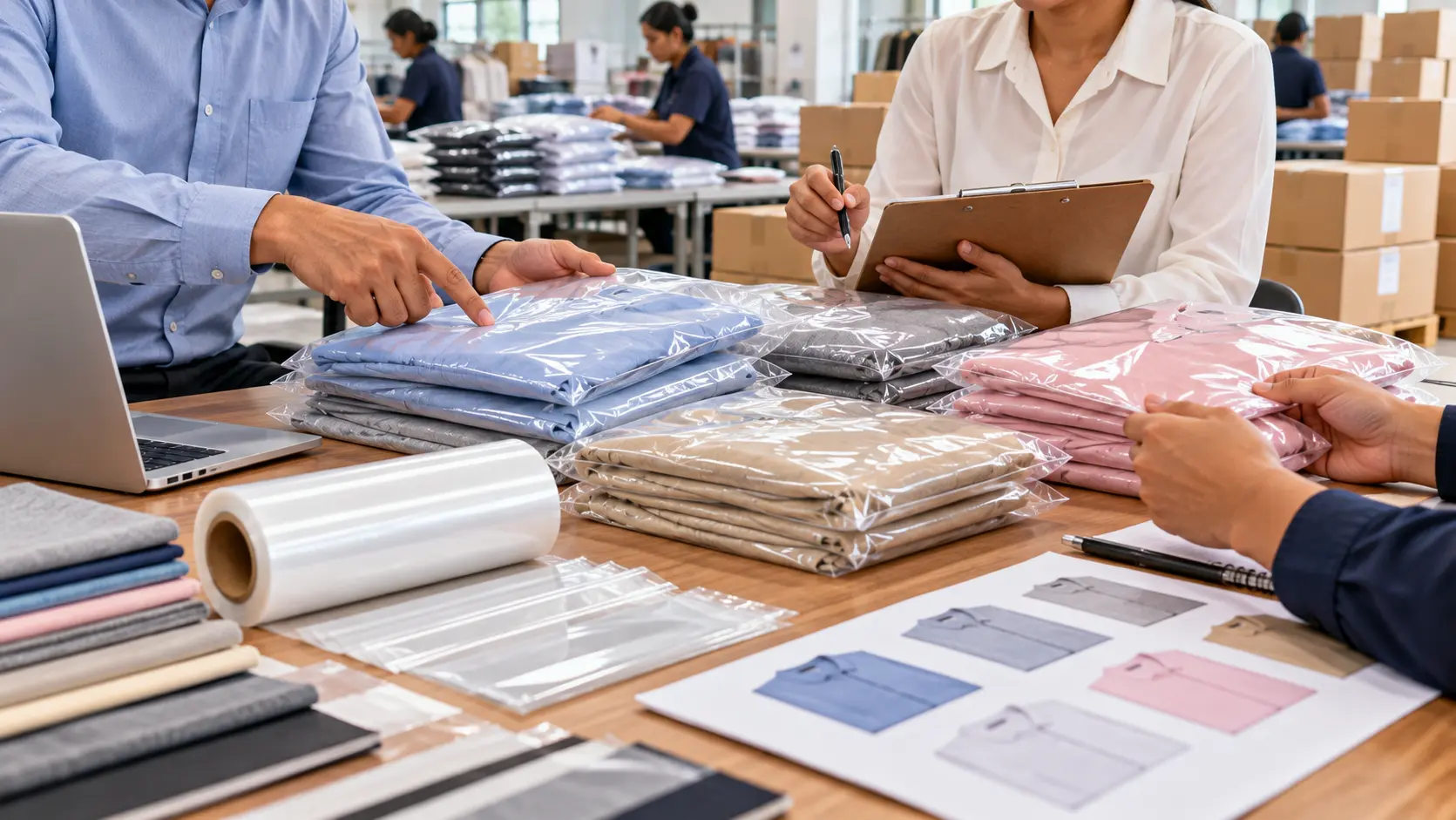
Two factories can produce BOPP bags using the same material and the print results can look completely different. The difference is not the bag. It is the machine calibration, the ink quality, the film sourcing, and the operator experience behind the production.

Choosing the right BOPP Bags Manufacturer affects:

Print colour accuracy across large batch runs

Consistency of bag dimensions from the first piece to the last

Surface finish quality that determines how premium the bag looks and feels

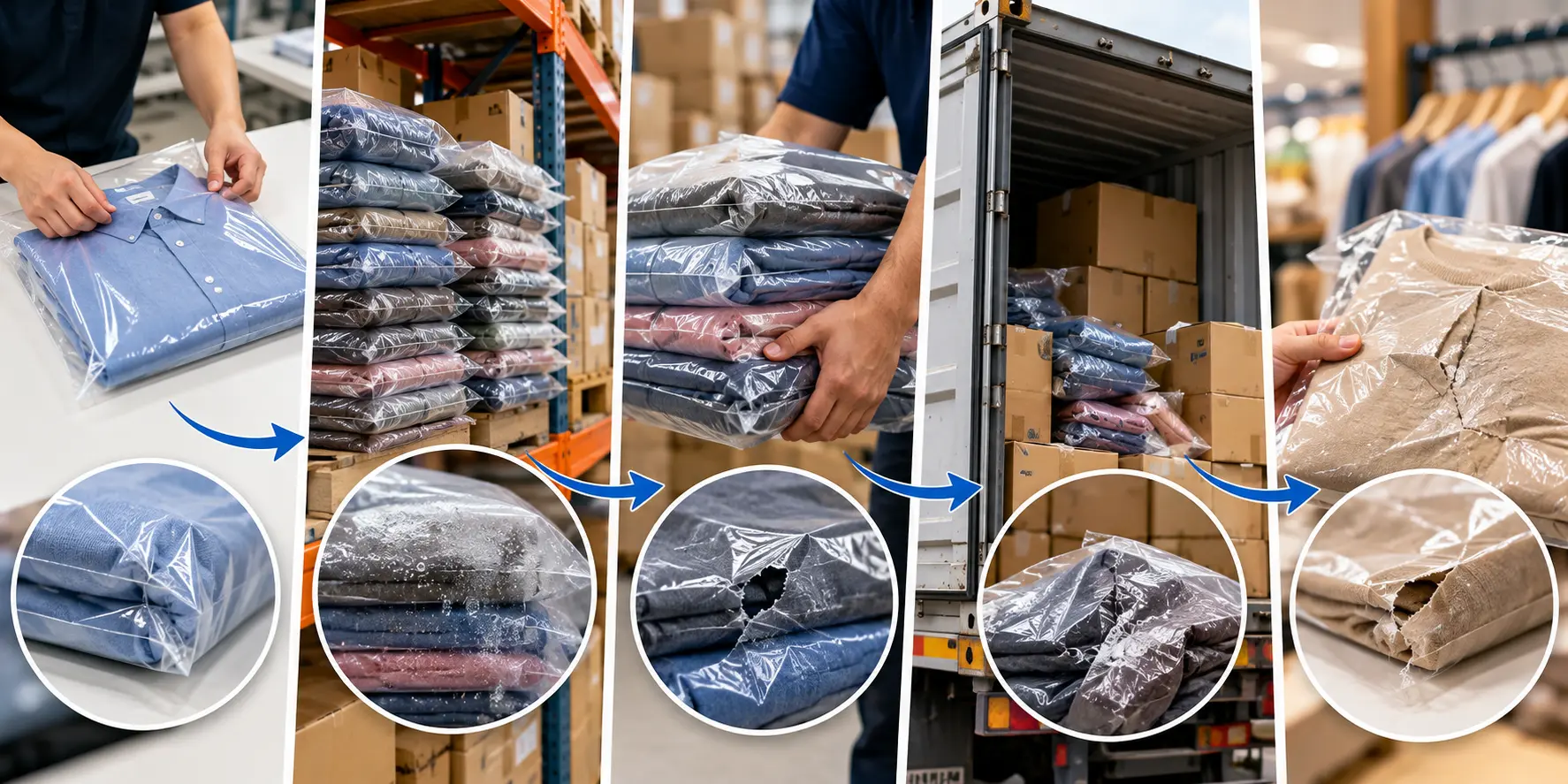
Seal integrity that protects the garment through the full logistics journey

Lead times and minimum order quantities that fit your production schedule

A manufacturer with proven garment industry experience understands that your packaging represents your brand. They treat every run accordingly.

8. What to Ask Before Placing a BOPP Bag Order

Before committing to any manufacturer, these questions will help you assess whether they are the right fit.

Ask your supplier:

What is the maximum number of print colours available?

Can you provide a printed sample before the full production run?

What micron options are available for different garment types?

What is the minimum order quantity for custom printed bags?

Can you handle both zipper and non-zipper bag styles?

What are your lead times for repeat orders?

The answers reveal how experienced and how prepared the supplier is to handle your specific requirements.

9. How Real Packers Delivers as a BOPP Bags Manufacturer

Real Packers has been producing high quality packaging solutions since 1997. As an experienced BOPP Bags Manufacturer based in Tirupur, they work directly with garment exporters, retail brands, and D2C businesses who need packaging that performs on every level.

What sets Real Packers apart:

Printing capacity of up to 8 to 10 colours for sharp, brand accurate output

Custom sizing across a wide range of garment types including knitwear, woven, and innerwear

Sample approval process before every bulk production run

Consistent quality across large order volumes with no drop in print accuracy

Direct manufacturer pricing that removes middlemen from your supply chain

10. Getting Started with Real Packers

Working with Real Packers as your BOPP Bags Manufacturer is designed to be straightforward from the first conversation.

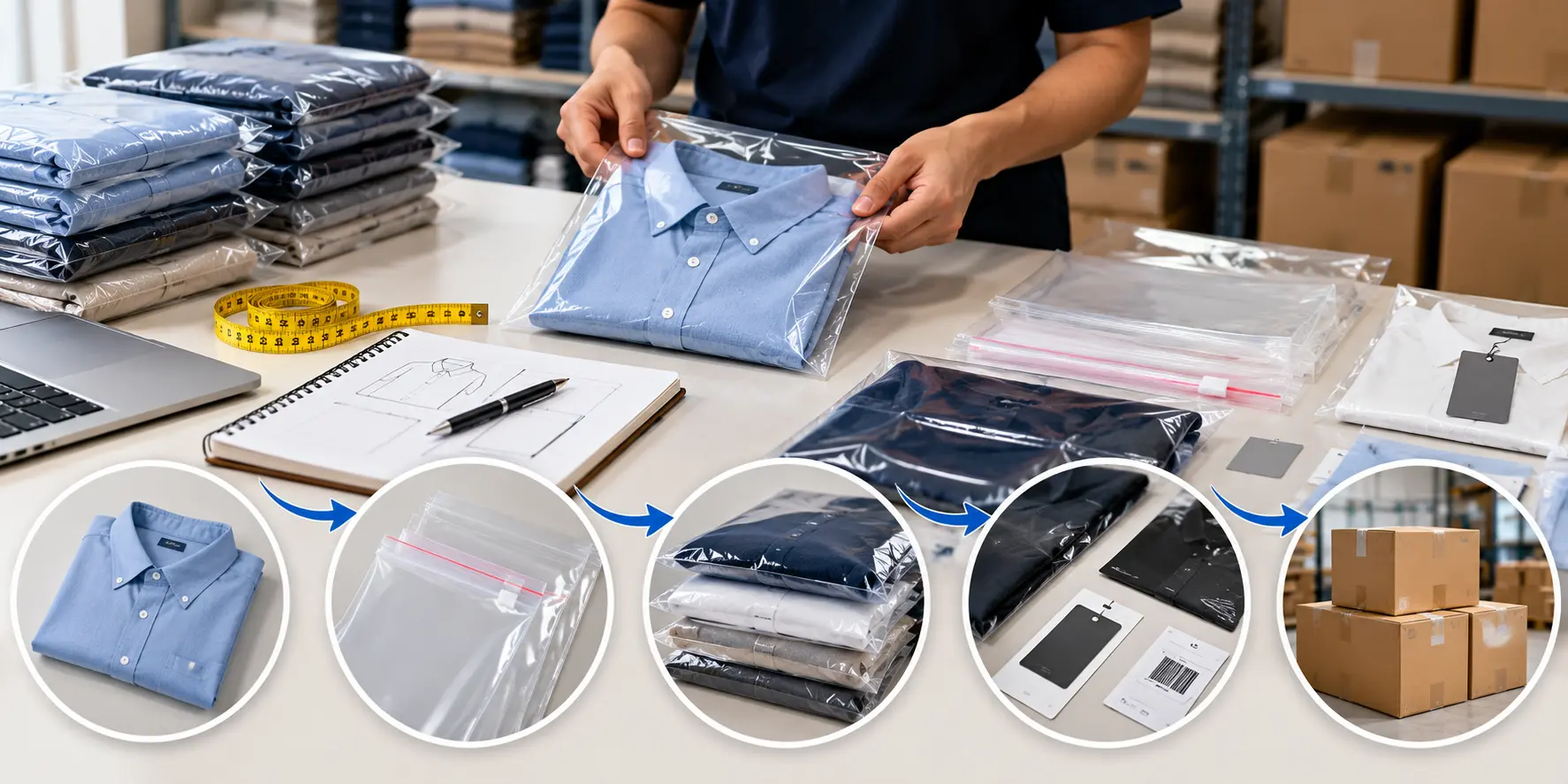
The process works like this:

Share your garment dimensions, bag style preference, and logo files

Receive a sample with your print applied for approval

Confirm specifications and place your production order

Receive consistent quality delivery with full after-order support

Real Packers serves clients across Tirupur, Chennai, and Bangalore and is equipped to handle both first-time orders and high volume repeat requirements.

Conclusion

Your product deserves packaging that works as hard as the people who made it. A BOPP bag is not just a wrapper. It is a brand communication tool that speaks to your customer before a single word is read or a single seam is examined.

The garment brands that understand this are already using their packaging as a competitive advantage. They are winning shelf space, earning repeat customers, and building brand recognition without spending extra on advertising.

The right BOPP Bags Manufacturer makes all of this possible without complexity. Real Packers brings the experience, the print capability, and the garment industry knowledge to make your packaging work as your most consistent and cost effective salesman.

Reach out to Real Packers today and let your packaging start doing more for your brand.

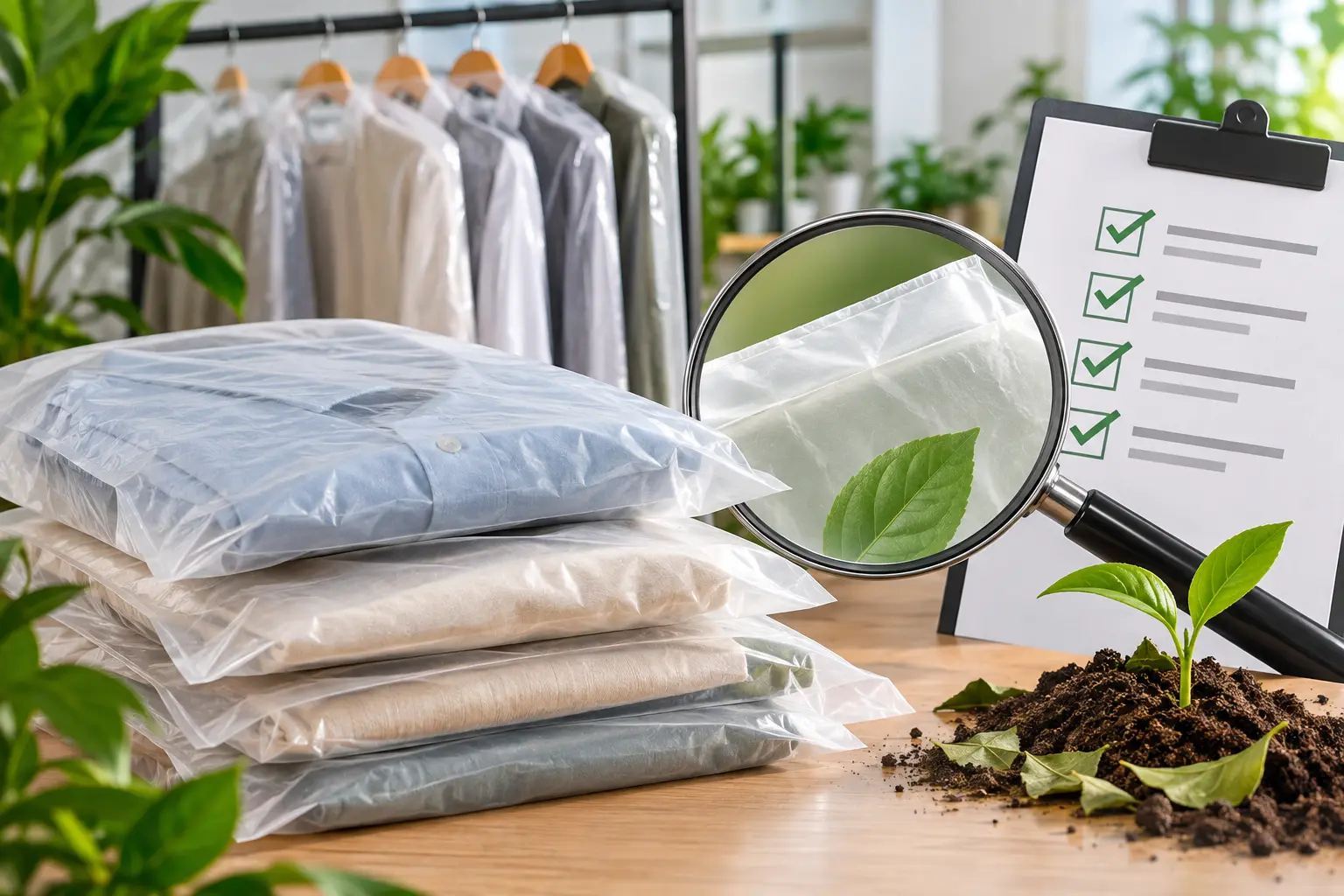
Why Exporters Are Switching to Compostable Bags

Top Compostable Bags Supplier and Manufacturer in India

Why Exporters Are Switching to Compostable Bags

Something is changing quietly across garment factories in Tirupur, Chennai, and Bangalore. Factories that once ordered plain polybags by the truckload are now asking a different question. They are asking which bag will help them keep their export orders, not just wrap their products.

The shift is real, it is accelerating, and it is being driven by something far bigger than a trend. It is being driven by law.

1. The Regulation That Is Changing Everything

In February 2025, the European Union officially enacted the Packaging and Packaging Waste Regulation, known as EU PPWR 2025/40. This regulation replaces decades old packaging rules with stricter, enforceable standards.

The key deadline every Indian exporter must know is August 12, 2026. From that date, all packaging entering the EU market must comply with new recyclability, sustainability, and labelling requirements.

What this means practically:

Single use plastic packaging faces increasing restrictions

All packaging must move toward recyclable or compostable alternatives

Exporters must be able to provide documentation proving their packaging meets EU standards

Non-compliant packaging can result in orders being refused at customs or contracts being cancelled

This is not a future possibility. It is an active timeline that is already affecting buying decisions in European fashion and retail supply chains today.

2. How European Buyers Are Already Responding

Garment buyers in Germany, France, the UK, and Scandinavia have started adding packaging compliance clauses to their purchase orders. Some have gone further and introduced ESG scorecards where a supplier’s packaging choices directly affect their preferred vendor status.

What buyers are asking for today:

Proof that garment packaging is compostable or recyclable

Certification numbers from recognised standards bodies

Samples of eco friendly packaging before bulk orders are placed

Brand aligned packaging that reflects their sustainability commitments

A garment factory in Tirupur with excellent product quality but non-compliant packaging is now at risk of losing orders to a competitor who has made the switch. The packaging decision is no longer separate from the sales decision.

3. Biodegradable vs Compostable: A Difference That Matters

Many exporters use these two words interchangeably. EU buyers do not. Understanding the difference protects you from making a costly mistake.

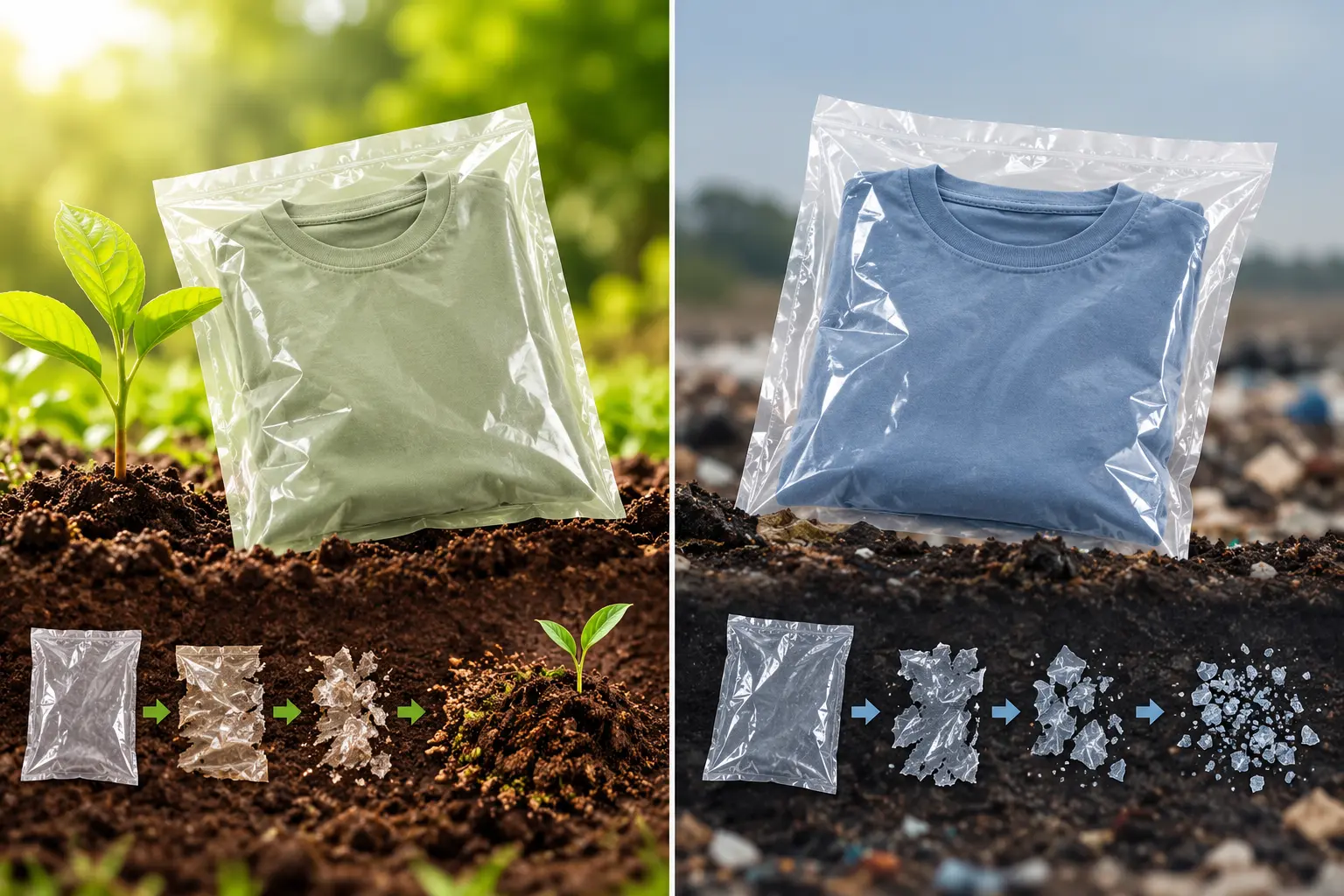
A biodegradable bag breaks down over time under natural conditions. However, the process can take years and may leave behind chemical residues depending on the material. EU regulations do not automatically accept all biodegradable materials as compliant.

A compostable bag breaks down fully under specific conditions, either at home or in industrial composting facilities, leaving behind no harmful residue. Compostable bags that meet international standards are what EU buyers specifically look for.

Certifications to recognise and ask for:

EN 13432, the European standard for industrial compostable packaging

ASTM D6400, the US equivalent standard accepted globally

IS 17088, the Indian standard for compostable products

CPCB approval, which verifies compliance under Indian plastic waste management rules

If a supplier cannot show these certifications, their bag may claim to be eco friendly without meeting any enforced standard.

4. What Happens to Exporters Who Do Not Switch

The consequences of staying with conventional plastic garment bags are becoming harder to ignore.

Short term risks:

Orders delayed or rejected at EU port of entry

Buyers requesting packaging changes mid-season, disrupting timelines

Additional cost of last minute sourcing and switching under pressure

Long term risks:

Loss of preferred vendor status with European retailers

Being replaced by suppliers from Vietnam, Bangladesh, or Sri Lanka who have already adopted compliant packaging

Difficulty entering new export markets that are adopting similar regulations

India is also tightening its own rules. Extended Producer Responsibility regulations under Indian plastic waste management policy are making plastic packaging a liability for manufacturers domestically as well.

5. The Business Benefits Nobody Talks About

Most conversations about compostable packaging focus on compliance. That is important, but it is only part of the story. Exporters who have made the switch are discovering advantages that go beyond regulation.

Benefits that come with switching:

Stronger negotiating position with EU and US buyers

Ability to participate in sustainability-focused retail tenders

Reduced risk of last minute order cancellations due to packaging issues

Premium brand perception among end consumers who see eco packaging as a quality signal

Alignment with your own buyers’ ESG reporting requirements, which strengthens the relationship

One garment manufacturer who switched reported that their EU buyer extended a contract renewal six months early after seeing the packaging change. The bag was a small cost. The contract renewal was not.

6. What to Check Before Choosing Compostable Garment Bags

Not all compostable bags perform equally in real garment packaging conditions. Before you order, verify these practical factors.

Moisture resistance: The bag must protect garments during transit in varying humidity conditions

Tear strength: Especially important for heavier knitwear, denim, or folded shirts

Print clarity: Your brand name and artwork should appear clean on a compostable surface

Size range: The supplier should offer dimensions suited to your specific garment types

Certification documentation: Physical certificates, not just verbal claims, must be provided

Ask for a sample run before placing a bulk order. A compostable bag that fails in transit costs more than the bag itself.

7. Why the Shift to Biodegradable Compostable Bags for Garments Is Permanent

Some exporters are still treating this as a temporary requirement or a niche demand from a few buyers. That thinking is becoming more expensive by the month.

The EU regulation is a floor, not a ceiling. Multiple other markets including the UK, Canada, and Australia are developing similar packaging legislation. US states including California already have enforced compostable packaging standards for certain product categories.

Switching to Biodegradable Compostable Bags for Garments now means:

Your factory is audit-ready for any buyer compliance inspection

You are not caught off guard when the next regulation takes effect

Your packaging tells a consistent sustainability story across all markets

The exporters switching now are not doing it reluctantly. They are doing it because they see it as a competitive advantage in the next decade of global trade.

8. How Real Packers Supports the Transition

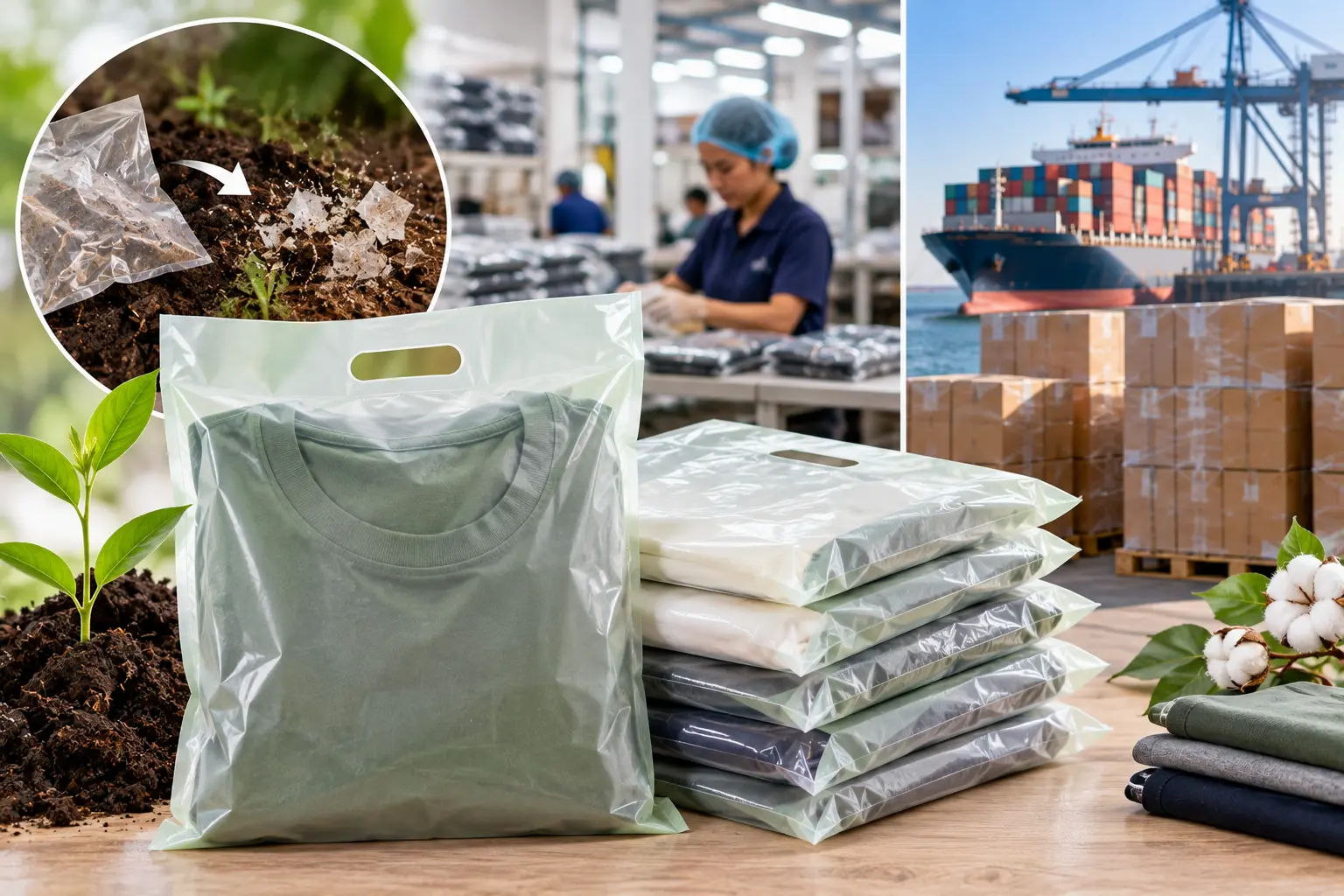
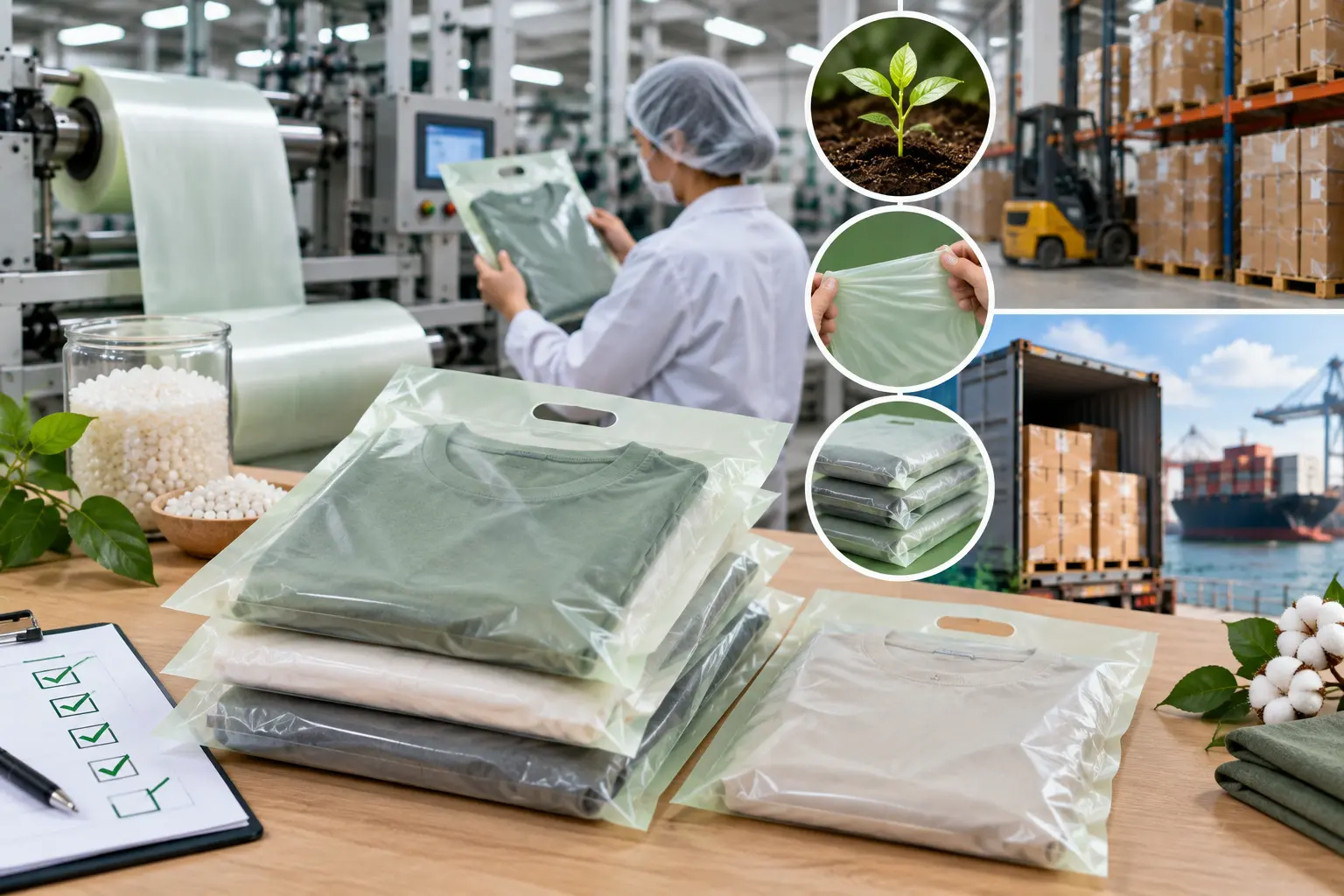
Real Packers has been manufacturing packaging solutions since 1997 and understands the specific requirements of garment factories in Tirupur and across India. As a manufacturer of Biodegradable Compostable Bags for Garments, they offer solutions that are designed for real export conditions, not just compliance checkboxes.

What Real Packers provides:

CPCB compliant compostable bags built for garment packaging

Multiple size options suited to knitwear, woven garments, and innerwear

Custom printing up to 8 to 10 colours for brand-aligned packaging

Certification documentation available for buyer compliance requirements

Direct manufacturer pricing with no middleman markups

9. Making the Switch with Real Packers

Transitioning from conventional polybags to Biodegradable Compostable Bags for Garments does not have to be complicated. Real Packers makes the process straightforward for factories of all sizes.

The process is simple:

Share your garment types and bag size requirements

Receive sample bags for quality and fit testing

Review certification documents before confirming the order

Place your first bulk order with clear lead times

Real Packers works with garment exporters in Tirupur, Chennai, and Bangalore who are preparing for EU compliance and want a supplier they can depend on for consistent quality and delivery.

Conclusion

The switch to compostable garment packaging is not a question of if. For any exporter working with European buyers or planning to enter new markets, it is a question of when and how smoothly you make the transition.

Exporters who act now will be positioned as compliant, credible, and forward-thinking suppliers. Exporters who wait will face rushed transitions, potential order losses, and higher costs of switching under pressure.

Real Packers is ready to support your move to Biodegradable Compostable Bags for Garments with the right product, the right certifications, and the right experience behind every order. Contact Real Packers today and make your packaging as strong as your product.

How to Choose the Right Box Wrapping Machine Supplier

 How to Choose the Right Box Wrapping Machine Supplier

How to Choose the Right Box Wrapping Machine Supplier

Packaging is the last step in your production line, but it is the first thing your customer sees. When you invest in the wrong box wrapping machine or work with the wrong supplier, the consequences show up fast, from inconsistent wrapping quality to machine breakdowns during peak season. Choosing the right supplier is not just a purchase decision. It is a long term business decision.

This guide walks you through every key factor you need to evaluate before signing any deal, so you can make a confident and informed choice.

1. Understand What Your Business Actually Needs

Before you search for any supplier, get clear on your own requirements. Many buyers rush into comparisons without knowing their own specifications.

Ask yourself these questions:

  • How many boxes do you wrap per hour on a busy day?
  • What are the sizes and weights of your boxes?
  • Do you need a semi-automatic or fully automatic machine?
  • Will this machine run continuously or only during peak hours?

When you have clear answers, you stop wasting time evaluating suppliers who cannot even meet your basic capacity. This single step saves weeks of back and forth conversations.

2. Check Manufacturing Capability, Not Just Sales Talk

There is a big difference between a company that manufactures box wrapping machines and one that simply resells them. A manufacturer has direct control over build quality, spare parts, and technical customization. A reseller is dependent on a third party for every one of those things.

When evaluating a supplier, look for:

  • A production facility you can visit or verify
  • In-house engineering and assembly teams
  • The ability to customize machine dimensions for your box sizes
  • Clear documentation about materials and motor specifications

Always ask: Are you the manufacturer or the dealer? The answer tells you everything about how well they can support you after the sale.

3. Evaluate After-Sales Support Before You Buy

A box wrapping machine is a mechanical investment. Like any machine, it will need maintenance, occasional repairs, and spare parts over time. The real test of a supplier is not how smooth the sale is but how quickly they respond when something goes wrong.

Key support factors to verify:

  • Do they offer an Annual Maintenance Contract (AMC)?
  • Is on-site installation and training included?
  • How long is the warranty period?
  • Are spare parts readily available and affordable?
  • What is their average response time for technical support calls?

A supplier who avoids these questions during the sales conversation is likely to be unavailable when your machine needs attention in production.

4. Ask for a Live Demo Before Committing

Numbers and brochures look perfect on paper. Reality is different. A serious supplier will always be willing to demonstrate the machine live, either at their facility or yours. If a supplier hesitates when you ask for a demo, that is a signal worth paying attention to.

During the demo, pay attention to:

  • Wrapping speed and consistency across different box sizes
  • Noise levels during operation
  • Film loading and cutting mechanism
  • Ease of operation for floor level workers
  • How the machine handles irregular or lightweight boxes

A live demo removes guesswork and gives your team confidence before making a capital purchase.

5. Compare Total Cost, Not Just Machine Price

A lower machine price sometimes comes with a higher total cost. This is one of the most common mistakes buyers make. They focus on the sticker price and overlook the complete picture.

Look beyond the base price and factor in:

  • Installation and transportation charges
  • Cost of stretch film or wrapping material per roll
  • Electricity consumption of the motor
  • Maintenance and spare part expenses over 3 to 5 years
  • Downtime cost if the supplier has slow service turnaround

When you calculate the full operating cost, a slightly higher priced machine from a reliable supplier often works out more economical over time.

6. Review Client References and Past Delivery Track Record

Before finalizing any deal, ask the supplier for references from businesses similar to yours. A supplier with real clients in garment factories, e-commerce warehouses, or logistics companies can share feedback that brochures cannot.

Questions to ask references:

  • Did the machine perform as promised from day one?
  • Was delivery and installation on time?
  • How did the supplier handle any issues that came up?
  • Would you order from them again?

A supplier confident in their work will give you references without hesitation. Evasion is a red flag.

7. Why Industry Experience Matters When Choosing a Supplier

The packaging industry moves fast. Film types, machine technologies, and compliance requirements keep evolving. An experienced Box Wrapping Machine Supplier understands these shifts and guides you toward the right solution for today and tomorrow.

Experience brings:

  • Deeper knowledge of what works in real production environments
  • Stronger relationships with component manufacturers for faster spare parts
  • Better understanding of industry specific challenges in textiles, FMCG, or exports
  • A larger pool of client feedback that has shaped better product design over time

When a supplier has served hundreds of businesses across multiple industries, their product and service quality reflects that journey.

8. Red Flags to Watch Out For

Not every supplier who appears professional in their marketing is reliable in execution. Protect yourself by watching for these warning signs:

  • Vague answers about machine specifications or components used
  • No physical address or factory location to verify
  • Pushback when you ask for a demo or client references
  • No clarity on warranty terms or AMC availability
  • Pressure to make quick decisions with time limited offers

Trust your instincts. If a supplier makes you feel uncomfortable asking questions, they are not the right partner for your business.

9. What Sets Real Packers Apart as a Box Wrapping Machine Supplier

Real Packers has been serving the packaging industry since 1997, delivering reliable solutions to garment factories, export houses, and packaging businesses across India. As a trusted Box Wrapping Machine Supplier based in Tirupur, they bring more than two decades of hands-on manufacturing experience to every order.

What makes Real Packers a dependable choice:

  • Direct manufacturing: Machines are built in-house, not resold
  • Custom sizing: Machines configured for your specific box dimensions
  • On-site installation: Full setup and operator training at your facility
  • After-sales support: AMC options and spare parts readily available
  • Proven track record: Trusted by garment exporters in Tirupur, Chennai, and Bangalore

10. How to Make the Final Decision

Once you have evaluated multiple suppliers across all the factors above, narrow it down to two or three. Then schedule site visits or demos, compare total cost of ownership, and check references.

Your final shortlist criteria should include:

  • Manufacturing capability confirmed
  • Positive client references verified
  • Demo completed and machine performance assessed
  • Transparent pricing with no hidden charges
  • After-sales support structure clearly agreed upon

The right Box Wrapping Machine Supplier will make this evaluation easy because they have nothing to hide and everything to prove.

Conclusion

Choosing the right box wrapping machine supplier is not about finding the cheapest option or the flashiest brochure. It is about finding a partner who understands your production needs, delivers on their promises, and stands by you long after the sale.

Focus on manufacturing credibility, after-sales support, total cost of ownership, and real client feedback. These four pillars will guide you to a supplier who adds lasting value to your packaging operation.

Real Packers combine all of these qualities into one reliable partnership. As a leading Box Wrapping Machine Supplier with roots in the heart of India’s garment manufacturing hub, they are equipped to support your business at every stage of growth. Reach out to Real Packers today to explore the right machine solution for your packaging line.

Manual Wrapping vs Box Wrapping Machine: A Cost Comparison for Garment Factories

Manual Wrapping vs Box Wrapping Machine

Manual Wrapping vs Box Wrapping Machine: A Cost Comparison for Garment Factories

Every garment factory has a packaging floor. And on that floor, one question decides how much money leaves your business quietly every single month: are your workers still wrapping boxes by hand?

Manual wrapping feels familiar. It requires no upfront investment. It seems controllable. But when you actually sit down and count what it costs — in wages, in wasted material, in time, in errors — the numbers tell a very different story.

This blog breaks down the real cost difference between manual wrapping and machine wrapping, specifically for garment factories. No vague comparisons. Just the actual areas where money is being spent, saved, or quietly lost.

What Manual Wrapping Actually Costs a Garment Factory

Most factory managers think of manual wrapping as a low-cost option because there is no machine purchase involved. But the cost of manual wrapping is not in the equipment. It is in the people, the time, and the material.

In a garment factory handling medium to large order volumes, the packaging section typically needs multiple workers dedicated to wrapping boxes before dispatch. Each worker can wrap a fixed number of boxes per shift, and that number is limited by human speed and endurance.

Now consider what happens during peak export seasons. Order volumes go up. The wrapping team cannot keep pace. You either bring in additional workers, ask existing staff to work overtime, or your dispatch gets delayed. Every one of those outcomes adds to your cost.

Labour costs in the Indian garment and textile sector have been rising steadily. Research from the International Labour Organization shows that wages in the sector grew at roughly 5 percent per year between 2015 and 2022. That trend has continued. When you employ several people just for wrapping work across multiple shifts, that wage bill grows every year without adding any new value to your product.

On top of wages, there is the cost of materials. When workers wrap boxes by hand, they estimate how much film or stretch wrap to use. That estimation is never precise. Some boxes get too much. Some get too little. The result is a quiet but consistent waste of packaging material with every single shift, every single day.

Where Machine Wrapping Changes the Math

A box wrapping machine does not just wrap faster. It fundamentally changes the economics of your packaging floor.

The most direct saving is in material usage. A wrapping machine is programmed to apply an exact amount of film for each box size. There is no guesswork. Industry data shows that switching from manual to machine wrapping reduces packaging material consumption by 20 to 30 percent on average. For a factory placing large monthly orders on stretch film or polywrap, that percentage translates into a real and measurable reduction in your supply costs every month.

The second saving is in labour. A single machine can handle the wrapping output that would otherwise require multiple workers. That does not mean you need to reduce your workforce, but it does mean those workers can be reassigned to tasks that actually need human judgment, like quality checking, sorting, labelling, or coordination.

Automated packaging systems have been shown to reduce labour costs in the wrapping stage by 40 to 60 percent. For a factory running two or three shifts, the ongoing monthly savings from reduced wrapping labour alone can often justify the machine cost within a year.

Speed and Order Fulfilment: The Hidden Difference

There is a cost that does not appear in any invoice but affects your business directly. That is the cost of slow dispatch.

When manual wrapping cannot keep up with production output, boxes pile up at the packaging stage. Shipments that could go out on time get delayed. International buyers, especially those operating on tight retail calendar schedules, take delayed shipments seriously. Repeat business depends on whether your delivery timelines are reliable.

A box wrapping machine runs at a consistent speed regardless of the time of day or the stage of the shift. It does not slow down after six hours. It does not make faster or slower wraps depending on fatigue. The output is steady and predictable.

For garment exporters shipping to buyers across Europe, the Middle East, or the United States, that reliability in dispatch timing is not a small thing. It is part of what builds a long-term relationship with a buyer.

Quality of Wrap and What It Means for Transit Damage

Manual wrapping produces inconsistent results. One worker may wrap a box tightly. Another may leave gaps. A third may use excess material that bunches up and weakens the pack. These variations are not about the skill of the workers. They are a natural outcome of any human process done repeatedly at speed.

Inconsistent wrapping leads to boxes that shift during transit. Products inside get damaged. When a garment shipment arrives at a buyer’s warehouse and the boxes are visibly poorly wrapped or damaged, it creates a problem beyond the immediate order. It affects how your factory is perceived as a packaging partner.

Machine wrapping removes that inconsistency. Every box that comes off a wrapping machine is treated the same way. The tension is the same. The coverage is the same. The seal is the same. For factories exporting garments where presentation and packaging quality are part of the buyer’s assessment criteria, this consistency has direct value.

The Cost Comparison: A Practical Summary

To make this concrete, here is how the two approaches compare across the key cost areas:

Labour spend is higher with manual wrapping because you need more people to achieve the same output. Machine wrapping reduces the number of workers needed on the packaging floor directly.

Material costs are higher with manual wrapping because of overuse and inconsistent application. Machines use the minimum required amount for each box and do not deviate from that.

Error and rework costs are a reality with manual wrapping. Poorly wrapped boxes that need to be redone use extra material and extra time. Machines do not produce wrapping errors.

Overtime and seasonal labour costs go up with manual wrapping during peak order periods. A machine handles peak volume without additional headcount.

Transit damage and related claims are more common when wrapping quality is inconsistent. Machine wrapping reduces that risk and the costs that come with it.

When you add these up over a month and then across a year, the cost gap between manual and machine wrapping becomes significant. The machine involves an upfront investment, but that investment is recovered through ongoing savings that do not stop once the machine is paid for.

Why Real Packers Understands This Problem from the Inside

Real Packers is not a general packaging equipment vendor. As a box wrapping machine supplier with more than two decades of experience working directly with garment factories and textile businesses, Real Packers understands precisely where the cost pressure sits in a production environment.

The machines supplied by Real Packers are designed for the specific demands of factories that ship garments in bulk, where output volumes are high, timelines are tight, and packaging consistency directly affects buyer relationships. As a box wrapping machine supplier, Real Packers helps factories move from a wrapping process that costs money quietly every month to one that saves it just as quietly.

Choosing a Box Wrapping Machine Supplier That Fits Your Factory

Not every wrapping machine suits every factory. The right machine depends on your order volumes, your dispatch frequency, your floor space, and the type of boxes you are wrapping.

Real Packers, as an experienced box wrapping machine supplier, offers guidance on which machine configuration suits your operation before you make any commitment. Their support does not end at delivery. It includes setup, operator training, and after-sale assistance so that your team can run the machine with confidence from day one.

For garment factories in Chennai, Tirupur, Bangalore, and beyond, Real Packers provides wrapping solutions that are built around the realities of the Indian export garment business, not generic industrial templates.

Conclusion

The cost of manual wrapping in a garment factory is not visible on a single day. It shows up gradually, in wages, in wasted material, in overtime, in delayed shipments, and in inconsistent packaging that occasionally leads to damaged goods or buyer dissatisfaction.

A box wrapping machine replaces all of those variables with one predictable, controllable process. The savings are real, they are ongoing, and they grow every year as labour costs continue to rise.

If your packaging floor is still relying on hand wrapping to handle your dispatch volumes, the comparison above makes a clear case for reviewing that decision. And when you are ready to make the change, working with a trusted box wrapping machine supplier like Real Packers gives you the right machine, the right guidance, and the right support to make that change count.

How a Box Wrapping Machine Reduces Packaging Waste and Labour Costs

Reliable Box Wrapping Machine Supplier for Industrial Packaging Needs

How a Box Wrapping Machine Reduces Packaging Waste and Labour Costs

Packaging is not just about protecting your products. It is one of the biggest operational costs a business carries every single day. If your team is still wrapping boxes by hand, you are spending more money than you think — on labour, on wasted material, and on the time lost fixing errors that machines simply do not make.

A box wrapping machine changes all of that. It brings speed, accuracy, and consistency to your packaging floor, and over time, it saves businesses a significant amount of money. In this blog, we break down exactly how this happens and why more businesses across garment manufacturing, e-commerce, retail, and logistics are making the switch.

The Real Cost of Manual Wrapping

Before understanding how a box wrapping machine saves money, it helps to see where manual wrapping quietly drains it.

When workers wrap boxes by hand, several things tend to go wrong. Film is applied unevenly. Some boxes get too much material, some get too little. There is no standard. What that means in practice is wasted stretch film, inconsistent wrap quality, and more boxes damaged in transit because the wrap was not tight enough.

There is also the question of time. A skilled worker can wrap a certain number of boxes per hour, but that number is limited by human speed and fatigue. During peak seasons or large order rushes, you either slow down your output or bring in more staff, both of which add to costs.

And then there are mistakes. Rewrapping a box, replacing damaged goods, and handling customer complaints because a product arrived poorly packaged — these are costs that rarely show up on a single invoice but quietly add up over months.

How Wrapping Machines Cut Material Waste

One of the most immediate benefits of a box wrapping machine is how it controls the amount of material used. The machine is programmed to apply precisely the right amount of film or wrap for each box size. There is no guesswork, no over-wrapping, and no pulling extra material just to make sure the box is secure.

Studies from the packaging industry consistently show that businesses moving from manual to machine wrapping reduce their material consumption by anywhere from 20 to 30 percent. When you are ordering stretch film or wrapping material in bulk, that percentage translates into real savings on your monthly material bill.

There is another side to this as well. Less wasted material means less film going to landfill. For businesses working toward sustainability goals or responding to buyer requirements around eco-friendly practices, switching to a machine-based system is a practical step in the right direction.

Where the Labour Savings Come In

Labour is expensive, and in the packaging industry, it is one of the highest recurring costs. A box wrapping machine does not eliminate your workforce, but it does allow your team to work more productively.

One machine can typically handle the output that would otherwise require several workers to manage manually. Your team shifts away from the physically repetitive work of wrapping and moves toward quality control, logistics coordination, or operating the machine itself. You get the same output, or more, with fewer people assigned to wrapping tasks.

This also reduces dependence on seasonal labour. Many businesses ramp up manual packaging teams during busy periods and then face the challenge of managing that workforce when demand eases. A machine runs at consistent speed regardless of the season.

The long-term savings are significant. Industry data shows that automated packaging systems can reduce labour costs by 40 to 60 percent in the wrapping stage alone. For factories running multiple shifts, the return on investment from a single machine can often be recovered within a year or less.

Consistency That Manual Work Cannot Match

There is something a machine does that even the most experienced human wrapper cannot reliably deliver: it wraps every single box the same way.

This consistency matters more than most people realise. When boxes are wrapped uniformly, they stack better, store more efficiently, and survive transit more reliably. The wrap tension is the same on every unit. The film overlap is the same. The seal is always secure.

For businesses exporting garments or goods internationally, this level of consistency is not optional. Buyers and logistics partners expect packaging to meet specific standards. A box that is poorly wrapped or unevenly secured can lead to damaged goods, claims, and ultimately, lost business.

A box wrapping machine takes human variability out of the equation. What comes off the machine is predictable, professional, and ready to ship.

Faster Output Without Compromising Quality

Speed is another area where machines outperform manual processes. High-quality box wrapping machines can process dozens of units per hour, far beyond what a team of workers can achieve doing the same task manually.

This matters when orders need to go out quickly. When a large order lands and the dispatch deadline is tight, your packaging line should not be the bottleneck. A machine keeps pace with production, meaning your team spends less time waiting on packaging to catch up with the rest of the process.

Faster wrapping also means faster order fulfilment, which improves delivery timelines and keeps customers satisfied. In competitive markets, that reliability is worth more than many businesses give it credit for.

Why Real Packers Is a Trusted Box Wrapping Machine Supplier

Choosing the right machine matters as much as the decision to automate. Real Packers is a recognised box wrapping machine supplier with deep experience in the packaging industry. Their machines are built to handle the demands of garment manufacturing units, retail packaging operations, and export-focused businesses that need consistent, reliable performance across high volumes.

What sets Real Packers apart as a box wrapping machine supplier is not just the equipment itself but the understanding that comes from working closely with businesses that package for a living. The machines are designed to be practical, easy to operate, and built to reduce exactly the problems that manual wrapping creates.

What Makes Real Packers the Right Partner for Your Packaging Needs

Real Packers has been in the packaging industry since 1997, which means decades of practical knowledge behind every product and recommendation. As both a manufacturer and a box wrapping machine supplier, Real Packers understands what factories and packaging units actually need, not just in terms of equipment, but in terms of long-term efficiency.

Their range covers businesses of different sizes and production volumes. Whether you are running a mid-sized garment factory or a high-output logistics operation, Real Packers offers wrapping solutions that fit your operation without unnecessary complexity.

The combination of quality machinery, industry expertise, and dependable after-sale support makes Real Packers a practical choice for businesses that are ready to move away from manual wrapping and invest in a packaging process that actually works.

Conclusion

A box wrapping machine is not just a piece of equipment. It is a decision to stop losing money on wasted material, inconsistent wrapping, and labour costs that grow every year without any corresponding improvement in output quality.

The benefits are clear. Less material waste, lower labour spend, better consistency, faster throughput, and packaging that meets the standards your buyers and logistics partners expect. These are not small gains. Over months and years, they add up to a meaningful improvement in how your business operates.

If you are ready to make that shift, working with a trusted box wrapping machine supplier like Real Packers gives you access to the right equipment backed by real packaging expertise. The investment pays for itself, and the results show up every single day on your packaging floor.