

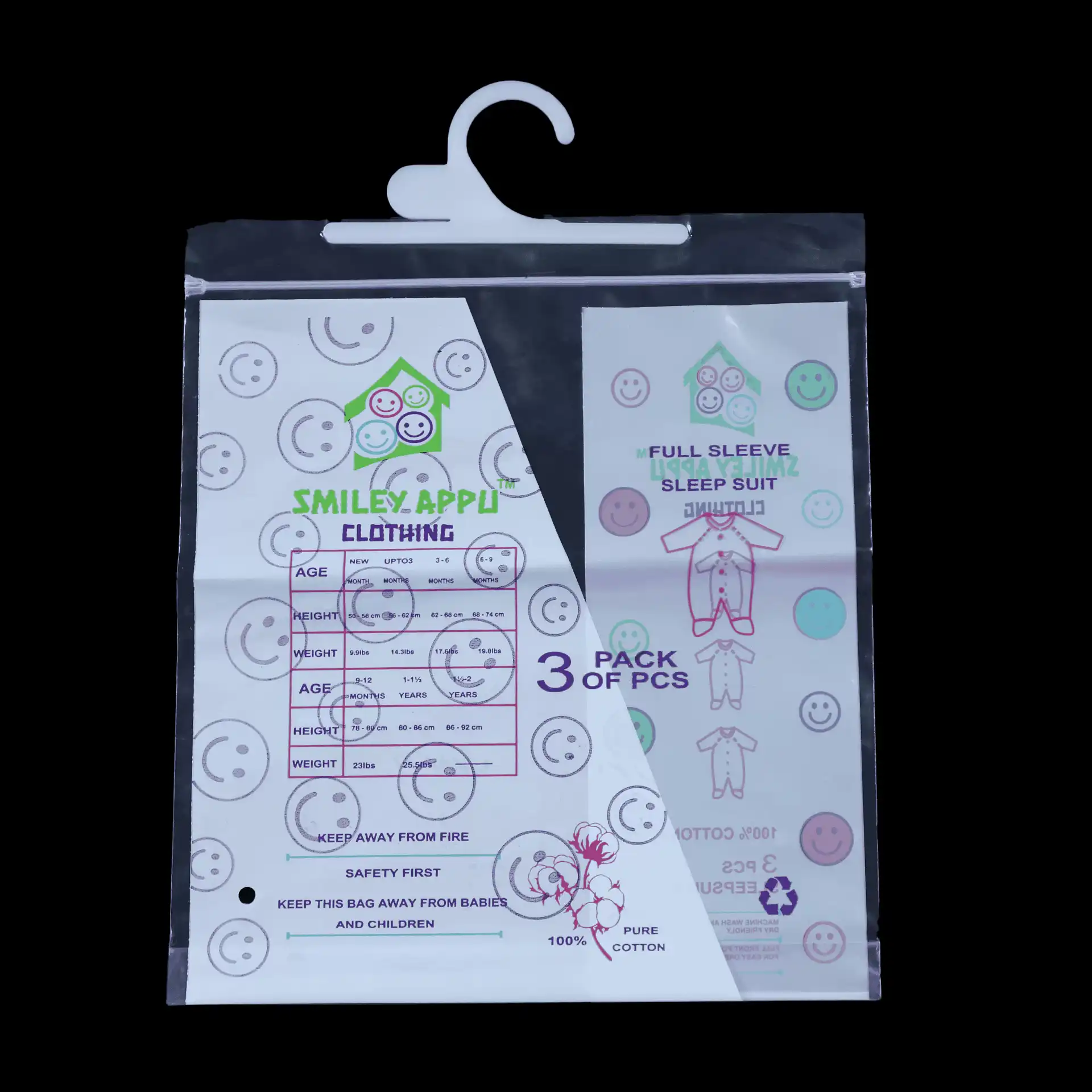
Top Polypropylene Bags Manufacturers 2025 – Quality, Price & MOQ Guide

Best Polypropylene Bags Manufacturer in Bangalore

Introduction

Top Polypropylene Bags Manufacturers 2025 – Quality, Price & MOQ Guide

Polypropylene (PP) bags have become one of the most widely used packaging solutions across industries—from agriculture and construction to retail, logistics, and FMCG. In 2025, the demand for PP woven bags, laminated PP bags, and BOPP-printed bags continues to grow due to their exceptional durability, cost-efficiency, and versatility.

As businesses seek reliable suppliers who offer the right balance of quality, pricing, and Minimum Order Quantity (MOQ), selecting the right polypropylene bag manufacturer becomes essential. This comprehensive guide explores everything you need to know—from the types of PP bags available to what determines pricing, how to choose quality products, and the top factors that separate leading manufacturers from the rest.

If you’re sourcing polypropylene bags in 2025, this guide provides the clarity needed to make the right decision.

Why Polypropylene Bags Dominate Packaging in 2025

Polypropylene bags are indispensable across industries because they offer unmatched value. Their popularity is driven by advancements in manufacturing technology, improved printing capabilities, and customisation options for branding and logistics.

Key advantages of polypropylene bags include:

  • High Durability – PP bags resist tearing, punctures, scratching, and moisture—making them ideal for heavy-duty packaging in agriculture, cement, chemicals, and industrial segments.
  • Cost-Effectiveness – Compared to jute, paper, or fabric packaging, PP bags deliver high strength at a lower cost.
  • Weather-Resistant & Lightweight – They perform well in rain, humidity, and temperature variations while keeping shipment weights low.
  • Reusability & Recyclability – Modern PP bags are recyclable and, in some applications, reusable—supporting sustainability targets for many industries.
  • Customisable Designs – Brands increasingly use PP bags as marketing tools with high-quality printing, lamination, and finishing options.

These benefits make polypropylene bags essential for bulk packaging in 2025.

Types of Polypropylene Bags Available in 2025

Modern manufacturers offer multiple variants suited for different industries. Here are the top types available:

1. PP Woven Bags (Standard)

These are the most widely used polypropylene bags, made from interwoven polypropylene tapes.

Best for: rice, grains, fertilizers, sand, animal feed.

  • High tensile strength
  • Reusable
  • Breathable
  • Customisable in size and weave density

2. BOPP Laminated Polypropylene Bags

These bags combine woven PP strength with BOPP film for high-quality printing and moisture protection.

Best for: retail, FMCG, rice brands, pet food, premium products.

  • Vibrant multicolor printing
  • Moisture-resistant
  • Stiff, premium feel
  • Tamper-proof options

3. PP Non-Woven Bags

Unlike woven bags, these are made from bonded polypropylene fibers.

Best for: retail, grocery, promotional bags.

  • Lightweight
  • More eco-friendly than traditional plastics
  • Reusable

4. Laminated PP Woven Sacks

Designed for extra strength and moisture control.

Used for: cement, chemicals, sugar, resin granules.

5. Transparent / Semi-Transparent PP Bags

These offer product visibility while maintaining durability.

Ideal for: pulses, seeds, snacks, or items needing visual inspection.

6. Valve-Type PP Bags

Used mainly in the construction and industrial sectors for powdery materials.

7. Gusseted PP Bags

These bags expand sideways to hold more volume.

How to Evaluate Polypropylene Bags Quality in 2025

Whether you’re in retail, agriculture, or manufacturing, choosing high-quality PP bags is crucial to product protection, shelf appeal, and shipping safety.

Below are the major quality criteria to assess in 2025:

  • Fabric Strength & GSM – Higher GSM equals stronger, more durable bags. Typical range: 50 GSM – 200 GSM.
  • Weave Density – A tight weave indicates better durability and load-carrying capability.
  • Lamination Quality – Smooth, uniform lamination prevents moisture entry and enhances printing.
  • Stitching Strength – Double stitching or heat-cut edges help prevent tearing during transport.
  • Print Resolution & Colour Quality – High-quality BOPP printing enhances brand presence.
  • UV Protection – Important for outdoor storage.
  • Moisture Resistance – Essential for food grains and chemicals.

Understanding PP Bags Pricing in 2025

Pricing varies widely based on specifications. Here are the main factors that influence cost:

  • Type of Polypropylene Bag – BOPP laminated bags cost more than plain woven bags.
  • GSM & Weave Quality – Higher GSM and denser weaves increase cost.
  • Printing Requirements – Multi-color and photographic prints cost more.
  • Size & Customisation – Special sizes, gussets, reinforced bottoms add cost.
  • Order Volume (MOQ) – Higher volumes reduce per-unit price.
  • Add-Ons – UV coating, anti-slip, perforation, valve closures.

MOQ Guide for Polypropylene Bags in 2025

MOQ (Minimum Order Quantity) is a critical factor when choosing a supplier—especially for new businesses or niche brands.

General MOQ Ranges in 2025:

  • Plain PP woven bags: 5,000 – 10,000 pieces
  • BOPP laminated bags: 10,000 – 25,000 pieces
  • Non-woven bags: 2,000 – 5,000 pieces (varies by style)
  • Valve bags: 5,000+ pieces

Manufacturers often reduce MOQ for repeat customers or long-term contracts.

How to Choose the Right Polypropylene Bag Manufacturer in 2025

Choosing the right manufacturer ensures stable pricing, consistent quality, and timely deliveries.

  • Production Capacity & Machinery – Modern looms, lamination plants, BOPP printing lines.
  • Customisation Capabilities – Sizes, print formats, technical features.
  • Quality Assurance Systems – Testing labs, ISO certifications.
  • Delivery Timeline & Logistics – Reliable supply is essential.
  • Pricing Transparency – Detailed quotations prevent hidden costs.
  • Sustainability Compliance – Recyclable materials, non-toxic inks.
  • Customer Reviews & Market Reputation – Reflects long-term reliability.

Industry Trends Shaping Polypropylene Bags in 2025

  • Rise of high-quality digital BOPP printing
  • Growth of recyclable & eco-friendly polypropylene
  • Increased anti-counterfeit features
  • Demand for lightweight yet durable bags
  • Greater automation in manufacturing

Why Working With the Right Poly ProPylene Bags Manufacturer in Bangalore Matters in 2025

Businesses that rely on PP packaging need manufacturers who can guarantee:

  • consistent GSM
  • durable stitching
  • moisture protection
  • accurate printing
  • timely supply
  • competitive wholesale pricing

A reputable Poly ProPylene Bags Manufacturer in Bangalore provides these advantages with strong industrial capability and infrastructure.

How Real Packers Leads as a Trusted Poly ProPylene Bags Manufacturer in Bangalore

Among the many suppliers in the region, Realpackers stands out due to its strong commitment to quality, durability, and reliable customization. Their production lines include woven fabric looms, lamination plants, and high-tech BOPP printing equipment—allowing them to serve various industries with consistency.

Real Packers provides:

  • PP woven bags
  • BOPP laminated bags
  • customised printed bags
  • industrial-strength packaging solutions
  • UV-stabilised bags for outdoor usage

Their emphasis on quality control and timely delivery makes them a preferred manufacturer for businesses seeking long-term dependability.

Top Reasons Businesses Choose Real Packers as Their Poly ProPylene Bags Manufacturer in Bangalore
  • competitive wholesale prices
  • flexible MOQs
  • strong product durability
  • advanced printing capabilities
  • customised solutions tailored to every industry
  • consistent supply chain management
  • excellent customer support

Real Packers ensures businesses receive high-performance PP bags that protect products during storage, handling, and logistics.

Conclusion: Real Packers – Your Reliable Poly ProPylene Bags Manufacturer in Bangalore for 2025 and Beyond

Polypropylene bags remain a vital packaging solution for multiple sectors due to their strength, versatility, and cost-efficiency. Whether your business needs PP woven bags, laminated sacks, BOPP printed bags, or custom PP solutions, partnering with the right supplier ensures quality, timely delivery, and competitive pricing.

As one of the leading manufacturers, Real Packers continues to excel as a trusted Poly ProPylene Bags Manufacturer in Bangalore offering exceptional value, strong materials, and customisable packaging options. With a commitment to innovation, quality control, and customer satisfaction, Real Packers is the ideal partner to support your packaging needs in 2025 and in the years ahead.

How Garment Exporters Benefit From High-Quality LDPE Bags

Reliable LDPE Bag Supplier in Chennai |

Introduction

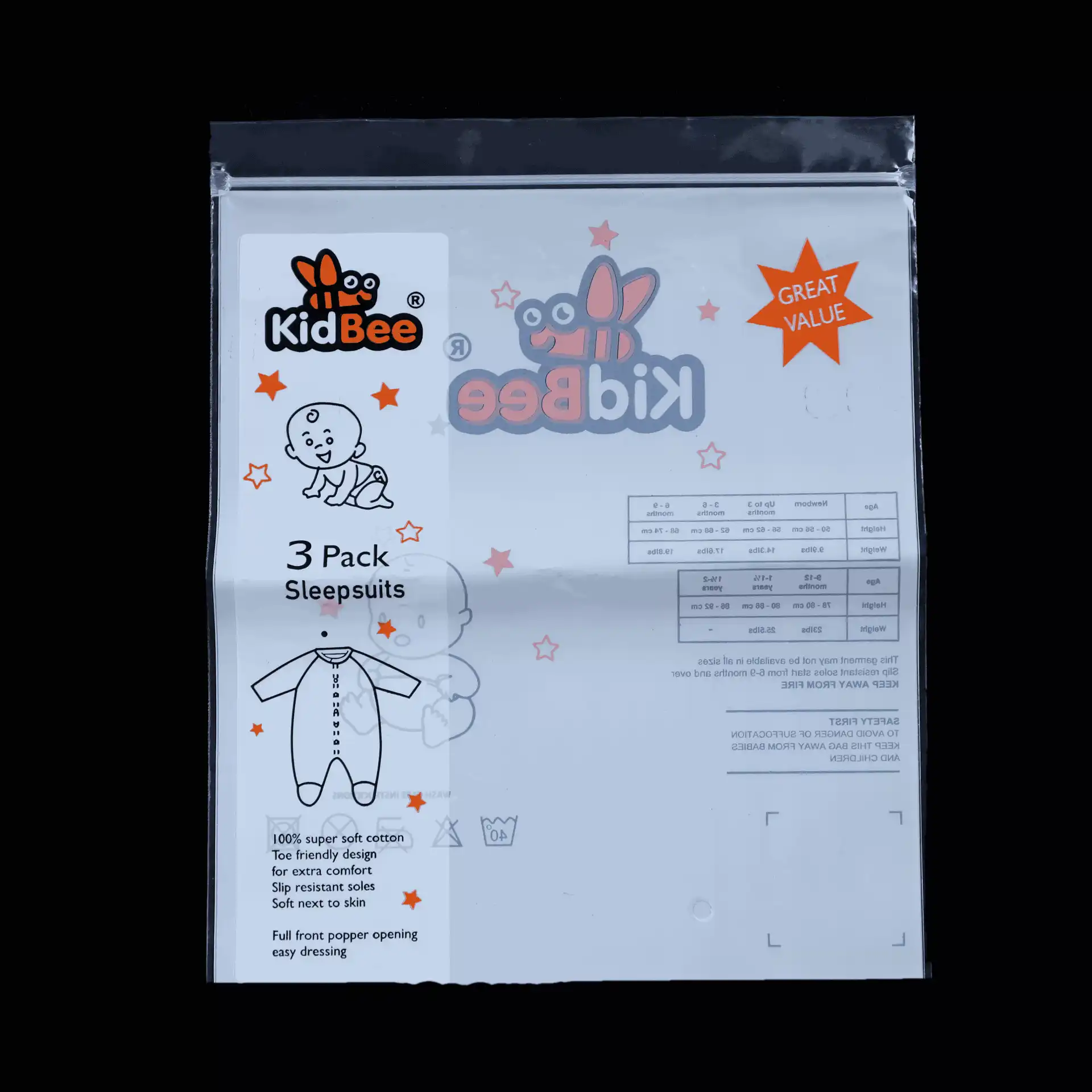
In the global fashion and apparel trade, presentation and protection are equally vital. For garment exporters, maintaining fabric quality and visual appeal during transportation is a top priority. Among the various packaging materials used in the industry, Low-Density Polyethylene (LDPE) bags have become the go-to solution for garment packaging. Their flexibility, strength, and clarity make them ideal for safeguarding garments against environmental factors like dust, moisture, and contamination during storage and shipment.

High-quality LDPE bags for garments offer not only functionality but also support branding and sustainability goals, making them a strategic choice for exporters who want to ensure customer satisfaction and minimize losses.

This blog explores how garment exporters benefit from high-quality LDPE bags, their manufacturing process, applications, and the role they play in enhancing efficiency and brand reputation in the global supply chain.

1. What Are LDPE Bags?

Low-Density Polyethylene (LDPE) is a thermoplastic polymer made from petroleum. Known for its lightweight yet tough properties, LDPE is used across industries for packaging, insulation, and protection purposes. LDPE bags are clear, flexible, and resistant to moisture—making them especially suitable for packaging delicate materials such as garments.

Unlike high-density polyethylene (HDPE), which is more rigid, LDPE offers superior softness and stretchability. This makes it the preferred material for packaging products that require gentle handling and visual presentation.

2. Why Garment Exporters Prefer LDPE Bags

For exporters, the packaging isn’t just about covering the product—it’s about preserving its quality and delivering a pristine experience to the end user. LDPE bags offer several benefits that make them ideal for garment export:

Clarity: The transparent nature of LDPE allows easy inspection and presentation without unsealing the bag.

Softness and Flexibility: Prevents fabric creasing or damage during handling.

Moisture and Dust Resistance: Shields garments from environmental exposure.

Lightweight Design: Reduces shipping weight and overall logistics costs.

Customizable: Available in multiple sizes, thicknesses, and printing options for brand labeling.

These benefits make LDPE bags an indispensable packaging component in apparel exports.

3. Protection Throughout the Supply Chain

Garments go through a long journey before they reach the end consumer—manufacturing, quality checks, packaging, shipping, and retail handling. Each of these stages exposes them to potential hazards such as moisture, dust, and physical damage.

LDPE bags play a crucial role in maintaining product integrity throughout this journey. Their resistance to tearing, water, and static electricity ensures garments stay fresh and intact from factory to store shelf. Additionally, the soft surface of LDPE minimizes friction and prevents the transfer of dyes or finishes between fabrics.

This protection translates to fewer product returns, higher customer satisfaction, and better brand reputation—key metrics for any exporter.

4. The Role of LDPE Bags in Enhancing Product Presentation

While protection is a major concern, appearance also matters in the fashion industry. LDPE’s high transparency and glossy finish allow garments to be displayed attractively without removing them from their packaging. This is particularly useful for ready-to-display items such as shirts, dresses, and formal wear.

Retailers and buyers prefer garments that look clean, pressed, and professionally packed. LDPE packaging helps maintain that visual appeal, ensuring that every product looks “store-ready” on arrival.

Some exporters even use printed LDPE bags with brand logos, product information, and care instructions to elevate their packaging aesthetics and improve brand visibility.

5. Cost Efficiency and Lightweight Advantages

One of the biggest advantages of LDPE bags is their cost-effectiveness. Compared to other packaging materials like paperboard or rigid plastics, LDPE offers excellent protection at a lower production cost.

Their lightweight structure also contributes to significant savings in shipping costs—a major consideration for exporters who ship in bulk. Since international shipping charges are often based on weight and volume, reducing packaging mass can lead to substantial financial benefits over time.

By combining durability, lightweight design, and low cost, LDPE bags provide a perfect balance of performance and affordability for exporters.

6. Customization Options for Export Requirements

Modern LDPE bag manufacturers offer a wide range of customization options to suit the diverse needs of the garment industry. Exporters can choose from:

Zip-lock or Self-Adhesive Closures for convenience.

Vent Holes to prevent moisture condensation.

Anti-Static and Anti-Fog Coatings for sensitive fabrics.

Printed Designs featuring brand logos or product details.

Reinforced Seams for extra durability.

These features help exporters maintain packaging consistency across multiple markets, adhere to international standards, and enhance the overall brand experience.

7. Sustainability and the Shift Toward Eco-Friendly LDPE Bags

While LDPE is a plastic-based material, its recyclability and reusability make it a more sustainable choice compared to single-use plastics. Many modern LDPE bags are now produced using recycled resins, helping reduce overall carbon emissions.

Additionally, some manufacturers are investing in biodegradable LDPE alternatives, blending conventional polyethylene with natural additives that accelerate decomposition. These innovations allow garment exporters to meet sustainability standards and appeal to eco-conscious buyers.

By choosing recyclable LDPE packaging, exporters demonstrate responsibility toward environmental preservation without compromising on product safety.

8. The Relationship Between Packaging Quality and Brand Reputation

In the apparel export industry, packaging plays a vital role in shaping a brand’s image. A neatly packed garment in a high-quality LDPE bag speaks volumes about the exporter’s commitment to quality and professionalism.

Buyers and retailers are more likely to trust brands that maintain consistent packaging standards. Damaged, wrinkled, or poorly packed products can lead to loss of business opportunities and brand credibility.

Hence, investing in premium LDPE bags becomes not just a packaging decision, but a branding strategy that strengthens the exporter’s market presence.

9. LDPE Bags for Garments – A Core Solution from Real Packers

In the competitive landscape of garment exports, Real Packers stands out as a trusted name offering top-quality LDPE bags for garments. With advanced manufacturing capabilities and a deep understanding of export requirements, Real Packers delivers customized LDPE packaging solutions that combine performance, reliability, and sustainability.

Their garment-grade LDPE bags are:

Transparent and Glossy for elegant presentation.

Moisture and Dust Resistant to protect fabric texture and color.

Customizable with print, size, and closure options.

Eco-Conscious, using recyclable materials that align with green initiatives.

Real Packers ensures every LDPE bag is engineered to meet the highest international standards, ensuring garment exporters can deliver products that look impeccable, remain protected, and arrive on time.

10. Why Exporters Trust Real Packers for LDPE Packaging

As a leading name in packaging innovation, Real Packers has earned the trust of garment exporters by offering:

Advanced Manufacturing Technology: Ensures precision thickness and clarity.

Bulk Production Capability: Supports large-scale export operations efficiently.

Quality Control Systems: Every LDPE bag undergoes strict inspection to guarantee consistency.

Flexible Customization: Tailored solutions for apparel brands and export houses.

Sustainability Practices: Integration of recyclable and reusable materials to minimize environmental impact.

With years of experience serving global clients, Real Packers has become a reliable partner for exporters seeking dependable, world-class LDPE packaging.

11. Enhancing Export Value Through Smart Packaging Choices

High-quality LDPE bags for garments do more than protect products—they add value at every step of the export process. From reducing logistics costs to maintaining product quality and visual appeal, LDPE packaging supports exporters in meeting buyer expectations efficiently.

By partnering with experts like Real Packers, garment exporters can streamline their operations, strengthen their reputation, and adopt sustainable packaging practices that resonate with global markets.

TAKE AWAY: Protecting Quality, Preserving Brand Value

In a competitive export environment, packaging has evolved from a mere necessity to a strategic advantage. LDPE bags for garments have emerged as the preferred packaging choice for exporters due to their superior protection, visual clarity, and cost efficiency.

Real Packers, with its expertise in LDPE Bags Manufacturer and Supplier in Chennai continues to support garment exporters with reliable, eco-friendly, and high-quality packaging solutions. Their commitment to quality and sustainability ensures that every garment reaches its destination in perfect condition—protected, presentable, and ready for the world stage.

As global trade continues to evolve, smart packaging choices like LDPE bags will remain central to the success of the garment export industry—where every detail counts, and excellence begins with protection.

The Environmental Impact of Polypropylene Bags and Eco Alternatives

Polypropylene Bags Manufacturer in Bangalore

Introduction

In the world of modern packaging, polypropylene (PP) bags have become one of the most widely used materials across industries. From food packaging and industrial goods to apparel and retail, their versatility and durability make them indispensable. Their ability to withstand weight, resist moisture, and maintain shape has positioned them as a reliable choice for both manufacturers and consumers.

However, as environmental awareness continues to grow, so does the scrutiny surrounding the impact of polypropylene bags on the planet. While they are more durable and reusable than single-use plastics, they are still derived from non-renewable sources and take years to decompose if not managed properly. The challenge today lies in balancing their functional benefits with sustainability goals.

This blog explores the environmental impact of polypropylene bags, examines the eco-friendly alternatives emerging in the packaging industry, and discusses how responsible manufacturing practices can lead to a greener future.

1. What Are Polypropylene Bags?

Polypropylene bags are made from a thermoplastic polymer called polypropylene (PP), derived from petroleum-based raw materials. Known for its lightweight yet robust structure, PP is a type of plastic that can be woven or non-woven to form flexible packaging solutions. These bags are used across various industries:

  • Retail: For carrying garments, groceries, and consumer goods.
  • Industrial: For packaging fertilizers, cement, and chemicals.
  • Food and Agriculture: For grains, flour, and produce.
  • Textile: For storing and shipping garments.

Their adaptability and cost-effectiveness have made them a preferred packaging choice, especially in markets where durability and reusability are prioritized.

2. Why Polypropylene Bags Became So Popular

Polypropylene bags revolutionized the packaging sector because they offered an efficient alternative to traditional paper and cotton bags. Their popularity can be attributed to several advantages:

  • High Durability: PP bags can withstand significant weight and resist tearing.
  • Moisture Resistance: Ideal for storing and transporting moisture-sensitive goods.
  • Reusability: Unlike thin single-use plastics, PP bags can be reused multiple times.
  • Customizability: They can be easily printed, laminated, or colored for branding.
  • Cost-Effective: PP material offers excellent quality at a lower production cost.

These benefits made polypropylene bags a global favorite, especially in industries that require heavy-duty, reliable packaging.

3. The Environmental Downside of Polypropylene Bags

While polypropylene bags offer undeniable advantages in functionality, their environmental footprint raises growing concerns. Their production and disposal pose several ecological challenges:

a. Dependence on Fossil Fuels

Polypropylene is made from petroleum, a non-renewable resource. Its extraction and refining process contribute to greenhouse gas emissions and global warming.

b. Long Decomposition Period

Unlike biodegradable materials, polypropylene can take hundreds of years to break down completely. When discarded improperly, they accumulate in landfills or pollute oceans.

c. Microplastic Pollution

As PP bags degrade over time, they break into microplastics — tiny particles that infiltrate soil, rivers, and marine ecosystems. These particles are often ingested by wildlife and even enter human food chains.

d. Recycling Limitations

Though recyclable, polypropylene bags often end up in waste streams due to poor segregation and limited recycling infrastructure. Contaminated PP bags are especially hard to process. In short, while PP bags are reusable, their end-of-life impact remains a pressing concern that requires innovative waste management and material reform.

4. Comparing Polypropylene Bags with Other Packaging Materials

To understand the real impact of polypropylene, it’s important to compare it with alternatives like paper, jute, and cotton.

Material Durability Recyclability Environmental Impact Cost
Polypropylene (PP) High Moderate Non-biodegradable Low
Paper Moderate High Biodegradable but resource-intensive Moderate
Jute High High Biodegradable and sustainable Higher
Cotton Moderate High Biodegradable but water-intensive Higher

This table shows that while polypropylene scores high in strength and affordability, it lags behind in sustainability. To address this gap, manufacturers are now investing in eco alternatives and greener innovations.

5. The Carbon Footprint of Polypropylene Bags

The carbon footprint of polypropylene bags comes from every stage of their lifecycle — from production to disposal.

  • Manufacturing: Producing polypropylene involves high energy consumption, leading to CO₂ emissions.
  • Transportation: As a lightweight material, PP bags emit less CO₂ during transport than heavier alternatives.
  • Usage: Multiple reuses can offset their environmental impact to some extent.
  • Disposal: Improper disposal results in persistent plastic pollution.

The overall environmental cost depends heavily on how these bags are used and discarded. Reuse and recycling significantly reduce their footprint, whereas single-use habits amplify the harm

6. Recycling: A Step Toward Mitigation

One of the redeeming qualities of polypropylene is that it is thermoplastic — meaning it can be melted and reshaped multiple times. This property makes recycling possible, although it requires proper waste segregation and recycling infrastructure. Recycling polypropylene offers several benefits:

  • Reduces dependency on virgin plastic production.
  • Saves energy and raw materials.
  • Minimizes waste in landfills.
  • Lowers overall carbon emissions.

However, the challenge lies in improving public awareness and government policies to promote collection, sorting, and recycling systems.

7. Emerging Eco Alternatives to Polypropylene Bags

The shift toward sustainability has led to innovations in eco-friendly alternatives that mimic the strength and functionality of polypropylene without harming the environment. Some notable options include:

a. Biodegradable Plastic Bags

Made from plant-based polymers like cornstarch or PLA, these bags break down naturally under composting conditions.

b. Jute and Cotton Bags

These natural fibers are renewable and biodegradable, making them excellent substitutes for PP bags, especially in retail and garment packaging.

c. Recycled PP Bags

Manufacturers are now creating bags from recycled polypropylene, which significantly reduces waste and carbon output.

d. Non-Woven Fabric Bags

Produced through a heat-bonding process, these reusable bags are often made with partial recycled content and are more eco-conscious than traditional PP bags. By adopting these alternatives, industries can minimize their ecological footprint without sacrificing packaging performance.

8. The Role of Consumers in Reducing Environmental Impact

Sustainability isn’t just the responsibility of manufacturers — consumers play a vital role too. The following practices can help reduce the environmental burden of polypropylene bags:

  • Reuse Bags Multiple Times before disposal.
  • Opt for Recyclable or Biodegradable Options.
  • Support Eco-Conscious Brands that prioritize green packaging.
  • Segregate Plastic Waste properly for recycling.
  • Participate in Recycling Programs organized by local authorities.

Collective action between producers, consumers, and policymakers can create a more sustainable packaging ecosystem.

9. Real Packers – A Trusted Polypropylene Bags Manufacturer in Bangalore

In the evolving packaging landscape, Real Packers stands out as a leading Polypropylene Bags Manufacturer in Bangalore known for its commitment to quality, durability, and sustainability. With years of expertise, the company offers a diverse range of polypropylene packaging solutions designed for various industrial and commercial applications. Real Packers combines advanced manufacturing technology with eco-conscious production practices, ensuring that every product meets international quality and safety standards. Their bags are engineered for strength and reliability, making them ideal for logistics, food packaging, and especially Poly Propylene Bags for Garments. The company’s dedication to continuous improvement and environmental stewardship makes it a trusted name in the Indian packaging industry.

10. Poly Propylene Bags for Garments – The Perfect Blend of Durability and Design

The garment industry demands packaging that not only protects delicate fabrics but also enhances presentation and branding. Poly Propylene Bags for Garments by Real Packers offer the perfect balance of functionality, clarity, and customization. These bags are made using high-grade, recyclable polypropylene film that ensures:

  • Moisture Resistance to protect garments from humidity.
  • Transparency for clear product visibility.
  • Customization with printed logos or zip-lock features for brand distinction.
  • Strength and Reusability, reducing the need for frequent replacements

By integrating both performance and sustainability, Real Packers’ polypropylene garment bags cater to modern retail standards while aligning with eco-friendly goals.

11. Sustainability Initiatives by Real Packers

As a responsible Polypropylene Bags Manufacturer in Bangalore Real Packers continuously invests in research and innovation to minimize environmental impact. The company’s green initiatives include:

  • Using recyclable PP materials to reduce plastic waste.
  • Incorporating energy-efficient production systems.
  • Encouraging reuse and recycling among clients
  • Exploring biodegradable alternatives for future packaging solutions

Through these measures, Real Packers is not only meeting industry demands but also contributing to a circular economy that values sustainability as much as performance.

FINAL THOUGHTS: Building a Greener Future with Responsible Packaging

The environmental impact of polypropylene bags is undeniable — yet, when managed responsibly, they can coexist within a sustainable ecosystem. Through improved recycling, consumer awareness, and the adoption of eco alternatives, the packaging industry can significantly reduce its ecological footprint.

Real Packers, as a leading Polypropylene Bags Manufacturer in Bangalore, continues to lead this transformation by combining durability with sustainability. Their specialized Poly Propylene Bags for Garments exemplify innovation, strength, and environmental care — ensuring that businesses don’t have to choose between performance and planet.

In embracing responsible manufacturing and green alternatives, Real Packers sets a powerful example for the future of packaging — one where functionality meets eco-consciousness, and sustainability becomes a shared responsibility.

How Polybag Manufacturers Ensure Safety Standards Compliance

Quality Polypropylene Bags Manufacturer Chennai

Introduction

In the modern world of packaging, polybags have become indispensable across industries — from food and pharmaceuticals to textiles and e-commerce. Their durability, flexibility, and affordability make them an ideal choice for packaging and transporting goods safely. However, with increasing global awareness about health, safety, and sustainability, the manufacturing of polybags has evolved far beyond simple plastic production.

Today, safety compliance is at the heart of polybag manufacturing. Manufacturers are required to meet stringent national and international standards to ensure that their products are safe for both consumers and the environment. Whether used for food packaging, industrial goods, or retail products, polybags must pass multiple quality and safety tests before they reach the market.

This article explores how polybag manufacturers ensure safety standards compliance — from material selection and production practices to testing and certifications — and why this compliance is vital for businesses and consumers alike.

1. Understanding the Importance of Safety Compliance in Polybag Manufacturing

Safety compliance refers to the process of adhering to regulations, guidelines, and industry standards that ensure the safe production, handling, and disposal of materials. For polybag manufacturers, compliance is not merely about meeting government regulations — it’s about building trust, maintaining brand credibility, and protecting the end user.

With the rise in environmental concerns and global trade, safety compliance also plays a key role in ensuring smooth market access. Non-compliant packaging products may face rejections, recalls, or even bans in certain markets. Therefore, adhering to safety norms ensures legal, ethical, and environmental responsibility while maintaining a competitive edge.

2. Regulatory Standards for Polybags

Polybags are subject to various regulations that govern their composition, manufacturing processes, and disposal. The standards may differ from one country to another, but the key objectives remain the same — ensuring consumer safety, environmental protection, and product integrity.

Some of the major safety standards and regulations include:

Bureau of Indian Standards (BIS): Specifies requirements for plastic packaging materials in India.
ISO Standards (e.g., ISO 9001, ISO 14001): Ensure quality management and environmental compliance.
FDA and EU Regulations: Applicable for food-grade polybags to ensure no harmful chemical migration occurs.
Extended Producer Responsibility (EPR): Requires manufacturers to manage plastic waste responsibly.
Recycling Codes (e.g., ASTM D7611): Identify the type of plastic resin used and its recyclability.

Complying with these standards ensures that polybags are safe, sustainable, and suitable for their intended use.

3. Material Selection: The Foundation of Safety Compliance

The process of ensuring compliance begins with selecting the right raw materials. Polybags are primarily made from polyethylene (PE), which includes both Low-Density Polyethylene (LDPE) and High-Density Polyethylene (HDPE).

To comply with safety regulations, manufacturers must use non-toxic, food-grade resins that do not release harmful chemicals during production or usage. Additives such as colorants, stabilizers, and slip agents must also be approved by regulatory bodies to ensure they do not pose health hazards.

For example, food packaging polybags must be odorless, tasteless, and resistant to chemical migration. Similarly, medical-grade polybags must meet higher sterilization and biocompatibility standards. Thus, material selection is the first and most crucial step in achieving compliance and maintaining product safety.

4. Quality Assurance in Manufacturing Processes

Compliance doesn’t end with material selection — it extends through the entire production process. Manufacturers must implement strict quality assurance (QA) and quality control (QC) systems at every stage, from extrusion to printing and cutting.

Key quality measures include:

Controlled Extrusion: Maintaining the correct temperature and pressure to ensure uniform thickness and strength.
Inspection for Defects: Checking for pinholes, air bubbles, or uneven edges that could compromise product integrity.
Printing and Ink Safety: Using non-toxic inks for branding and labeling to avoid contamination.
Batch Traceability: Assigning unique identifiers to production batches for accountability and recall management.

By maintaining a clean, organized, and monitored environment, manufacturers ensure consistency and compliance with regulatory norms.

5. Testing for Performance and Safety

Before polybags reach consumers or businesses, they must undergo rigorous testing to ensure they meet both functional and safety standards. Some of the key tests include:

Tensile Strength Test: Measures how much load a bag can withstand before breaking.
Puncture Resistance Test: Ensures the bag can resist tearing or puncturing under pressure.
Chemical Migration Test: Checks for the transfer of harmful substances from the bag to the packaged product (critical for food-grade bags).
Toxicity and Odor Tests: Confirms the absence of harmful chemicals and unpleasant odors.
Recyclability and Degradation Tests: Determines how the bag behaves during disposal and recycling.

Regular testing not only guarantees compliance but also helps manufacturers continuously improve their product quality.

6. Eco-Friendly and Sustainable Manufacturing Practices

With growing environmental awareness, safety compliance now also includes sustainability standards. Polybag manufacturers are increasingly adopting eco-friendly practices to reduce their carbon footprint and meet environmental regulations.

Some sustainable initiatives include:

Using Recyclable Materials: Ensuring that polybags can be reused or recycled efficiently.
Reducing Thickness (Gauge): Creating lightweight polybags without compromising strength.
Implementing Waste Management Systems: Recycling production scrap and minimizing plastic waste.
Developing Biodegradable Alternatives: Using compostable or oxo-biodegradable films that break down naturally.

By incorporating these sustainable approaches, manufacturers not only comply with regulations but also contribute to global efforts to combat plastic pollution.

7. Training and Safety Protocols for Workers

Human factors play a major role in maintaining compliance. Manufacturers must ensure that their staff are well-trained in safety protocols, machine handling, and quality standards.

Training programs often cover:

Safe handling of raw materials and chemicals.
Proper operation of extrusion and cutting machines.
Maintenance of cleanliness and hygiene in production areas.
Waste management and recycling best practices.

Regular safety audits and workshops ensure that employees remain updated with the latest compliance requirements and industry standards.

8. The Role of Technology in Compliance Monitoring

Modern polybag manufacturers use automation, IoT, and AI-driven quality control systems to maintain consistency and detect irregularities in real time.

For example, automated inspection systems can detect micro-defects invisible to the human eye, while digital record-keeping ensures traceability and documentation for audits. Advanced ERP (Enterprise Resource Planning) software also helps manufacturers maintain compliance documentation, certifications, and material tracking efficiently.

Technology not only improves accuracy but also reduces human error, making compliance monitoring more effective.

9. Global Certifications That Define Quality and Compliance

Manufacturers aiming to establish credibility in international markets must acquire certifications that validate their compliance with global standards. Some key certifications include:

ISO 9001: Quality Management System.
ISO 14001: Environmental Management System.
FDA Approval: For polybags used in food and pharmaceutical industries.
RoHS Compliance: Restricts the use of hazardous substances in products.
REACH Certification: Ensures products are safe for use within the European Union.

These certifications act as a mark of trust and quality, allowing manufacturers to serve both domestic and global clients confidently.

10. The Impact of Non-Compliance in the Packaging Industry

Failure to comply with safety standards can lead to serious consequences — both financially and reputationally. Non-compliant polybags can cause contamination, environmental hazards, or product recalls.

Businesses using such products risk losing customers and facing penalties or legal action. In the long run, non-compliance undermines consumer trust and brand integrity. Therefore, consistent adherence to safety and environmental regulations is not just mandatory — it’s essential for business sustainability.

11. Real Packers – A Trusted Polybags Manufacturer in Chennai

When it comes to reliability, quality, and compliance, Real Packers stands out as a leading Polybags Manufacturer in Chennai. The company is known for producing durable, safe, and eco-friendly packaging solutions that meet both Indian and international standards.

Real Packers follows a stringent quality assurance system that ensures every product aligns with regulatory norms and customer requirements. From raw material procurement to final inspection, the company emphasizes transparency and excellence at every stage.

Their wide product range includes LDPE, HDPE, and biodegradable polybags, designed for multiple industries including food, retail, logistics, and pharmaceuticals.

12. Why Choose Real Packers for Polybag Solutions

As a customer-focused Polybags Manufacturer in Chennai, Realpackers combines innovation, compliance, and sustainability to deliver superior packaging solutions. Here’s why businesses trust them:

Certified Quality: Products manufactured under ISO and BIS standards.
Sustainable Materials: Use of recyclable and eco-friendly polymers.
Advanced Technology: Automated production lines ensuring precision and safety.
Custom Solutions: Tailored polybags designed to meet specific industry needs.

By maintaining strict compliance with safety and environmental standards, Real Packers ensures long-term trust and reliability for its clients.

FINAL THOUGHTS: Real Packers – Setting New Benchmarks in Safety and Quality

In today’s competitive packaging industry, safety compliance is not just an obligation — it’s a commitment to quality, sustainability, and consumer well-being. From sourcing non-toxic materials to adopting eco-friendly manufacturing and rigorous testing, every step in polybag production contributes to maintaining global safety standards.

As a premier Polybags Manufacturer in Chennai Real Packers continues to set new benchmarks in quality and compliance. Their dedication to ethical production, technological innovation, and environmental responsibility makes them a trusted partner for businesses seeking reliable, safe, and sustainable packaging solutions.

By choosing Real Packers, companies can be confident that every polybag meets the highest standards of safety, performance, and eco-conscious design — ensuring not only product protection but also a cleaner, safer future for all.

Benefits of Using Stretch Wrapping Rolls in Logistics

Leading Stretch Wrapping Film Manufacturer Chennai

Introduction

In the complex and fast-paced world of logistics, maintaining the safety, integrity, and efficiency of transported goods is essential. Every product that moves through the supply chain faces potential risks — from physical damage to environmental exposure. One simple yet highly effective tool that helps prevent these risks and ensures smooth logistical operations is the stretch wrapping roll.

Stretch wrapping rolls, made from high-quality plastic films, are designed to tightly secure and protect goods during transportation and storage. Their elasticity allows them to conform to various load shapes while providing superior stability and protection. In today’s era, where speed, safety, and cost-effectiveness drive every business decision, stretch wrap has become indispensable in logistics and warehousing.

This blog explores in detail the many benefits of using stretch wrapping rolls in logistics and how they have transformed packaging and shipping practices across industries.

1. Understanding Stretch Wrapping Rolls and Their Role in Logistics

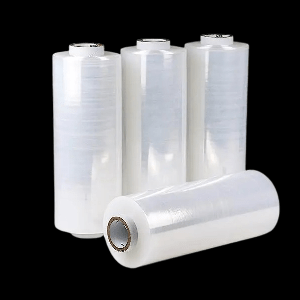
Stretch wrapping rolls are plastic films, typically made from linear low-density polyethylene (LLDPE), that are stretched around palletized goods or items to hold them together securely. This simple yet powerful packaging solution has become a staple in warehouses, distribution centers, and manufacturing facilities.

In logistics, the primary goals are minimizing product damage, optimizing load stability, and ensuring cost-efficient handling. Stretch wraps effectively achieve these objectives by tightly binding goods, protecting them from dust, moisture, and shifting during transportation.

Whether used in manual or automated wrapping systems, stretch wraps are versatile, cost-efficient, and easy to apply — making them a preferred choice across industries ranging from food and beverage to pharmaceuticals and manufacturing.

2. Types of Stretch Wrapping Rolls

Different logistics needs call for different types of stretch wrapping rolls. Some of the most common varieties include:

Hand Stretch Film: Used for manual wrapping of smaller loads. Ideal for low-volume operations.
Machine Stretch Film: Designed for high-volume packaging lines, providing consistent stretch and load stability.
Pre-Stretched Film: Comes pre-stretched, reducing the amount of force required during wrapping, thereby saving labor time and material usage.
Colored or Opaque Stretch Film: Provides added security by concealing valuable goods and preventing tampering.
UV-Resistant Stretch Film: Used for outdoor storage to protect goods from sun damage.

Each type caters to specific logistical challenges, making it easier for companies to select the ideal film based on their operations, product type, and shipping conditions.

3. Enhancing Load Stability and Safety

One of the most significant benefits of using stretch wrapping rolls is load stability. During transportation, products can shift, topple, or collide if not properly secured. Stretch wrapping ensures that the entire load moves as one unit, minimizing internal movement and protecting items from impact.

The tight and uniform hold that stretch wrap provides prevents slippage or falling — critical for maintaining product integrity, especially in shipments with fragile or unevenly shaped items. Moreover, it helps reduce workplace accidents by keeping pallets stable during forklift operations.

A well-wrapped pallet not only safeguards products but also ensures smoother logistics operations from warehouse to final delivery.

4. Protection from Environmental Factors

Products in transit often face exposure to dust, dirt, and moisture — all of which can damage packaging or contents. Stretch wrapping rolls act as a protective shield, keeping external elements at bay.

For instance, stretch film offers a moisture barrier that prevents rain, humidity, or accidental spills from reaching goods. It also helps maintain cleanliness, which is especially important in industries like food processing, pharmaceuticals, and electronics.

Additionally, UV-resistant variants of stretch film can safeguard goods stored outdoors for extended periods, ensuring long-term protection against sunlight and heat.

5. Cost-Effective Packaging Solution

While logistics operations often involve significant costs in materials, labor, and transport, stretch wrapping rolls provide an economical packaging method without compromising safety or efficiency.

Compared to other packaging materials like strapping or shrink wrap, stretch film uses minimal material for maximum effect. It requires less energy (no heat source), can be applied quickly, and is lightweight — all of which contribute to lower overall costs.

Moreover, stretch film’s elasticity allows it to cover more surface area with less material, reducing waste and improving cost efficiency. Its recyclability further adds to its economic and environmental value.

6. Improved Operational Efficiency

Stretch wrapping simplifies and speeds up packaging operations. Modern automated stretch wrapping machines can wrap pallets within seconds, ensuring uniformity and minimizing manual effort. This not only enhances throughput but also reduces human error and fatigue.

Even in manual operations, pre-stretched rolls make the process faster and more efficient. Workers can wrap loads securely with minimal exertion, leading to higher productivity and consistent wrapping quality.

Efficiency in packaging directly impacts logistics performance — faster wrapping means quicker turnaround times and more shipments completed in less time.

7. Versatility Across Industries

One of the biggest strengths of stretch wrapping rolls is their versatility. They can be used to secure a wide range of products across industries, regardless of size, shape, or weight.

Industries that rely heavily on stretch wrapping include:

Food and Beverage: For securing bottled, canned, or packaged goods.
Pharmaceuticals: For maintaining hygiene and protection during long-distance transport.
Construction Materials: For wrapping heavy, bulky loads such as cement bags or tiles.
Retail and E-Commerce: For shipping mixed goods efficiently.
Automotive and Engineering: For transporting parts and components safely.

Their adaptability ensures that stretch wraps meet the unique requirements of various supply chain applications while ensuring consistency in protection and performance.

8. Sustainability and Environmental Benefits

In today’s eco-conscious business environment, sustainability plays a major role in logistics. Stretch wrapping rolls support this trend in several ways.

Firstly, modern stretch films are designed to be lightweight yet durable, reducing material usage per pallet. Secondly, they are fully recyclable, minimizing landfill waste and promoting a circular economy.

Furthermore, by reducing product damage and contamination during transportation, stretch wraps indirectly help reduce overall waste in the supply chain. Manufacturers are also investing in bio-based and biodegradable films, further aligning the industry with global sustainability goals.

9. Enhancing Security and Tamper Evidence

Stretch wrapping provides not just physical protection but also added security during shipment. Once wrapped, any tampering attempt becomes immediately visible — making it easier to detect and prevent unauthorized access.

Opaque or colored films can further conceal valuable or sensitive goods, deterring theft during transit. In high-value logistics operations, such features are critical for maintaining product confidentiality and safety.

Thus, stretch wraps serve as an additional layer of security while ensuring the aesthetic and professional appearance of wrapped loads.

10. Why Stretch Wrapping Rolls Are a Logistics Essential

In modern logistics systems, efficiency, protection, and cost management are intertwined. Stretch wrapping rolls fulfill all three requirements seamlessly. They offer reliable protection, optimize space utilization, and enhance the visual uniformity of pallets.

From small-scale warehouses to large distribution hubs, stretch film remains a packaging staple because it delivers results that other materials struggle to match — low cost, high performance, and versatility.

Whether you’re shipping lightweight consumer goods or heavy industrial equipment, stretch wrapping ensures that your cargo arrives at its destination in the same condition it left the warehouse.

11. Real Packers – The Leading Stretch Wrapping Roll Manufacturer in Chennai

When it comes to quality, durability, and innovation, Real Packers stands as a trusted Stretch Wrapping Roll Manufacturer in Chennai. The company specializes in producing premium-grade stretch films designed to meet diverse industrial needs, from logistics and warehousing to export packaging.

Realpackers ensures superior clarity, stretchability, and tear resistance in every roll, providing maximum protection and load stability. Their stretch wraps are engineered for both manual and automated applications, making them suitable for businesses of all sizes.

By continuously innovating with eco-friendly materials and advanced manufacturing processes, Real Packers ensures that their products not only perform efficiently but also align with global sustainability standards.

12. Why Choose Real Packers for Your Packaging Needs

Choosing the right packaging partner can make all the difference in logistics efficiency. Real Packers offers a range of benefits that set it apart as a leading Stretch Wrapping Roll Manufacturer in Chennai:

Consistent Quality: High-performance rolls made with advanced extrusion technology.
Customization Options: Available in different gauges, colors, and roll lengths.
Eco-Friendly Manufacturing: Commitment to sustainability with recyclable and energy-efficient materials.
Customer-Centric Service: Tailored solutions designed to meet specific industry needs.

With Real Packers, businesses can be confident in receiving stretch wrapping rolls that enhance safety, speed, and sustainability in every shipment.

FINAL THOUGHTS: Securing the Future of Logistics with Real Packers

As logistics operations become more complex and globally connected, the need for reliable packaging solutions grows stronger. Stretch wrapping rolls have proven to be a simple yet transformative tool that optimizes packaging efficiency, protects goods, and enhances sustainability.

With leading manufacturers like Real Packers, businesses in India can access world-class packaging solutions that combine innovation, durability, and environmental responsibility. As a top Stretch Wrapping Roll Manufacturer in Chennai Real Packers continues to redefine the standards of safety and efficiency in logistics — ensuring that every product, pallet, and shipment arrives in perfect condition.