


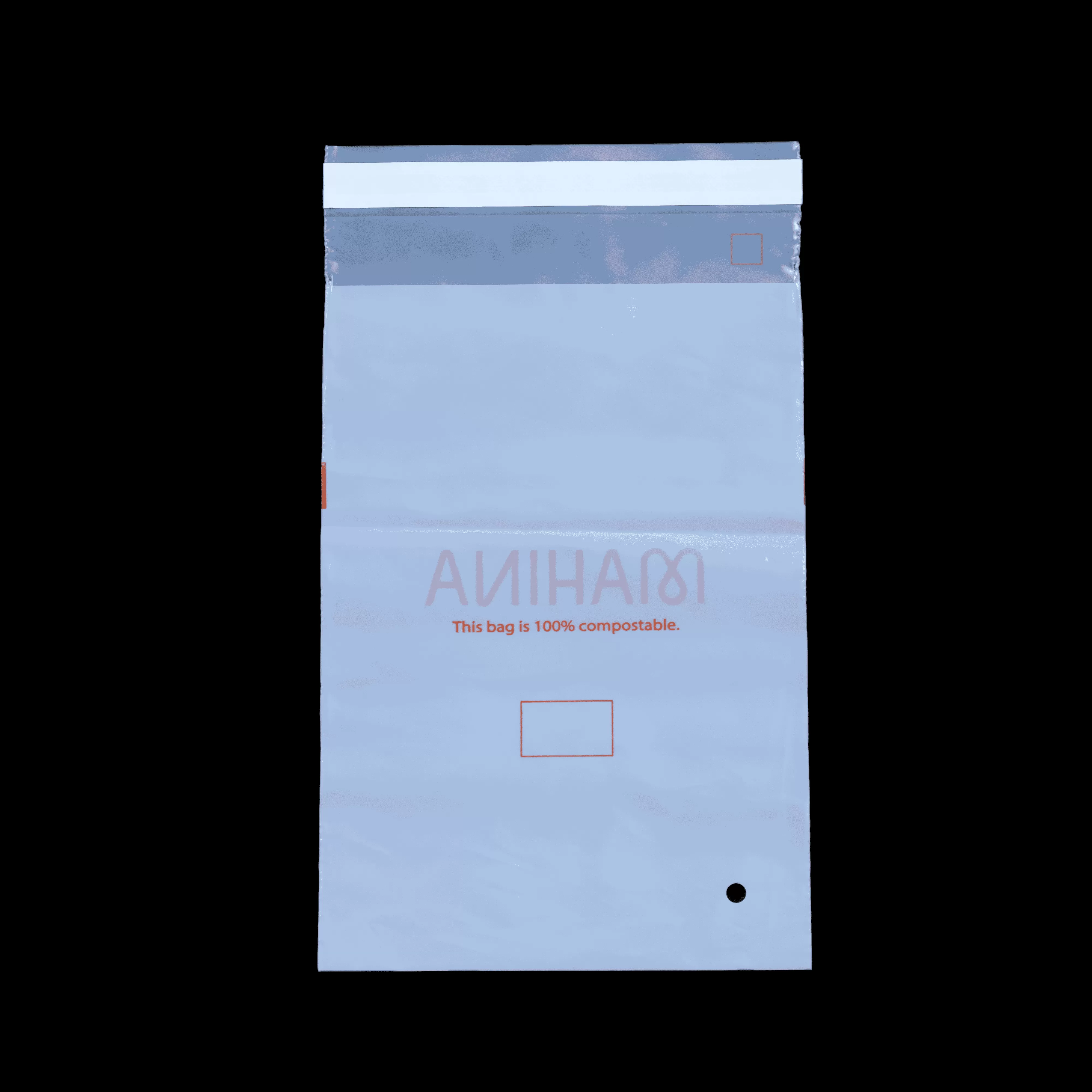
Are Compostable Bags Waterproof and Tear-Resistant?
With the growing awareness of environmental sustainability, compostable bags are rapidly replacing conventional plastic packaging across industries. Retailers, garment exporters, supermarkets, and logistics companies are increasingly opting for compostable alternatives to reduce plastic waste and meet eco-compliance norms. However, one of the most frequently asked questions remains: Are compostable bags waterproof and tear-resistant enough for real-world usage?
This blog explores the science, material composition, functional performance, and real-life usability of compostable bags, helping businesses make informed packaging decisions without compromising on strength or sustainability.
1. Understanding Compostable Bags
Compostable bags are designed to break down naturally into non-toxic components such as water, carbon dioxide, and organic matter under composting conditions. Unlike conventional plastic, these bags do not leave behind harmful microplastics.
They are typically made from renewable plant-based materials like:
Corn starch
Sugarcane derivatives
PLA (Polylactic Acid)
PBAT (Polybutylene Adipate Terephthalate – biodegradable polymer blend)
These materials are engineered to offer functionality similar to plastic while being environmentally responsible.
2. Difference Between Compostable and Biodegradable Bags
Although often used interchangeably, biodegradable and compostable bags are not the same.
Biodegradable bags break down over time but may leave microplastic residues.
Compostable bags break down completely into natural elements within a specific timeframe under composting conditions.
This distinction is crucial when evaluating strength, durability, and water resistance, as compostable bags are subject to stricter material standards.
3. Are Compostable Bags Waterproof?
One of the most common misconceptions is that compostable bags dissolve instantly when exposed to water. In reality, compostable bags are water-resistant, not water-soluble.
Short-Term Water Resistance
Compostable bags can safely hold:
Moist garments
Condensation-prone items
Products exposed to humidity
They are suitable for everyday use in environments where brief contact with water or moisture is expected.
Long-Term Exposure Limitations
However, prolonged exposure to water or excessive humidity can weaken the bag over time. This is because compostable materials are designed to degrade under natural conditions eventually.
Key takeaway: Compostable bags are waterproof enough for storage, transport, and retail usage but are not designed for prolonged soaking.
4. How Compostable Bags Handle Humidity
Humidity resistance is critical for packaging, especially in tropical climates.
Modern compostable bags are engineered with multi-layered film structures that:
Reduce moisture absorption
Prevent immediate softening
Maintain shape during short-term humidity exposure
For garment packaging, this level of protection is more than sufficient when used correctly and stored in dry conditions.
5. Tear Resistance: Are Compostable Bags Strong Enough?
Strength and tear resistance depend on material quality, thickness, and manufacturing techniques.
Material Engineering
High-quality compostable bags are made with:
Reinforced polymer blends
Controlled film thickness
Balanced flexibility and rigidity
These features prevent easy tearing and ensure durability during handling, packing, and transport.
Load-Bearing Capability
Compostable bags can handle:
Folded garments
Apparel accessories
Lightweight to medium-weight products
They perform comparably to low- and mid-density plastic bags when designed properly.
6. Factors That Affect Tear Resistance
Several factors determine how tear-resistant a compostable bag will be:
Thickness (Microns): Thicker bags offer higher strength
Seam Quality: Strong heat-sealed edges prevent splits
Bag Design: Gussets and reinforced handles improve durability
Material Blend Ratio: Balanced PLA and PBAT blends enhance flexibility
Choosing the right specifications ensures compostable bags perform reliably across applications.
7. Real-World Applications of Compostable Bags
Compostable bags are already being used successfully across multiple industries:
Garment packaging
Retail shopping bags
Food takeaways
Courier and e-commerce packaging
Promotional and exhibition bags
Their adoption proves that eco-friendly packaging no longer means compromising on performance.
8. Compostable Bags vs Plastic Bags: A Strength Comparison
When compared realistically:
Plastic Bags – High waterproofing, high tear resistance, harmful environmental impact, decomposition takes hundreds of years, microplastics present.
Compostable Bags – Moderate to high waterproofing, medium to high tear resistance, eco-friendly, decomposition in 90–180 days, no microplastics.
While plastic still has higher long-term water resistance, compostable bags offer sufficient strength for most commercial applications.
9. Best Practices to Maximize Compostable Bag Performance
To ensure durability and usability, businesses should follow these best practices:
Store bags in cool, dry environments
Avoid prolonged water exposure
Use appropriate thickness for product weight
Choose certified compostable materials
Avoid overloading beyond recommended capacity
When used correctly, compostable bags perform efficiently throughout their lifecycle.
10. Why Choosing the Right Biodegradable Compostable Bag Manufacturer Matters
Selecting a reliable Biodegradable Compostable Bag Manufacturer plays a crucial role in ensuring product quality, tear resistance, and water resistance. Experienced manufacturers follow strict quality control measures, source certified raw materials, and engineer bags suitable for specific industries such as garments, retail, and logistics. Choosing a trusted manufacturer helps businesses maintain both sustainability goals and operational efficiency.
11. The Growing Demand for Biodegradable Compostable Bags for Garments
The apparel industry is rapidly shifting toward Biodegradable Compostable Bags for Garments to meet sustainability regulations and consumer expectations. These bags offer sufficient protection against dust, moisture, and handling damage while enhancing brand image through eco-friendly packaging. Their strength, clarity, and professional finish make them ideal for garment storage and transportation.
12. How Real Packers Ensures Strength and Sustainability in Compostable Bags
Realpackers focuses on delivering high-quality compostable packaging solutions by combining advanced manufacturing processes with eco-certified materials. As a trusted Biodegradable Compostable Bag Manufacturer, the company ensures that each bag offers optimal tear resistance, controlled water resistance, and consistent performance, especially for Biodegradable Compostable Bags for Garments used in retail and export packaging.
Conclusion
So, are compostable bags waterproof and tear-resistant? The answer is yes—when manufactured correctly and used appropriately. While they may not offer indefinite water resistance like plastic, compostable bags provide more than enough strength and protection for most commercial and retail applications.
With the support of reliable manufacturers like Real Packers, businesses can confidently adopt Biodegradable Compostable Bags for Garments without sacrificing quality or performance. Partnering with a trusted Biodegradable Compostable Bag Manufacturer ensures packaging solutions that align with both sustainability goals and practical requirements, paving the way for a greener future.
2 comments on “Are Compostable Bags Waterproof and Tear-Resistant?”
The jackpot hits here are more frequent than anywhere else. Great site with a very friendly community. Five stars for 77jilionline
Super easy to navigate and the promotions are always fresh. It is great to find a site that actually cares about the players. Love phu888ph.