

Why Export Businesses Need a Reliable Biodegradable Compostable Bag Manufacturer

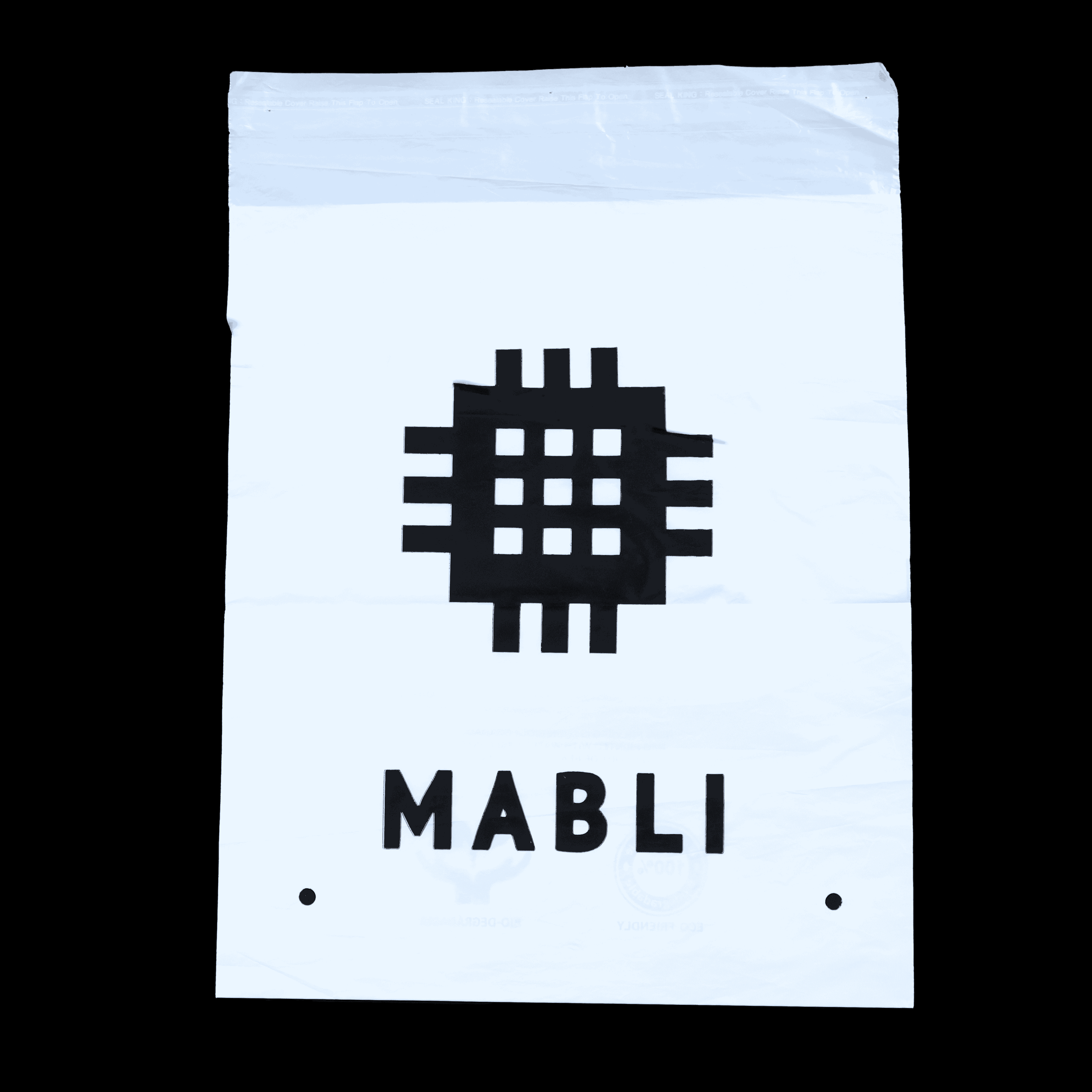
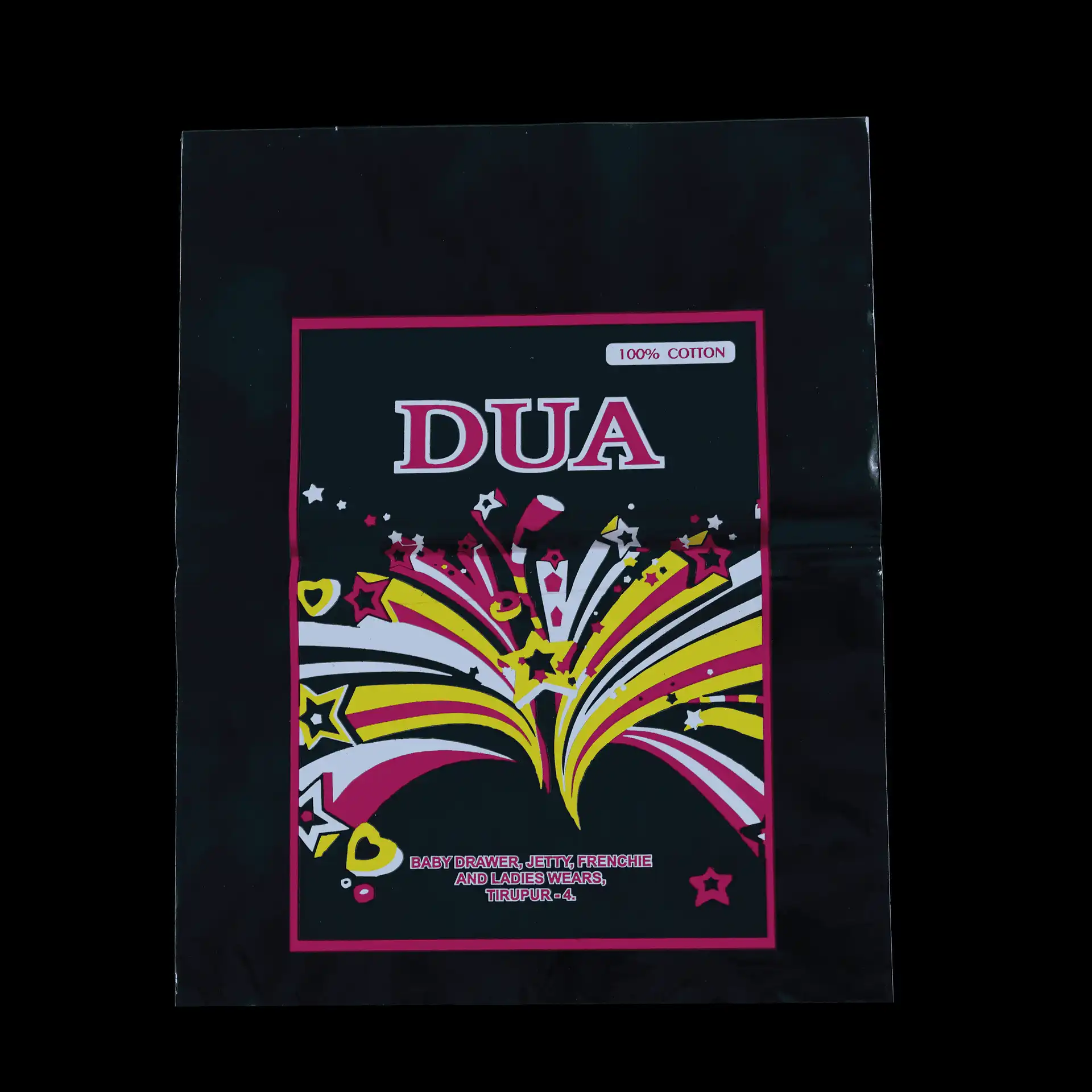
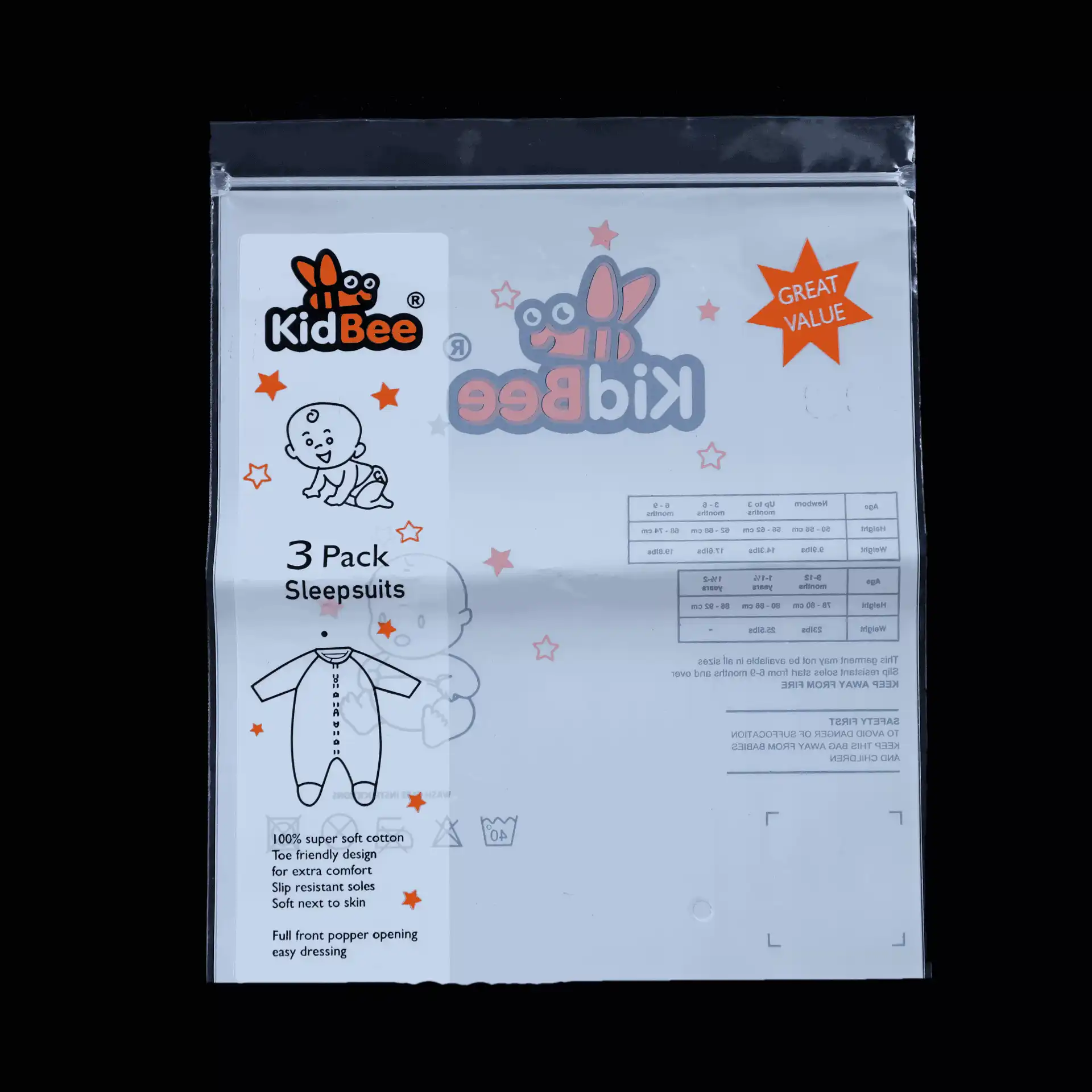
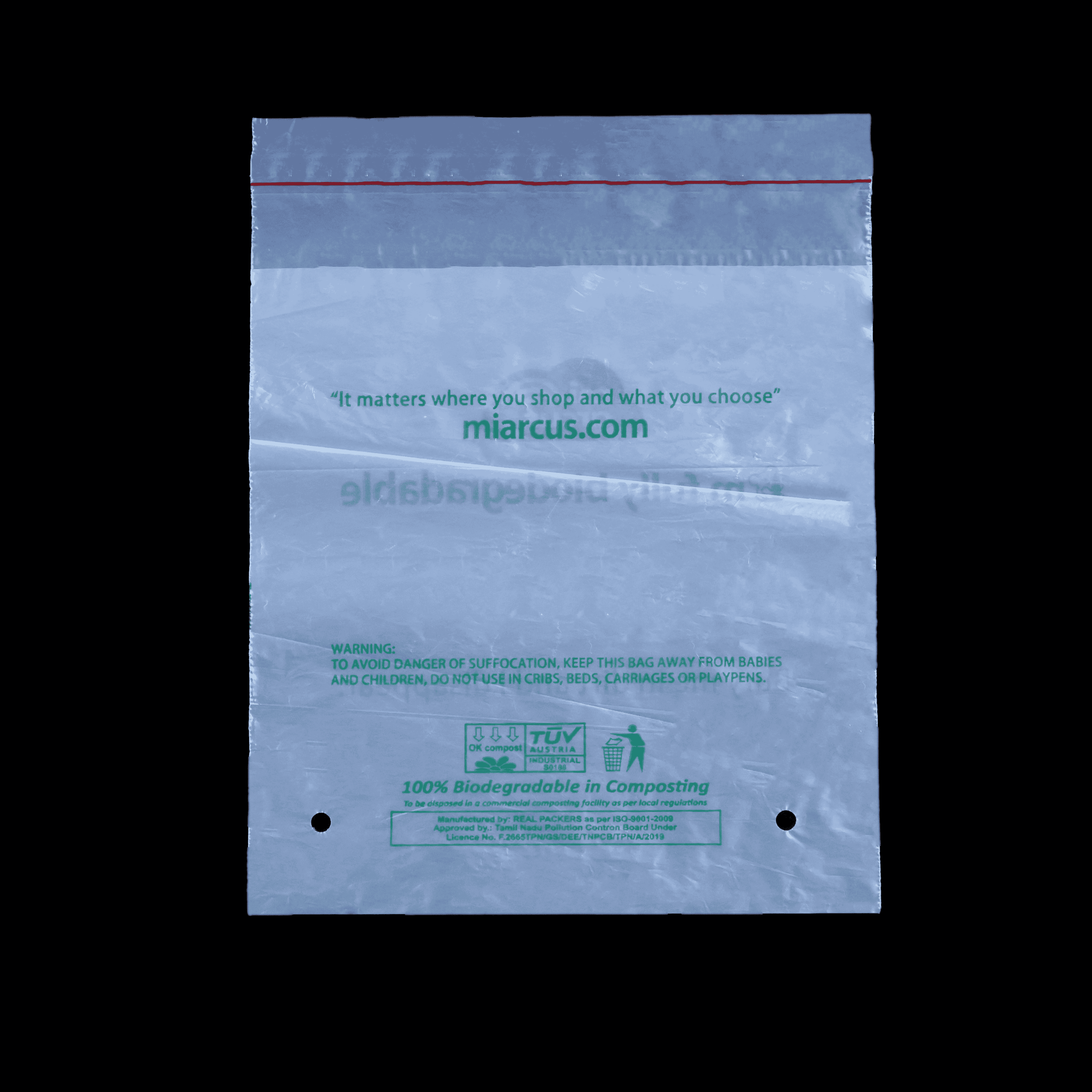
Trusted Biodegradable Compostable Bags for Garments

Introduction

In today’s globalized economy, export businesses face growing challenges when it comes to packaging. With consumers and regulatory bodies pushing for greener solutions, packaging is no longer just about protecting goods during transit. It has become a vital part of brand identity, environmental responsibility, and global competitiveness. One product that has rapidly gained traction is the biodegradable compostable bag. Unlike conventional plastic packaging that contributes to long-term pollution, these eco-friendly alternatives align with modern sustainability demands while still ensuring quality and durability.

For export businesses, especially those dealing with textiles, apparel, food products, and consumer goods, choosing the right packaging partner is crucial. The difference between a generic supplier and a trusted manufacturer can significantly impact customer satisfaction, compliance with international regulations, and overall brand image.

This blog explores why export businesses need a reliable biodegradable compostable bag manufacturer, the global push for sustainable packaging, and how these bags are particularly relevant for industries like garments and textiles.

The Global Shift Towards Sustainable Packaging

In recent years, sustainability has shifted from being a marketing buzzword to a business necessity. Governments worldwide have introduced strict bans and regulations on single-use plastics. For example, the European Union, Canada, and several Asian countries have already restricted traditional plastic packaging.

Export businesses shipping to these regions cannot afford to ignore these rules. Non-compliance may result in shipment rejections, fines, or damaged brand reputation. By adopting biodegradable compostable bags, exporters demonstrate environmental responsibility while ensuring compliance with global packaging standards.

Additionally, eco-conscious consumers are more likely to choose products that come in sustainable packaging. For brands, this is a chance to strengthen loyalty and enhance their global presence.

Understanding Biodegradable Compostable Bags

Biodegradable Bags – Break down into natural components such as water, carbon dioxide, and biomass under specific conditions.

Compostable Bags – Go a step further by not only degrading but also enriching the soil as compost, leaving no toxic residues.

These bags are typically made from plant-based raw materials like cornstarch, PLA (Polylactic Acid), or PBAT (Polybutylene Adipate Terephthalate). They are designed to mimic the strength and flexibility of plastic while being safe for the environment.

For exporters, this dual advantage—durability and eco-friendliness—makes them a superior choice over conventional plastic packaging.

The Importance of Packaging in Export Businesses

Packaging is more than just a wrapper—it is the first impression international buyers get about a product. Its importance can be summarized as:

  • Protection – Preventing damage, contamination, or spoilage during long transit.
  • Compliance – Meeting international standards and regulations for entry into foreign markets.
  • Brand Identity – Conveying values like sustainability, innovation, and responsibility.
  • Customer Experience – Enhancing the unboxing experience and overall satisfaction.

For export businesses, sustainable packaging like biodegradable compostable bags serves all these purposes while also aligning with global sustainability goals.

Challenges Exporters Face Without Reliable Packaging Partners

Export businesses that fail to partner with reliable biodegradable compostable bag manufacturers may face:

  • Regulatory Non-Compliance – Risk of shipment rejection or fines.
  • Inconsistent Quality – Bags that tear, leak, or fail under pressure damage goods and brand reputation.
  • Higher Costs – Cheap alternatives often lead to repackaging or product losses.
  • Supply Chain Disruptions – Inability to meet demand due to unreliable suppliers.

A reliable manufacturer eliminates these risks by ensuring quality, compliance, and timely delivery.

Why Biodegradable Compostable Bags Are Ideal for Garments

One of the largest sectors that benefits from biodegradable compostable bags is the garment and textile industry. With fashion exports growing rapidly, packaging plays a vital role in:

  • Protecting fabrics from moisture and dust.
  • Enhancing brand image with eco-friendly appeal.
  • Meeting retail and export packaging regulations in sustainable-conscious markets.

Biodegradable compostable bags for garments provide the transparency, strength, and durability needed while also appealing to eco-conscious global buyers.

Features of High-Quality Biodegradable Compostable Bags

When export businesses evaluate compostable bags, they should look for these qualities:

  • Durability – Able to withstand long shipping durations.
  • Flexibility – Suitable for different product categories, from garments to food.
  • Transparency or Custom Printing Options – For branding purposes.
  • Certification – Compliance with international standards like EN 13432, ASTM D6400, or IS/ISO certifications.
  • Cost-Effectiveness – Competitive pricing without compromising quality.

A trusted manufacturer ensures these features are consistently delivered.

The Role of Certifications in Building Trust

Certifications are crucial for international trade. Exporters must work with manufacturers who provide certified biodegradable compostable bags. Some key certifications include:

  • OK Compost and Seedling Logos (EU Standards).
  • ASTM D6400 Certification (USA).
  • ISO Standards for quality and environmental management.
  • Government-Approved Licenses in the country of origin.

These certifications assure international buyers of product authenticity and compliance.

Supply Chain Reliability and Scalability

Export businesses thrive on consistency. A reliable biodegradable compostable bag manufacturer must guarantee:

  • Consistent Quality Across Batches.
  • Scalable Production to handle bulk export orders.
  • Timely Delivery to meet strict shipping deadlines.
  • Global Logistics Support to ensure packaging solutions reach exporters on time.

Without this level of reliability, exporters risk losing contracts and customer trust.

Long-Term Business Value of Sustainable Packaging

Switching to biodegradable compostable bags is not just a regulatory necessity—it’s a long-term investment. Exporters adopting eco-friendly packaging enjoy:

  • Stronger Customer Loyalty.
  • Premium Brand Perception.
  • Market Expansion in Sustainability-Driven Regions.
  • Future-Proof Business Models Against Evolving Regulations.

Thus, sustainability directly contributes to profitability and brand resilience.

Why Exporters Should Partner with Real Packers – A Trusted Biodegradable Compostable Bag Manufacturer

For businesses seeking a dependable Biodegradable Compostable Bag Manufacturer, Real Packers is a trusted name. With years of expertise in eco-friendly packaging solutions, Real Packers ensures compliance with global certifications, superior product durability, and customized designs for export businesses. Their ability to deliver Biodegradable Compostable Bags for Garments has made them a preferred partner for fashion and textile exporters worldwide.

Real Packers’ Commitment to Export-Ready Compostable Packaging

Real Packers focuses on innovation and sustainability. Their Biodegradable Compostable Bags for Garments are designed to meet the demands of exporters who require high transparency, durability, and premium finish for their apparel shipments. Beyond garments, their product range also supports food, retail, and consumer goods industries, making them a versatile partner for exporters across multiple sectors.

The Competitive Edge of Choosing Real Packers for Biodegradable Compostable Bags

Partnering with Realpackers, a trusted Biodegradable Compostable Bag Manufacturer, gives exporters a competitive advantage. From maintaining consistent quality to meeting bulk order demands, Real Packers ensures exporters never compromise on deadlines or international compliance. Their Biodegradable Compostable Bags for Garments combine sustainability with performance, allowing exporters to enhance brand reputation and meet global eco-friendly expectations.

Final Thoughts

Export businesses today operate in a highly competitive and environmentally conscious market. Packaging is no longer just about utility, it is about compliance, branding, and customer trust. Biodegradable compostable bags have emerged as a revolutionary solution, especially for garments and textiles, where eco-friendly practices are highly valued.

Working with a reliable partner like Real Packers, a leading Biodegradable Compostable Bag Manufacturer, ensures exporters gain access to high-quality, certified, and export-ready packaging solutions. With their specialized Biodegradable Compostable Bags for Garments Real Packers helps exporters strengthen their sustainability goals, enhance their brand reputation, and stay compliant with international regulations.

Why Animal Feed Manufacturers Prefer BOPP Laminated Bags

Best BOPP Laminated Bags Manufacturer and Supplier in Bangalore

Introduction

In the vast world of packaging, the choice of materials can directly impact product quality, shelf life, transportation efficiency, and brand perception. Among the many options available to industrial sectors, BOPP (Biaxially Oriented Polypropylene) laminated bags have emerged as a preferred solution especially within the animal feed manufacturing industry.

Animal feed is a sensitive product category. It must be protected from moisture, contamination, pests, and spoilage. Moreover, manufacturers require a packaging solution that not only preserves the contents but also promotes their brand effectively. BOPP laminated bags fit this need perfectly. In this blog, we will explore why animal feed manufacturers across the globe are shifting to BOPP laminated bags and what makes them superior to traditional packaging methods.

What Are BOPP Laminated Bags?

Before diving into their benefits, it’s essential to understand what BOPP laminated bags are. BOPP stands for Biaxially Oriented Polypropylene, a type of plastic film that is stretched in two directions to enhance its strength, clarity, and barrier properties. These films are then laminated onto woven polypropylene (PP) fabric to create a high-performance packaging material.

These bags often come with multi-layered structures, where one layer provides strength and durability while the other offers moisture resistance, printability, and aesthetic appeal. The final product is a robust, attractive, and highly functional bag suitable for a variety of bulk and semi-bulk packaging needs.

Key Benefits of BOPP Laminated Bags in Animal Feed Packaging

1. Moisture Resistance and Product Protection

One of the biggest concerns in animal feed packaging is moisture ingress. Feed that becomes damp can develop mold, attract pests, and ultimately spoil. BOPP laminated bags offer exceptional moisture barriers that keep feed dry and uncontaminated, ensuring longer shelf life and product integrity.

2. Enhanced Durability and Strength

Animal feed bags are subjected to rough handling during transportation, storage, and retail display. Traditional bags like jute or low-quality plastic sacks can tear easily. BOPP laminated bags, on the other hand, offer superior tensile strength, puncture resistance, and tear-resistance, making them ideal for the rigors of logistics and distribution.

3. Superior Print Quality and Branding

Another reason animal feed manufacturers prefer BOPP bags is the ability to print high-definition graphics on them. Unlike woven sacks or kraft paper bags, BOPP laminated bags allow for vivid, multicolored branding, which is essential in a competitive market. The bags can include nutritional details, instructions, certifications, and appealing brand visuals that help attract customer attention.

4. Eco-Friendliness and Reusability

While plastic packaging has traditionally been criticized for its environmental impact, BOPP laminated bags offer reusability and recyclability, making them more sustainable than single-use alternatives. The extended life of BOPP bags means they can be reused by end-users for multiple purposes, reducing overall waste.

5. Customizable Sizes and Features

BOPP bags can be tailored to meet the specific needs of feed manufacturers. They come in a wide range of sizes (from 5 kg to 50 kg), shapes (pillow-type, gusseted, etc.), and closures (zipper, valve, stitch, or heat-seal), offering flexibility and convenience. Additional features like UV protection and antiskid printing further enhance their value.

Applications Beyond Just Packaging

BOPP laminated bags are not merely containers. They serve multiple purposes that align with the broader supply chain and business goals of animal feed manufacturers.

  • Marketing Tool: High-quality print options make BOPP bags excellent for marketing in retail environments.
  • Inventory Management: With printed barcodes and product info, tracking inventory becomes easier.
  • Customer Engagement: Bags often include care instructions and company information to engage end-users.

Challenges with Traditional Feed Packaging

Let’s compare BOPP laminated bags with traditional alternatives like:

  • Jute Bags: Though eco-friendly, they are prone to tearing and absorb moisture easily.
  • Paper Bags: Lack durability and are unsuitable for humid environments.
  • PE Bags: Lack the aesthetic printability and may not offer multilayer protection.

BOPP bags, thus, resolve several of these pain points by combining performance, appearance, and economy.

Cost-Effectiveness and ROI

While the initial cost of BOPP laminated bags may be slightly higher than basic woven sacks or paper bags, the return on investment is significant. Reduced losses from spoilage, improved brand visibility, lower handling damage, and increased customer satisfaction lead to long-term savings and business growth.

Compliance and Safety in Feed Packaging

Animal feed products must comply with various regulatory standards related to hygiene, labeling, and safety. BOPP laminated bags can easily accommodate these needs. The high-quality, food-grade materials used in these bags ensure there is no chemical leaching, and the clarity of print makes it easier to display mandatory information such as batch numbers, ingredients, manufacturing dates, and certifications.

Global Trends Influencing BOPP Bag Usage

Several global packaging trends align well with the increasing adoption of BOPP laminated bags in the animal feed industry:

  • Shift Toward Eco-Friendly Packaging: With growing concerns around single-use plastics, durable and reusable packaging like BOPP bags is gaining traction.
  • Automation-Friendly Packaging: BOPP bags are compatible with modern filling and sealing machinery, enhancing operational efficiency.
  • Premiumization of Feed Products: More brands are positioning their feed as premium products, and premium packaging supports this image.

Maintenance and Storage of BOPP Bags

These bags are easy to handle and store. Unlike jute or paper bags, they do not attract insects or degrade in humid storage conditions. Their lightweight nature and stackability reduce transportation and storage costs. Manufacturers can also add a matte or glossy finish for surface protection and brand appeal.

Why BOPP Bags Are Ideal for Export Markets

Export markets demand packaging that can endure long-distance shipping, fluctuating climates, and different logistical practices. BOPP laminated bags perform excellently in these conditions. Their robust structure, UV stability, and barrier properties make them highly reliable for international trade. Moreover, their attractive appearance adds value in overseas retail environments.

Trusted BOPP Bags Manufacturer in Chennai: Realpackers

When sourcing packaging materials for sensitive products like animal feed, manufacturers need a reliable partner with a track record of quality, consistency, and customization. That’s where Realpackers stands out as a leading BOPP Bags Manufacturer in Chennai. With a state-of-the-art manufacturing facility, stringent quality controls, and a customer-focused approach, Realpackers delivers durable, customizable BOPP laminated bags tailored for the animal feed industry.

Leading the Way: Realpackers as a BOPP Bags Manufacturer in Chennai

As a BOPP Bags Manufacturer in Chennai, Realpackers not only ensures top-quality packaging solutions but also stays updated with global trends and customer needs. Whether you are a small feed business or a large-scale exporter, Realpackers provides flexible batch sizes, timely delivery, and custom branding solutions to meet your specific goals.

Why Choose Realpackers: The Reliable BOPP Bags Manufacturer in Chennai

Realpackers’ reputation as a trusted BOPP Bags Manufacturer in Chennai is built on decades of expertise, investment in cutting-edge technology, and commitment to environmental sustainability. From moisture-resistant layers to high-resolution graphics, each bag is engineered for performance and visual appeal.

FINAL THOUGHTS

The animal feed industry cannot afford to compromise on packaging. Feed products must be protected, branded, and shipped efficiently and BOPP laminated bags offer the perfect blend of functionality, aesthetics, and value. As global demand increases for secure and eco-conscious packaging, these bags are setting the benchmark for performance and reliability.

If you’re looking for a partner that understands the unique packaging needs of your feed business, Realpackers, a trusted BOPP Bags Manufacturer in Chennai, is the name to rely on. Whether you prioritize moisture protection, brand visibility, or export-ready durability, BOPP laminated bags from Realpackers deliver on every front.

How to Choose Sustainable Wrapping Films for Your Machine

Best Box Wrapping Machine Manufacturer and Supplier in Bangalore

Introduction

In today’s evolving industrial landscape, sustainability is no longer a buzzword, it is a necessity. For businesses involved in packaging and logistics, choosing the right wrapping film is a critical part of reducing their environmental impact. Whether you’re wrapping boxes, pallets, or machinery components, the choice of wrapping film can significantly influence both operational efficiency and ecological responsibility.

This blog takes a deep dive into the world of sustainable wrapping films and provides a comprehensive guide on how to choose the best film for your machine while minimizing environmental harm.

Understanding the Environmental Impact of Wrapping Films

Traditional plastic wrapping films are typically made from petroleum-based materials such as polyethylene or polypropylene. While these materials offer durability and flexibility, they pose severe environmental concerns due to their non-biodegradable nature.

Non-recyclable films contribute to the ever-growing plastic pollution problem. Even those that can be recycled are often contaminated or disposed of incorrectly, rendering them ineffective in reducing environmental damage.

The good news? Advancements in material science and manufacturing have made it possible to produce wrapping films that are both high-performing and sustainable.

What Makes a Wrapping Film “Sustainable”?

A sustainable wrapping film is one that offers effective protection and utility during use while being less harmful to the environment throughout its lifecycle. The following features are often used to define a sustainable wrapping film:

  • Made from Recycled Materials: Incorporating post-consumer or post-industrial recycled plastic.
  • Biodegradable or Compostable: Films that break down naturally over time.
  • Lower Gauge Thickness: Reducing the amount of material used without compromising performance.
  • Reusability: Some films are engineered for multiple uses before disposal.
  • Reduced Carbon Footprint: Produced through energy-efficient manufacturing processes.

Common Types of Sustainable Wrapping Films

  • Biodegradable Films: Made from natural polymers like starch, PLA (polylactic acid), or cellulose. They decompose over time under composting conditions, significantly reducing landfill impact.
  • Oxodegradable Films: These break down through oxidation and sunlight exposure. However, their environmental benefits are still debated due to microplastic residue.
  • Recyclable Stretch Films: Designed for mechanical recycling. Many LLDPE (Linear Low-Density Polyethylene) films now come in recyclable grades that maintain performance while being eco-friendly.
  • Nano-layer Films: Engineered for maximum performance with minimum material usage. Their advanced design reduces film waste and improves wrapping efficiency.

Key Factors to Consider When Choosing Sustainable Films for Your Machine

  • Compatibility with Your Wrapping Equipment
    • Film tension and elasticity
    • Pre-stretch capabilities
    • Load containment standards
    • Machine speed compatibility
  • Load Characteristics: The shape, weight, and fragility of the load will determine the kind of film required. Heavy or unstable loads may need stronger stretch films or reinforced biodegradable options.
  • Environmental Certifications:
    • ASTM D6400 or EN 13432 for compostability
    • Recyclability logos
    • ISO certifications for sustainable production practices
  • Cost vs. Long-Term Savings:
    • Reduced waste disposal fees
    • Enhanced brand image
    • Lower consumption due to high stretchability
    • Potential tax or regulatory incentives
  • Supplier Transparency: Ensure your film supplier provides detailed information about material sourcing, recyclability, and end-of-life processing. Choose vendors committed to sustainability not just in product design but also in business practices.

Benefits of Using Sustainable Wrapping Films

  • Reduced Waste: Eco-friendly wrapping films lead to a reduction in plastic usage and landfill accumulation, directly supporting global waste reduction goals.
  • Improved Brand Perception: Today’s consumers are environmentally conscious. Brands that prioritize sustainability attract loyalty and enjoy better public relations.
  • Regulatory Compliance: Government policies increasingly mandate eco-responsible practices. Sustainable wrapping ensures compliance with environmental regulations.
  • Operational Efficiency: Many sustainable films are designed to offer high stretch, better yield per roll, and reduce breakage, improving your operational throughput.

Common Misconceptions About Sustainable Wrapping Films

  • “They are too expensive.” Sustainable options often reduce material use, leading to cost savings over time.
  • “They are not strong enough.” Advances in material science have led to sustainable films that match or exceed the strength of traditional wraps.
  • “Biodegradable means compostable.” Not all biodegradable films are compostable. Verify certifications to ensure correct disposal practices.

Innovations Driving the Sustainable Film Industry

  • Bio-based Polymers: Derived from renewable sources like sugarcane or cornstarch.
  • Smart Stretch Technology: Allows thinner films to stretch farther and last longer.
  • Closed-Loop Recycling Programs: Manufacturers take back used films for recycling.

Partnering with the Right Supplier: A Key to Sustainable Success

Choosing a Trusted Box Wrapping Machine Supplier in Bangalore

When implementing sustainable wrapping practices, your machinery matters as much as your film. Not all machines are optimized to handle eco-friendly films, which often require precise tension control and pre-stretch settings.

A reputable Box Wrapping Machine Supplier in Bangalore will offer:

  • Custom machine configurations for eco-films
  • Energy-efficient motors and smart sensors
  • Technical support for film testing and adjustment
  • Long-term ROI-focused maintenance plans
Why Realpackers Is a Preferred Choice for Sustainable Packaging Needs

Realpackers has built a reputation as a forward-thinking Box Wrapping Machine Supplier in Bangalore by integrating innovation, sustainability, and customer-first solutions. Whether you’re an SME or a large-scale distributor, Realpackers delivers:

  • Machines compatible with a wide range of sustainable films
  • Durable designs with low power consumption
  • Customized automation for operational ease
  • Expert consultation for eco-transition planning

From machinery to technical support, Realpackers ensures every aspect of your packaging line contributes to your green goals.

Realpackers’ Commitment as a Box Wrapping Machine Supplier in Bangalore

In addition to offering advanced wrapping machines, Realpackers advocates for a circular economy by:

  • Promoting recyclable film usage
  • Collaborating with biodegradable film suppliers
  • Educating clients on waste management and film optimization

Their mission goes beyond supply; it includes stewardship of responsible industrial practices in India’s rapidly expanding packaging sector.

Conclusion

Sustainable wrapping films are no longer optional; they are essential for companies aiming to stay competitive and environmentally conscious. From material choice to machine compatibility, every decision influences your ecological footprint. By understanding the types of eco-friendly films available and the factors to consider in selection, businesses can significantly reduce packaging waste.

Choosing the right equipment is equally important. By partnering with an experienced Box Wrapping Machine Supplier in Bangalore Realpackers, you can seamlessly integrate sustainable films into your operations. Realpackers’ expert guidance, machine compatibility, and green mindset make them a trusted name in sustainable packaging.

Sustainability starts with informed choices. Choose wisely, choose green, and choose Realpackers.

Role of Polybags in Medical and Pharmaceutical Packaging 

Best Polybags Supplier in Chennai

Role of Polybags in Medical and Pharmaceutical Packaging

Introduction

In the ever-evolving landscape of healthcare, the significance of packaging cannot be overstated. Medical and pharmaceutical packaging plays a pivotal role in safeguarding the integrity of life-saving drugs, instruments, and sterile devices. Among the many packaging materials used in this industry, polybags have emerged as a cornerstone due to their versatility, hygiene standards, and adaptability across various medical settings.

This blog explores how polybags contribute to pharmaceutical safety, the diverse types suited for the sector, and why their reliability is critical in the supply chain of healthcare.

The Importance of Safe Packaging in Healthcare

  • Protection from Contamination: Pharmaceuticals and medical tools must be sterile and free from microbial contamination. Improper packaging can lead to loss of efficacy or pose direct threats to patient health.
  • Shelf-life Extension: High-barrier packaging like polybags can help extend the life of temperature- or moisture-sensitive products.
  • Compliance: Packaging must meet stringent national and international regulatory standards such as the FDA (U.S.), CDSCO (India), and WHO guidelines.
  • Information Clarity: Proper labeling and printed polybags help deliver crucial information like dosage, expiry, or storage instructions.

What Are Polybags?

Polybags are lightweight, flexible plastic bags usually made from polyethylene (LDPE, LLDPE, HDPE) or polypropylene (PP). These bags are available in various thicknesses, designs, and sealing types to suit specific needs, from consumer goods to industrial packaging. Their widespread use in medicine stems from several benefits:

  • High strength-to-weight ratio
  • Customizable barrier properties
  • Chemical resistance
  • Transparent for easy identification
  • Cost-effective and scalable

Key Benefits of Polybags in the Pharmaceutical Industry

  • Sterility and Cleanroom Compatibility: Polybags designed for medical applications can be manufactured in cleanroom environments. They are free from contaminants like dust, fibers, and moisture. They can also be sterilized using ethylene oxide or gamma irradiation, making them ideal for packaging surgical instruments, implants, or diagnostic kits.
  • Protection Against Moisture and Oxygen: Some pharmaceutical compounds are highly sensitive to moisture or oxidation. Polybags with multilayer barriers or metallized film linings protect against these intrusions. Such polybags ensure that pills, powders, or solutions remain chemically stable throughout their shelf life.
  • Tamper Evidence and Safety Seals: Tamper-proof polybags are essential in pharmaceutical logistics. These bags have features like tear notches, perforations, or double seals to ensure the contents haven’t been accessed or altered. This builds consumer trust and regulatory compliance.
  • Lightweight and Space Saving: In high-volume pharmaceutical distribution, every gram and inch of space counts. Polybags reduce overall package weight and save space compared to rigid packaging, making logistics more efficient and economical.

Types of Polybags Used in Medical and Pharma Packaging

  • LDPE/HDPE Polybags: Used for basic drug packaging, instrument covers, and inner linings for cartons. LDPE offers flexibility, while HDPE is tougher and moisture-resistant.
  • Antistatic Polybags: Ideal for electronic medical devices or test kits containing sensitive microchips. These bags prevent static buildup, which can damage sensitive equipment.
  • Sterilization Bags: Made to withstand high temperatures or chemicals used in sterilization. These are often used for packaging surgical tools, labware, and implantable devices.
  • Vacuum Pouches: Used when complete air removal is necessary. They extend shelf life and provide compact packaging for biologics and diagnostic strips.
  • Ziplock and Self-Seal Bags: Reusable bags often used in hospitals and pharmacies for dispensing tablets, small instruments, or gauze.

Regulatory Aspects and Material Safety

When polybags are used in healthcare, they must comply with several safety standards to ensure no leachables or extractables contaminate the contents. Standards like:

  • USP Class VI: Evaluates plastic material biocompatibility
  • ISO 11607: Covers packaging for terminally sterilized medical devices
  • FDA 21 CFR: Specifies materials safe for pharmaceutical contact

Manufacturers must also comply with recycling and environmental safety norms, especially if the bags are used in large quantities.

Role in Hospital Supply Chain and Pharmacy Dispensing

  • Individual medicine pouches in outpatient dispensaries
  • Sample bags for diagnostic labs
  • Organizing sterile supplies in operation theaters
  • Packaging vaccines and injectables for last-mile delivery
  • Printed polybags for branding, dosage labeling, and consumer awareness in pharmacies

Innovations in Polybag Technology

  • QR codes for authentication
  • RFID tags for inventory tracking
  • Biodegradable polymers to meet sustainability norms
  • Anti-microbial additives for added safety

Cost-Effectiveness and Scalability

For large pharmaceutical companies or hospitals operating at scale, cost-efficiency is vital. Polybags are relatively inexpensive, even when produced with high-quality medical-grade materials. They can be mass-manufactured with custom branding, printing, and size specifications making them highly scalable.

Challenges in Polybag Use and How They’re Being Addressed
  • Offering recyclable or biodegradable polybags
  • Reinforcing bags with multi-layer co-extrusion for durability
  • Educating stakeholders about responsible disposal and segregation

Customization Options and Branding for Pharma Polybags

  • Custom printing for dosage, branding, and multilingual instructions
  • Transparent windows for visibility
  • Matte or gloss finishes for premium feel
  • Tamper-evident closures for security assurance
Why Work with a Trusted Polybags Supplier in Chennai?

Choosing a reliable polybags supplier in Chennai ensures that your business meets the high standards expected in pharmaceutical packaging. Suppliers based in Chennai often have proximity to port infrastructure, cleanroom manufacturing units, and access to raw material hubs. They offer:

  • Quick lead times
  • Adherence to ISO and GMP standards
  • Competitive pricing for bulk orders
  • R&D for custom applications
What to Look for in a Polybags Supplier in Chennai for Pharma Use
  • Use virgin medical-grade resins
  • Offer sterile packaging solutions
  • Provide documentation and compliance certificates
  • Are equipped for large-scale pharma demands
  • Offer testing reports (toxicity, permeability, etc.)
Realpackers: A Leading Name Among Polybags Supplier in Chennai

Realpackers has carved a niche in the pharmaceutical and healthcare packaging sector by delivering high-quality polybags that meet all medical-grade standards. As a Polybags Supplier in Chennai, Realpackers is committed to offering:

  • Cleanroom-produced sterile bags
  • ISO-certified manufacturing units
  • Customization for global pharmaceutical clients
  • Sustainable packaging alternatives

With state-of-the-art production facilities and a focus on innovation, Realpackers stands as a preferred partner for pharma companies across India and abroad.

Conclusion: Polybags – The Silent Guardians of Medical Safety

In a world where pharmaceutical integrity directly affects human lives, the humble polybag plays an undeniably crucial role. From ensuring drug sterility and extending shelf life to enabling safe hospital procedures and pharmacy dispensation, polybags are the unsung heroes of medical packaging.

Choosing the right supplier is as important as choosing the right material. With players like Realpackers, a reputed Polybags Supplier in Chennai pharmaceutical firms can rest assured that their packaging needs are not just met, but exceeded with compliance, reliability, and sustainability at the core.

How to Find a Reliable Poly Propylene Bags Manufacturer for Export

Best Poly Propylene Bags Manufacturer in Chennai

How to Find a Reliable Poly Propylene Bags Manufacturer for Export

In a world increasingly dependent on packaging efficiency, poly propylene (PP) bags have emerged as a key component for storing, transporting, and protecting products. Whether it’s agriculture, chemicals, construction, food, or retail, industries across the globe rely on PP bags for their lightweight, strong, and cost-effective properties. If you’re planning to source poly propylene bags for international markets, identifying a reliable manufacturer is crucial for quality assurance, regulatory compliance, and consistent delivery. This blog offers a comprehensive guide to help you find a dependable Poly Propylene Bags Manufacturer for export, covering vital parameters, certifications, industry trends, and insider tips.

Understanding Poly Propylene Bags: The Basics

Poly propylene bags are made from thermoplastic polymer resin, processed to form woven or non-woven fabrics. These bags are known for:

  • High tensile strength
  • Water and moisture resistance
  • Chemical inertness
  • Lightweight structure
  • Eco-friendliness (can be recycled)

They come in a variety of forms such as:

  • Woven sacks
  • Laminated PP bags
  • BOPP (Biaxially Oriented Polypropylene) bags
  • Gusseted bags
  • Valve type or liner inserted bags

Choosing the right PP bag type depends largely on the industry, packaging material, handling requirements, and destination country regulations.

Why Choosing the Right Manufacturer Matters

The success of your export operations hinges on consistency, quality, and credibility. A reliable manufacturer should offer:

  • High-grade raw materials that ensure strength and durability
  • On-time delivery even for bulk international orders
  • Adherence to international standards like ISO, ASTM, and others
  • Customization options tailored to different markets
  • Technical support and after-sales service
  • Transparent communication

A sub-par manufacturer can lead to damaged goods, shipment delays, losses in credibility, and ultimately, lost business.

Key Parameters to Evaluate in a Poly Propylene Bags Manufacturer

  • Production Capacity and Scalability: For exports, especially to multiple countries, the manufacturer should be capable of fulfilling large, repeated orders. Ask about monthly production volumes, number of machines, and availability of skilled workers.
  • Material Sourcing and Quality Control: Reliable manufacturers follow stringent quality control protocols—testing bags for GSM, tensile strength, seam strength, moisture resistance, and printing clarity.
  • Certifications and Regulatory Compliance: Certifications like ISO 9001, ISO 14001, or FSSC 22000 (for food-grade PP bags) indicate the manufacturer meets global standards. Also, ensure compliance with destination countries’ import regulations.
  • Export Experience: Exporting isn’t just about producing quality—it’s about knowing the documentation, customs regulations, labeling norms, and logistics. Manufacturers with export experience minimize your operational headaches.
  • Customization Capabilities: From size, thickness, and UV coating to branding and color printing, a manufacturer must accommodate various customization demands to cater to diverse markets.
  • Environmental Responsibility: In today’s world, eco-conscious buyers value manufacturers who offer recyclable and biodegradable options. Enquire about their sustainability efforts and waste management policies.

Important Red Flags to Watch Out For

Avoid manufacturers that:

  • Provide vague quotations or dodgy payment terms
  • Are unwilling to provide samples
  • Lack online presence or physical factory visits
  • Have inconsistent quality records
  • Use poor packaging for shipments
  • Ignore inquiries about documentation or shipping timelines

These are indicators of a possible unreliable or unprofessional operation.

How to Vet a Manufacturer for Export

Here’s a proven process to vet manufacturers effectively:

  • Start with Online Research: Use platforms like IndiaMART, Alibaba, TradeIndia, and ExportersIndia to gather names and shortlist based on ratings, reviews, and business longevity.
  • Request Company Profile & Product Catalog: Ask for a detailed company profile, product catalog, and manufacturing videos if available.
  • Ask for Samples: Samples help you assess strength, finish, printing quality, and other essential parameters.
  • Visit the Facility (if possible): If practical, conduct a factory audit. Check for hygiene, working conditions, machine quality, and process flow.
  • Check References: Request contact details of previous international buyers. Reach out to them about their experience.
  • Negotiate Terms Transparently: Discuss payment terms, delivery schedule, shipment method (FOB, CIF, etc.), and after-sales service before finalizing the deal.

Evaluating Packaging and Shipping Logistics

Export orders demand careful attention to secondary packaging and logistics coordination. Check the following with your shortlisted manufacturer:

  • Use of moisture-proof, durable packaging during shipment
  • Stacking strength to avoid damage in transit
  • Labeling compliant with international barcoding and destination customs
  • Knowledge of export documentation (Bill of Lading, Certificate of Origin, Packing List)
  • Partnerships with reputed freight forwarders

Industry Trends in Poly Propylene Bag Exports

Being aware of current market trends can also help you choose a forward-thinking manufacturer:

  • Rise of BOPP laminated bags due to their visual appeal and strength
  • Custom printed bags for brand visibility in global retail markets
  • Recyclable PP bags gaining popularity due to plastic bans
  • UV stabilized PP bags for agricultural and industrial outdoor use
  • Increasing demand from regions like Africa, the Middle East, Southeast Asia, and South America

Manufacturers who invest in innovation and R&D are likely to sustain long-term partnerships.

Building a Long-Term Export Partnership

  • Provide clear communication on market-specific needs
  • Share forecasted demand volumes well in advance
  • Discuss exclusive designs or branding for your region
  • Build mutual trust with timely payments and feedback

Leading Poly Propylene Bags Manufacturer in Chennai: Realpackers

When it comes to choosing a Poly Propylene Bags Manufacturer in Chennai, Poly ProPylene Bags manufacturer in Bangalore, Realpackers stands out for their reliability, quality, and export-readiness. They offer:

  • A wide variety of PP bag types, including BOPP, laminated, and woven sacks
  • Strict quality control and ISO-certified processes
  • Bulk production capacity with timely dispatch for international shipments
  • Customization for branding, sizes, and industry needs
  • Environmentally responsible manufacturing practices

Why Exporters Choose Realpackers Among Poly Propylene Bags Manufacturers in Chennai

As a reputed Poly Propylene Bags Manufacturer in Chennai, Poly ProPylene Bags manufacturer in Bangalore, Realpackers is trusted by global clients for their:

  • Transparent pricing and ethical business practices
  • Export documentation support and freight partnerships
  • Dedicated customer service and technical support
  • Compliance with international safety and packaging norms

Their expertise ensures that every shipment meets customer expectations, regardless of destination.

Final Thoughts: Partnering with the Right Manufacturer for Growth

Sourcing PP bags for export isn’t just a procurement task, it’s a strategic decision that can shape your brand’s reliability, product protection, and bottom line. By choosing an experienced Poly Propylene Bags Manufacturer in Chennai, Poly ProPylene Bags manufacturer in Bangalore like Realpackers, you position your business for sustained success in the international market.

Whether you’re a growing exporter or an established brand looking to streamline your packaging supply chain, take time to evaluate manufacturers who not only meet your current needs but also align with your long-term vision.