


Packaging may appear to be a simple final step in garment production, but it is actually one of the most crucial stages in determining product shelf life, customer perception, and safety during transit. Among the many materials used for clothing packaging, LDPE (Low-Density Polyethylene) and HDPE (High-Density Polyethylene) bags are the most widely chosen because of their flexibility, durability, and cost-effectiveness. Although both belong to the polyethylene family, they serve different purposes and offer unique advantages based on the product type, storage conditions, and distribution requirements.
In the garment industry—where products must stay wrinkle-free, dust-free, and moisture-protected—the choice between LDPE and HDPE packaging plays a significant role. This detailed blog explores the core differences, strengths, limitations, and practical uses of LDPE and HDPE bags specifically for clothing packaging, helping manufacturers and retailers make informed decisions.
Understanding LDPE Bags for Garments
LDPE, or Low-Density Polyethylene, is a soft, flexible, and lightweight plastic material known for its high clarity. It has a unique molecular structure with long branches, which increases flexibility and reduces density.
Key Properties of LDPE Bags
LDPE bags offer high transparency enabling better product visibility, a soft and flexible texture, excellent moisture barrier properties, tear resistance with stretchability, and a lightweight, smooth surface.
Because garments often rely on visual appeal and neat presentation, LDPE bags are the preferred choice for retail clothing.
When LDPE Bags are Ideal
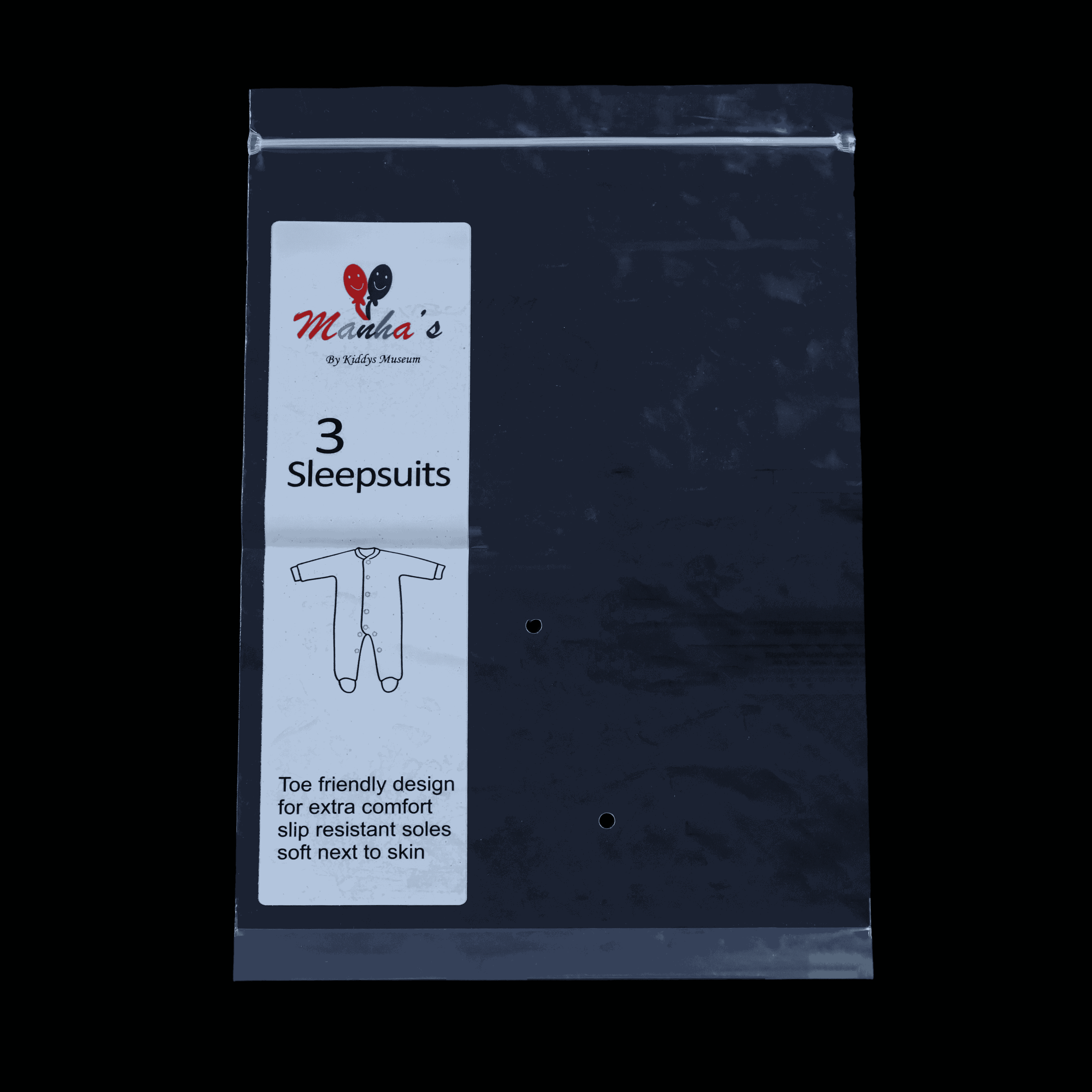
LDPE bags are commonly used for shirts, T-shirts, and lightweight garments; baby wear and delicate fabrics; fashion apparel requiring clear display; and items sold in retail stores needing high visual impact.
Retail garment brands love LDPE bags because the material allows the clothing to be showcased clearly without removing the packaging.
Understanding HDPE Bags for Garments
HDPE, or High-Density Polyethylene, has a tightly packed molecular structure, making it stronger, stiffer, and less transparent than LDPE. It is commonly used when durability and load-bearing capacity are more important than clarity.
Key Properties of HDPE Bags
HDPE bags feature high tensile strength, low flexibility with more rigidity, a frosted or opaque appearance, excellent resistance to punctures and heavy loads, and durability for bulk packaging.
HDPE is best suited for bulk garment shipments or long-distance transportation.
When HDPE Bags are Ideal
HDPE bags are used for warehouse stock storage, bulk packaging of garments for export, heavy garments like denim and jackets, and large bundles that require strong, tear-proof packaging.
Garment factories often pack finished goods in HDPE bags before loading them into cartons for export, as these bags help protect garments from moisture and rough handling.
LDPE vs HDPE: A Clear Comparison for Clothing Packaging
Understanding the main differences will help you choose packaging that aligns with your product needs.
1. Transparency
LDPE bags are highly transparent and ideal for display packaging, while HDPE bags are opaque or semi-transparent and not suitable for visual merchandising.
2. Flexibility
LDPE is very flexible and stretchable, whereas HDPE is stiffer and less stretchable.
3. Strength
LDPE offers good durability but is not meant for heavy loads, while HDPE is much stronger and more resistant to punctures.
4. Thickness Requirement
LDPE requires slightly higher microns for durability, whereas HDPE can withstand heavy loads even at lower microns.
5. Cost
LDPE is slightly more expensive because of its clarity, while HDPE is more economical for large-scale packaging.
6. Surface Feel
LDPE has a smooth, soft, premium touch, while HDPE has a crisp, slightly rough texture.
7. Sustainability
Both LDPE and HDPE are recyclable, depending on the ink used, bag finishing, printing, and lamination. Eco-friendly LDPE and HDPE variations are also available based on manufacturer offerings.
Why Choosing the Right Bag Matters in Garment Packaging
Garment packaging is more than just placing clothes in a plastic cover. It contributes to first impressions in retail stores, protection during transit and storage, branding and premium feel, moisture and dust prevention, and product longevity.
A poorly chosen bag can lead to wrinkles, fabric damage, moisture accumulation, or customer dissatisfaction. This is why selecting between LDPE and HDPE matters depending on how and where the garments will be handled.
LDPE for Retail: Enhancing Customer Experience
Retail brands prioritize presentation. LDPE bags are the preferred choice because customers can clearly see the product, the bag’s softness enhances brand perception, it supports printed branding beautifully, and it complements premium and delicate clothes.
LDPE bags often come with features such as self-adhesive sealing strips, perforation lines, hanger holes, and logo printing, all contributing to a refined shopping experience.
HDPE for Logistics: Ensuring Safe Bulk Transport
In supply chain operations, packaging durability matters more than appearance. HDPE bags play a vital role in protecting garments from moisture during export, preventing tearing during stacking and handling, keeping bulk quantities safely consolidated, and resisting punctures from zippers and metal accessories.
HDPE packaging minimizes damage during warehousing and shipping, maintaining product quality until final unpacking.
Cost Analysis: Which One is More Economical?
Choosing between LDPE and HDPE also depends on budget. For individual pieces, LDPE may cost slightly more but offers higher retail appeal. For bulk shipments, HDPE significantly reduces costs while offering stronger protection.
A hybrid packaging strategy is often used: LDPE for each garment and HDPE for outer bulk packing. This combination ensures both presentation and safety.
Environmental Considerations in Today’s Market
The demand for eco-friendly packaging is rising in the garment industry. Manufacturers now offer recyclable LDPE and HDPE, biodegradable additives, compostable alternatives, and reduced-micron high-strength films.
Brands seeking sustainability can choose modified variants of both materials depending on their goals.
Future Trends in Garment Packaging
The packaging world is evolving, with trends such as high-clarity eco LDPE films, ultra-thin HDPE films with improved strength, custom-printed brand storytelling on bags, bio-compostable garment packaging options, and anti-fungal coating films for long transport.
Manufacturers are investing in advanced technologies to deliver packaging that is stronger, lighter, and more environmentally responsible.
Conclusion: LDPE or HDPE—Which One Should You Choose?
The final decision depends on your garment type, branding goals, logistics requirements, and budget. LDPE is ideal for retail presentation, while HDPE excels in durability and bulk handling. Most successful garment brands use a combination of both to balance cost and performance.
Why Choosing the Right Manufacturer Matters
When sourcing LDPE bags for garments, partnering with an expert ensures access to high-quality materials, customizable options, brand printing, and sustainable variants. Working with specialists also ensures consistent thickness, clarity, and durability across every batch.
Premium Garment Packaging Solutions – Real Packers
If you are looking for reliable, high-performance packaging, Real Packers specializes in crafting premium LDPE and HDPE solutions tailored to the garment industry. As a leading LDPE bags for garments supplier they offer customized printing, multiple sizes, and export-quality strength to protect your apparel at every stage.
Realpackers combines innovation with quality to deliver packaging that elevates your brand and ensures safe transit.