


Quality Control Standards Followed by Polypropylene Bags Manufacturers
Polypropylene bags play a vital role in modern packaging, especially across industries such as garments, retail, logistics, and exports. Their lightweight nature, durability, moisture resistance, and cost efficiency make them a preferred choice for businesses that prioritize both protection and presentation. However, the performance of these bags depends heavily on the quality control standards followed during manufacturing.
From raw material selection to final inspection, strict quality checks ensure that polypropylene bags meet industry expectations and regulatory requirements. This blog explores the comprehensive quality control measures that manufacturers follow to deliver consistent, reliable, and high-performance polypropylene packaging solutions.
Importance of Quality Control in Polypropylene Bag Manufacturing
Quality control is not just about meeting basic specifications—it is about ensuring consistency, safety, durability, and customer satisfaction. In competitive markets, even minor defects can result in product damage, financial loss, or reputational harm.
Manufacturers who invest in quality assurance systems gain long-term advantages by reducing rejection rates, minimizing waste, and building trust with buyers.
Raw Material Selection and Verification
The foundation of a high-quality polypropylene bag lies in the raw material used. Manufacturers begin quality control at this initial stage by sourcing premium polypropylene granules that meet industry standards.
Incoming materials are tested for purity, melt flow index, tensile strength, and moisture content. Any deviation from acceptable parameters is identified early to prevent defects during processing.
Controlled Extrusion and Film Formation
During extrusion, polypropylene granules are melted and converted into films or tapes. Quality control teams closely monitor temperature consistency, thickness uniformity, and surface smoothness.
Uneven extrusion can lead to weak spots, tearing, or improper sealing. Continuous monitoring ensures that the film meets strength and flexibility requirements before moving to the next stage.
Precision in Weaving and Lamination
For woven polypropylene bags, weaving quality plays a critical role in load-bearing capacity. Manufacturers inspect weave density, alignment, and uniform tension during the weaving process.
If lamination is involved, adhesion strength between layers is tested to ensure durability and resistance to moisture, dust, and external stress.
Dimensional Accuracy and Weight Consistency
Maintaining consistent dimensions and weight is essential, especially for commercial and export packaging. Quality control teams conduct regular measurements to ensure length, width, gusset, and thickness are within specified tolerances.
Consistent weight also ensures fair material usage and compliance with customer expectations.
Strength and Load Testing
Polypropylene bags are expected to withstand handling, stacking, and transportation stress. Manufacturers conduct tensile strength tests, tear resistance checks, and load-bearing evaluations.
These tests help determine how well the bags perform under real-world conditions, ensuring they do not fail during use.
Stitching and Sealing Quality Checks
For stitched or heat-sealed bags, seam integrity is critical. Weak stitching or improper sealing can cause bag failure even if the material quality is high.
Manufacturers test seam strength, stitch uniformity, and heat-seal consistency to ensure long-lasting performance.
Print Quality and Surface Inspection
Printed polypropylene bags require additional quality checks to maintain brand visibility and clarity. Inspections focus on ink adhesion, color consistency, alignment, and resistance to smudging or fading.
Surface inspection also identifies defects such as pinholes, wrinkles, contamination, or uneven finishes.
Moisture and Environmental Resistance Testing
Polypropylene bags are often used to protect goods from moisture and environmental exposure. Manufacturers conduct water resistance tests and environmental simulations to verify performance under humid or varying temperature conditions.
These tests are particularly important for storage and transportation applications.
Hygiene and Contamination Control
Clean manufacturing environments help prevent contamination during production. Quality control teams enforce cleanliness standards and conduct random inspections to ensure that bags are free from dust, oil, or foreign particles.
This is especially important for packaging applications involving textiles and garments.
Batch Traceability and Documentation
Manufacturers maintain batch-wise production records to track raw materials, machine settings, inspection results, and dispatch details. This traceability allows quick identification and resolution of any quality issues.
Proper documentation also supports audits and customer compliance requirements.
Compliance with Industry Standards
High-quality polypropylene bag manufacturers follow national and international quality benchmarks. These standards ensure consistency, safety, and performance across different markets.
Adherence to compliance norms strengthens credibility and opens opportunities for long-term partnerships.
Continuous Improvement Through Feedback
Quality control does not end after dispatch. Manufacturers analyze customer feedback and field performance data to improve product design and processes.
This continuous improvement approach helps refine quality standards over time and adapt to evolving customer needs.
Role of Skilled Workforce in Quality Assurance
Even with advanced machinery, skilled technicians play a key role in maintaining quality. Trained quality inspectors identify subtle defects that automated systems may miss.
Regular training ensures that teams stay updated on testing methods, safety standards, and process improvements.
Why Quality Control Matters for Poly Propylene Bags for Garments
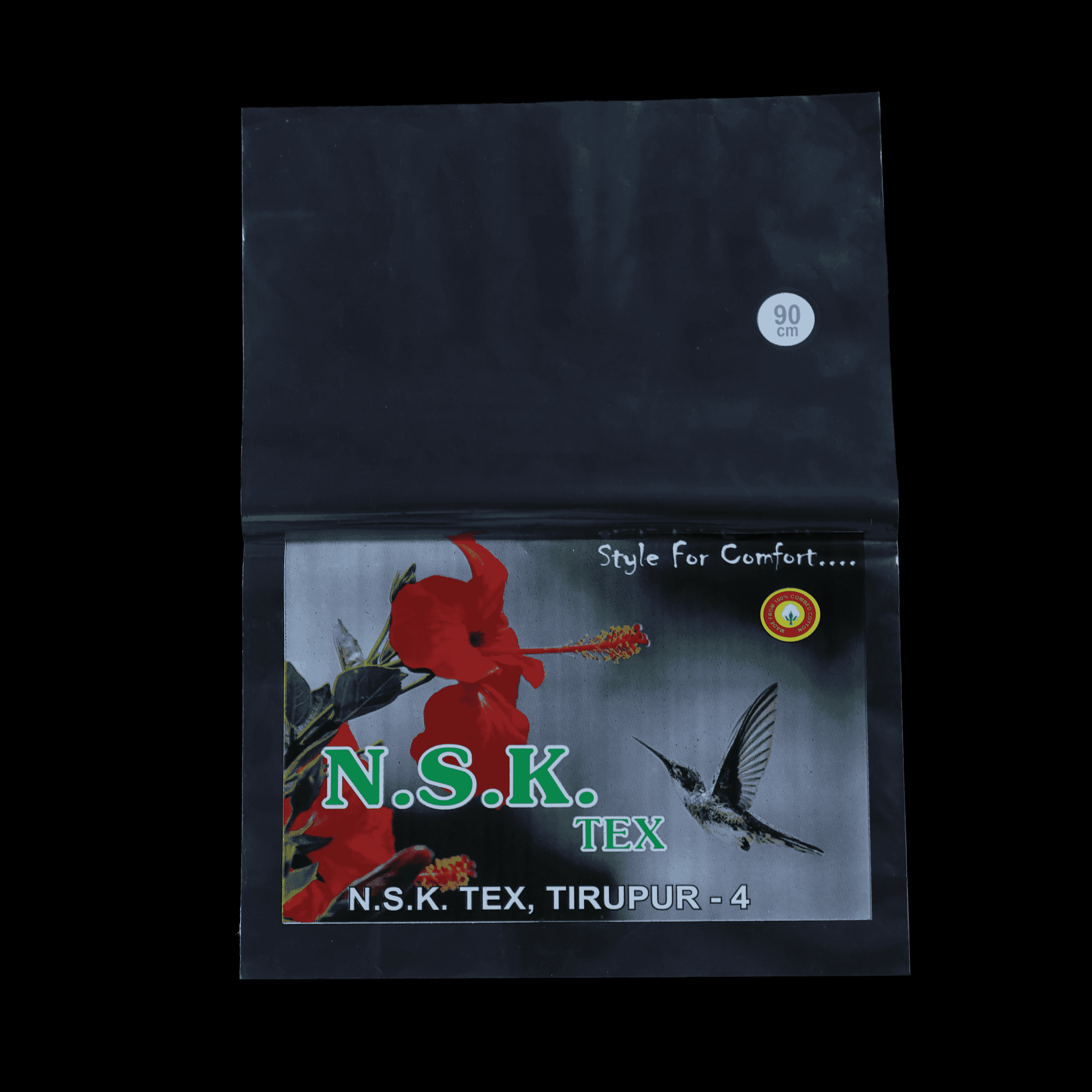
When it comes to Poly Propylene Bags for Garments, quality control is even more critical. These bags must protect fabrics from dust, moisture, and handling damage while maintaining visual appeal.
Strict quality standards ensure smooth finishes, clear transparency, reliable sealing, and consistent dimensions—factors that directly impact garment presentation and customer satisfaction.
Choosing a Reliable Poly ProPylene Bags Manufacturer in Bangalore
Selecting a trusted Poly ProPylene Bags manufacturer in Bangalore involves evaluating their quality control practices, testing capabilities, and process transparency.
Manufacturers with structured inspection systems, modern testing equipment, and documented procedures are better positioned to deliver consistent, high-quality packaging solutions.
How Real Packers Ensures Superior Quality Standards
Realpackers follows comprehensive quality control protocols at every stage of polypropylene bag manufacturing. From raw material testing to final inspection, Real Packers focuses on precision, consistency, and reliability.
By combining skilled manpower, advanced machinery, and strict inspection processes, Real Packers ensures that every bag meets performance and durability expectations.
Conclusion
Quality control standards are the backbone of successful polypropylene bag manufacturing. Every step—from material selection and extrusion to printing and final inspection—plays a vital role in ensuring product reliability.
For businesses seeking dependable Poly Propylene Bags for Garments, partnering with an experienced Poly ProPylene Bags manufacturer in Bangalore like Real Packers ensures access to packaging solutions that meet high quality, safety, and performance standards while supporting long-term operational success.
One comment on “Quality Control Standards Followed by Polypropylene Bags Manufacturers”
Alright so I checked out niw88. It’s alright, nothing special but a solid spot to burn some time. Worth a look if you’re bored, but don’t go expecting to get rich. niw88