


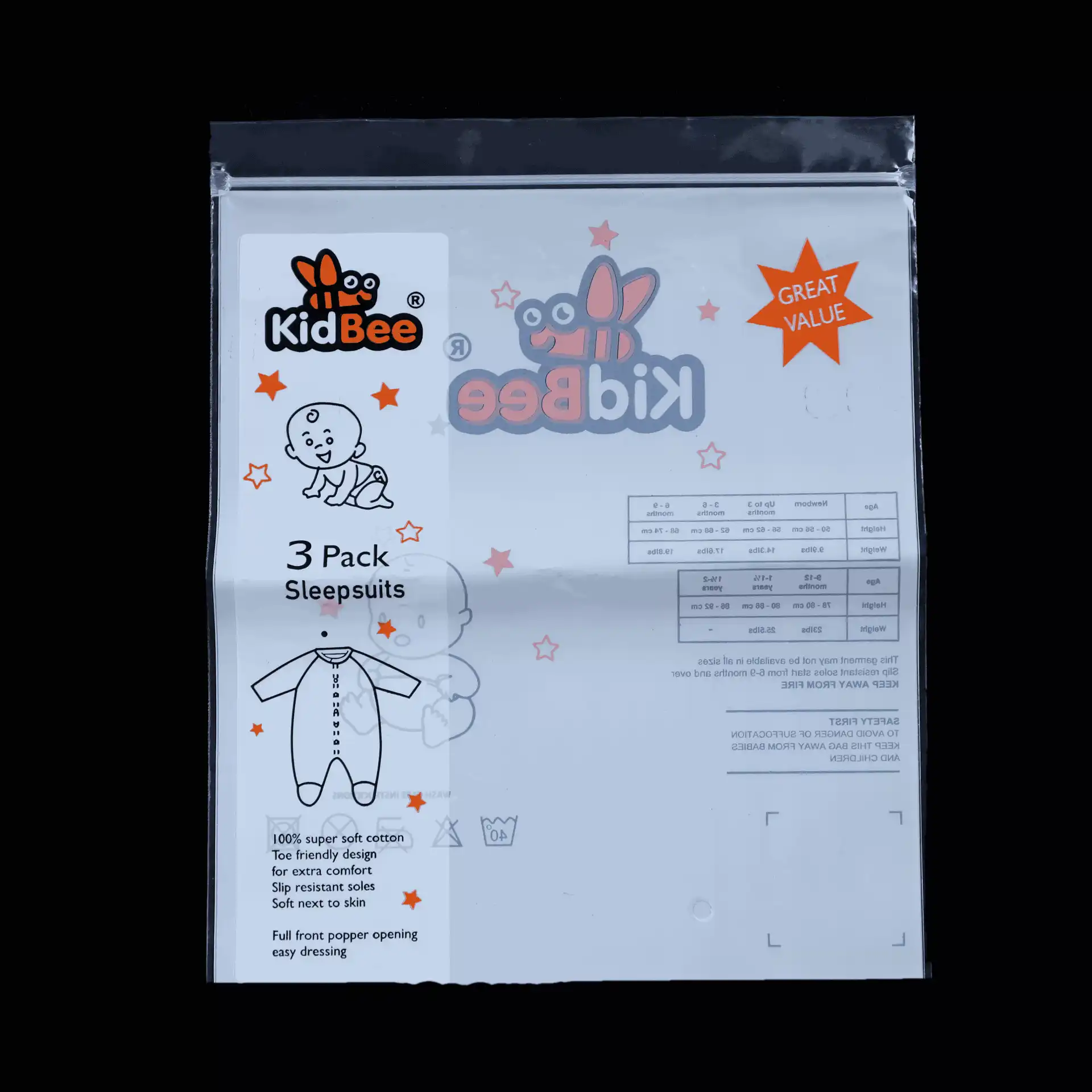
Shelf Life of LDPE Bags for Garments
In the garment industry, packaging is not just about covering a product—it is about preserving quality, maintaining appearance, and ensuring safe handling throughout storage and transportation.
Among various packaging materials, LDPE bags are widely used because of their flexibility, durability, and protective properties. However, one important aspect often overlooked is the shelf life of these bags.
Understanding how long LDPE bags remain effective, what factors influence their lifespan, and how to store them correctly can help garment businesses make informed packaging decisions.
This blog explores the shelf life of LDPE bags in depth and explains why proper handling and quality standards matter.
Understanding LDPE Material Properties
Low-Density Polyethylene (LDPE) is a thermoplastic polymer known for its softness, flexibility, and resistance to moisture.
Unlike rigid plastics, LDPE has a lower density structure that allows it to bend without cracking.
These properties make LDPE ideal for garment packaging, as it protects fabrics from dust and humidity while remaining lightweight and easy to handle.
What Is Shelf Life in Packaging Materials?
Shelf life refers to the period during which a packaging material retains its functional and physical properties under recommended storage conditions.
For LDPE bags, this includes maintaining strength, flexibility, transparency, and sealing performance.
Once the shelf life is exceeded, bags may become brittle, discolored, or prone to tearing—making them unsuitable for garment protection.
Typical Shelf Life of LDPE Bags
Under ideal conditions, LDPE bags generally have a shelf life of 2 to 5 years.
This timeframe depends on material quality, manufacturing standards, and environmental exposure.
High-grade LDPE manufactured using virgin raw materials tends to last longer compared to recycled or low-quality alternatives.
Factors That Influence Shelf Life
Several external and internal factors directly affect how long LDPE bags remain usable:
1. Raw Material Quality
Virgin LDPE resin offers better resistance to aging, cracking, and discoloration compared to mixed or recycled materials.
2. Exposure to Sunlight
Prolonged exposure to ultraviolet (UV) rays can degrade LDPE over time, causing brittleness and loss of strength.
3. Temperature Conditions
High temperatures accelerate oxidation, while extreme cold can affect flexibility.
4. Storage Environment
Dust-free, dry, and well-ventilated storage significantly extends shelf life.
Impact of Oxidation and Aging
Over time, LDPE undergoes a natural aging process due to oxidation.
This chemical reaction slowly alters the polymer structure, leading to stiffness or micro-cracks.
Manufacturers often add stabilizers and antioxidants during production to delay this process and improve longevity.
Role of Additives in Extending Shelf Life
Additives play a crucial role in enhancing the lifespan of LDPE bags. These may include:
UV stabilizers
Anti-oxidants
Anti-blocking agents
Slip additives
When used correctly, these additives help maintain flexibility, transparency, and strength for extended periods.
How Storage Practices Affect Longevity
Even the highest-quality LDPE bags can degrade prematurely if stored improperly.
Best practices include:
Keeping bags away from direct sunlight
Storing at moderate room temperature
Avoiding contact with chemicals or solvents
Stacking without excessive pressure
Following these guidelines ensures bags remain usable for their full shelf life.
Effects of Improper Storage on Garment Packaging
Poor storage can lead to yellowing, odor absorption, surface cracks, or reduced tensile strength.
For garment packaging, this can result in dust penetration, moisture exposure, or tearing during handling.
Such failures can damage garments and negatively impact brand perception.
Importance of Sealing Integrity Over Time
The sealing quality of LDPE bags must remain intact throughout their shelf life.
Over time, weakened seals may open during transport or storage.
Proper heat-sealing techniques and material consistency help preserve sealing strength until the bag is used.
Shelf Life vs Usage Life
Shelf life refers to storage duration before use, while usage life refers to how long the bag performs after packaging garments.
A bag nearing the end of its shelf life may still look fine but could fail under load or handling stress.
Hence, rotation and inventory control are essential.
Environmental Conditions During Transportation
Transportation exposes LDPE bags to temperature variations, humidity, and mechanical stress.
Well-manufactured bags with proper thickness and material stability handle these conditions better.
Consistent quality ensures that bags remain effective even after long transit periods.
Industry Practices for Shelf Life Management
Manufacturers and garment exporters often use FIFO (First-In, First-Out) inventory systems to prevent over-aged packaging materials.
Batch labeling and manufacturing date markings help track shelf life effectively.
Sustainability and Shelf Life Balance
While biodegradable alternatives are gaining attention, LDPE remains popular due to its long shelf life and recyclability.
A longer shelf life reduces waste caused by premature degradation.
Balancing durability with environmental responsibility is key in modern packaging strategies.
Why Shelf Life Matters for LDPE Bags for Garments
For LDPE bags for garments, shelf life directly affects fabric safety, presentation, and storage efficiency.
Bags must remain clear, flexible, and tear-resistant until garments reach the end consumer.
Shortened shelf life can lead to unexpected packaging failures, increased costs, and product returns.
Choosing Reliable Suppliers for LDPE Bags for Garments
Selecting the right supplier for LDPE bags for garments involves evaluating material quality, manufacturing standards, and storage recommendations.
Reliable suppliers provide consistent thickness, proper additives, and clear guidance on storage and usage timelines.
How Real Packers Maintains Long-Lasting Packaging Quality
Real Packers follows strict quality control processes to ensure extended shelf life of LDPE packaging solutions.
By using premium raw materials, controlled manufacturing environments, and proper stabilization techniques, Realpackers delivers packaging that remains reliable over time.
Their focus on durability and performance ensures that garment businesses receive packaging that protects products from storage to final delivery.
Conclusion
The shelf life of LDPE bags plays a crucial role in garment packaging efficiency and product safety.
While LDPE bags can last several years under proper conditions, factors such as material quality, storage environment, and handling practices significantly influence their longevity.
For businesses relying on LDPE bags for garments partnering with trusted manufacturers like Real Packers ensures access to durable, high-quality packaging solutions that maintain performance throughout their shelf life and support smooth garment operations.
3 comments on “Shelf Life of LDPE Bags for Garments”
Finally a platform that feels fair and transparent with the odds. I’m sticking with ph777php for a long time.
The game variety here is insane! I spent the whole weekend exploring the slots and the bonuses are actually fair. Love the vibe of jilihotcasino
Great bonuses for new players which is always a plus. The support team is also very friendly and helpful. Visit krkcwin33