


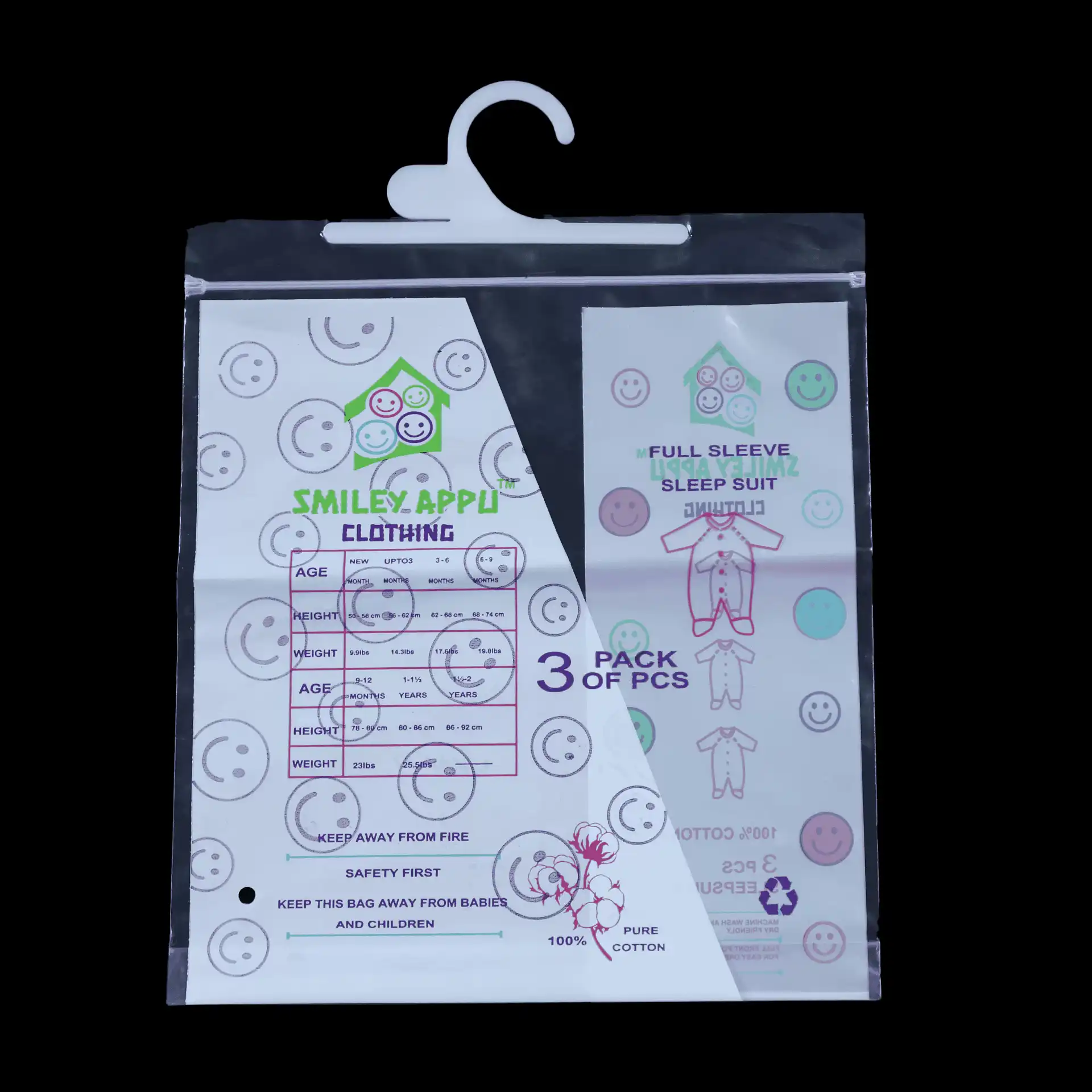
INTRODUCTION
In the world of packaging, selecting the appropriate material for your needs can be the difference between operational efficiency and logistical headaches. Among the many packaging materials available today, LDPE (Low-Density Polyethylene) bags have established themselves as a favorite for businesses and consumers alike. Known for their flexibility, durability, and wide applicability, LDPE bags are indispensable in a variety of industries ranging from retail and manufacturing to food and pharmaceuticals.
However, when it comes to choosing LDPE bags, one critical factor often overlooked is thickness. Thickness directly impacts the bag’s strength, flexibility, usability, and cost. Choosing the wrong thickness might result in damaged products, increased expenses, or wasted materials. This complete guide will walk you through everything you need to know about LDPE bag thickness, helping you make informed decisions tailored to your packaging requirements.
What Are LDPE Bags?
LDPE (Low-Density Polyethylene) is a type of thermoplastic made from the monomer ethylene. It is prized for its impressive flexibility, chemical resistance, and clarity. LDPE bags are widely used across different sectors due to their ability to withstand stress while remaining lightweight and versatile.
Some of the most common applications for LDPE bags include:
Food packaging
Industrial parts packaging
Medical supplies
Textile protection
Storage and transportation of delicate goods
While LDPE’s chemical properties remain consistent, thickness variations play a crucial role in determining how well the bag suits specific uses.
Understanding Microns and Mil Measurements
The thickness of LDPE bags is commonly measured in microns (µm) or mils. While they represent the same concept—how thick the plastic material is their scales are different:
1 micron = 0.001 millimeters
1 mil = 0.0254 millimeters
For international trade, microns are more commonly used, while mils may be more prevalent in North America.
Here’s a basic conversion guide to help:
25 microns ≈ 1 mil
50 microns ≈ 2 mils
100 microns ≈ 4 mils
Choosing the correct thickness depends entirely on the type of items being packaged and the conditions under which they’ll be stored or transported.
Factors to Consider When Choosing LDPE Bag Thickness
Weight of the Contents
Heavier items exert more pressure on the bag material, necessitating a thicker gauge to prevent tearing.
Thin LDPE bags may suffice for lightweight products like textiles or paper items, but denser goods like
machinery parts or bulk powders need significantly thicker films.
Sharpness of the Contents
Packaging items with sharp edges requires reinforced or thicker LDPE to avoid punctures. Fragile items
like glassware may also need cushioned or multi-layered bags for added protection.
Type of Storage Conditions
Consider the environment where the packaged goods will be stored:
Will they be exposed to sunlight or fluctuating temperatures?
Are they stored indoors or outdoors?
Will they encounter moisture or chemicals?
Thicker LDPE can withstand harsher conditions better and offer greater longevity.
Transportation Distance
The further a package travels, the greater the risk of wear and tear during transit. For products
shipped internationally or across vast distances, selecting a thicker gauge adds an extra layer of
security.
Aesthetic Requirements
LDPE bags come in clear or colored varieties, and thicker bags usually offer improved clarity and
presentation, making products appear more professional on retail shelves.
Compliance with Regulations
Some industries, particularly food and pharmaceuticals, have strict packaging guidelines regarding
minimum material thickness for hygiene and safety. Make sure your choice aligns with relevant industry
standards.
Common Thickness Ranges and Their Uses
20–30 Microns (0.8–1.2 Mils)
Best for: Light-duty use, such as grocery produce bags or protective dust covers.
Advantages: Lightweight, economical, and suitable for items requiring minimal physical protection.
40–50 Microns (1.6–2 Mils)
Best for: Packaging clothing, lightweight hardware, or parts that require dust protection.
Advantages: Good balance between flexibility and strength for moderately heavy or irregularly shaped
items.
75–100 Microns (3–4 Mils)
Best for: Heavier items, like books, bulk textiles, and small mechanical parts.
Advantages: Excellent puncture resistance, suited for shipping and storage where additional durability
is needed.
120–200+ Microns (4.7–8 Mils)
Best for: Industrial packaging of sharp or heavy components, as well as chemical-resistant liners.
Advantages: Superior strength, impact resistance, and suitable for demanding storage or hazardous
environments.
Custom Thickness Options for Specialized Needs
Many businesses require LDPE bags tailored to their unique products, which is where custom thickness options come into play. Custom orders allow for:
Specific gauge requirements
Branding and labeling integration
Custom dimensions for uniquely shaped products
Additives for UV protection or anti-static properties
Custom solutions not only enhance product protection but also elevate brand presence through personalized packaging.
Cost Implications of LDPE Thickness Choices
While it’s tempting to always opt for thicker materials for added protection, it’s essential to balance thickness with budget considerations. Thicker bags naturally cost more due to higher material usage. However, investing in the correct thickness can reduce overall expenses by preventing:
Product damage and associated replacement costs
Delays caused by torn or punctured packaging
Customer dissatisfaction from receiving damaged goods
The goal is to find the optimal thickness that ensures protection without inflating costs unnecessarily.
Sustainability Considerations: Thicker Isn’t Always Better
In an era increasingly focused on sustainability, thickness decisions should also consider environmental impact. Thicker bags, while durable, contribute more plastic waste if not properly recycled. Many manufacturers now offer LDPE bags with recycled content or biodegradable options, helping businesses minimize their ecological footprint while maintaining functionality.
Using the right thickness optimizes both material efficiency and recyclability, supporting sustainability goals alongside operational efficiency.
Why Partner with a Professional LDPE Bags Manufacturer?
Selecting the ideal LDPE bag for your specific application requires expertise. A reputable LDPE Bags Manufacturer brings deep knowledge of industry requirements, material science, and advanced production techniques. Working with professionals ensures that you receive bags tailored perfectly to your needs, preventing unnecessary material wastage and optimizing cost efficiency.
Moreover, seasoned manufacturers can provide guidance on compliance with industry standards, ensuring that your packaging solutions meet all necessary health, safety, and environmental criteria. Choosing the right partner simplifies the process, reduces operational risks, and guarantees satisfaction.
Realpackers: Your Trusted LDPE Bags Manufacturer
When it comes to selecting the right thickness and specifications for LDPE bags, Realpackers stands at the forefront of the industry. As a recognized LDPE Bags Manufacturer, Realpackers specializes in providing a wide range of custom and standard LDPE packaging solutions to suit every business’s unique requirements.
Whether you need lightweight options for retail packaging or robust, heavy-duty bags for industrial shipments, Realpackers delivers products crafted to the highest quality standards. Their commitment to precision, innovation, and customer satisfaction makes them the preferred choice for businesses that demand nothing but the best.
CONCLUSION
Choose Realpackers for Precision, Quality, and Reliability
By choosing Realpackers as your trusted LDPE Bags Manufacturer you’re partnering with a brand that understands the importance of durability, customization, and environmental responsibility. Their comprehensive range of thickness options ensures that every customer finds the perfect fit for their packaging needs, regardless of industry or product type.
Don’t leave your packaging to chance work with the experts at Realpackers and experience the difference that professional craftsmanship makes in securing and presenting your valuable products.
2 comments on “Choosing the Right Thickness for LDPE Bags: A Complete Guide”
Reliable payments and a huge selection of table games make this my favorite spot online. I appreciate how they listen to player feedback and update regularly. Trust bd2299bd for fair play every single time. bd2299bd
The variety of games here is insane. I spent the whole weekend exploring and everything works perfectly on my phone. br80gamesvip is definitely my new favorite spot.