

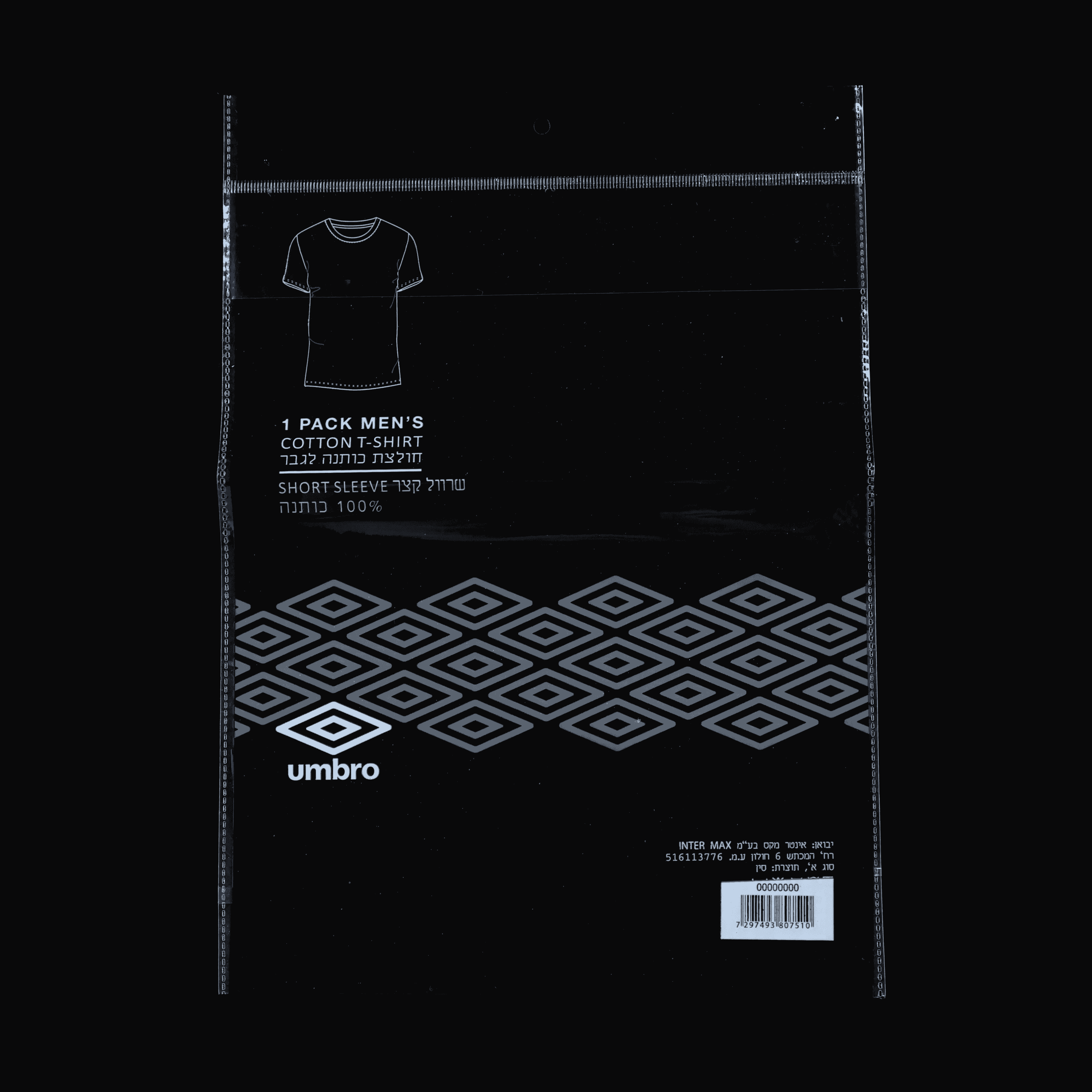
How the Right Garment Bag Does More Than Protect Your Product
Think about the last time you received a well packaged product. The bag was clear. The print was sharp. The brand name stood out. Before you even opened it, you already felt something about that brand. That feeling is not an accident. It is designed to work the way it should.
In the garment industry, most manufacturers spend months perfecting fabric quality, stitching standards, and finishing. Then they pack everything into a plain, forgettable bag. That is where the customer’s first impression either lands or disappears.
BOPP bags change that equation entirely.
1. What Exactly Is a BOPP Bag
BOPP stands for Biaxially Oriented Polypropylene. The name sounds technical but what it means in practice is simple. The film is stretched in two directions during manufacturing, which makes it stronger, clearer, and more resistant to moisture than a regular polybag.
The result is a bag that looks almost glass-like in clarity, carries print beautifully, and holds its shape through handling, transit, and retail display.
Properties that make BOPP bags stand out:
Exceptional surface clarity that makes the product visible through the bag
High tensile strength that protects garments from tearing or damage during packing
Moisture and dust resistance that keeps garments in showroom condition
Smooth surface that accepts high resolution multi-colour printing cleanly
Lightweight construction that does not add unnecessary cost or weight to shipments
For garment manufacturers, these are not just technical benefits. They translate directly into how a product looks on a shelf, inside a mailer box, or in the hands of an end customer.
2. The Silent Salesman Concept
Every physical touchpoint between your brand and your customer is a sales opportunity. Most brands think about this for their product design and their website. Very few think about it for their packaging.
A BOPP bag works as a silent salesman in three specific situations.
The first is at retail. When your garment is displayed in a store, the bag is visible before the product is. A printed BOPP bag with your logo, brand colours, and care symbols tells the retailer and the customer that this is a brand that pays attention to detail.
The second is at the point of unboxing. In the age of social media, unboxing has become a genuine marketing moment. When a customer receives a sharply printed, premium-looking bag inside their delivery, it reinforces the purchase decision they already made. It gives them something worth showing.
The third is at repeat purchase. Packaging memory is real. When a customer remembers the look and feel of a brand’s packaging, it makes the next purchase easier to choose. A plain bag leaves nothing behind. A well branded BOPP bag leaves a visual impression.
3. What You Can Print on a BOPP Bag
This is where BOPP bags separate themselves from every other garment packaging option. The printing possibilities are wide and the results are consistently sharp.
Elements you can include on a BOPP garment bag:
Brand logo in full colour with no colour bleeding or fading
Tagline or brand message that speaks to the customer directly
QR code linking to your website, size guide, or social media
Care instructions and fabric composition printed directly on the bag
Size and product reference details for retail sorting efficiency
Country of origin and export compliance details for international markets
When printing is done with 8 to 10 colour capacity, the result looks closer to a product label than a packaging bag. That level of detail is what separates brands that look established from brands that look like they are still figuring it out.
4. Where BOPP Bags Work Best in the Garment Industry
Not every garment needs BOPP packaging. But for certain products and markets, it is the obvious choice.
BOPP bags are the right fit for:
Branded retail garments where shelf presence matters
Export shipments to premium buyers who evaluate packaging as part of quality audits
D2C brands fulfilling online orders where the unboxing experience drives reviews
Innerwear and knitwear that need moisture protection over longer storage periods
High-end fashion labels where packaging is considered part of the product experience
If your business falls into any of these categories and you are still using plain polybags, you are leaving brand equity on the table with every shipment you send.
5. BOPP vs Regular Polybag: A Practical Comparison
Many manufacturers hesitate to switch from regular polybags because they assume the cost difference is significant. The reality is more nuanced.
A regular polybag protects your garment and does nothing else. It is invisible to the customer as a brand touchpoint. It adds no value beyond containment.
A BOPP bag protects your garment and simultaneously communicates your brand, builds customer recognition, differentiates your product on the shelf, and can reduce the need for additional paper inserts or swing tags because the information is printed directly on the bag.
When you look at it that way, the cost comparison changes. You are not just comparing bag prices. You are comparing the full cost of packaging and the marketing value it delivers.
6. Common Mistakes to Avoid When Ordering BOPP Bags
Garment manufacturers who are new to BOPP packaging sometimes make ordering mistakes that affect the final result. Knowing these in advance saves time and rework.
Mistakes worth avoiding:
Ordering without confirming the correct micron thickness for your garment weight
Submitting low resolution logo files that print blurry at bag dimensions
Not ordering samples before committing to a large production run
Choosing incorrect bag dimensions that stretch the garment or leave excess space
Ignoring gusset requirements for thicker or bulkier garment types
A good supplier will walk you through each of these before production begins. If a supplier skips these questions, that tells you something important about their process.
7. Why the Choice of BOPP Bags Manufacturer Determines Your Output Quality
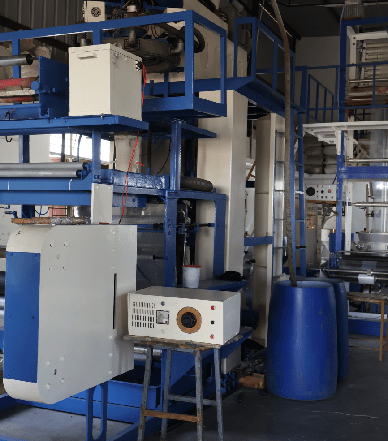
Two factories can produce BOPP bags using the same material and the print results can look completely different. The difference is not the bag. It is the machine calibration, the ink quality, the film sourcing, and the operator experience behind the production.
Choosing the right BOPP Bags Manufacturer affects:
Print colour accuracy across large batch runs
Consistency of bag dimensions from the first piece to the last
Surface finish quality that determines how premium the bag looks and feels
Seal integrity that protects the garment through the full logistics journey
Lead times and minimum order quantities that fit your production schedule
A manufacturer with proven garment industry experience understands that your packaging represents your brand. They treat every run accordingly.
8. What to Ask Before Placing a BOPP Bag Order
Before committing to any manufacturer, these questions will help you assess whether they are the right fit.
Ask your supplier:
What is the maximum number of print colours available?
Can you provide a printed sample before the full production run?
What micron options are available for different garment types?
What is the minimum order quantity for custom printed bags?
Can you handle both zipper and non-zipper bag styles?
What are your lead times for repeat orders?
The answers reveal how experienced and how prepared the supplier is to handle your specific requirements.
9. How Real Packers Delivers as a BOPP Bags Manufacturer
Real Packers has been producing high quality packaging solutions since 1997. As an experienced BOPP Bags Manufacturer based in Tirupur, they work directly with garment exporters, retail brands, and D2C businesses who need packaging that performs on every level.
What sets Real Packers apart:
Printing capacity of up to 8 to 10 colours for sharp, brand accurate output
Custom sizing across a wide range of garment types including knitwear, woven, and innerwear
Sample approval process before every bulk production run
Consistent quality across large order volumes with no drop in print accuracy
Direct manufacturer pricing that removes middlemen from your supply chain
10. Getting Started with Real Packers
Working with Real Packersas your BOPP Bags Manufacturer is designed to be straightforward from the first conversation.
The process works like this:
Share your garment dimensions, bag style preference, and logo files
Receive a sample with your print applied for approval
Confirm specifications and place your production order
Receive consistent quality delivery with full after-order support
Real Packers serves clients across Tirupur, Chennai, and Bangalore and is equipped to handle both first-time orders and high volume repeat requirements.
Conclusion
Your product deserves packaging that works as hard as the people who made it. A BOPP bag is not just a wrapper. It is a brand communication tool that speaks to your customer before a single word is read or a single seam is examined.
The garment brands that understand this are already using their packaging as a competitive advantage. They are winning shelf space, earning repeat customers, and building brand recognition without spending extra on advertising.
The right BOPP Bags Manufacturer makes all of this possible without complexity. Real Packers brings the experience, the print capability, and the garment industry knowledge to make your packaging work as your most consistent and cost effective salesman.
Reach out to Real Packers today and let your packaging start doing more for your brand.