

Introduction
When it comes to garment packaging, choosing the right polybag is not just about wrapping a product. It is about protecting your garments, presenting your brand professionally, and making a strong first impression on your buyer or end customer. Two of the most widely used packaging materials in the textile and apparel industry are PP Bags (Polypropylene Bags) and BOPP Bags (Biaxially Oriented Polypropylene Bags). Both are trusted, durable, and widely available. But they are not the same, and picking the wrong one can affect your product presentation, packaging cost, and brand value. This blog breaks down the real differences between these two bag types and helps you decide which one suits your garment business best.
What Are PP Bags?
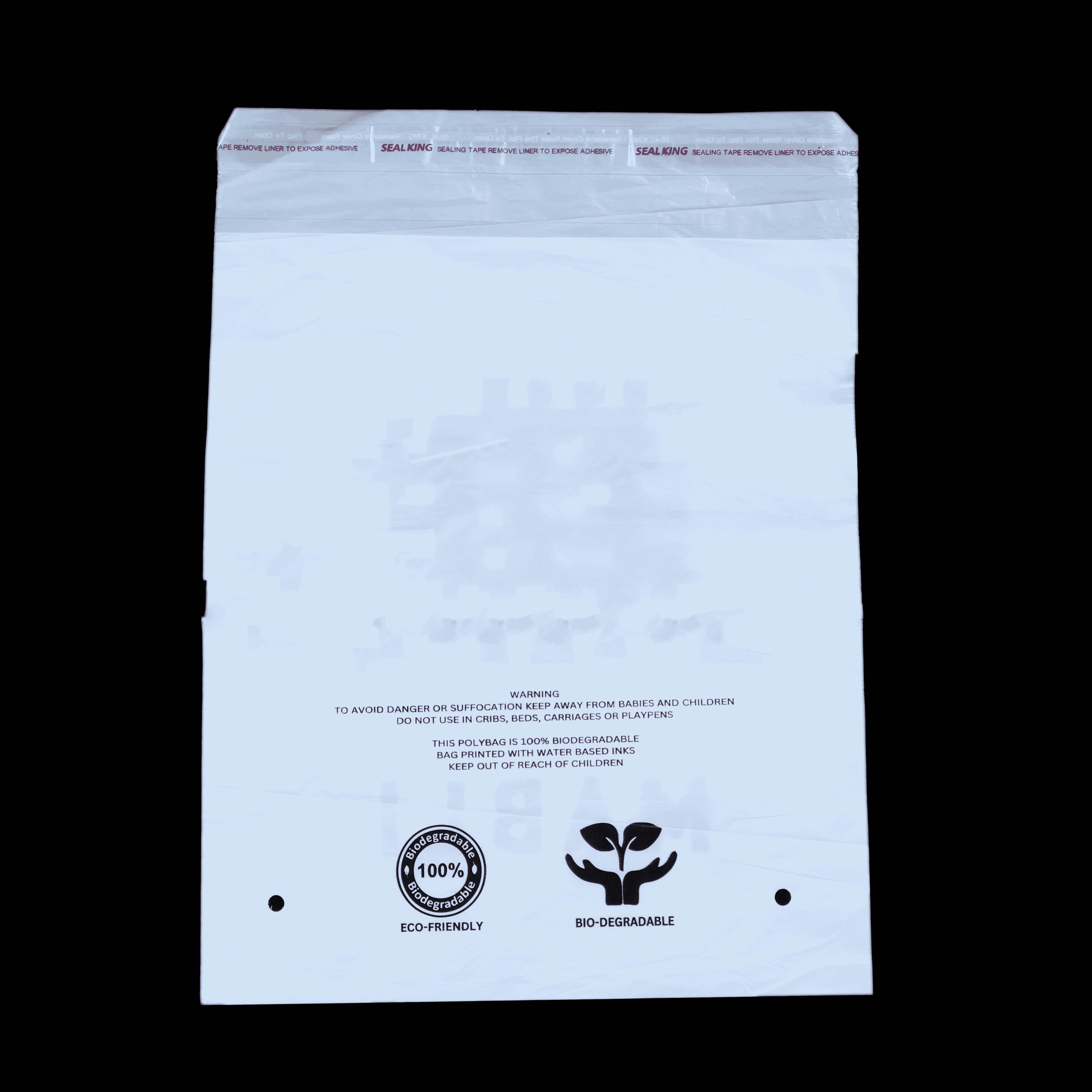
PP Bags are made from polypropylene, a thermoplastic polymer that is known for its toughness, flexibility, and cost efficiency. These bags are typically produced through a weaving process, which gives them a strong structure capable of holding different types of garments safely. PP bags are lightweight, resistant to moisture, and offer a clean, neat appearance. They are widely used across garment units, retail stores, and textile export businesses for packaging shirts, trousers, knitwear, and other apparel products. Because of their affordable price point, PP bags are a practical choice for businesses that need high volumes of packaging without stretching the budget.
PP bags come in various sizes and thickness options measured in microns, and they can carry basic printed information like brand names, size labels, or barcodes. However, the print quality on standard PP bags is limited when compared to more advanced packaging materials. The surface has a matte finish, which gives a clean but not premium look.
What Are BOPP Bags?
BOPP stands for Biaxially Oriented Polypropylene. The term biaxially oriented means the polypropylene film is stretched in two directions during manufacturing, both lengthwise and crosswise. This process significantly improves the physical properties of the film, resulting in a bag that is stronger, clearer, and more visually appealing than a standard PP bag. BOPP bags are made by laminating this high-quality BOPP film over a woven polypropylene base, combining the structural strength of PP with the premium look of an oriented film layer.
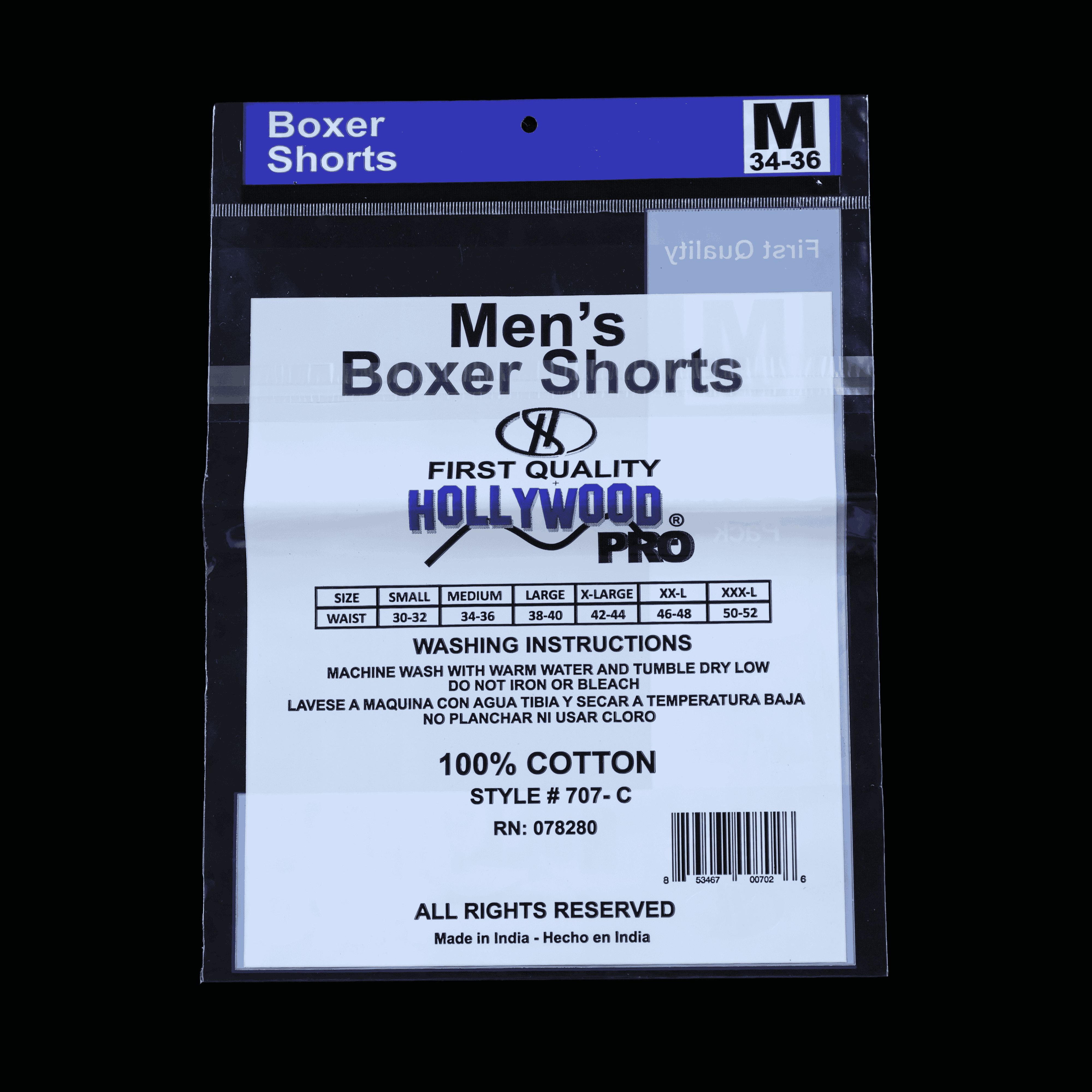
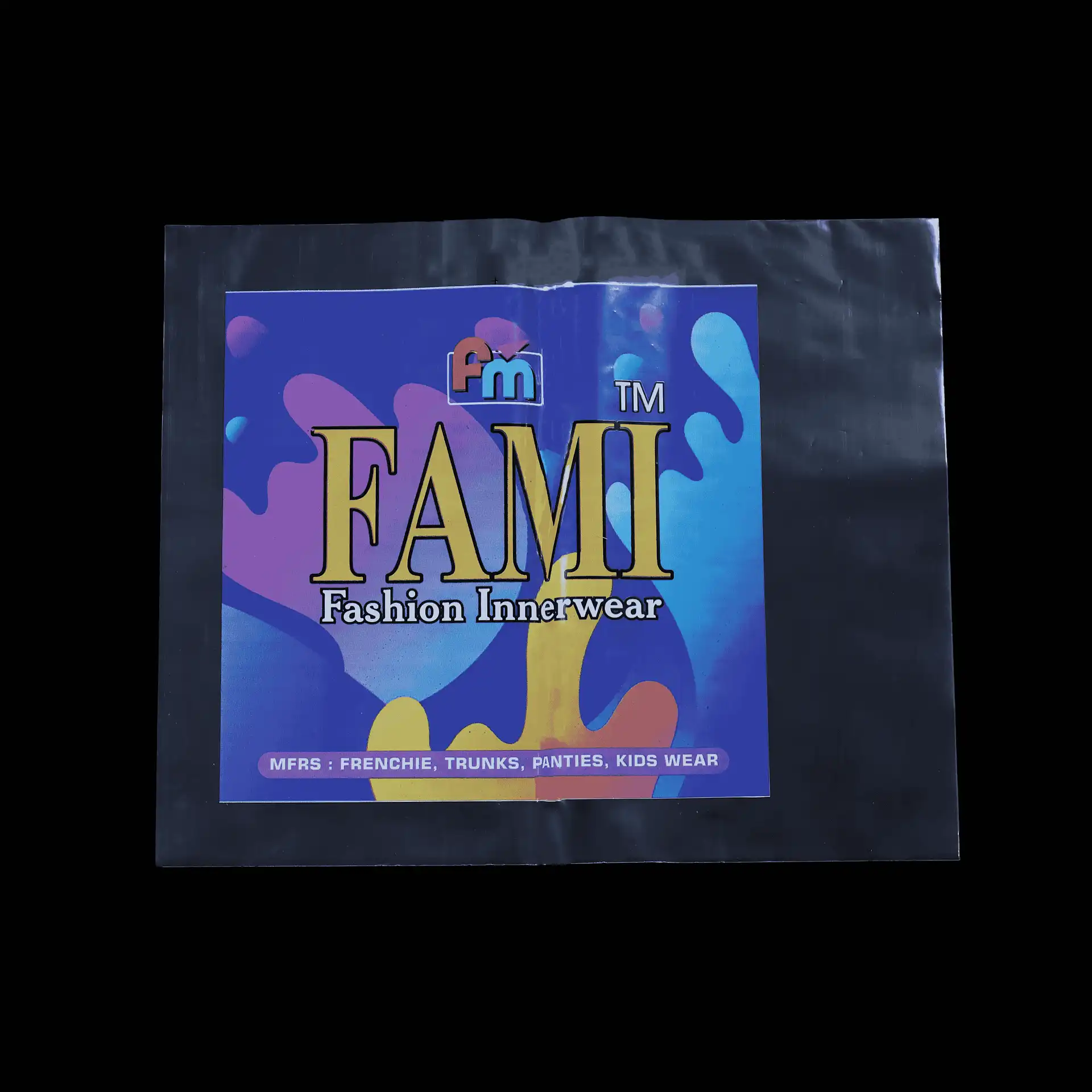
The result is a bag with outstanding clarity, a glossy or matte finish based on your preference, and excellent printability. BOPP bags can support up to 8 to 10 color high-definition printing, making them ideal for garment brands that want their logo, brand colors, and design to stand out. They also offer superior moisture resistance and barrier protection, keeping your garments safe during storage and transit.
BOPP Bags vs PP Bags: Key Differences
Material: PP Bags are made from Polypropylene woven fabric. BOPP Bags are made from Biaxially Oriented Polypropylene film laminated over woven bases.
Clarity: PP Bags offer moderate transparency. BOPP Bags offer crystal clear, high gloss visibility.
Print Quality: PP Bags support basic and standard printing. BOPP Bags support vibrant, high-definition multi-color printing up to 10 colors.
Moisture Resistance: PP Bags offer good moisture resistance. BOPP Bags offer excellent moisture resistance due to the extra film layer.
Strength: PP Bags are strong and durable. BOPP Bags are stronger due to the biaxial stretching process.
Finish: PP Bags have a matte finish. BOPP Bags are available in both glossy and matte finish based on your choice.
Best For: PP Bags are best for bulk and standard garment packaging. BOPP Bags are best for premium and branded garment packaging.
Cost: PP Bags are budget friendly. BOPP Bags are slightly higher in cost but worth the quality they deliver.
Which Bag Is Better for Garment Packaging?
The honest answer is it depends on your product and your brand positioning. Both PP bags and BOPP bags have their place in garment packaging. The right choice comes down to what your business needs most.
Choose PP Bags if you are packaging standard garments for local distribution, your primary focus is cost efficiency, your garments do not require premium shelf presentation, and you need large volumes at a budget-friendly price. PP bags work well for innerwear, basic knitwear, school uniforms, or export consignments where the outer carton is the main branding element.
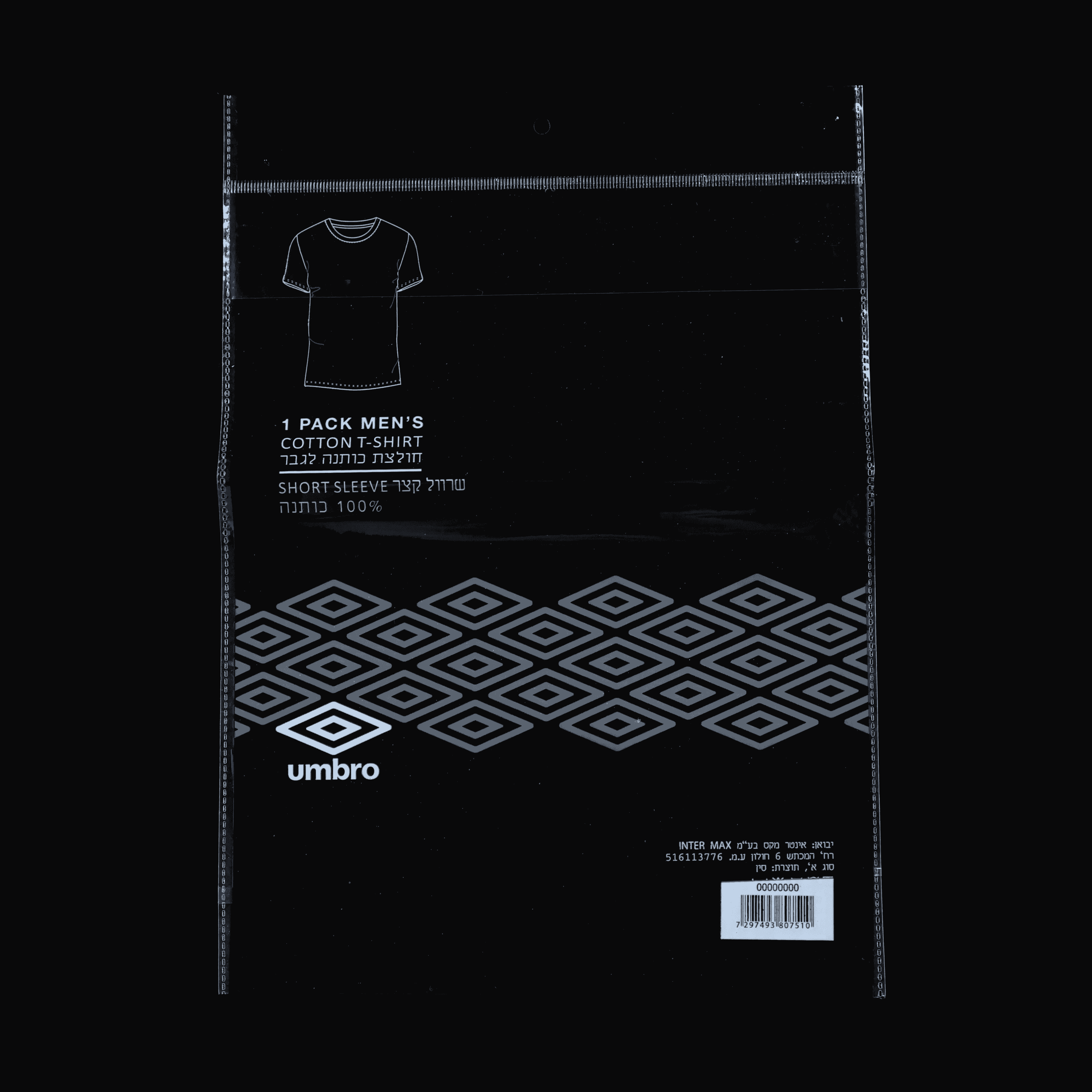
Choose BOPP Bags if you are a garment brand focused on retail shelf appeal, you export to buyers who expect high-quality branded packaging, your products are premium apparel like fashion wear, sportswear, or branded shirts, and you want your packaging to reflect the quality inside. BOPP bags make your product look premium before the customer even opens the pack.
In today’s competitive apparel market, packaging is part of the product experience. A well-printed, crystal-clear BOPP bag tells your customer that you care about quality at every level. For garment exporters in hubs like Tirupur, where buyers from Europe, the USA, and the Middle East expect consistent quality, BOPP bags have become the standard for branded packaging.
Why BOPP Bags Are the Preferred Choice for Garment Exporters
The garment export industry has very specific packaging requirements. Buyers specify everything from bag size and micron thickness to print color accuracy and barcode readability. BOPP bags meet all of these requirements with ease. Their high print quality ensures that logos and design elements reproduce exactly as intended. Their moisture barrier protects garments during long-distance shipping. Their glossy finish adds a professional, premium appearance that impresses buyers and retail customers alike.
BOPP bags also offer excellent scratch resistance, which means the printed surface stays intact even after handling, folding, and shipping. This makes them ideal for garments that go through multiple stages of packing, warehousing, and retail display. For small garment businesses scaling up, switching from plain PP bags to custom printed BOPP bags is often one of the most visible upgrades they can make to their brand image.
Why Real Packers Is Your Trusted BOPP Bags Manufacturer
Real Packers, based in the textile hub of Tirupur, Tamil Nadu, is a leading BOPP Bags Manufacturer with over two decades of experience serving garment exporters, apparel brands, and retail businesses across India and international markets. As a fully ISO and Sedex certified manufacturer, Real Packers maintains strict quality standards across every bag produced. From crystal-clear transparency to vibrant 8 to 10 color printing, every BOPP bag from Real Packers is crafted to meet your exact specifications.
As an experienced BOPP Bags Manufacturer, Real Packers offers full customization including size, micron thickness, zip lock options, print design, and finish type. Whether you need 1,000 bags or 1,00,000 bags, the team at Real Packers ensures consistent quality, competitive pricing, and on-time delivery every single time.
Get the Right Packaging Solution from Real Packers
Choosing between BOPP bags and PP bags does not have to be complicated. Real Packers helps you make the right choice based on your product type, order volume, branding requirements, and budget. As a trusted BOPP Bags Manufacturer and polypropylene bags supplier, Real Packers provides complete packaging solutions under one roof. From BOPP bags for premium garments to PP bags for bulk orders, every packaging requirement is handled with care, speed, and precision.
Visit www.realpackers.in or reach out directly to the Real Packers team to discuss your garment packaging needs and get a customized quote today.
Conclusion
Both PP bags and BOPP bags are excellent packaging materials, but they serve different purposes. PP bags are the right choice for cost-effective, high-volume, standard garment packaging. BOPP bags are the right choice when you want premium print quality, strong moisture protection, and packaging that elevates your brand. For garment businesses looking to grow, stand out on retail shelves, or impress international buyers, investing in custom printed BOPP bags is a smart and worthwhile decision. With a reliable BOPP Bags Manufacturer like Real Packers by your side, you get not just great bags but a packaging partner who understands the textile industry inside out. Make the switch today and let your packaging speak for your brand.