

How Polybag Manufacturers Ensure Safety Standards Compliance

Quality Polypropylene Bags Manufacturer Chennai

Introduction

In the modern world of packaging, polybags have become indispensable across industries — from food and pharmaceuticals to textiles and e-commerce. Their durability, flexibility, and affordability make them an ideal choice for packaging and transporting goods safely. However, with increasing global awareness about health, safety, and sustainability, the manufacturing of polybags has evolved far beyond simple plastic production.

Today, safety compliance is at the heart of polybag manufacturing. Manufacturers are required to meet stringent national and international standards to ensure that their products are safe for both consumers and the environment. Whether used for food packaging, industrial goods, or retail products, polybags must pass multiple quality and safety tests before they reach the market.

This article explores how polybag manufacturers ensure safety standards compliance — from material selection and production practices to testing and certifications — and why this compliance is vital for businesses and consumers alike.

1. Understanding the Importance of Safety Compliance in Polybag Manufacturing

Safety compliance refers to the process of adhering to regulations, guidelines, and industry standards that ensure the safe production, handling, and disposal of materials. For polybag manufacturers, compliance is not merely about meeting government regulations — it’s about building trust, maintaining brand credibility, and protecting the end user.

With the rise in environmental concerns and global trade, safety compliance also plays a key role in ensuring smooth market access. Non-compliant packaging products may face rejections, recalls, or even bans in certain markets. Therefore, adhering to safety norms ensures legal, ethical, and environmental responsibility while maintaining a competitive edge.

2. Regulatory Standards for Polybags

Polybags are subject to various regulations that govern their composition, manufacturing processes, and disposal. The standards may differ from one country to another, but the key objectives remain the same — ensuring consumer safety, environmental protection, and product integrity.

Some of the major safety standards and regulations include:

Bureau of Indian Standards (BIS): Specifies requirements for plastic packaging materials in India.
ISO Standards (e.g., ISO 9001, ISO 14001): Ensure quality management and environmental compliance.
FDA and EU Regulations: Applicable for food-grade polybags to ensure no harmful chemical migration occurs.
Extended Producer Responsibility (EPR): Requires manufacturers to manage plastic waste responsibly.
Recycling Codes (e.g., ASTM D7611): Identify the type of plastic resin used and its recyclability.

Complying with these standards ensures that polybags are safe, sustainable, and suitable for their intended use.

3. Material Selection: The Foundation of Safety Compliance

The process of ensuring compliance begins with selecting the right raw materials. Polybags are primarily made from polyethylene (PE), which includes both Low-Density Polyethylene (LDPE) and High-Density Polyethylene (HDPE).

To comply with safety regulations, manufacturers must use non-toxic, food-grade resins that do not release harmful chemicals during production or usage. Additives such as colorants, stabilizers, and slip agents must also be approved by regulatory bodies to ensure they do not pose health hazards.

For example, food packaging polybags must be odorless, tasteless, and resistant to chemical migration. Similarly, medical-grade polybags must meet higher sterilization and biocompatibility standards. Thus, material selection is the first and most crucial step in achieving compliance and maintaining product safety.

4. Quality Assurance in Manufacturing Processes

Compliance doesn’t end with material selection — it extends through the entire production process. Manufacturers must implement strict quality assurance (QA) and quality control (QC) systems at every stage, from extrusion to printing and cutting.

Key quality measures include:

Controlled Extrusion: Maintaining the correct temperature and pressure to ensure uniform thickness and strength.
Inspection for Defects: Checking for pinholes, air bubbles, or uneven edges that could compromise product integrity.
Printing and Ink Safety: Using non-toxic inks for branding and labeling to avoid contamination.
Batch Traceability: Assigning unique identifiers to production batches for accountability and recall management.

By maintaining a clean, organized, and monitored environment, manufacturers ensure consistency and compliance with regulatory norms.

5. Testing for Performance and Safety

Before polybags reach consumers or businesses, they must undergo rigorous testing to ensure they meet both functional and safety standards. Some of the key tests include:

Tensile Strength Test: Measures how much load a bag can withstand before breaking.
Puncture Resistance Test: Ensures the bag can resist tearing or puncturing under pressure.
Chemical Migration Test: Checks for the transfer of harmful substances from the bag to the packaged product (critical for food-grade bags).
Toxicity and Odor Tests: Confirms the absence of harmful chemicals and unpleasant odors.
Recyclability and Degradation Tests: Determines how the bag behaves during disposal and recycling.

Regular testing not only guarantees compliance but also helps manufacturers continuously improve their product quality.

6. Eco-Friendly and Sustainable Manufacturing Practices

With growing environmental awareness, safety compliance now also includes sustainability standards. Polybag manufacturers are increasingly adopting eco-friendly practices to reduce their carbon footprint and meet environmental regulations.

Some sustainable initiatives include:

Using Recyclable Materials: Ensuring that polybags can be reused or recycled efficiently.
Reducing Thickness (Gauge): Creating lightweight polybags without compromising strength.
Implementing Waste Management Systems: Recycling production scrap and minimizing plastic waste.
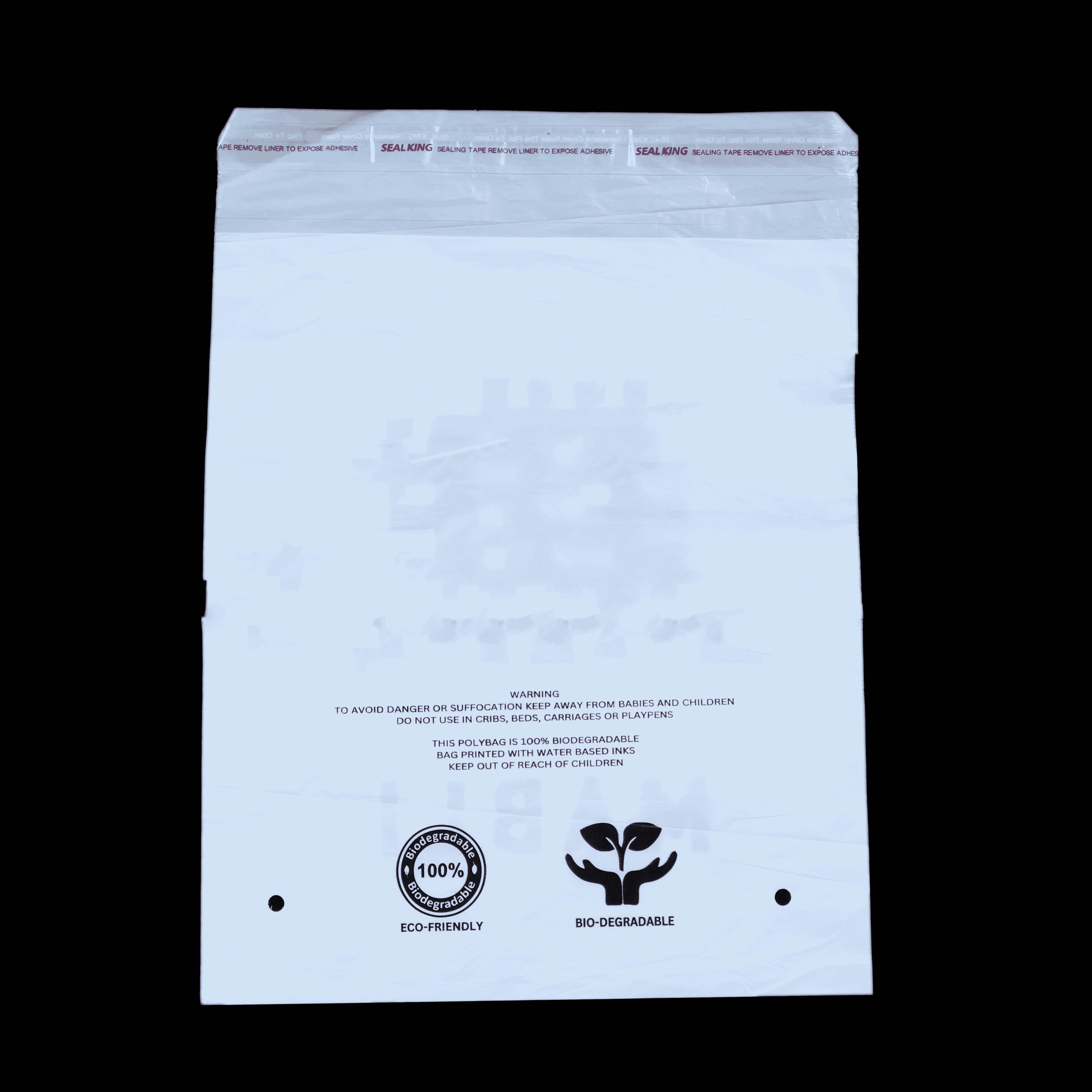
Developing Biodegradable Alternatives: Using compostable or oxo-biodegradable films that break down naturally.

By incorporating these sustainable approaches, manufacturers not only comply with regulations but also contribute to global efforts to combat plastic pollution.

7. Training and Safety Protocols for Workers

Human factors play a major role in maintaining compliance. Manufacturers must ensure that their staff are well-trained in safety protocols, machine handling, and quality standards.

Training programs often cover:

Safe handling of raw materials and chemicals.
Proper operation of extrusion and cutting machines.
Maintenance of cleanliness and hygiene in production areas.
Waste management and recycling best practices.

Regular safety audits and workshops ensure that employees remain updated with the latest compliance requirements and industry standards.

8. The Role of Technology in Compliance Monitoring

Modern polybag manufacturers use automation, IoT, and AI-driven quality control systems to maintain consistency and detect irregularities in real time.

For example, automated inspection systems can detect micro-defects invisible to the human eye, while digital record-keeping ensures traceability and documentation for audits. Advanced ERP (Enterprise Resource Planning) software also helps manufacturers maintain compliance documentation, certifications, and material tracking efficiently.

Technology not only improves accuracy but also reduces human error, making compliance monitoring more effective.

9. Global Certifications That Define Quality and Compliance

Manufacturers aiming to establish credibility in international markets must acquire certifications that validate their compliance with global standards. Some key certifications include:

ISO 9001: Quality Management System.
ISO 14001: Environmental Management System.
FDA Approval: For polybags used in food and pharmaceutical industries.
RoHS Compliance: Restricts the use of hazardous substances in products.
REACH Certification: Ensures products are safe for use within the European Union.

These certifications act as a mark of trust and quality, allowing manufacturers to serve both domestic and global clients confidently.

10. The Impact of Non-Compliance in the Packaging Industry

Failure to comply with safety standards can lead to serious consequences — both financially and reputationally. Non-compliant polybags can cause contamination, environmental hazards, or product recalls.

Businesses using such products risk losing customers and facing penalties or legal action. In the long run, non-compliance undermines consumer trust and brand integrity. Therefore, consistent adherence to safety and environmental regulations is not just mandatory — it’s essential for business sustainability.

11. Real Packers – A Trusted Polybags Manufacturer in Chennai

When it comes to reliability, quality, and compliance, Real Packers stands out as a leading Polybags Manufacturer in Chennai. The company is known for producing durable, safe, and eco-friendly packaging solutions that meet both Indian and international standards.

Real Packers follows a stringent quality assurance system that ensures every product aligns with regulatory norms and customer requirements. From raw material procurement to final inspection, the company emphasizes transparency and excellence at every stage.

Their wide product range includes LDPE, HDPE, and biodegradable polybags, designed for multiple industries including food, retail, logistics, and pharmaceuticals.

12. Why Choose Real Packers for Polybag Solutions

As a customer-focused Polybags Manufacturer in Chennai, Realpackers combines innovation, compliance, and sustainability to deliver superior packaging solutions. Here’s why businesses trust them:

Certified Quality: Products manufactured under ISO and BIS standards.
Sustainable Materials: Use of recyclable and eco-friendly polymers.
Advanced Technology: Automated production lines ensuring precision and safety.
Custom Solutions: Tailored polybags designed to meet specific industry needs.

By maintaining strict compliance with safety and environmental standards, Real Packers ensures long-term trust and reliability for its clients.

FINAL THOUGHTS: Real Packers – Setting New Benchmarks in Safety and Quality

In today’s competitive packaging industry, safety compliance is not just an obligation — it’s a commitment to quality, sustainability, and consumer well-being. From sourcing non-toxic materials to adopting eco-friendly manufacturing and rigorous testing, every step in polybag production contributes to maintaining global safety standards.

As a premier Polybags Manufacturer in Chennai Real Packers continues to set new benchmarks in quality and compliance. Their dedication to ethical production, technological innovation, and environmental responsibility makes them a trusted partner for businesses seeking reliable, safe, and sustainable packaging solutions.

By choosing Real Packers, companies can be confident that every polybag meets the highest standards of safety, performance, and eco-conscious design — ensuring not only product protection but also a cleaner, safer future for all.

Benefits of Using Stretch Wrapping Rolls in Logistics

Leading Stretch Wrapping Film Manufacturer Chennai

Introduction

In the complex and fast-paced world of logistics, maintaining the safety, integrity, and efficiency of transported goods is essential. Every product that moves through the supply chain faces potential risks — from physical damage to environmental exposure. One simple yet highly effective tool that helps prevent these risks and ensures smooth logistical operations is the stretch wrapping roll.

Stretch wrapping rolls, made from high-quality plastic films, are designed to tightly secure and protect goods during transportation and storage. Their elasticity allows them to conform to various load shapes while providing superior stability and protection. In today’s era, where speed, safety, and cost-effectiveness drive every business decision, stretch wrap has become indispensable in logistics and warehousing.

This blog explores in detail the many benefits of using stretch wrapping rolls in logistics and how they have transformed packaging and shipping practices across industries.

1. Understanding Stretch Wrapping Rolls and Their Role in Logistics

Stretch wrapping rolls are plastic films, typically made from linear low-density polyethylene (LLDPE), that are stretched around palletized goods or items to hold them together securely. This simple yet powerful packaging solution has become a staple in warehouses, distribution centers, and manufacturing facilities.

In logistics, the primary goals are minimizing product damage, optimizing load stability, and ensuring cost-efficient handling. Stretch wraps effectively achieve these objectives by tightly binding goods, protecting them from dust, moisture, and shifting during transportation.

Whether used in manual or automated wrapping systems, stretch wraps are versatile, cost-efficient, and easy to apply — making them a preferred choice across industries ranging from food and beverage to pharmaceuticals and manufacturing.

2. Types of Stretch Wrapping Rolls

Different logistics needs call for different types of stretch wrapping rolls. Some of the most common varieties include:

Hand Stretch Film: Used for manual wrapping of smaller loads. Ideal for low-volume operations.
Machine Stretch Film: Designed for high-volume packaging lines, providing consistent stretch and load stability.
Pre-Stretched Film: Comes pre-stretched, reducing the amount of force required during wrapping, thereby saving labor time and material usage.
Colored or Opaque Stretch Film: Provides added security by concealing valuable goods and preventing tampering.
UV-Resistant Stretch Film: Used for outdoor storage to protect goods from sun damage.

Each type caters to specific logistical challenges, making it easier for companies to select the ideal film based on their operations, product type, and shipping conditions.

3. Enhancing Load Stability and Safety

One of the most significant benefits of using stretch wrapping rolls is load stability. During transportation, products can shift, topple, or collide if not properly secured. Stretch wrapping ensures that the entire load moves as one unit, minimizing internal movement and protecting items from impact.

The tight and uniform hold that stretch wrap provides prevents slippage or falling — critical for maintaining product integrity, especially in shipments with fragile or unevenly shaped items. Moreover, it helps reduce workplace accidents by keeping pallets stable during forklift operations.

A well-wrapped pallet not only safeguards products but also ensures smoother logistics operations from warehouse to final delivery.

4. Protection from Environmental Factors

Products in transit often face exposure to dust, dirt, and moisture — all of which can damage packaging or contents. Stretch wrapping rolls act as a protective shield, keeping external elements at bay.

For instance, stretch film offers a moisture barrier that prevents rain, humidity, or accidental spills from reaching goods. It also helps maintain cleanliness, which is especially important in industries like food processing, pharmaceuticals, and electronics.

Additionally, UV-resistant variants of stretch film can safeguard goods stored outdoors for extended periods, ensuring long-term protection against sunlight and heat.

5. Cost-Effective Packaging Solution

While logistics operations often involve significant costs in materials, labor, and transport, stretch wrapping rolls provide an economical packaging method without compromising safety or efficiency.

Compared to other packaging materials like strapping or shrink wrap, stretch film uses minimal material for maximum effect. It requires less energy (no heat source), can be applied quickly, and is lightweight — all of which contribute to lower overall costs.

Moreover, stretch film’s elasticity allows it to cover more surface area with less material, reducing waste and improving cost efficiency. Its recyclability further adds to its economic and environmental value.

6. Improved Operational Efficiency

Stretch wrapping simplifies and speeds up packaging operations. Modern automated stretch wrapping machines can wrap pallets within seconds, ensuring uniformity and minimizing manual effort. This not only enhances throughput but also reduces human error and fatigue.

Even in manual operations, pre-stretched rolls make the process faster and more efficient. Workers can wrap loads securely with minimal exertion, leading to higher productivity and consistent wrapping quality.

Efficiency in packaging directly impacts logistics performance — faster wrapping means quicker turnaround times and more shipments completed in less time.

7. Versatility Across Industries

One of the biggest strengths of stretch wrapping rolls is their versatility. They can be used to secure a wide range of products across industries, regardless of size, shape, or weight.

Industries that rely heavily on stretch wrapping include:

Food and Beverage: For securing bottled, canned, or packaged goods.
Pharmaceuticals: For maintaining hygiene and protection during long-distance transport.
Construction Materials: For wrapping heavy, bulky loads such as cement bags or tiles.
Retail and E-Commerce: For shipping mixed goods efficiently.
Automotive and Engineering: For transporting parts and components safely.

Their adaptability ensures that stretch wraps meet the unique requirements of various supply chain applications while ensuring consistency in protection and performance.

8. Sustainability and Environmental Benefits

In today’s eco-conscious business environment, sustainability plays a major role in logistics. Stretch wrapping rolls support this trend in several ways.

Firstly, modern stretch films are designed to be lightweight yet durable, reducing material usage per pallet. Secondly, they are fully recyclable, minimizing landfill waste and promoting a circular economy.

Furthermore, by reducing product damage and contamination during transportation, stretch wraps indirectly help reduce overall waste in the supply chain. Manufacturers are also investing in bio-based and biodegradable films, further aligning the industry with global sustainability goals.

9. Enhancing Security and Tamper Evidence

Stretch wrapping provides not just physical protection but also added security during shipment. Once wrapped, any tampering attempt becomes immediately visible — making it easier to detect and prevent unauthorized access.

Opaque or colored films can further conceal valuable or sensitive goods, deterring theft during transit. In high-value logistics operations, such features are critical for maintaining product confidentiality and safety.

Thus, stretch wraps serve as an additional layer of security while ensuring the aesthetic and professional appearance of wrapped loads.

10. Why Stretch Wrapping Rolls Are a Logistics Essential

In modern logistics systems, efficiency, protection, and cost management are intertwined. Stretch wrapping rolls fulfill all three requirements seamlessly. They offer reliable protection, optimize space utilization, and enhance the visual uniformity of pallets.

From small-scale warehouses to large distribution hubs, stretch film remains a packaging staple because it delivers results that other materials struggle to match — low cost, high performance, and versatility.

Whether you’re shipping lightweight consumer goods or heavy industrial equipment, stretch wrapping ensures that your cargo arrives at its destination in the same condition it left the warehouse.

11. Real Packers – The Leading Stretch Wrapping Roll Manufacturer in Chennai

When it comes to quality, durability, and innovation, Real Packers stands as a trusted Stretch Wrapping Roll Manufacturer in Chennai. The company specializes in producing premium-grade stretch films designed to meet diverse industrial needs, from logistics and warehousing to export packaging.

Realpackers ensures superior clarity, stretchability, and tear resistance in every roll, providing maximum protection and load stability. Their stretch wraps are engineered for both manual and automated applications, making them suitable for businesses of all sizes.

By continuously innovating with eco-friendly materials and advanced manufacturing processes, Real Packers ensures that their products not only perform efficiently but also align with global sustainability standards.

12. Why Choose Real Packers for Your Packaging Needs

Choosing the right packaging partner can make all the difference in logistics efficiency. Real Packers offers a range of benefits that set it apart as a leading Stretch Wrapping Roll Manufacturer in Chennai:

Consistent Quality: High-performance rolls made with advanced extrusion technology.
Customization Options: Available in different gauges, colors, and roll lengths.
Eco-Friendly Manufacturing: Commitment to sustainability with recyclable and energy-efficient materials.
Customer-Centric Service: Tailored solutions designed to meet specific industry needs.

With Real Packers, businesses can be confident in receiving stretch wrapping rolls that enhance safety, speed, and sustainability in every shipment.

FINAL THOUGHTS: Securing the Future of Logistics with Real Packers

As logistics operations become more complex and globally connected, the need for reliable packaging solutions grows stronger. Stretch wrapping rolls have proven to be a simple yet transformative tool that optimizes packaging efficiency, protects goods, and enhances sustainability.

With leading manufacturers like Real Packers, businesses in India can access world-class packaging solutions that combine innovation, durability, and environmental responsibility. As a top Stretch Wrapping Roll Manufacturer in Chennai Real Packers continues to redefine the standards of safety and efficiency in logistics — ensuring that every product, pallet, and shipment arrives in perfect condition.

Why Switching to Biodegradable Compostable Bags Is Good for Your Business

Best Biodegradable Compostable Bags Manufacturer and Supplier

Introduction

In today’s environmentally conscious world, sustainability has become more than just a buzzword—it’s a business necessity. As industries and consumers become increasingly aware of environmental impacts, the shift toward eco-friendly packaging has gained immense traction. Among the many sustainable options available, biodegradable compostable bags have emerged as a leading solution for businesses looking to reduce their carbon footprint without compromising on quality or functionality. Switching to biodegradable compostable bags not only enhances your brand’s reputation but also demonstrates your company’s commitment to responsible practices. Whether you run a retail outlet, garment business, or manufacturing unit, making the switch can have long-term benefits for both the planet and your profits. This blog explores why biodegradable compostable bags are the future of sustainable packaging, how they contribute to business growth, and why making the switch now can future-proof your brand.

Understanding Biodegradable Compostable Bags

Before diving into the business benefits, it’s essential to understand what biodegradable compostable bags are and how they differ from traditional plastic bags. Biodegradable bags are designed to break down naturally over time with the help of microorganisms such as bacteria and fungi. Compostable bags, on the other hand, go one step further—when composted under the right conditions, they decompose into non-toxic components like water, carbon dioxide, and biomass that enrich the soil.

Unlike conventional plastic bags made from petroleum-based polymers, compostable bags are typically produced using plant-based materials such as corn starch, cassava, or PLA (polylactic acid). These natural raw materials make them safe for the environment and compatible with industrial or home composting systems.

Environmental Impact: Reducing Carbon Footprint

The most compelling reason to switch to biodegradable compostable bags is their minimal impact on the environment. Traditional plastic bags can take up to 1,000 years to decompose, often releasing harmful microplastics that pollute land and water ecosystems.

In contrast, compostable bags break down within months when exposed to the right conditions, leaving behind no harmful residues. This drastically reduces the volume of waste in landfills and helps lower greenhouse gas emissions associated with plastic production and disposal. By adopting biodegradable bags, businesses contribute directly to the reduction of pollution and the promotion of a circular economy where materials are reused or returned safely to nature.

Enhancing Brand Image and Consumer Trust

Today’s consumers are not only product-focused but also value-driven. They prefer to buy from brands that align with their environmental beliefs. Offering biodegradable compostable packaging signals that your business takes sustainability seriously.

When customers notice your brand’s initiative toward eco-friendly packaging, they perceive your business as responsible, ethical, and progressive. This fosters trust and encourages brand loyalty, leading to repeat purchases and positive word-of-mouth marketing.

In many industries, especially retail and fashion, sustainability has become a defining factor for consumer choices. Businesses that integrate biodegradable packaging early can gain a significant competitive advantage over those that continue to rely on traditional plastics.

Meeting Regulatory and Compliance Requirements

Governments across the globe are enforcing strict regulations to curb plastic pollution. Many regions have banned single-use plastics, encouraging industries to shift to compostable or biodegradable alternatives.

Switching to biodegradable compostable bags helps businesses stay ahead of compliance mandates and avoid penalties or disruptions due to changing environmental laws. Moreover, being compliant demonstrates social responsibility and adds credibility to your corporate sustainability initiatives.

Businesses that transition now will not only comply with current regulations but also future-proof themselves against upcoming environmental standards.

Cost Efficiency and Long-Term Savings

While the initial cost of biodegradable compostable bags may be slightly higher than that of conventional plastic bags, they offer significant long-term benefits. As production technologies advance and demand increases, the price gap continues to narrow.

Furthermore, the adoption of eco-friendly packaging can reduce waste management costs and improve operational efficiency. Some regions also offer tax incentives or grants for businesses adopting sustainable practices.

Most importantly, using biodegradable packaging helps avoid potential losses associated with non-compliance fines, brand damage, or customer backlash linked to environmental negligence.

Functional Benefits for Packaging Needs

Beyond their environmental advantages, biodegradable compostable bags are versatile and durable. They can be customized to suit various business needs, from grocery and retail packaging to garment and industrial uses.

These bags maintain excellent strength and tear resistance, ensuring the same reliability as traditional plastic bags. They are also compatible with printing and branding, allowing businesses to maintain a professional and visually appealing presentation for their products.

Additionally, compostable bags are safe for direct contact with food and sensitive materials, making them suitable for a wide range of industries.

Supporting Corporate Sustainability Goals

Sustainability is no longer a standalone marketing point—it’s a strategic business goal. By incorporating biodegradable compostable bags into your supply chain, you actively contribute to the United Nations Sustainable Development Goals (SDGs), particularly those focusing on responsible consumption and environmental protection.

Businesses that embrace such eco-friendly initiatives are more likely to attract investors, partners, and customers who value sustainability. Moreover, aligning with green goals strengthens your brand identity and sets a strong example for others in your industry.

Applications of Biodegradable Compostable Bags in Garment Industries

In the garment and textile sectors, packaging plays a vital role in maintaining product quality and presentation. Biodegradable compostable bags for garments are gaining popularity as they provide the necessary protection against moisture, dust, and damage while being environmentally responsible.

These bags help garment manufacturers reduce plastic waste and appeal to eco-conscious customers who prefer brands that promote sustainable fashion. By replacing traditional polybags with compostable ones, garment exporters and retailers can significantly reduce their environmental footprint.

The shift also creates new marketing opportunities—businesses can showcase their green packaging choices as a core part of their sustainability story.

Why Choose a Trusted Biodegradable Compostable Bag Manufacturer

When it comes to sustainable packaging, choosing the right Biodegradable Compostable Bag Manufacturer is crucial. A reliable manufacturer ensures consistent quality, proper certification, and adherence to environmental standards.

Partnering with a reputable supplier guarantees that your bags are produced using safe, plant-based materials and meet both national and international compostability norms. Moreover, working with experts allows you to customize designs, sizes, and branding elements to match your business needs.

For instance, Real Packers, a leading Biodegradable Compostable Bag Manufacturer, has established itself as a trusted name in sustainable packaging solutions. Their products are engineered for strength, versatility, and environmental safety—making them an ideal choice for businesses seeking to go green.

Real Packers: Pioneering Eco-Friendly Packaging Solutions

Realpackers has earned a reputation for delivering high-quality, sustainable packaging products to a diverse range of industries. As a dedicated Biodegradable Compostable Bag Manufacturer, the company prioritizes innovation and environmental responsibility.

Real Packers’ compostable bags are manufactured from renewable materials, ensuring that every product aligns with global sustainability goals. Whether you need Biodegradable Compostable Bags for Garments or general retail use, their offerings are designed to balance functionality, strength, and eco-consciousness.

Their commitment to sustainability, combined with advanced production techniques, makes Real Packers a preferred choice among businesses aiming to reduce their ecological impact.

Conclusion: A Sustainable Future Begins with Responsible Choices

Switching to biodegradable compostable bags is not just a business decision—it’s a commitment to environmental preservation and long-term sustainability. By adopting eco-friendly packaging, your business demonstrates leadership, responsibility, and innovation in addressing one of the world’s biggest challenges—plastic pollution.

Choosing a trusted Biodegradable Compostable Bag Manufacturer like Real Packers ensures that your packaging aligns with environmental standards while maintaining durability and quality. With sustainable options such as Biodegradable Compostable Bags for Garments, you can protect your products, enhance your brand image, and contribute positively to the planet.

In a marketplace where consumers increasingly favor environmentally responsible brands, switching to compostable packaging is not just good for the Earth—it’s good for business too. Make the sustainable choice today with Real Packers and lead your industry toward a greener tomorrow.

Why Exporters Prefer Dealing with Professional Box Wrapping Machine Suppliers

Reliable Box Wrapping Machine Manufacturer & Global Supplier

Introduction

In the fast-paced world of exports, packaging plays a pivotal role in ensuring that goods reach their destination safely, intact, and presentable. Export businesses often deal with large consignments, varying product dimensions, and long shipping durations. Any compromise in packaging can lead to damages, customer dissatisfaction, and ultimately, financial losses. That’s why exporters across industries — from food and beverages to textiles, electronics, and machinery — place a high emphasis on reliable packaging solutions.

Among the many packaging innovations available today, box wrapping machines have gained tremendous popularity. They not only streamline the packaging process but also enhance the durability, safety, and presentation of products being shipped. However, exporters don’t just need machines; they need professional suppliers who understand their challenges, deliver consistent quality, and provide long-term value.

This blog explores why exporters prefer working with professional box wrapping machine suppliers, the unique advantages these machines bring to global trade, and the essential qualities businesses should look for in their packaging partners.

The Growing Importance of Packaging in Global Trade

Globalization has transformed the way businesses operate. Exporters today not only have to meet local standards but also comply with international regulations, safety requirements, and customer expectations. In this context, packaging is no longer just about wrapping a product — it’s about ensuring compliance, brand reputation, and logistics efficiency.

Packaging as a Competitive Advantage

Brand Value: Attractive, secure packaging gives exporters an edge in crowded global markets.

Safety: Strong, consistent packaging reduces product loss or damage during long transit.

Compliance: Meeting international packaging standards ensures smoother customs clearance.

Efficiency: Streamlined packaging saves time and labor costs in high-volume operations.

This is where box wrapping machines become indispensable.

What Is a Box Wrapping Machine?

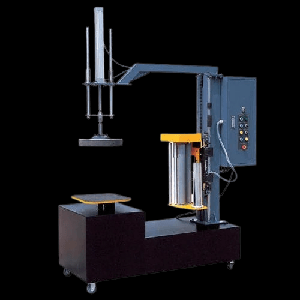
A box wrapping machine is a specialized device designed to wrap products, cartons, or consignments in stretch film or other protective materials. These machines secure the load tightly and evenly, protecting it from dust, moisture, and damage during handling and transport.

Types of Box Wrapping Machines

Manual Wrapping Machines: Cost-effective, suitable for small businesses with limited packaging needs.

Semi-Automatic Machines: Offer a balance between manual control and automation.

Fully Automatic Machines: Preferred by exporters for high efficiency and consistency in large-scale operations.

Exporters often prefer semi-automatic or fully automatic models because of their speed, consistency, and ability to handle bulk shipments.

Benefits of Box Wrapping Machines for Exporters

1. Enhanced Product Protection

Box wrapping machines apply stretch films tightly, shielding goods against dust, dirt, and moisture — critical when products travel across long distances or varying climates.

2. Time and Labor Savings

Automation significantly reduces the time required for packaging. What may take hours to wrap manually can be done in minutes with a machine, freeing labor for more value-driven tasks.

3. Cost Efficiency

While machines require an initial investment, they save money in the long run by reducing labor costs, minimizing film wastage, and preventing product damage.

4. Improved Load Stability

Properly wrapped boxes are easier to handle and transport, reducing the chances of shifting or toppling during transit.

5. Consistency and Professional Appearance

Exporters value the uniformity provided by box wrapping machines. Consistent wrapping not only protects goods but also gives shipments a professional look, building trust with buyers.

Why Professional Suppliers Make the Difference

A machine is only as good as the supplier who provides it. Exporters prefer professional suppliers for the following reasons:

1. Quality Assurance

Professional suppliers ensure that machines meet international standards and are durable enough for rigorous use.

2. Customization Options

Every exporter has unique needs depending on product size, shipping volume, and market demands. Professional suppliers provide customizable solutions that fit specific requirements.

3. After-Sales Support

From installation and training to regular servicing, professional suppliers offer long-term support that exporters rely on to minimize downtime.

4. Innovation and Technology

Leading suppliers constantly upgrade their offerings with the latest technologies — from eco-friendly film usage to IoT-enabled monitoring systems.

5. Cost Transparency

Reliable suppliers provide clear pricing without hidden charges, enabling exporters to plan their budgets effectively.

The Exporter’s Perspective: What They Look For

Exporters often evaluate suppliers based on:

– Reliability of delivery (timely machine supply and installation).

– Training and operational guidance for their workforce.

– Energy-efficient machines to reduce operational costs.

– Availability of spare parts to avoid disruptions.

– Scalability (machines that can adapt to growing business needs).

For exporters, a supplier is not just a vendor but a strategic partner who helps them meet global challenges head-on.

Sustainability and the Modern Exporter

Today’s exporters face growing pressure from international buyers to adopt eco-friendly packaging. Professional suppliers who provide machines optimized for minimal film wastage, recyclable wrapping materials, and energy-efficient operations align with this global sustainability movement. By doing so, exporters can meet environmental standards while also reducing costs.

How Exporters Gain Long-Term Value from Professional Partnerships

Professional suppliers ensure business continuity, which is vital for exporters who cannot afford packaging delays or inconsistencies. Their emphasis on durability, training, and responsive service translates into smoother supply chains and stronger customer satisfaction.

Why Choose a Professional Box Wrapping Machine Supplier?

For exporters, selecting the right Box Wrapping Machine Supplier is not just about buying equipment. It is about ensuring seamless operations, reducing risks, and improving profitability. A professional supplier provides peace of mind through reliability, innovation, and consistent support, which directly translates into success in competitive international markets.

Real Packers: A Trusted Box Wrapping Machine Supplier for Exporters

When it comes to exporters seeking dependable packaging solutions, Real Packers stands out as a reliable Box Wrapping Machine Supplier. With years of experience, they provide cutting-edge machines tailored to meet the diverse needs of exporters. Their solutions emphasize quality, efficiency, and sustainability — exactly what global businesses need in today’s fast-moving trade environment.

Exporters who partner with Realpackers benefit from advanced technology, robust after-sales service, and a supplier who truly understands the nuances of international logistics and packaging demands.

Final thoughts : Partnering with Real Packers for Export Success

In global trade, where margins are tight and competition is intense, exporters cannot afford to compromise on packaging. A professional Box Wrapping Machine Supplier safety, efficiency, compliance, and long-term cost savings.

Real Packers, with its proven expertise and customer-centric approach, is the trusted choice for exporters looking for reliable packaging solutions. By choosing Real Packers, exporters not only secure their shipments but also strengthen their brand reputation in international markets.

How to Choose the Right Polypropylene Bags Manufacturer for Your Needs

Top Polypropylene Bags Manufacturer & Supplier in Bangalore

Introduction

In the modern industrial and retail landscape, packaging is more than just a way to carry products. It is a tool for brand identity, product protection, customer convenience, and sustainability. Among the various packaging materials available today, polypropylene (PP) bags have emerged as one of the most widely used solutions across industries such as agriculture, garments, food, and retail.

Polypropylene bags are durable, lightweight, cost-effective, and customizable, making them an essential choice for businesses that need dependable packaging. However, the growing demand has led to an increasing number of manufacturers entering the market. With so many options, choosing the right polypropylene bags manufacturer becomes a crucial decision that can significantly impact your business’s operations, branding, and customer satisfaction.

This blog will guide you through the key factors to consider when selecting a reliable manufacturer, the applications of polypropylene bags, and why partnering with the right supplier is essential for long-term success.

What Are Polypropylene Bags?

Polypropylene bags are made from thermoplastic polymers that are stretched and woven into strong, flexible fabrics. These bags are known for their high tensile strength, resistance to moisture, and reusability.

The manufacturing process allows for variations such as laminated, non-laminated, BOPP (biaxially oriented polypropylene) coated, and transparent bags, making them suitable for different industry requirements. For businesses, this versatility translates into packaging that not only protects the product but also enhances brand presentation.

Applications of Polypropylene Bags Across Industries

Agriculture and Food: For grains, pulses, flour, and sugar, PP woven bags are the preferred choice.

Garments and Textiles: Retailers and exporters use them for packaging garments and fabrics in a clean, durable, and professional manner.

Retail and Branding: Printed polypropylene bags are used as shopping bags in retail environments.

Construction: Sand, cement, and other bulk materials are securely transported in heavy-duty PP woven bags.

Chemicals and Fertilizers: Their strength makes them ideal for storing and transporting hazardous or heavy materials.

The adaptability of polypropylene bags highlights the importance of working with a manufacturer who can tailor solutions to your industry’s unique needs.

Benefits of Polypropylene Bags

1. Durability and Strength
Polypropylene bags can withstand heavy loads and rough handling, making them ideal for industries that require bulk packaging.

2. Moisture and Dust Resistance
The woven structure and optional lamination provide resistance against moisture and dust, helping preserve product quality.

3. Cost-Effectiveness
Compared to other materials, PP bags are affordable to produce and purchase, making them a cost-efficient solution for businesses.

4. Eco-Friendliness
Polypropylene is recyclable, reusable, and has a relatively low carbon footprint compared to single-use plastic packaging.

5. Customization
Manufacturers can print logos, graphics, and brand messaging directly onto PP bags, turning them into marketing tools.

Challenges in Selecting the Right Manufacturer

Not all polypropylene bag manufacturers offer the same level of quality, service, or reliability. Choosing the wrong partner can result in:

Inconsistent Quality: Poorly manufactured bags may tear or fail during transport.

Delayed Deliveries: A manufacturer unable to meet timelines can disrupt your supply chain.

Limited Customization: Some suppliers may lack the technology to provide advanced printing or finishing options.

Compliance Issues: Bags used in industries like food or garments must comply with safety and hygiene standards.

This makes it essential to carefully evaluate potential manufacturers before entering into a long-term partnership.

Key Factors to Consider When Choosing a Polypropylene Bags Manufacturer

1. Quality Assurance
Check if the manufacturer follows stringent quality control processes. A reliable supplier should provide consistency in tensile strength, stitching, lamination, and print clarity.

2. Industry Experience
Manufacturers with years of experience understand the nuances of different industries. They can guide you toward the right type of PP bags for your product.

3. Customization Capabilities
Look for suppliers who offer advanced printing, various bag sizes, and options like gusseting, lamination, or transparent windows.

4. Production Capacity
Your manufacturer should be capable of handling bulk orders without compromising delivery timelines.

5. Sustainability Practices
With increasing demand for eco-friendly solutions, ensure your supplier uses recyclable materials and follows sustainable practices.

6. Certifications and Compliance
Certifications like ISO or food-grade compliance ensure that the bags meet international standards, especially for sensitive industries.

7. After-Sales Support
A reliable manufacturer provides ongoing support, including handling complaints, offering replacements, and assisting with new product requirements.

The Role of Polypropylene Bags in Garment Packaging

Garments require packaging that is clean, presentable, and protective against dust and moisture. Polypropylene bags are the preferred choice in this sector because:

They keep garments neatly folded and protected.

Transparent options allow buyers to see the product inside.

Printed designs add branding value to retailers and exporters.

They are lightweight, reducing shipping costs for bulk exports.

Choosing the right PP bag manufacturer is particularly crucial for garment exporters, as packaging quality directly reflects the brand’s professionalism and reliability.

The Growing Market Demand for Polypropylene Bags

The demand for polypropylene bags is expected to grow steadily due to:

E-commerce Expansion: Online businesses need reliable, affordable packaging.

Global Trade Growth: Exporters prefer PP bags for their strength and lightweight structure.

Sustainability Trends: Recyclability makes PP bags a popular eco-friendly packaging choice.

Branding Needs: Businesses increasingly value customizable packaging for stronger customer engagement.

This trend underscores the need for businesses to partner with trusted manufacturers who can meet both current and future requirements.

Finding the Right Polypropylene Bags Manufacturer in Bangalore

When it comes to garment packaging and other industrial needs, selecting the right Polypropylene Bags Manufacturer in Bangalore can make all the difference. A local partner offers the advantage of faster communication, quicker deliveries, and better understanding of market requirements. Businesses should look for a manufacturer who offers tailored solutions for industries ranging from agriculture to garments, ensuring reliability and efficiency in packaging.

Why Real Packers Is a Trusted Partner for Polypropylene Bags for Garments

For garment exporters and retailers, Polypropylene Bags for Garments must balance functionality, cleanliness, and presentation. Realpackers has earned a strong reputation as a reliable Polypropylene Bags Manufacturer in Bangalore, offering high-quality, customizable bags designed to meet the specific needs of the garment industry.

Their advanced printing technology, stringent quality checks, and sustainable practices ensure that clients receive packaging that enhances both protection and branding. Real Packers’ focus on industry-specific solutions makes them a preferred partner for businesses looking to build trust with their customers.

Final Thoughts: Choosing Real Packers for Polypropylene Packaging Success

In today’s competitive landscape, packaging is no longer just a necessity — it is a brand statement. Polypropylene bags offer a blend of durability, cost-efficiency, and sustainability that makes them a preferred choice across industries. However, the key lies in choosing the right manufacturer.

By partnering with Real Packers, a trusted Polypropylene Bags Manufacturer in Bangalore businesses gain access to top-quality Polypropylene Bags for Garments and other industry-specific needs. With their commitment to quality, customization, and sustainability, Real Packers ensures that your packaging not only protects your products but also strengthens your brand’s presence in the marketplace.