


Compostable Carry Bags for Retail: Benefits and Considerations

Biodegradable Compostable Bag Manufacturer  in india

INTRODUCTION

Plastic waste has long been a persistent and worsening global problem, with the retail sector often criticized for contributing to it through single-use packaging and plastic carry bags. As environmental awareness continues to rise, both retailers and consumers are shifting toward more sustainable alternatives that can help reduce our collective ecological footprint. Among these, compostable carry bags have emerged as a highly promising solution.

Designed to break down naturally under composting conditions, compostable bags offer a realistic, scalable way for retail businesses to address sustainability challenges without compromising on customer convenience. However, integrating compostable carry bags into the retail landscape requires a closer look at their benefits, regulatory requirements, and practical implementation strategies.

In this detailed article, we will explore why compostable bags matter, how they differ from traditional plastics, what to consider when adopting them, and the broader future they represent for the sustainable retail sector.

The Global Problem with Plastic

For decades, the convenience of plastic bags made them ubiquitous in supermarkets, fashion stores, pharmacies, and virtually every retail setting. However, these bags have left a toxic legacy:

  • They can take hundreds of years to break down.
  • They often end up in oceans, threatening marine life.
  • Microplastics from degraded plastic bags have been found in soil, water, and even human bodies.
  • Recycling rates for thin plastic carry bags are dismally low due to contamination and lack of proper recycling facilities.

This has put enormous pressure on governments, retailers, and consumers to look for sustainable packaging alternatives that can fit modern retail operations while protecting the environment.

What Are Compostable Carry Bags?

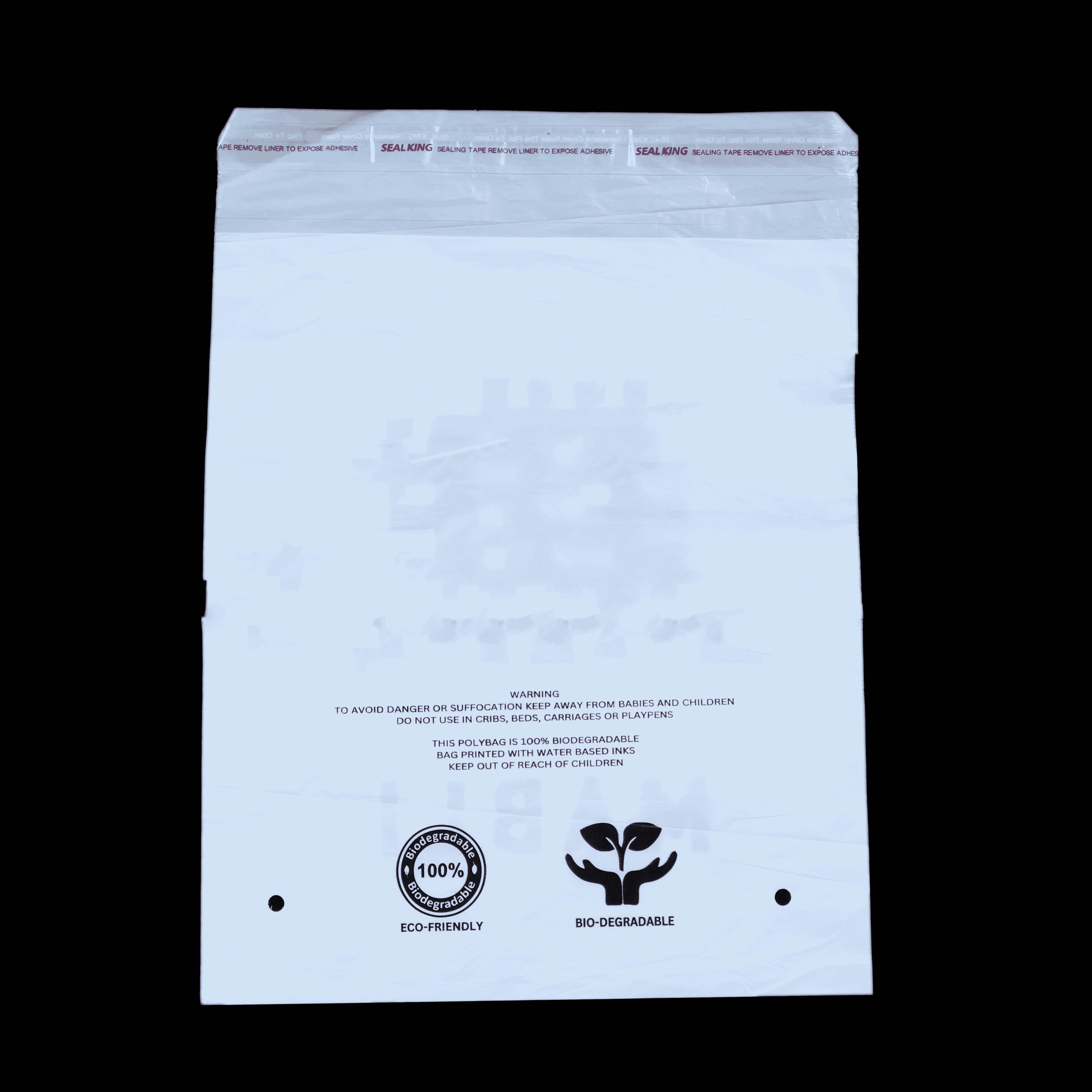
Compostable carry bags are made from biopolymers — often derived from corn starch, potato starch, or other plant-based materials — that break down into organic matter in composting environments. These bags:

  • Decompose under specific temperature and moisture conditions
  • Leave behind no harmful residues
  • Contribute to soil fertility when properly composted

It is important to note that compostable bags are not the same as biodegradable plastics, which may still leave microplastics behind. Compostable bags meet stricter standards, ensuring they disintegrate fully and safely.

Key Benefits of Compostable Carry Bags for Retail

1. Environmental Benefits

Compostable bags drastically reduce the carbon footprint associated with traditional plastics. They:

  • Minimize greenhouse gas emissions during breakdown
  • Return organic matter to the soil
  • Help reduce reliance on fossil fuels, since they’re plant-derived

2. Consumer Appeal

Today’s shoppers are environmentally conscious and increasingly expect retailers to provide eco-friendly packaging. Compostable bags help brands align with consumer values and can strengthen customer loyalty.

3. Compliance with Evolving Regulations

Many countries and states are phasing out single-use plastics through strict bans and regulations. Compostable bags allow retailers to stay ahead of compliance requirements while keeping their packaging solutions practical and convenient.

4. Versatility and Practicality

Modern compostable bags are remarkably durable and can handle everyday retail uses, including groceries, apparel, pharmacy goods, and takeout. With the right manufacturing techniques, compostable bags can match the strength and flexibility of conventional plastic carry bags.

Compostable vs. Biodegradable vs. Traditional Plastic

Retailers often confuse these terms, so let’s break them down:

  • Traditional Plastic Bags: Made from petroleum, they persist for centuries and pollute ecosystems.
  • Biodegradable Bags: Break down faster than traditional plastics but may still leave microplastic residues.
  • Compostable Bags: Designed to turn fully into non-toxic compost within industrial or home composting conditions.

Compostable bags are therefore the most sustainable choice when combined with proper disposal infrastructure.

Regulatory Considerations for Retailers

If you are a retailer looking to transition to compostable carry bags, you must understand the regulatory framework. In many regions, compostable bags must meet recognized standards such as:

  • EN 13432 (Europe)
  • ASTM D6400 (USA)
  • ISO 17088 (International)

These certifications ensure that compostable bags truly break down without leaving harmful residues. Retailers should only partner with certified suppliers and manufacturers who can provide documentation of compliance.

The Importance of Disposal Infrastructure

Even the best compostable bags can fail their promise if consumers do not dispose of them correctly. Industrial composting facilities with controlled heat and moisture are ideal for the fastest breakdown. Retailers can support this transition by:

  • Educating consumers on proper disposal
  • Collaborating with waste management partners
  • Labeling compostable bags clearly

A holistic system that includes consumer education is essential to the success of compostable packaging.

Challenges in Transitioning to Compostable Bags

While compostable carry bags offer incredible benefits, retailers may face some challenges in adoption:

  • Cost: Compostable bags are currently more expensive than standard plastic alternatives, though prices are falling.
  • Supply chain management: Consistent sourcing from trusted manufacturers can be tricky.
  • Consumer confusion: Shoppers may still treat compostable bags like regular plastics, sending them to the landfill instead of composting them.
  • Performance in extreme conditions: Compostable bags may weaken if stored in hot, humid environments for long periods.

Retailers need to address these concerns proactively through supplier partnerships, employee training, and consumer outreach.

Integrating Compostable Carry Bags into Your Retail Strategy

Here’s how a retailer can successfully adopt compostable bags:

  • Evaluate Suppliers: Ensure they are certified and transparent about raw material sourcing.
  • Train Staff: Educate store associates on the differences between compostable and traditional plastics.
  • Engage Customers: Run awareness campaigns about how to dispose of compostable bags properly.
  • Start Small: Introduce compostable bags in high-traffic locations first to measure response.
  • Track Impact: Measure customer adoption rates and any waste reduction benefits.

By moving step by step, retailers can make a smooth transition without disrupting operations.

Compostable Bags and Circular Economy Principles

Retail’s future is rooted in the circular economy — a regenerative approach that prioritizes reuse, recycling, and composting. Compostable carry bags are a key pillar of this system because they:

  • Support renewable raw material usage
  • Keep carbon cycles in balance
  • Create opportunities for nutrient recycling in composted soil

A compostable bag program can become part of a larger waste-reduction or zero-waste initiative, reinforcing a brand’s commitment to sustainability.

Sustainability Trends in the Retail Sector

Globally, retailers are exploring multiple green packaging alternatives, including:

  • Reusable cloth bags
  • Paper-based solutions
  • Compostable containers and pouches

But compostable carry bags stand out thanks to their balance of strength, sustainability, and familiarity. Shoppers still want convenience, and compostable bags bridge that expectation with the need for a reduced environmental footprint.

Future Outlook for Compostable Packaging

Compostable packaging innovations are accelerating. Advances in biopolymers, new composting methods, and eco-labeling are making compostable bags more affordable and accessible than ever. Retailers who invest in these solutions today will gain a competitive advantage tomorrow as both regulations and consumer preferences tighten around single-use plastics.

Collaborating with a Biodegradable Compostable Bag Manufacturer

As you consider compostable packaging, working with a certified Biodegradable Compostable Bag Manufacturer is crucial. These partners understand raw material traceability, performance testing, and regulatory compliance inside and out.

They can help you customize compostable bag solutions based on:

  • Bag strength and durability
  • Custom printing with eco-friendly inks
  • Volume orders to meet seasonal demand
  • Certifications for compliance audits

A professional Biodegradable Compostable Bag Manufacturer ensures you stay aligned with environmental regulations while delivering a product that customers can trust.

Why Realpackers is a Trusted Biodegradable Compostable Bag Manufacturer

For retailers seeking a reliable partner, Realpackers has built a strong reputation as an industry-leading Biodegradable Compostable Bag Manufacturer. With years of expertise, they deliver:

  • Consistent product quality with certified biopolymers
  • Transparency in sourcing and production
  • Fast turnaround for custom orders
  • Technical support for compostable bag education

Realpackers understands the unique needs of the retail sector, from high-volume grocery chains to boutique apparel stores, and helps them shift seamlessly to sustainable packaging solutions.

Benefits of Partnering with Realpackers as Your Compostable Bag Supplier

Choosing Realpackers as your Biodegradable Compostable Bag Manufacturer provides:

  • Compliance assurance: Fully certified to global compostability standards
  • Custom solutions: Tailored sizes, strengths, and branding
  • Reliable logistics: Timely delivery for uninterrupted retail operations
  • Customer education tools: Support materials for store associates and shoppers

Their customer-first approach and deep expertise make Realpackers an ideal partner for sustainable retail innovation.

Conclusion: Compostable Carry Bags for a Greener Retail Future

Compostable carry bags represent an exciting opportunity to cut plastic waste, align with environmental regulations, and win over eco-conscious consumers. However, their success depends on a well-coordinated effort among retailers, suppliers, and waste management systems. By collaborating with an experienced Biodegradable Compostable Bag Manufacturer like Realpackers , retailers can confidently transition to compostable carry bags that meet performance, compliance, and sustainability standards. In doing so, they not only protect the environment but also future-proof their brand for a greener tomorrow.

Why BOPP Bags Are Revolutionizing Modern Packaging

BOPP Bags Manufacturer

INTRODUCTION

The world of packaging is constantly evolving, adapting to consumer demands, technological innovations, and sustainability concerns. Among the various packaging materials that have made significant impacts, BOPP bags have emerged as game-changers in multiple industries. Known for their strength, versatility, and superior printability, Biaxially Oriented Polypropylene (BOPP) bags are setting new benchmarks in modern packaging solutions.

Whether on the shelves of supermarkets or in industrial warehouses, BOPP bags have become a staple for businesses looking for cost-effective, durable, and visually appealing packaging. But what exactly makes BOPP bags revolutionary in today’s packaging world? This elaborate guide dives deep into the unique features, advantages, applications, and growing influence of BOPP bags in modern packaging.

Understanding BOPP Bags: What Makes Them Unique?

BOPP, or Biaxially Oriented Polypropylene, refers to polypropylene film that has been stretched in two directions—both longitudinally and transversely during production. This stretching process aligns the polymer chains in a way that enhances the material’s mechanical strength, clarity, and barrier properties. Once produced, these BOPP films can be laminated onto woven polypropylene fabric or used as standalone materials to form highly durable packaging bags.

What distinguishes BOPP bags from other types of packaging is their combination of:

  • High tensile strength
  • Attractive surface for high-definition printing
  • Superior moisture and chemical resistance
  • Eco-friendly potential through recyclability

Key Advantages of BOPP Bags in Packaging

1. Exceptional Strength and Durability

The biaxial orientation process gives BOPP bags unmatched strength. This makes them resistant to punctures, tearing, and external wear, even when subjected to rough handling or extended transportation. Whether carrying heavy grains, fertilizers, or pet foods, BOPP bags ensure that products remain intact from production to consumption.

2. High-Quality Graphics and Branding

One of the standout features of BOPP bags is their ability to support high-resolution rotogravure printing. The glossy or matte finish of the surface allows for detailed graphics, vibrant colors, and sharp imagery. This enhanced visual appeal plays a vital role in consumer decision-making, particularly in retail environments where shelf presence can determine a product’s success.

3. Superior Moisture and Chemical Resistance

Packaging materials often face challenges from humidity, spills, or exposure to chemicals during storage or shipping. BOPP bags effectively create a barrier against these threats, ensuring that the contents inside remain dry and uncontaminated. This property is especially valuable in industries like agriculture, animal feed, and chemicals.

4. Cost-Effective Longevity

Although BOPP bags might have a slightly higher upfront cost than ordinary woven sacks or plastic bags, their superior durability means lower breakage rates, fewer product losses, and improved customer satisfaction. Over time, these savings often outweigh the initial expenditure, making them a smart long-term investment for businesses.

5. Eco-Friendly Characteristics

In an era increasingly driven by environmental responsibility, BOPP bags hold an edge by being 100% recyclable. Additionally, their lightweight nature reduces fuel consumption during transportation, contributing further to lower carbon footprints when compared to alternative packaging materials like metal or glass.

Popular Applications of BOPP Bags Across Industries

BOPP bags are making waves across numerous sectors due to their adaptability and strength. Some common applications include:

Agricultural Products

  • Grains, rice, pulses, wheat, and maize
  • Seeds, fertilizers, and animal feeds
  • Silage and other farm produce

Industrial Applications

  • Cement and building materials
  • Chemicals and resins
  • Minerals and powdered metals

Consumer Goods

  • Pet foods and bird seeds
  • Detergents, soaps, and personal care products
  • Garden products like compost or mulch

BOPP Bags vs. Traditional Packaging Options

What makes BOPP bags superior to many traditional packaging solutions? Let’s explore some key comparisons:

1. Paper Bags

While paper bags are often seen as eco-friendly, they lack the durability and moisture resistance offered by BOPP. Heavy items or products exposed to moisture can easily compromise the integrity of paper packaging, making BOPP a far more reliable choice for many industries.

2. Jute Bags

Jute bags offer breathability but tend to be heavier, bulkier, and more prone to deterioration over time. BOPP bags, being lightweight and customizable in terms of size and finish, provide greater convenience with superior aesthetic and structural qualities.

3. Polyethylene Bags

Traditional polyethylene bags (like LDPE or HDPE) may offer water resistance, but they lack the printability and high tensile strength of BOPP bags. Moreover, polyethylene typically doesn’t match the crisp graphics that BOPP can display, which is essential in competitive consumer markets.

Sustainability Considerations: A Balanced Solution

As industries globally continue to move toward sustainable practices, packaging is a crucial area of focus. BOPP bags provide an eco-friendly middle ground between function and environmental responsibility:

  • Recyclability: These bags can be recycled through existing polypropylene recycling streams.
  • Reduced Resource Use: Due to their durability, thinner BOPP bags can perform the same functions as thicker alternatives, using fewer raw materials overall.
  • Longer Product Life: Their superior strength leads to less product waste, indirectly supporting environmental sustainability by reducing breakages and damaged inventory.

Why Choose a Professional BOPP Bags Manufacturer?

Selecting the right packaging is critical for maintaining product integrity, enhancing brand perception, and supporting sustainability initiatives. Working with a reliable BOPP Bags Manufacturer ensures that your packaging meets all necessary standards, including durability, visual appeal, and eco-friendliness. Expert manufacturers also provide customization options such as:

  • Varied thickness and strength specifications
  • Specialty finishes (glossy, matte, textured)
  • Advanced printing techniques for personalized branding
  • Custom sizing to meet specific logistical requirements

Choosing a trusted manufacturer simplifies procurement and guarantees superior quality at competitive pricing.

Realpackers: Your Trusted BOPP Bags Manufacturer for Tailored Solutions

When it comes to sourcing premium BOPP bags, Realpackers recognized as a leading BOPP Bags Manufacturer providing exceptional packaging solutions. Whether for industrial applications, consumer products, or agricultural goods, Realpackers delivers consistency in product quality and printing precision that ensures maximum impact on store shelves.

With a commitment to eco-conscious practices, Realpackers incorporates recyclable materials and processes, giving businesses the opportunity to align packaging strategies with environmental goals. Their team of packaging experts collaborates closely with clients to understand unique product requirements and develop customized solutions that optimize functionality and presentation.

CONCLUSION

For businesses that demand innovation, strength, and sustainability in their packaging solutions, partnering with Realpackers, a trusted BOPP Bags Manufacturer the optimal choice. With cutting-edge manufacturing capabilities and a dedication to excellence, Realpackers helps brands elevate their packaging standards, improve operational efficiency, and meet modern environmental expectations.

Choose Realpackers for BOPP bags that don’t just meet industry standards—they set them. Let your packaging reflect your brand’s commitment to quality and sustainability with every bag you deliver.

Why Polypropylene Bags Are Gaining Popularity in Packaging Food Products

 Polypropylene Bags Manufacturer

Introduction

Packaging plays a pivotal role in the food industry, acting as a protective shield between products and the external environment. With evolving consumer expectations and technological advancements, the materials used for food packaging have shifted dramatically over the past few decades. Among the many materials available today, polypropylene (PP) bags have steadily gained popularity, offering a unique blend of benefits that make them ideal for packaging food products.

From improved shelf life to superior moisture resistance, polypropylene bags are increasingly becoming the go-to solution for both small food manufacturers and multinational brands. But what exactly makes polypropylene bags such a preferred choice in modern food packaging? This comprehensive guide explores the reasons behind their rising demand and why they’re reshaping the landscape of food packaging globally.

Understanding Polypropylene: A Brief Overview

Polypropylene is a thermoplastic polymer made by polymerizing propylene monomers. Its chemical structure makes it resistant to moisture, chemicals, and heat, which explains its versatility across different industries. Though polypropylene is used in making everything from automotive components to textiles, its relevance in food packaging has grown exponentially in recent years.

Polypropylene bags are typically produced in two forms for packaging applications:

  • BOPP (Biaxially Oriented Polypropylene): Offers enhanced clarity and strength, commonly used for snacks, dry goods, and baked items.
  • CPP (Cast Polypropylene): Known for flexibility and better sealing properties, ideal for perishable or liquid-based foods.

Advantages of Polypropylene Bags in Food Packaging

  • Superior Moisture Resistance: Polypropylene forms an effective barrier, ensuring that contents remain crisp and fresh throughout their shelf life.
  • Enhanced Transparency and Presentation: High clarity enhances shelf appeal and allows consumers to see the product.
  • Excellent Mechanical Strength: Strong enough to handle heavy or sharp-edged food products without tearing.
  • Temperature Tolerance: Withstands varying temperatures, suitable for frozen foods and baked goods.
  • Superior Sealing Capabilities: Especially in CPP, allowing airtight protection and extending shelf life.

Sustainability and Polypropylene: A Growing Trend

  • Recyclability: Fully recyclable and classified as a #5 plastic.
  • Lightweight Nature: Requires less material due to strength, reducing plastic use.
  • Longer Shelf Life: Preserves food longer, reducing waste.

Modern polypropylene bags may also incorporate post-consumer recycled content, helping reduce environmental impact.

Meeting Modern Consumer Demands with Polypropylene Bags

  • Convenient Opening and Resealing: Zippers and closures offer consumer-friendly usability.
  • Printed Information: Great surface for printing nutrition, branding, and usage details.
  • Hygienic Packaging: Acts as a barrier against contamination, ideal for processed or ready-to-eat foods.

Comparing Polypropylene to Other Packaging Materials

  • Polyethylene (PE) Bags: PE lacks stiffness and heat resistance compared to PP, making PP a better choice for high-clarity, durable packaging.
  • Paper Packaging: Eco-friendly but lacks moisture/grease resistance and durability unless plastic-coated, which complicates recycling.
  • Glass or Metal Packaging: Heavy and expensive; PP offers a lightweight, efficient, and cost-effective alternative.

Applications of Polypropylene Bags in Food Packaging

  • Snacks and Confectionery: Chips, biscuits, candies, chocolates
  • Bakery Products: Breads, buns, pastries, cookies
  • Frozen Foods: Vegetables, pre-cooked meals, frozen meat
  • Dry Groceries: Lentils, rice, pulses, spices
  • Dairy Products: Cheese, yogurt-based snacks
  • Powdered Foods: Flour, baking mixes, protein powders

Why Choosing the Right Polypropylene Bags Manufacturer Matters

As businesses increasingly turn to polypropylene for their food packaging needs, partnering with a reliable Polypropylene Bags Manufacturer becomes essential. Choosing the right manufacturer ensures that you receive packaging solutions tailored to your specific product requirements.

Custom sizing, advanced printing options, eco-friendly formulations, and compliance with food safety standards are all services that only experienced manufacturers can reliably offer. Selecting a professional partner not only ensures the quality of your packaging but also positions your brand for long-term success in competitive markets.

Realpackers: Leading Polypropylene Bags Manufacturer for Food Industry Solutions

When it comes to sourcing premium polypropylene packaging, Realpackers stands out as an industry leader. As an established Polypropylene Bags Manufacturer Realpackers provides customized solutions specifically designed to meet the demands of the food industry. Their expertise in advanced production technologies guarantees consistent product quality, excellent sealing capabilities, and aesthetic packaging that enhances your brand’s presence.

Whether you require high-clarity bags for retail snack products or heavy-duty options for bulk groceries, Realpackers delivers unparalleled versatility and reliability.

Conclusion

Partner with Realpackers for Quality, Safety, and Sustainability

For businesses committed to excellence, partnering with Realpackers, a trusted Polypropylene Bags Manufacturer, ensures that your packaging not only protects your food products but also contributes to a more sustainable future. Offering recyclable options and personalized manufacturing, Realpackers combines innovation with responsibility—helping your products stand out in crowded marketplaces.

Choose Realpackers today for polypropylene bags that strike the perfect balance between performance, aesthetics, and eco-consciousness, giving your food products the packaging they truly deserve.

Choosing the Right Thickness for LDPE Bags: A Complete Guide

LDPE Bags Manufacturer

Introduction

In the world of packaging, selecting the appropriate material for your needs can be the difference between operational efficiency and logistical headaches. Among the many packaging materials available today, LDPE (Low-Density Polyethylene) bags have established themselves as a favorite for businesses and consumers alike. Known for their flexibility, durability, and wide applicability, LDPE bags are indispensable in a variety of industries ranging from retail and manufacturing to food and pharmaceuticals.

However, when it comes to choosing LDPE bags, one critical factor often overlooked is thickness. Thickness directly impacts the bag’s strength, flexibility, usability, and cost. Choosing the wrong thickness might result in damaged products, increased expenses, or wasted materials. This complete guide will walk you through everything you need to know about LDPE bag thickness, helping you make informed decisions tailored to your packaging requirements.

What Are LDPE Bags?

LDPE (Low-Density Polyethylene) is a type of thermoplastic made from the monomer ethylene. It is prized for its impressive flexibility, chemical resistance, and clarity. LDPE bags are widely used across different sectors due to their ability to withstand stress while remaining lightweight and versatile.

Some of the most common applications for LDPE bags include:

  • Food packaging
  • Industrial parts packaging
  • Medical supplies
  • Textile protection
  • Storage and transportation of delicate goods

While LDPE’s chemical properties remain consistent, thickness variations play a crucial role in determining how well the bag suits specific uses.

Understanding Microns and Mil Measurements

The thickness of LDPE bags is commonly measured in microns (µm) or mils. While they represent the same concept—how thick the plastic material is—their scales are different:

  • 1 micron = 0.001 millimeters
  • 1 mil = 0.0254 millimeters

For international trade, microns are more commonly used, while mils may be more prevalent in North America.

Here’s a basic conversion guide to help:

  • 25 microns ≈ 1 mil
  • 50 microns ≈ 2 mils
  • 100 microns ≈ 4 mils

Choosing the correct thickness depends entirely on the type of items being packaged and the conditions under which they’ll be stored or transported.

Factors to Consider When Choosing LDPE Bag Thickness

  • Weight of the Contents: Heavier items exert more pressure on the bag material, necessitating a thicker gauge to prevent tearing.
  • Sharpness of the Contents: Packaging items with sharp edges requires reinforced or thicker LDPE to avoid punctures.
  • Type of Storage Conditions: Consider if the bags will face sunlight, fluctuating temperatures, moisture, or chemicals.
  • Transportation Distance: Longer distances may require thicker bags to handle increased handling and friction.
  • Aesthetic Requirements: Thicker bags typically offer better clarity and professional appearance.
  • Compliance with Regulations: Some sectors like food or pharma have minimum thickness requirements for safety and hygiene.

Common Thickness Ranges and Their Uses

20–30 Microns (0.8–1.2 Mils)

  • Best for: Light-duty use, such as grocery produce bags or protective dust covers.
  • Advantages: Lightweight, economical, and suitable for items requiring minimal physical protection.

40–50 Microns (1.6–2 Mils)

  • Best for: Packaging clothing, lightweight hardware, or parts that require dust protection.
  • Advantages: Good balance between flexibility and strength for moderately heavy or irregularly shaped items.

75–100 Microns (3–4 Mils)

  • Best for: Heavier items, like books, bulk textiles, and small mechanical parts.
  • Advantages: Excellent puncture resistance, suited for shipping and storage where additional durability is needed.

120–200+ Microns (4.7–8 Mils)

  • Best for: Industrial packaging of sharp or heavy components, as well as chemical-resistant liners.
  • Advantages: Superior strength, impact resistance, and suitable for demanding storage or hazardous environments.

Custom Thickness Options for Specialized Needs

Many businesses require LDPE bags tailored to their unique products, which is where custom thickness options come into play. Custom orders allow for:

  • Specific gauge requirements
  • Branding and labeling integration
  • Custom dimensions for uniquely shaped products
  • Additives for UV protection or anti-static properties

Custom solutions not only enhance product protection but also elevate brand presence through personalized packaging.

Cost Implications of LDPE Thickness Choices

While it’s tempting to always opt for thicker materials for added protection, it’s essential to balance thickness with budget considerations. Thicker bags naturally cost more due to higher material usage. However, investing in the correct thickness can reduce overall expenses by preventing:

  • Product damage and associated replacement costs
  • Delays caused by torn or punctured packaging
  • Customer dissatisfaction from receiving damaged goods

The goal is to find the optimal thickness that ensures protection without inflating costs unnecessarily.

Sustainability Considerations: Thicker Isn’t Always Better

In an era increasingly focused on sustainability, thickness decisions should also consider environmental impact. Thicker bags, while durable, contribute more plastic waste if not properly recycled. Many manufacturers now offer LDPE bags with recycled content or biodegradable options, helping businesses minimize their ecological footprint while maintaining functionality.

Using the right thickness optimizes both material efficiency and recyclability, supporting sustainability goals alongside operational efficiency.

Why Partner with a Professional LDPE Bags Manufacturer?

Selecting the ideal LDPE bag for your specific application requires expertise. A reputable LDPE Bags Manufacturer brings deep knowledge of industry requirements, material science, and advanced production techniques. Working with professionals ensures that you receive bags tailored perfectly to your needs, preventing unnecessary material wastage and optimizing cost efficiency.

Moreover, seasoned manufacturers can provide guidance on compliance with industry standards, ensuring that your packaging solutions meet all necessary health, safety, and environmental criteria. Choosing the right partner simplifies the process, reduces operational risks, and guarantees satisfaction.

Realpackers: Your Trusted LDPE Bags Manufacturer

When it comes to selecting the right thickness and specifications for LDPE bags, Realpackersstands at the forefront of the industry. As a recognized LDPE Bags Manufacturer, Realpackers specializes in providing a wide range of custom and standard LDPE packaging solutions to suit every business’s unique requirements.

Whether you need lightweight options for retail packaging or robust, heavy-duty bags for industrial shipments, Realpackers delivers products crafted to the highest quality standards. Their commitment to precision, innovation, and customer satisfaction makes them the preferred choice for businesses that demand nothing but the best.

Conclusion

Choose Realpackers for Precision, Quality, and Reliability

By choosing Realpackers as your trusted LDPE Bags Manufacturer you’re partnering with a brand that understands the importance of durability, customization, and environmental responsibility. Their comprehensive range of thickness options ensures that every customer finds the perfect fit for their packaging needs, regardless of industry or product type.

Don’t leave your packaging to chance—work with the experts at Realpackers and experience the difference that professional craftsmanship makes in securing and presenting your valuable products.

Is Stretch Wrap Eco-Friendly? Exploring Biodegradable Options

Stretch Wrapping Roll Manufacturers in Chennai

Introduction: The Packaging Predicament

In the ever-growing world of logistics, warehousing, and e-commerce, packaging has taken center stage. Among the essential tools of modern packaging is the stretch wrap—a transparent, plastic film used to tightly secure goods on pallets, keeping them safe during transit and storage. While its functionality is undeniable, the environmental impact of traditional stretch wrap has raised significant concerns.

As the world moves toward sustainability, the key question is: Is stretch wrap eco-friendly? This blog explores the materials, environmental impact, and the evolution of biodegradable stretch wrapping rolls, with a special focus on industry trends and market shifts. We also highlight the role of trusted Stretch Wrapping Roll Manufacturers in promoting environmentally responsible packaging practices.

What Is Stretch Wrap?

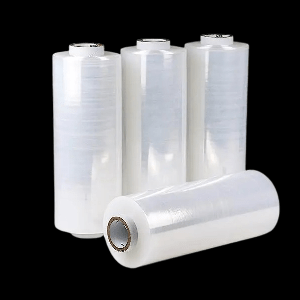
Stretch wrap, also known as stretch film, is a highly stretchable plastic film typically made from linear low-density polyethylene (LLDPE). It is primarily used to bundle items together on pallets for secure shipping. The elasticity of the film allows it to keep items bound tightly without the need for adhesives.

Stretch wrap is used extensively across sectors such as:

  • FMCG and retail
  • Industrial goods
  • Pharmaceuticals
  • E-commerce and warehousing
  • Agriculture and textiles

It comes in various types: machine wrap, hand wrap, UV-resistant films, and anti-static films—each designed for specific applications.

Environmental Impact of Conventional Stretch Wrap

Traditional stretch wrap, while effective in safeguarding goods, contributes heavily to environmental pollution. Here’s why:

  • Made from Fossil Fuels: The base material, LLDPE, is derived from non-renewable fossil fuels. The production process involves significant energy consumption and carbon emissions.
  • Non-Biodegradable: Conventional stretch wrap can take hundreds of years to decompose in landfills, contributing to long-term plastic pollution.
  • Difficult to Recycle: Due to contamination from pallet dust, food residue, or adhesives, used stretch film often becomes unfit for recycling, resulting in a large percentage ending up as waste.
  • Microplastics: As stretch wrap degrades slowly over time, it releases microplastics into the environment, posing a serious threat to ecosystems and marine life.

Rising Demand for Eco-Friendly Alternatives

The global shift towards sustainable business practices has triggered a demand for biodegradable and eco-friendly stretch wrap options. Consumers and companies alike are becoming more conscious of the environmental footprint left behind by their packaging choices.

Key drivers include:

  • Corporate Environmental Responsibility (CER)
  • Government regulations banning single-use plastics
  • Rising consumer preference for green brands
  • Global plastic waste crisis and ocean pollution awareness

Biodegradable Stretch Wrap: What Is It?

Biodegradable stretch wrap is an innovative alternative made from materials that naturally decompose in the environment over time. These films break down via microbial action, reducing their impact on landfills and wildlife.

Common materials used:

  • Polylactic Acid (PLA): Derived from cornstarch or sugarcane.
  • Polyhydroxyalkanoates (PHA): Biodegradable plastics produced by microbial fermentation.
  • Biodegradable polyethylene blends: Include additives that accelerate breakdown.

Benefits:

  • Breaks down into natural compounds (water, carbon dioxide, biomass)
  • Reduces landfill waste
  • Safe for composting (in some cases)
  • Often derived from renewable sources

Challenges in Adopting Biodegradable Stretch Wrap

Despite the advantages, biodegradable stretch films have certain limitations:

  • Cost Factor: Biodegradable materials are often more expensive than conventional plastics due to raw material sourcing and processing techniques.
  • Performance Limitations: Some biodegradable films may not offer the same level of stretch, durability, or puncture resistance as traditional LLDPE films.
  • Composting Requirements: Certain bio-films require industrial composting facilities to break down effectively, which may not be available in all regions.
  • Shelf Life Concerns: Some biodegradable wraps have a shorter shelf life, making them unsuitable for long-term storage applications.

Balancing Performance with Sustainability

Leading Stretch Wrapping Roll Manufacturers are now investing in hybrid solutions—stretch films that combine eco-friendly features with traditional performance standards. These may include:

  • Recyclable stretch films: Designed for multiple uses and easier recycling.
  • Bio-additive enhanced films: Traditional LLDPE films with additives that accelerate degradation under certain conditions.
  • Pre-stretched films: Require less material per pallet, reducing overall plastic usage.
  • High-performance thin films: Reduce plastic consumption while maintaining tensile strength.

Regulatory Push for Eco-Friendly Packaging

Governments across the globe are encouraging (and sometimes mandating) the use of sustainable packaging materials.

In India, the Ministry of Environment has laid down guidelines for reducing single-use plastics, pushing manufacturers to adopt greener alternatives. As a result, companies are under pressure to comply with EPR (Extended Producer Responsibility) norms, making them accountable for the plastic they put into circulation.

This evolving regulatory landscape has placed the spotlight on responsible Stretch Wrapping Roll Manufacturers in Chennai, Bangalore, and other industrial hubs who must now innovate to meet both regulatory demands and customer expectations.

Industry Trends: What the Market Is Saying

Here are some key trends shaping the eco-friendly stretch film landscape:

  • Smart packaging solutions: RFID-enabled wraps that reduce waste through optimized logistics.
  • Closed-loop recycling systems: Encouraging customers to return used stretch film for repurposing.
  • OEM collaborations: Partnering with machine manufacturers to ensure compatibility of eco-films.
  • Educating end-users: Building awareness about proper usage, recycling, and disposal.

Cities like Chennai, Bangalore, and Tiruppur—home to many textile, manufacturing, and export businesses—are at the forefront of this sustainable packaging shift.

Realpackers: Redefining Eco-Conscious Packaging

Among the standout names driving sustainability is Realpackers, a leading Stretch Wrapping Roll Manufacturer in Chennai, with a growing presence in Bangalore and Tiruppur. Known for its customer-centric approach, Realpackers blends cutting-edge technology with green innovations to offer a comprehensive range of stretch films.

Whether it’s recyclable hand wraps or biodegradable machine films, Realpackers is committed to reducing the carbon footprint of packaging without compromising quality. Their R&D team is constantly exploring plant-based polymers and sustainable additives to create next-generation solutions.

Realpackers and the Southern Packaging Revolution

Operating as a major Stretch Wrapping Roll Manufacturer in Bangalore,Realpackers supports large-scale industrial and e-commerce clients in transitioning to more sustainable packaging. Their pre-stretched eco-films are gaining popularity for offering high cling strength with lower plastic usage—ideal for companies looking to reduce their environmental impact.

Furthermore, as a reliable Stretch Wrapping Roll Manufacturer in Tiruppur, Realpackers caters extensively to the textile and garment industries. They provide specialized wraps that safeguard fabric rolls during shipping while offering an eco-friendlier alternative to conventional stretch film.

With strategic manufacturing units and an efficient distribution network, Realpackers ensures timely supply, exceptional quality, and sustainability across sectors.

Conclusion: Is Stretch Wrap the Villain or a Potential Hero?

The environmental concerns around traditional stretch film are legitimate. However, with technological innovation and responsible manufacturing, stretch wrap doesn’t have to be the villain in the sustainability story.

Thanks to forward-thinking Stretch Wrapping Roll Manufacturers in Chennai Bangalore, and Tiruppur, the packaging landscape is evolving. Brands like Realpackers are not just offering a product—they’re offering a promise: a promise of durability, reliability, and eco-consciousness.

In the years to come, eco-friendly stretch wrapping solutions will become the norm rather than the exception, ensuring that our goods are not just well-packaged but responsibly wrapped for a better planet.