

LDPE Bags for Garments: How to Choose the Right Packaging for Clothing
Published: September 7, 2026 | 8 Min Read
LDPE Bags for Garments: How to Choose the Right Packaging for Clothing
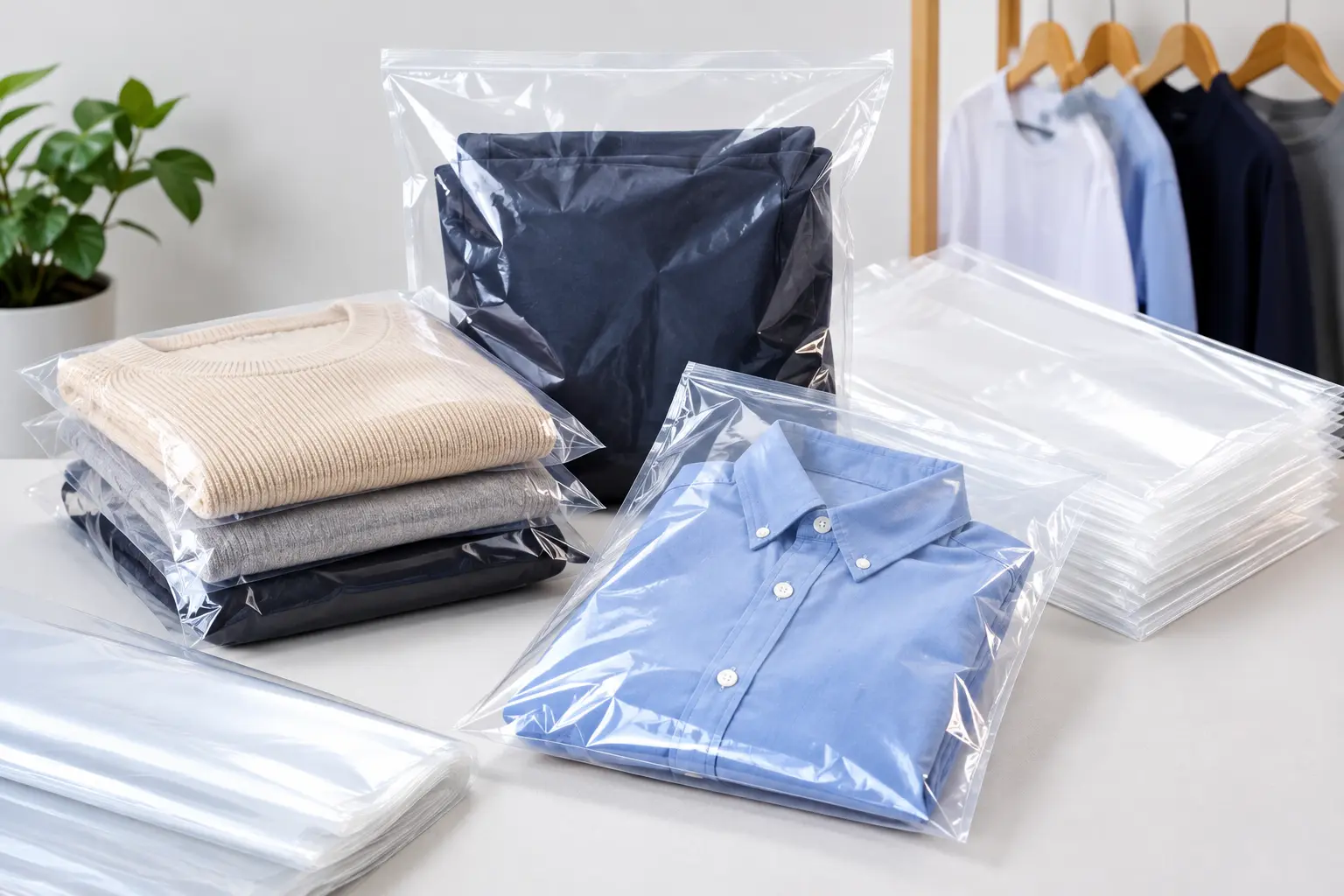
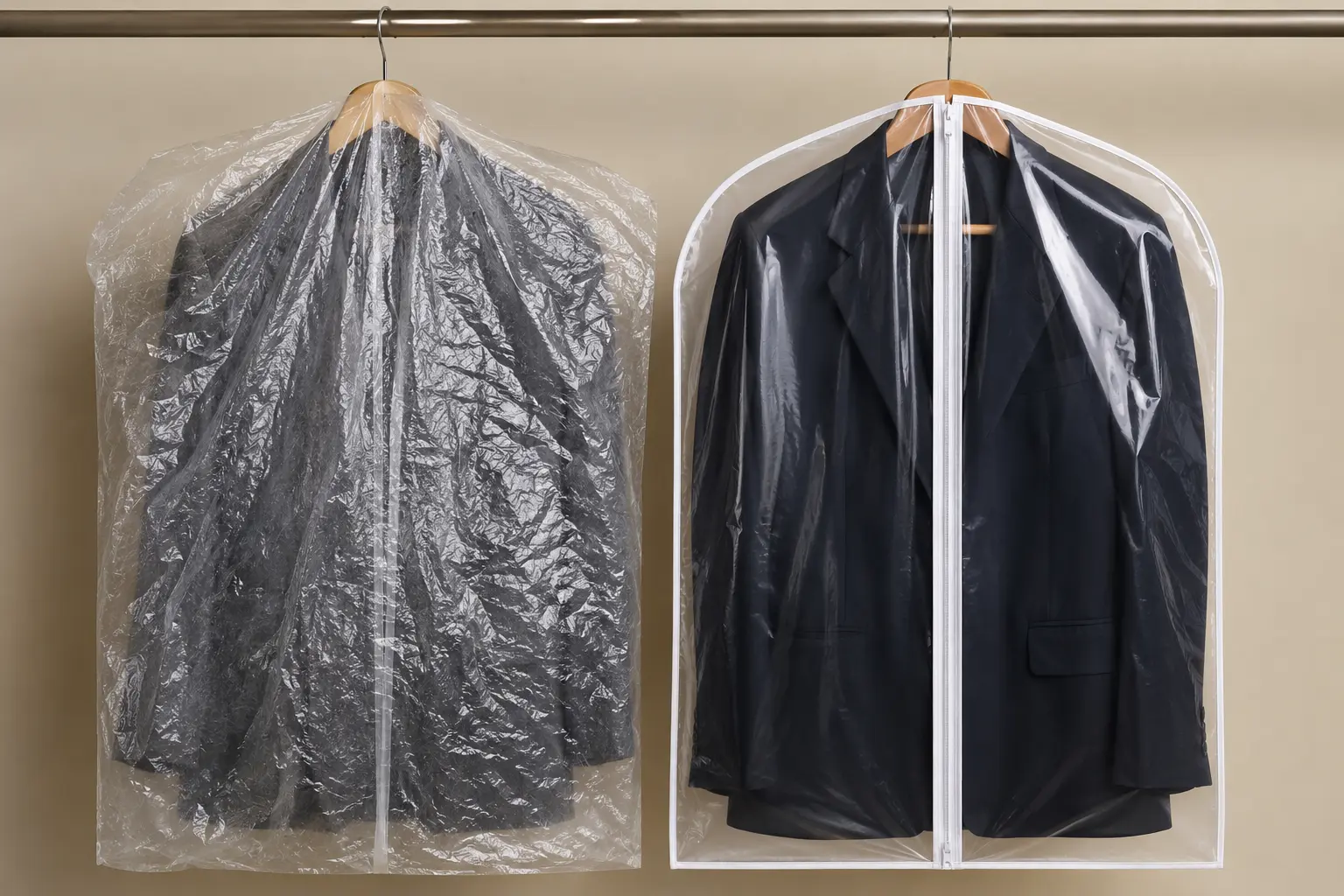
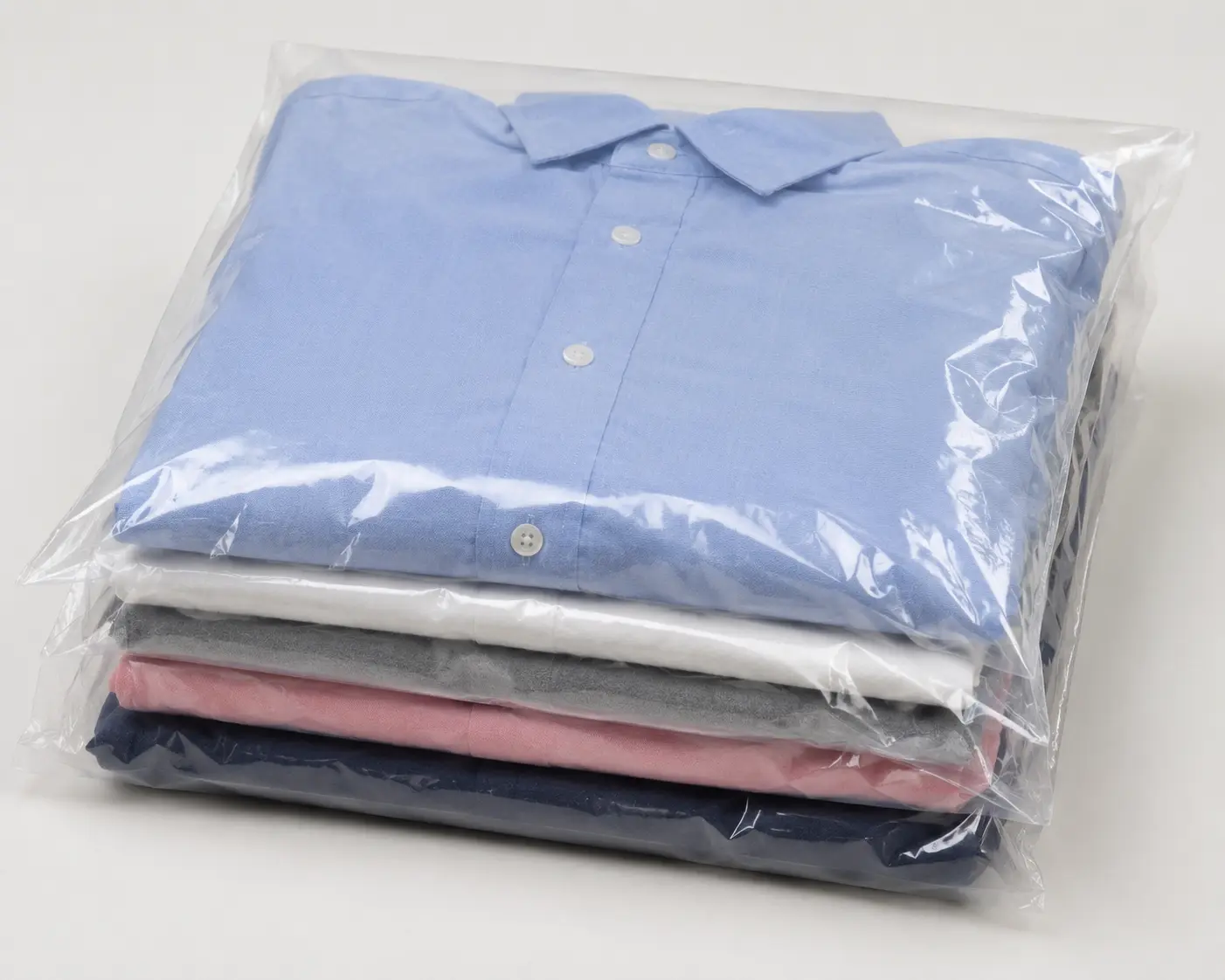
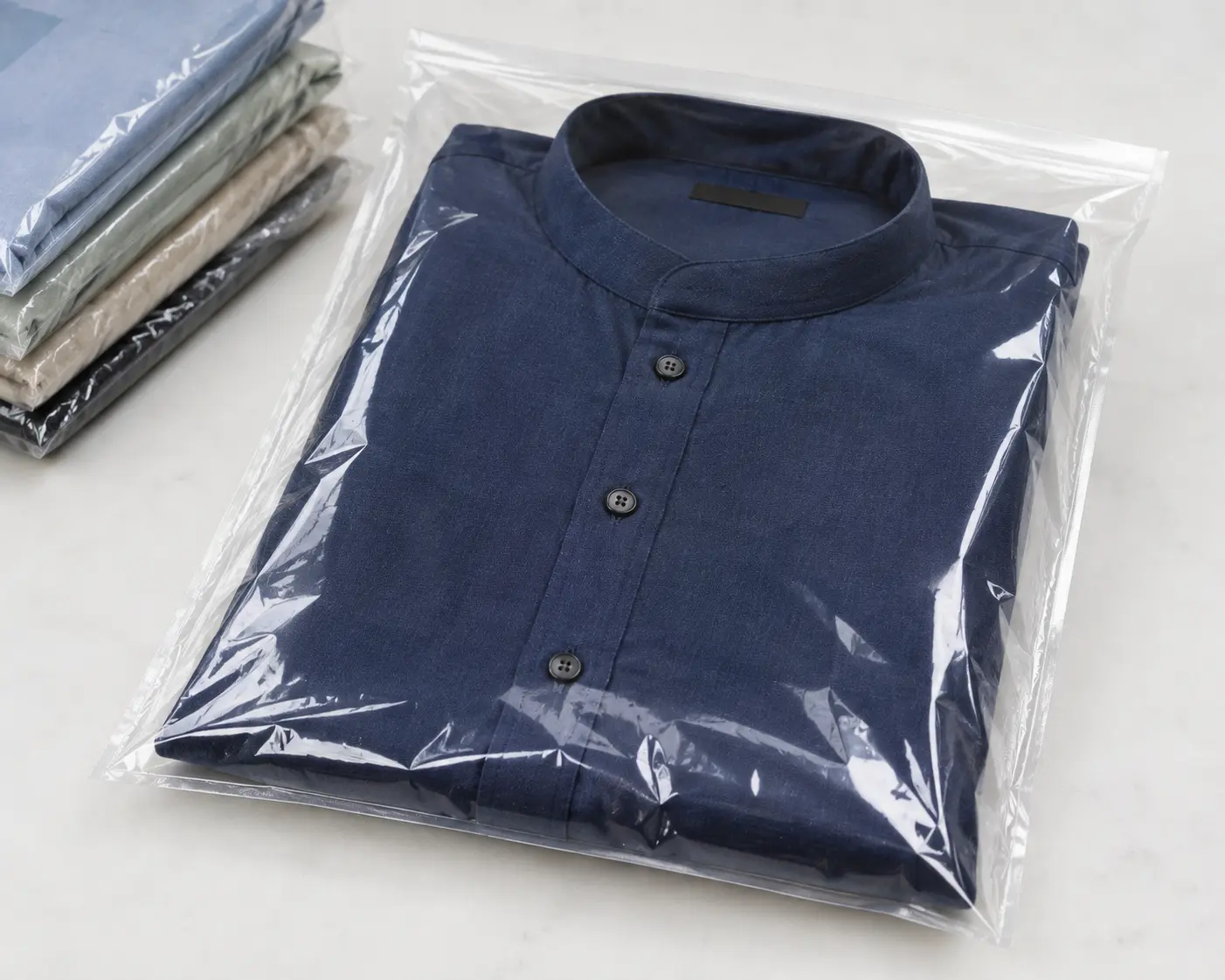
LDPE bags are widely used for garment packaging because they are lightweight, flexible, and protect against dust and moisture during storage, handling, and transit. The right LDPE bag should be selected based on garment size, film thickness, sealing method, and branding needs, not treated as one-size-fits-all. This guide covers how to choose correctly, common mistakes to avoid, and what to look for in a manufacturer.
Why Garment Packaging Matters
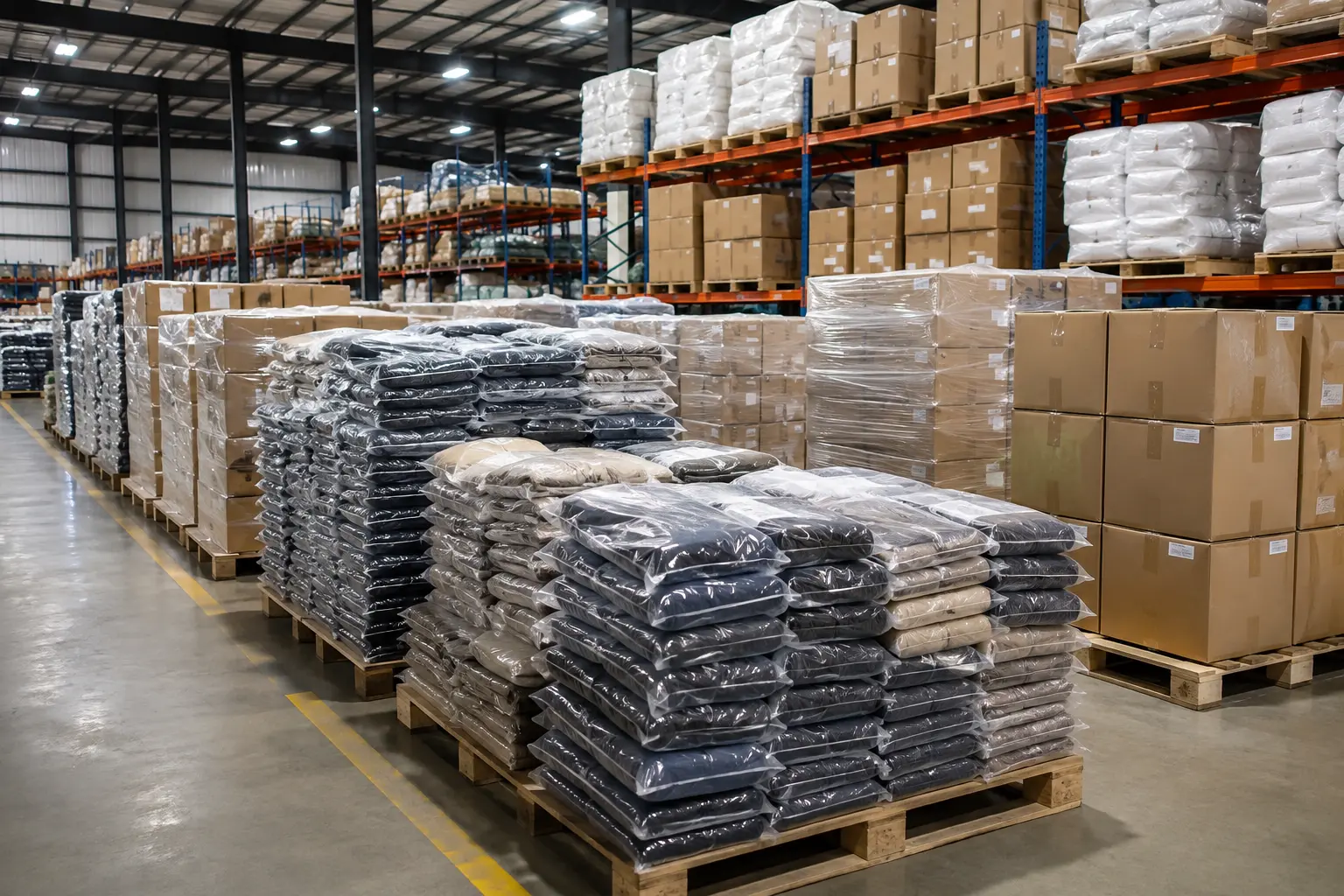
Poorly packaged garments face real risks: dust accumulation, moisture damage, folding creases, torn bags during handling, weak retail presentation, and even export compliance rejections. Good packaging also shapes perception: a clean, correctly sized bag signals quality control, reinforces brand consistency, and keeps garments retail-ready straight out of the box.
What Are LDPE Bags?
LDPE (Low-Density Polyethylene) is a polymer film valued for its flexibility and protective strength.
Compared to rigid or high-density plastics, LDPE is softer and more pliable, making it ideal for wrapping folded or soft-fold garments without stressing fabric.
Why LDPE Bags Are Used for Garments
- Protection: Protection from dust and moisture through warehousing and transit.
- Lightweight bulk packaging: Keeps freight costs down at high volumes.
- Easy visual inspection: Transparent film allows SKU checks without unsealing the package.
- Custom printing: Supports branding, size labels, or compliance information.
How to Choose LDPE Bags for Garments
Use this simple framework:
Dimensions
Match the garment’s folded size closely; oversized bags allow shifting and creasing; undersized bags stress seams.
Thickness
Heavier garments or longer transit routes need a thicker film (measured in microns); lighter retail items can use a thinner gauge.
Plain vs. Printed
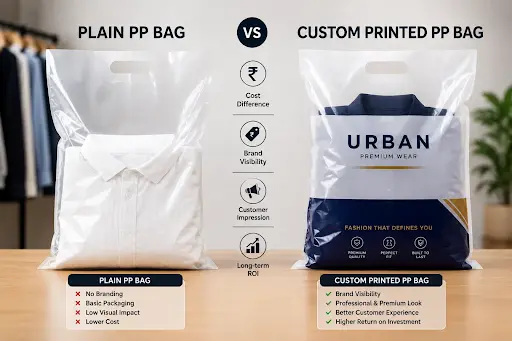
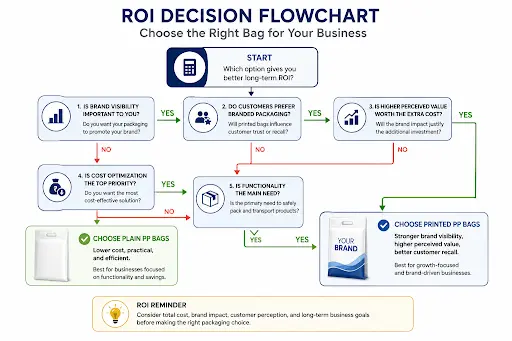
Plain bags suit bulk/internal transit; printed bags carry branding or compliance labeling for export and retail.
Closure Format
Heat-sealed for tamper-evident bulk packaging, self-adhesive flap for fast repeatable sealing, open-top for ventilated or quick-access retail formats.
This is where working with a manufacturer that can advise on the right combination rather than offering one fixed specification matters. Real Packers’ LDPE bags for garment packaging are made in custom sizes, thicknesses, and print formats to match this exact specification.
Common Packaging Mistakes
- Oversized bags that let garments shift and gather dust.
- Insufficient thickness causing tears in transit.
- Poor sealing that lets in dust and moisture.
- Storing packed garments in humid or high-heat conditions.
- Finalizing branding requirements too late, causing reprints or delays.
Custom LDPE Bags for Manufacturers
At scale, customization typically covers size, thickness, colour (clear, tinted, or opaque), printing (logos, size charts, compliance text), and consistent quality across high daily volumes without spec drift between batches.
Quick Selection Checklist
- Bag size matches folded garment dimensions.
- Thickness suits garment weight and transit distance.
- Closure format matches your packing line.
- Print requirements are finalized before production.
- Warehouse storage conditions are suitable.
- Sample bags are tested against real SKUs before bulk order.
When to Consider Alternatives
LDPE isn’t right for every case. Depending on the application, consider other packaging formats.
- PP bags: For applications requiring higher tensile strength.
- BOPP printed bags: For retail-grade print clarity.
- Ziplock or slider bags: For resealable packaging use.
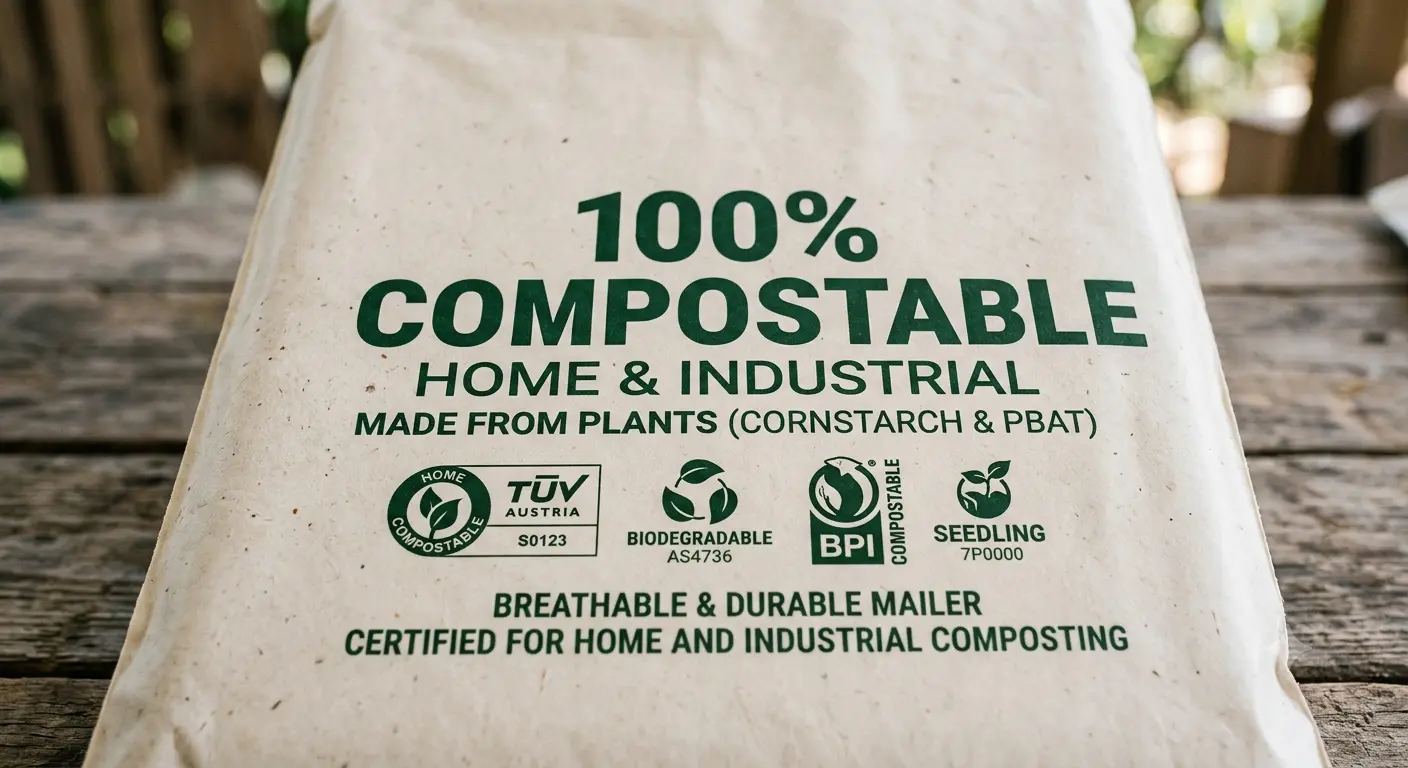
- Compostable packaging: Where buyers mandate certified sustainable materials.
Choosing a Manufacturer
Look for in-house manufacturing (not outsourced trading), verifiable certifications, flexible customization without excessive minimums, sufficient daily capacity, and reliable delivery timelines. Real Packers has manufactured packaging since 1997, with its own facility since 2000, operating under ISO and Sedex certification with automated production of up to 3 lakh pieces per day, plus automated printing and custom sizing built into the process.
FAQs
They protect folded or hanging garments from dust, moisture, and handling damage during storage and transit, while allowing visual inspection and custom branding.
Lighter, retail-bound garments can use a thinner gauge, while heavier items or longer transit routes need a thicker film for adequate tear resistance.
Yes, provided thickness, sealing, and any required compliance labeling, such as suffocation warnings, meet the buyer’s specifications.
LDPE is softer and more flexible, making it suited to folded garments, while PP offers higher tensile strength for heavier packaging needs.
It varies by size, thickness, and print complexity. Contact Real Packers for a quote tailored to your specification.
Need LDPE Bags for Your Garment Orders?
Tell us your bag size, garment type, quantity, thickness, and printing requirement, and Real Packers will recommend a suitable specification for bulk production.