


5 Signs You Need to Upgrade Your Box Wrapping Machine
Published: August 31, 2026 | 8 Min Read
5 Signs You Need to Upgrade Your Box Wrapping Machine
Most businesses keep running an aging box wrapping machine long after it should have been replaced, usually because the cost of a breakdown feels smaller at the moment than the cost of a new machine. But repeated downtime, slower output, and inconsistent wrap quality often end up costing far more over time than an upgrade would. If you’re evaluating a Box Wrapping Machine Supplier in Chennai or wondering whether your current setup still holds up, here are five practical signs it’s time to move to an Automatic Box Wrapping Machine.
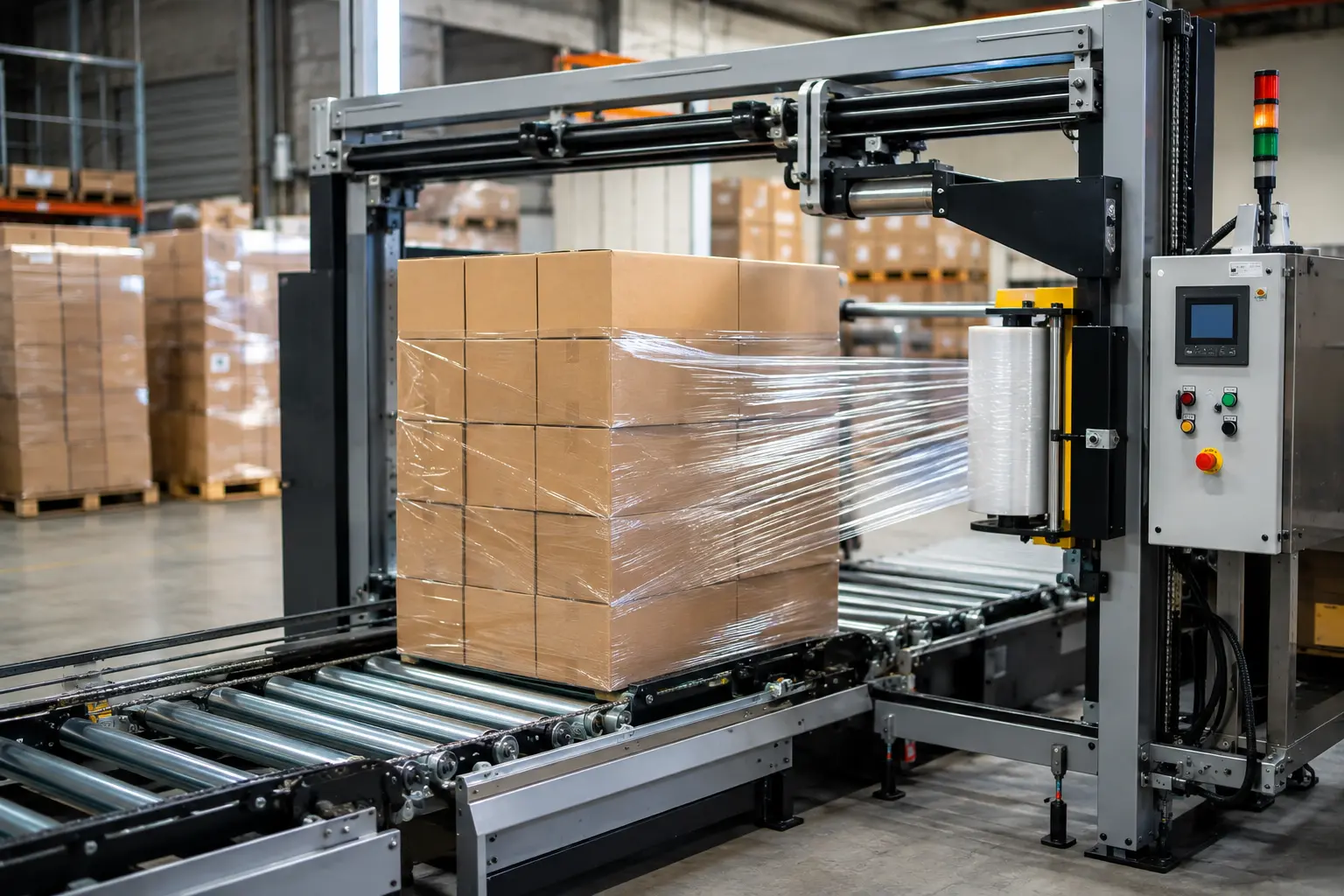
Sign #1: Frequent Breakdowns and Rising Repair Costs
If your maintenance team is visiting the same machine every few weeks, that’s rarely a coincidence; it’s usually a sign the equipment has moved past its reliable operating life. Aging motors, worn rollers, and outdated control systems tend to fail more often as they age. Spare parts for older models can also become harder and more expensive to source.
How to Track Repair Frequency Before It Becomes a Problem
Keep a simple log of breakdown dates, repair costs, and downtime hours. If repair spending over a few months starts approaching a meaningful fraction of a new machine’s cost, that’s a clear signal to start comparing replacement options rather than continuing to patch the old one.
Sign #2: Slower Output Than Your Production Line Needs
A box wrapping machine that once matched your production pace can quietly become the bottleneck as order volumes grow. If packed cartons are piling up at the wrapping stage while the rest of your line moves faster, your end-of-line packaging step is holding everything else back.
Signs Your Machine Is a Bottleneck
Watch for cartons queuing before the wrapper, operators manually assisting to keep pace, or shipments getting delayed specifically because wrapping couldn’t keep up.
These are common signs that warehouse packaging equipment has fallen behind the rest of the operation.
Sign #3: Inconsistent or Poor Wrap Quality
Wrap quality affects more than appearance. Loose or uneven wrapping increases the risk of boxes shifting, getting damaged, or arriving at the customer in poor condition, which can lead to returns, complaints, or rejected shipments from buyers with strict packaging standards.
What Inconsistent Wrapping Costs You Beyond Appearance
If your team is re-wrapping boxes by hand to compensate for a machine’s inconsistent output, the machine is no longer saving labor; it’s adding an extra manual step to correct for itself. That’s a strong sign the equipment is due for replacement.
Sign #4: Lack of Automation Compared to Newer Machines
Older or manual box wrapping setups depend heavily on operator involvement, which increases both labor costs and the chance of inconsistent results. Newer automatic models reduce manual handling, standardize wrap tension, and often integrate more smoothly with the rest of a packaging line.
Manual vs Automatic Box Wrapping Machine: What’s Changed?
If your current machine still needs an operator to load, adjust, and monitor every cycle, it’s worth comparing that against what a modern automatic setup can do with less supervision. For a deeper look at the cost trade-offs, see our: Automatic vs Semi-Automatic Box Wrapping Machines: Which One Saves More Money for Your Business?
Sign #5: High Operating and Energy Costs
Older machines, especially those with aging motors, often consume more power to do the same job that a modern, energy-efficient design would do more economically. Combined with rising repair costs and declining part availability, this steadily increases the total cost of keeping an old machine running.
Older Machines vs Modern Energy-Efficient Designs
If your energy bills for the packaging line have crept up without a matching increase in output, it’s worth checking whether the wrapping machine’s power draw is part of the reason.
What to Look for in a Replacement Box Wrapping Machine
Key Features to Check Before You Buy
- Adjustable settings for different box sizes and shapes.
- Level of automation suited to your production volume.
- Wrap speed matched to your line’s throughput.
- Build durability for continuous industrial use.
- Availability of after-sales support and spare parts.
Box Wrapping Machine Price: What Affects the Cost?
Pricing typically depends on automation level, wrapping speed, build quality, and customization for your box sizes. Rather than comparing price alone, it helps to weigh the machine against your current downtime and labor costs; a slightly higher upfront cost often pays back quickly through reduced breakdowns and manual intervention. Browse our Box Wrapping Machine range or check options specific to your location via our Box Wrapping Machine Supplier in Chennai page.
People Also Ask
Service life varies by usage intensity and maintenance quality, but consistent breakdowns, rising repair costs, or declining part availability are more reliable indicators that a machine needs replacing than age alone.
It depends on repair frequency and cost. If repairs are recurring and adding up, a replacement is often more cost-effective in the long run than continuing to patch an aging machine.
A box wrapping machine wraps individual cartons or boxes, often for retail or product-level packaging, while a stretch wrapping machine typically wraps pallets of multiple boxes for bulk storage and transport.
Cost depends on automation level, speed, and customization needs. It’s best to request a quote based on your specific box sizes and production volume for an accurate price.
Why Choose Real Packers as Your Box Wrapping Machine Supplier in Chennai
Real Packers has been manufacturing packaging solutions since 1997, moving into in-house production by 2000, and is ISO Certified and Sedex Certified. With a presence across Chennai, Tirupur, and Bangalore, Real Packers supplies box wrapping machines built for consistent, reliable performance across industries. Learn more About Us or see our Quality Standards .
Conclusion
An aging box wrapping machine rarely fails all at once; it shows warning signs first: frequent breakdowns, slower output, inconsistent wraps, limited automation, and rising running costs. Catching these signs early lets you plan a replacement on your terms, rather than being forced into an emergency decision when the machine finally gives out.