


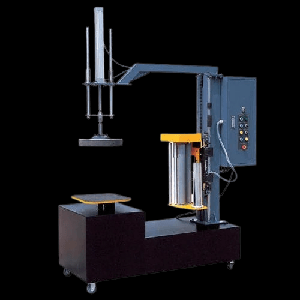
How Automated Box Wrapping Prevents Transit Damage and Theft
Every business that ships physical goods understands the anxiety that comes with it. You pack carefully, label correctly, and hand the shipment over to the logistics chain. From that point, the package travels through sorting facilities, vehicles, transfer hubs, and multiple sets of hands before it reaches the person it was meant for.
A lot can go wrong in that journey. And for most businesses, the two biggest threats are transit damage and theft. Both are more common than most customers realize, and both are more preventable than most businesses know.
The solution that is changing how smart businesses protect their shipments is automated box wrapping. And once you understand how it works and what it actually prevents, it is hard to argue against it.
What Happens to Packages in Transit
The average package in a standard logistics network goes through more stress than most people imagine.
It is sorted mechanically at high speed. It is stacked under other packages. It moves through temperature changes. It gets handled manually at multiple transfer points. And in some parts of the supply chain, it sits in staging areas with dozens or hundreds of other packages, largely unmonitored.
In that environment:
- Corners and edges take impact damage from other packages and conveyor systems.
- Moisture can enter through poorly sealed packaging and damage contents.
- Improperly secured boxes open, spill, or get separated from their labels.
- Packages that look easy to open are vulnerable to opportunistic theft at transfer points.
- High value packages that are identifiable by their outer appearance attract the wrong kind of attention.
Every one of these risks increases when a box is not properly wrapped and secured before it enters the logistics system.
Why Manual Wrapping Falls Short
Many businesses rely on staff to wrap and secure outgoing shipments manually. Stretch wrapping by hand, taping boxes, and applying protective covering by hand is time consuming and inconsistent.
The problem with inconsistency is that it creates weak points. One box is wrapped tightly. The next is wrapped loosely because the person doing it was rushing. One corner is covered properly. Another is left exposed. Manual wrapping quality varies by person, by time of day, by workload, and by fatigue. That variation translates directly into damage and loss rates that are higher than they need to be.
Automated wrapping removes that variability entirely.
How Automated Box Wrapping Works
An automated box wrapping system takes an incoming box, measures or identifies its dimensions, and applies a consistent, precisely tensioned wrap around every surface according to a pre-set program.
The result is a package where:
- Every surface is covered evenly with no gaps or loose sections.
- The tension of the wrap is consistent across the entire box.
- Corners and edges receive proper coverage, which is exactly where impact damage most commonly occurs.
- The outer surface becomes a sealed, unified layer that is significantly harder to open discretely.
- Labels and documentation applied to the outer wrap stay in place and remain readable throughout the journey.
The entire process happens in seconds per package. At scale, the speed advantage over manual wrapping is substantial.
The Theft Prevention Angle That Gets Overlooked
Most conversations about box wrapping focus on damage prevention. The theft prevention benefit deserves equal attention.
A box that has been professionally wrapped in a continuous, sealed layer of stretch film is not easy to open and reseal without visible evidence of tampering. Someone attempting to access the contents of a wrapped package in a transit facility has to cut or tear the wrapping, and that damage is immediately visible to anyone who handles the package afterward.
This visible tamper evidence is a genuine deterrent. Opportunistic theft in transit typically targets packages that look easy to open quickly and quietly. A properly wrapped package does not fit that profile.
For businesses shipping high value goods, electronics, pharmaceuticals, fashion, or any category where theft in transit is a known risk, automated wrapping adds a meaningful layer of protection that does not require any change to the logistics chain itself.
The Operational Benefits Go Beyond Protection
Beyond damage and theft prevention, automated box wrapping delivers operational advantages that improve the entire outbound shipping process.
Throughput increases because wrapping happens faster per unit than any manual process. Labor costs associated with manual wrapping are reduced. Consistency across every package means fewer customer complaints, fewer insurance claims, and fewer replacement shipments. And the professional appearance of properly wrapped packages reflects well on the brand sending them.
For businesses processing high volumes of outbound shipments daily, these operational gains compound quickly into meaningful cost and efficiency improvements.
Why Real Packers Delivers Wrapping Solutions That Work
Real Packers has built its reputation on understanding what businesses actually need when it comes to protecting shipments at scale. The focus at Real Packers is always on practical performance, reliability, and outcomes that businesses can measure in reduced damage rates and improved operational efficiency.
The wrapping solutions provided by Real Packers are designed for real warehouse environments, real logistics pressures, and real business volumes. That practical orientation is what makes Real Packers the partner that businesses return to.
How Real Packers Helps Businesses With a Box Wrapping Machine
For businesses ready to move from manual or inconsistent wrapping to a reliable automated system, Real Packers provides Box Wrapping Machine solutions that integrate smoothly into existing outbound shipping operations.
Whether you are running a small distribution operation or a large fulfillment center, Real Packers match the right Box Wrapping Machine to your volume, your package types, and your specific protection requirements. The result is a system that pays for itself through reduced damage claims, lower labor costs, and better outcomes for every package that leaves your facility.
Conclusion
Transit damage and theft are not inevitable. They are preventable, and automated box wrapping is one of the most direct and effective ways to prevent both. The consistency, speed, and tamper evidence that automated wrapping provides changes the risk profile of every package that goes through it.
Real Packers is the partner that makes this protection accessible and practical for businesses of every size. With the right Box Wrapping Machine from Real Packers, every shipment that leaves your facility leaves protected, professional, and ready for whatever the logistics chain puts it through.