


Are Compostable Bags Waterproof and Tear-Resistant?

Biodegradable & Compostable Bags Manufacturer | Eco-Friendly Packaging Supplier

Are Compostable Bags Waterproof and Tear-Resistant?

With the growing awareness of environmental sustainability, compostable bags are rapidly replacing conventional plastic packaging across industries. Retailers, garment exporters, supermarkets, and logistics companies are increasingly opting for compostable alternatives to reduce plastic waste and meet eco-compliance norms. However, one of the most frequently asked questions remains: Are compostable bags waterproof and tear-resistant enough for real-world usage?

This blog explores the science, material composition, functional performance, and real-life usability of compostable bags, helping businesses make informed packaging decisions without compromising on strength or sustainability.

1. Understanding Compostable Bags

Compostable bags are designed to break down naturally into non-toxic components such as water, carbon dioxide, and organic matter under composting conditions. Unlike conventional plastic, these bags do not leave behind harmful microplastics.

They are typically made from renewable plant-based materials like:

Corn starch
Sugarcane derivatives
PLA (Polylactic Acid)
PBAT (Polybutylene Adipate Terephthalate – biodegradable polymer blend)

These materials are engineered to offer functionality similar to plastic while being environmentally responsible.

2. Difference Between Compostable and Biodegradable Bags

Although often used interchangeably, biodegradable and compostable bags are not the same.

Biodegradable bags break down over time but may leave microplastic residues.

Compostable bags break down completely into natural elements within a specific timeframe under composting conditions.

This distinction is crucial when evaluating strength, durability, and water resistance, as compostable bags are subject to stricter material standards.

3. Are Compostable Bags Waterproof?

One of the most common misconceptions is that compostable bags dissolve instantly when exposed to water. In reality, compostable bags are water-resistant, not water-soluble.

Short-Term Water Resistance

Compostable bags can safely hold:

Moist garments
Condensation-prone items
Products exposed to humidity

They are suitable for everyday use in environments where brief contact with water or moisture is expected.

Long-Term Exposure Limitations

However, prolonged exposure to water or excessive humidity can weaken the bag over time. This is because compostable materials are designed to degrade under natural conditions eventually.

Key takeaway: Compostable bags are waterproof enough for storage, transport, and retail usage but are not designed for prolonged soaking.

4. How Compostable Bags Handle Humidity

Humidity resistance is critical for packaging, especially in tropical climates.

Modern compostable bags are engineered with multi-layered film structures that:

Reduce moisture absorption
Prevent immediate softening
Maintain shape during short-term humidity exposure

For garment packaging, this level of protection is more than sufficient when used correctly and stored in dry conditions.

5. Tear Resistance: Are Compostable Bags Strong Enough?

Strength and tear resistance depend on material quality, thickness, and manufacturing techniques.

Material Engineering

High-quality compostable bags are made with:

Reinforced polymer blends
Controlled film thickness
Balanced flexibility and rigidity

These features prevent easy tearing and ensure durability during handling, packing, and transport.

Load-Bearing Capability

Compostable bags can handle:

Folded garments
Apparel accessories
Lightweight to medium-weight products

They perform comparably to low- and mid-density plastic bags when designed properly.

6. Factors That Affect Tear Resistance

Several factors determine how tear-resistant a compostable bag will be:

Thickness (Microns): Thicker bags offer higher strength
Seam Quality: Strong heat-sealed edges prevent splits
Bag Design: Gussets and reinforced handles improve durability
Material Blend Ratio: Balanced PLA and PBAT blends enhance flexibility

Choosing the right specifications ensures compostable bags perform reliably across applications.

7. Real-World Applications of Compostable Bags

Compostable bags are already being used successfully across multiple industries:

Garment packaging
Retail shopping bags
Food takeaways
Courier and e-commerce packaging
Promotional and exhibition bags

Their adoption proves that eco-friendly packaging no longer means compromising on performance.

8. Compostable Bags vs Plastic Bags: A Strength Comparison

When compared realistically:

Plastic Bags – High waterproofing, high tear resistance, harmful environmental impact, decomposition takes hundreds of years, microplastics present.

Compostable Bags – Moderate to high waterproofing, medium to high tear resistance, eco-friendly, decomposition in 90–180 days, no microplastics.

While plastic still has higher long-term water resistance, compostable bags offer sufficient strength for most commercial applications.

9. Best Practices to Maximize Compostable Bag Performance

To ensure durability and usability, businesses should follow these best practices:

Store bags in cool, dry environments
Avoid prolonged water exposure
Use appropriate thickness for product weight
Choose certified compostable materials
Avoid overloading beyond recommended capacity

When used correctly, compostable bags perform efficiently throughout their lifecycle.

10. Why Choosing the Right Biodegradable Compostable Bag Manufacturer Matters

Selecting a reliable Biodegradable Compostable Bag Manufacturer plays a crucial role in ensuring product quality, tear resistance, and water resistance. Experienced manufacturers follow strict quality control measures, source certified raw materials, and engineer bags suitable for specific industries such as garments, retail, and logistics. Choosing a trusted manufacturer helps businesses maintain both sustainability goals and operational efficiency.

11. The Growing Demand for Biodegradable Compostable Bags for Garments

The apparel industry is rapidly shifting toward Biodegradable Compostable Bags for Garments to meet sustainability regulations and consumer expectations. These bags offer sufficient protection against dust, moisture, and handling damage while enhancing brand image through eco-friendly packaging. Their strength, clarity, and professional finish make them ideal for garment storage and transportation.

12. How Real Packers Ensures Strength and Sustainability in Compostable Bags

Realpackers focuses on delivering high-quality compostable packaging solutions by combining advanced manufacturing processes with eco-certified materials. As a trusted Biodegradable Compostable Bag Manufacturer, the company ensures that each bag offers optimal tear resistance, controlled water resistance, and consistent performance, especially for Biodegradable Compostable Bags for Garments used in retail and export packaging.

Conclusion

So, are compostable bags waterproof and tear-resistant? The answer is yes—when manufactured correctly and used appropriately. While they may not offer indefinite water resistance like plastic, compostable bags provide more than enough strength and protection for most commercial and retail applications.

With the support of reliable manufacturers like Real Packers, businesses can confidently adopt Biodegradable Compostable Bags for Garments without sacrificing quality or performance. Partnering with a trusted Biodegradable Compostable Bag Manufacturer ensures packaging solutions that align with both sustainability goals and practical requirements, paving the way for a greener future.

Difference Between LDPE and HDPE Bags for Clothing Packaging

Best LDPE Bags Manufacturer and Supplier

Packaging may appear to be a simple final step in garment production, but it is actually one of the most crucial stages in determining product shelf life, customer perception, and safety during transit. Among the many materials used for clothing packaging, LDPE (Low-Density Polyethylene) and HDPE (High-Density Polyethylene) bags are the most widely chosen because of their flexibility, durability, and cost-effectiveness. Although both belong to the polyethylene family, they serve different purposes and offer unique advantages based on the product type, storage conditions, and distribution requirements.

In the garment industry—where products must stay wrinkle-free, dust-free, and moisture-protected—the choice between LDPE and HDPE packaging plays a significant role. This detailed blog explores the core differences, strengths, limitations, and practical uses of LDPE and HDPE bags specifically for clothing packaging, helping manufacturers and retailers make informed decisions.

Understanding LDPE Bags for Garments

LDPE, or Low-Density Polyethylene, is a soft, flexible, and lightweight plastic material known for its high clarity. It has a unique molecular structure with long branches, which increases flexibility and reduces density.

Key Properties of LDPE Bags

LDPE bags offer high transparency enabling better product visibility, a soft and flexible texture, excellent moisture barrier properties, tear resistance with stretchability, and a lightweight, smooth surface.

Because garments often rely on visual appeal and neat presentation, LDPE bags are the preferred choice for retail clothing.

When LDPE Bags are Ideal

LDPE bags are commonly used for shirts, T-shirts, and lightweight garments; baby wear and delicate fabrics; fashion apparel requiring clear display; and items sold in retail stores needing high visual impact.

Retail garment brands love LDPE bags because the material allows the clothing to be showcased clearly without removing the packaging.

Understanding HDPE Bags for Garments

HDPE, or High-Density Polyethylene, has a tightly packed molecular structure, making it stronger, stiffer, and less transparent than LDPE. It is commonly used when durability and load-bearing capacity are more important than clarity.

Key Properties of HDPE Bags

HDPE bags feature high tensile strength, low flexibility with more rigidity, a frosted or opaque appearance, excellent resistance to punctures and heavy loads, and durability for bulk packaging.

HDPE is best suited for bulk garment shipments or long-distance transportation.

When HDPE Bags are Ideal

HDPE bags are used for warehouse stock storage, bulk packaging of garments for export, heavy garments like denim and jackets, and large bundles that require strong, tear-proof packaging.

Garment factories often pack finished goods in HDPE bags before loading them into cartons for export, as these bags help protect garments from moisture and rough handling.

LDPE vs HDPE: A Clear Comparison for Clothing Packaging

Understanding the main differences will help you choose packaging that aligns with your product needs.

1. Transparency

LDPE bags are highly transparent and ideal for display packaging, while HDPE bags are opaque or semi-transparent and not suitable for visual merchandising.

2. Flexibility

LDPE is very flexible and stretchable, whereas HDPE is stiffer and less stretchable.

3. Strength

LDPE offers good durability but is not meant for heavy loads, while HDPE is much stronger and more resistant to punctures.

4. Thickness Requirement

LDPE requires slightly higher microns for durability, whereas HDPE can withstand heavy loads even at lower microns.

5. Cost

LDPE is slightly more expensive because of its clarity, while HDPE is more economical for large-scale packaging.

6. Surface Feel

LDPE has a smooth, soft, premium touch, while HDPE has a crisp, slightly rough texture.

7. Sustainability

Both LDPE and HDPE are recyclable, depending on the ink used, bag finishing, printing, and lamination. Eco-friendly LDPE and HDPE variations are also available based on manufacturer offerings.

Why Choosing the Right Bag Matters in Garment Packaging

Garment packaging is more than just placing clothes in a plastic cover. It contributes to first impressions in retail stores, protection during transit and storage, branding and premium feel, moisture and dust prevention, and product longevity.

A poorly chosen bag can lead to wrinkles, fabric damage, moisture accumulation, or customer dissatisfaction. This is why selecting between LDPE and HDPE matters depending on how and where the garments will be handled.

LDPE for Retail: Enhancing Customer Experience

Retail brands prioritize presentation. LDPE bags are the preferred choice because customers can clearly see the product, the bag’s softness enhances brand perception, it supports printed branding beautifully, and it complements premium and delicate clothes.

LDPE bags often come with features such as self-adhesive sealing strips, perforation lines, hanger holes, and logo printing, all contributing to a refined shopping experience.

HDPE for Logistics: Ensuring Safe Bulk Transport

In supply chain operations, packaging durability matters more than appearance. HDPE bags play a vital role in protecting garments from moisture during export, preventing tearing during stacking and handling, keeping bulk quantities safely consolidated, and resisting punctures from zippers and metal accessories.

HDPE packaging minimizes damage during warehousing and shipping, maintaining product quality until final unpacking.

Cost Analysis: Which One is More Economical?

Choosing between LDPE and HDPE also depends on budget. For individual pieces, LDPE may cost slightly more but offers higher retail appeal. For bulk shipments, HDPE significantly reduces costs while offering stronger protection.

A hybrid packaging strategy is often used: LDPE for each garment and HDPE for outer bulk packing. This combination ensures both presentation and safety.

Environmental Considerations in Today’s Market

The demand for eco-friendly packaging is rising in the garment industry. Manufacturers now offer recyclable LDPE and HDPE, biodegradable additives, compostable alternatives, and reduced-micron high-strength films.

Brands seeking sustainability can choose modified variants of both materials depending on their goals.

Future Trends in Garment Packaging

The packaging world is evolving, with trends such as high-clarity eco LDPE films, ultra-thin HDPE films with improved strength, custom-printed brand storytelling on bags, bio-compostable garment packaging options, and anti-fungal coating films for long transport.

Manufacturers are investing in advanced technologies to deliver packaging that is stronger, lighter, and more environmentally responsible.

Conclusion: LDPE or HDPE—Which One Should You Choose?

The final decision depends on your garment type, branding goals, logistics requirements, and budget. LDPE is ideal for retail presentation, while HDPE excels in durability and bulk handling. Most successful garment brands use a combination of both to balance cost and performance.

Why Choosing the Right Manufacturer Matters

When sourcing LDPE bags for garments, partnering with an expert ensures access to high-quality materials, customizable options, brand printing, and sustainable variants. Working with specialists also ensures consistent thickness, clarity, and durability across every batch.

Premium Garment Packaging Solutions – Real Packers

If you are looking for reliable, high-performance packaging, Real Packers specializes in crafting premium LDPE and HDPE solutions tailored to the garment industry. As a leading LDPE bags for garments supplier they offer customized printing, multiple sizes, and export-quality strength to protect your apparel at every stage.

Realpackers combines innovation with quality to deliver packaging that elevates your brand and ensures safe transit.

How Polypropylene Bags Reduce Damage During Garment Transit

Leading Poly Propylene Bags Manufacturer in Bangalore

The garment industry depends heavily on efficient, secure, and protective packaging to preserve product quality during handling, storage, and transportation. Whether garments are shipped domestically or internationally, their condition upon arrival determines customer satisfaction, brand reputation, and overall profitability. One of the most widely used packaging solutions for garment protection today is polypropylene (PP) bags. Known for their strength, clarity, and exceptional durability, these bags offer unmatched protection throughout the transit process.

In the global fashion and textile supply chain, garments often travel through multiple touchpoints—factories, warehouses, distribution centers, retail outlets, and finally, the customer. Each stage poses risks such as dust exposure, moisture, tearing, or mismanagement. Polypropylene bags help safeguard garments from these threats while ensuring they remain crisp, clean, and ready for display.

This comprehensive article explains in depth how polypropylene bags significantly reduce garment damage during transit, why they are preferred in the industry, and what makes them a dependable packaging solution for apparel brands of all sizes.

Understanding Polypropylene Bags and Their Properties

Polypropylene bags are made from PP polymer, a thermoplastic known for its exceptional strength and lightweight structure. These bags come in various forms such as transparent PP garment bags, woven polypropylene bags, BOPP laminated PP bags, printed PP bags, and gusseted PP bags.

PP bags provide huge advantages due to their mechanical properties, barrier resistance, and aesthetic appeal. Unlike other packaging materials, they offer a combination of rigidity and clarity, making them ideal for apparel that needs both visibility and protection.

Why Polypropylene Bags Are Ideal for Garment Packaging

Polypropylene bags are specifically popular in the garment sector because they offer multiple benefits such as high clarity for showcasing the garment, tear-resistant and puncture-resistant structure, protection from moisture and dust, lightweight design reducing shipping costs, support for various sealing and closure options, and attractive presentation for retail shelves.

Compared to LDPE or PVC bags, PP bags provide a more polished and premium appearance while maintaining strong durability.

How Polypropylene Bags Reduce Damage During Garment Transit

Garments, whether folded or hung, can get damaged during transit due to environmental factors, mishandling, or compression. Below are the key ways polypropylene bags help prevent that damage.

1. Effective Moisture Protection

Moisture is one of the biggest threats to garments during transit. Even slight humidity can cause mold formation, foul odor, stains, and color fading.

Polypropylene bags have a low moisture vapor transmission rate (MVTR), meaning they act as a strong barrier against humidity. This preserves the garment’s freshness and ensures it remains dry throughout transportation.

2. Dust and Dirt Resistance

During transit, garments pass through warehouses, delivery hubs, and transportation vehicles where dust and dirt are common. Polypropylene bags form a sealed outer layer, prevent dust accumulation, and keep the garment clean and presentable.

This is especially important for garments that need to be displayed immediately upon arrival, such as shirts, sarees, kurtis, suits, and kidswear.

3. High Tear and Puncture Resistance

One of the biggest challenges in garment packaging is damage caused by tearing during handling. PP bags have excellent tensile strength, making them resistant to tearing, resistant to stretching, and capable of withstanding pressure.

This is beneficial for shipping sharp-edged clothing accessories, zippers, buttons, or heavy fabrics that exert pressure on the packaging.

4. Prevents Creasing and Fabric Compression

During transit, garments are frequently stacked with other packages, which can cause creasing. Polypropylene bags help reduce creasing by providing structural support, acting as a protective layer, and reducing the pressure placed on garments.

This is essential for formalwear, premium garments, and delicate fabrics that require a wrinkle-free presentation.

5. Maintains Fabric Freshness and Fragrance

PP bags help seal the garment’s natural fragrance or added scent. Because they reduce air permeability, they prevent loss of garment freshness, entry of unwanted odors, and exposure to pollutants.

This enhances customer experience as the garment smells fresh upon unboxing.

6. Enhances Visibility and Presentation

Retailers and customers prefer packaging that allows easy visual inspection without opening the bag. Polypropylene bags offer excellent transparency, a glossy premium finish, and clear product viewing.

This helps retailers quickly identify items, reduces damage caused by repeated handling, and improves product display aesthetics.

7. Protection from Scratches and Surface Abrasion

During transit, garments can rub against cartons, belts, or other garments, leading to fabric pilling, surface scratches, and thread pulls.

Polypropylene bags act as a smooth protective barrier that prevents such surface damage.

8. Temperature Resistance and Stability

Polypropylene remains stable under varying temperatures. It does not melt under moderate heat, crack under low temperatures, or react chemically with fabrics.

This stability ensures garments remain undisturbed even during long-distance or international shipping.

Additional Advantages for Garment Transit

Beyond basic protection, polypropylene bags offer several additional functional and commercial advantages.

Lightweight for Lower Transportation Cost

Shipping garments in lightweight PP bags reduces transit weight, courier charges, and fuel consumption. This helps garment exporters and wholesalers minimize logistics expenses.

Supports Branding and Printing

Polypropylene bags can be custom-printed with brand names, logos, size details, product images, and customer instructions. This enhances branding while maintaining protection.

Eco-Friendly Options Available

Modern PP bags can be recyclable, made with reduced plastic content, designed for multi-use, and manufactured with eco-conscious additives. This supports sustainable fashion and environmentally responsible packaging.

Best Practices for Using Polypropylene Bags in Garment Transit

To get maximum protection during transportation, businesses should choose the right bag thickness based on garment type, use airtight closure options such as flap seal, adhesive, or zip lock, ensure the garment is folded neatly before packing, add tissue paper for delicate or premium garments, use gusseted PP bags for bulkier clothing, store packaged garments in dry and temperature-controlled environments, and avoid overpacking as it may cause creasing.

With the correct practices, polypropylene bags provide exceptional protection for garments moving through different stages of the supply chain.

Selecting the Best Packaging Partner for Garment Bags

Choosing a dependable Poly Propylene Bags Manufacturer in Bangalore is essential for garment brands, exporters, and textile companies that need durable, high-clarity, and reliable packaging. The right supplier ensures that the bags meet performance standards, protect garments during long-distance transit, and enhance product presentation.

Why Real Packers Is a Trusted Name in Garment Packaging

For businesses looking for superior Poly Propylene Bags for Garments, Realpackers offers high-strength PP bags engineered for clarity, durability, and long-term protection. As a leading Poly Propylene Bags Manufacturer in Bangalore, they specialize in supplying packaging solutions that safeguard garments from moisture, dust, and physical damage throughout the supply chain.

Their advanced manufacturing quality, customization capability, and commitment to excellence have made them a preferred choice among garment manufacturers, wholesalers, and exporters.

Conclusion

When garment safety, visual appeal, and transit durability are top priorities, choosing the right packaging solutions is essential. Real Packers provides premium-quality Poly Propylene Bags for Garments designed to protect apparel at every stage of transit.

As a trusted Poly Propylene Bags Manufacturer in Bangalore they continue to support businesses with durable, cost-effective, and presentation-friendly packaging solutions that reduce damage and improve customer satisfaction.

How Polybags Improve Product Shelf Life and Protection

Leading Polypropylene Bags Manufacturer in Chennai

Introduction to Polybags

In today’s fast-growing and fast-moving retail and manufacturing ecosystem, packaging plays a more crucial role than ever before. Businesses across industries—from food and pharmaceuticals to textiles and electronics—depend on packaging that can protect products, extend shelf life, and maintain quality during storage and transportation. Among the many packaging choices available, polybags have stood out as one of the most reliable and versatile solutions.

Polybags may look simple on the surface, but they are engineered with specific features that offer unmatched protection, adaptability, and cost efficiency. This is why they remain indispensable across multiple sectors, especially when the priority is to keep products fresh, uncontaminated, and secure for long durations.

This comprehensive guide explores how polybags improve product shelf life, enhance protection, and contribute to an efficient supply chain—making them a vital component of modern packaging strategies.

Understanding Polybags: What Makes Them Unique?

Polybags are lightweight, flexible bags made primarily from low-density polyethylene (LDPE) or other variations of polyethylene. Their widespread popularity is because they are:

Moisture-resistant

Durable

Transparent

Flexible

Affordable

Customizable

Polybags are available in various forms such as:

LDPE bags

Zip-lock bags

Gusseted bags

Printed and laminated bags

Anti-static bags

Heat-sealable bags

Their versatility makes them suitable for thousands of applications across retail, industrial, commercial, and export sectors.

How Polybags Improve Product Shelf Life

Shelf life refers to how long a product can be stored while retaining its original quality, freshness, and usability. Polybags significantly boost shelf life through a combination of protective barriers, chemical stability, and functional features.

Below are the key ways polybags extend the life span of products:

1. Excellent Moisture Barrier

Moisture is one of the biggest threats to product shelf life. It accelerates spoilage, promotes mold and bacterial growth, and affects product stability. Polybags provide a strong moisture barrier by preventing:

Water vapor entry

Humidity exposure

Condensation

Liquid contamination

This is crucial for products like:

Food items

Pharmaceuticals

Electronics

Textiles

The moisture-resistant nature of polybags helps maintain product integrity throughout storage and transit.

2. Oxygen & Air Barrier Protection

Many products degrade rapidly when exposed to oxygen. Polybags reduce oxygen transfer, helping preserve:

Aroma

Freshness

Appearance

Chemical stability

For food items, this barrier slows oxidation and rancidity, dramatically extending product freshness.

3. Protection from Dust, Dirt & External Contaminants

Polybags act as a sealed protective layer safeguarding products from:

Dust

Debris

Chemicals

Germs and microbes

Airborne particles

Industries such as textile manufacturing and electronics rely heavily on polybags to protect delicate materials and components from contamination.

4. UV Protection for Light-Sensitive Products

Certain polybags are engineered with UV-blocking additives. These help prevent sunlight exposure that could cause:

Fading

Discoloration

Decomposition

Chemical instability

Products like cosmetics, pharmaceuticals, and specialty foods benefit significantly from UV-protected polybags.

5. Anti-Static Protection for Electronics

Electrostatic discharge (ESD) can damage sensitive electronic components. Anti-static or conductive polybags prevent static buildup, ensuring:

Circuit protection

Safe handling

Longer functional life

These bags are essential for semiconductors, chips, PCBs, and precision electronic devices.

6. Heat Sealability Ensures Airtight Packaging

Heat-sealable polybags create completely sealed, tamper-evident packaging, which:

Prevents contamination

Maintains product quality

Improves hygiene

Eliminates leakage

Airtight sealing is especially critical for food, pharmaceuticals, and cosmetics.

7. Resistance to Chemicals & Corrosion

Certain polybags are designed to resist chemicals, oils, and solvents. Their chemical stability makes them perfect for:

Industrial products

Hardware items

Medical goods

Powdered and chemical components

This resistance prevents product degradation and extends shelf life even in harsh conditions.

How Polybags Enhance Product Protection

In addition to improving shelf life, polybags also offer multiple layers of physical and environmental protection.

1. Protection Against Physical Damage

Polybags absorb and distribute shock, reducing the impact of:

Vibration

Dropping

Compression

Rough handling during transport

This layer of cushioning helps protect fragile items from breakage.

2. Transparency for Easy Inspection

The see-through nature of polybags provides several benefits:

Easy product identification

Reduced need to open packages

Faster inventory management

Enhanced customer confidence

Businesses can inspect products without exposing them to air, dust, or contaminants.

3. Customizability for Better Fit and Protection

Polybags can be customized based on:

Thickness

Size

Width and length

Gusset options

Closure mechanisms (zipper, adhesive, heat seal)

This ensures a perfect fit for every product, reducing material waste and maximizing protection.

4. Lightweight Yet Strong Construction

Despite being lightweight, polybags offer remarkable tensile strength. This balance of strength and flexibility makes them ideal for packaging:

Heavy items

Sharp-edged components

Large quantities

Export goods

They do not tear or puncture easily, providing consistent protection.

5. Hygiene and Safety Compliance

Polybags are widely used in food and medical industries because they can be manufactured in hygienic, contamination-free environments. They comply with global safety standards and ensure products remain uncontaminated.

Industries That Benefit from Polybag Packaging

Almost every industry uses polybags due to their affordability and their ability to preserve product quality. Some major sectors include:

Food & beverages

Textiles & garments

Pharmaceuticals

Electronics

Cosmetics

E-commerce

Manufacturing

Hardware & tools

Agriculture

Their wide application makes them a universal packaging solution.

Why Polybags Are Considered Cost-Effective

Polybags provide exceptional value to businesses because they:

Require low production cost

Reduce product damage

Improve shelf life

Enhance storage efficiency

Minimize transportation weight

Lower shipping costs

Their long-term cost savings make them an essential packaging solution for both small and large enterprises.

Environment-Friendly Polybag Options

With sustainability becoming a major focus, modern polybags are now available in eco-conscious versions such as:

Recyclable LDPE bags

Biodegradable bags

Compostable bags

Recycled-content polybags

These alternatives help companies move toward greener packaging solutions without compromising functionality.

Selecting the Right Polybag Partner

Businesses looking for high-quality packaging solutions must choose a trusted Polybags Manufacturer in Chennai who understands product protection, durability, and shelf-life requirements. Selecting a reliable manufacturer ensures you receive polybags that are engineered to preserve product freshness, prevent contamination, and maintain long-term stability across various applications.

Why Real Packers Is a Leading Choice for Polybags

As packaging standards continue to evolve, Realpackers consistently delivers premium-quality polybags designed for high performance and long-lasting protection. Whether you require standard LDPE bags, customized packaging solutions, or specialty polybags for sensitive products, partnering with a reputed Polybags Manufacturer in Chennai ensures quality, consistency, and advanced safety features.

Real Packers is known for its cutting-edge manufacturing technology, strict quality control, and customer-focused approach—making them a trusted supplier for diverse industries across the region.

TAKE AWAY: Choose Real Packers for Superior Protection and Shelf Life

When it comes to ensuring product safety, extending shelf life, and maintaining quality during transport, choosing the right packaging is essential. Real Packers offers durable, high-performance polybags tailored to meet the unique needs of different industries. Selecting a reputed Polybags Manufacturer in Chennai guarantees that your products receive the highest level of protection, freshness retention, and long-term durability.

For businesses looking to enhance product shelf life and ensure maximum protection, Real Packers remains a dependable and innovative packaging partner.

Protecting Pallets and Bulk Goods Using Stretch Wrapping Rolls

Trusted Stretch Wrapping Roll Manufacturer & Supplier in Chennai

Introduction to Stretch Wrapping Rolls

In modern logistics and warehouse operations, the protection of goods during storage and transportation is more important than ever. With supply chains expanding across cities, states, and countries, businesses now face greater challenges in ensuring that bulk goods, palletized loads, and fragile shipments remain intact, stable, and secure. This is where stretch wrapping rolls play a critical role.

Stretch wrapping has grown into one of the most widely used packaging solutions globally because it is economical, efficient, and effective. Whether used in manufacturing plants, distribution centers, retail warehouses, or export operations, stretch film helps prevent damage, reduces product loss, and protects shipments from environmental factors.

This comprehensive guide explores how stretch wrap protects pallets and bulk goods, the types available, their applications, and why they are indispensable for modern logistics.

What Is Stretch Wrapping?

Stretch wrapping refers to the method of wrapping loads with stretch film—an elastic, flexible polyethylene-based film that stretches tightly around products. Its clinginess and elasticity allow it to hold items together securely without the need for adhesives or straps.

A stretch wrapping roll is typically made from Linear Low-Density Polyethylene (LLDPE), which offers:

High stretch capability

Tear resistance

Transparency

Cling properties

Durability

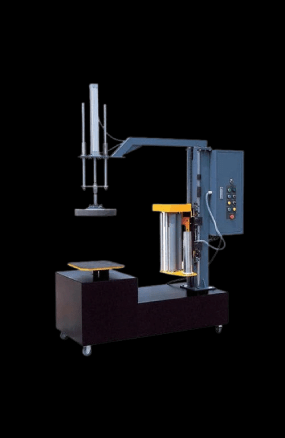
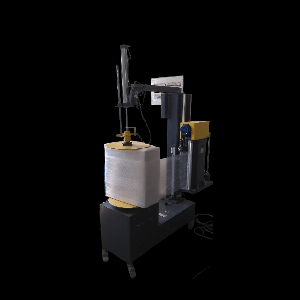
It is applied manually or using semi-automatic and automatic stretch wrapping machines depending on the volume of packaging required.

Why Stretch Wrapping Rolls Are Essential for Pallet Protection

Stretch wrapping is considered one of the safest and most cost-effective methods for securing palletized and bulk goods. Here’s why it is widely used across industries:

1. Stabilizes Palletized Loads

Goods stacked on pallets can shift or tilt during handling and transportation. Stretch film prevents this by:

Binding all items tightly

Reducing movement

Maintaining pallet integrity

Minimizing the risk of falling or damage

This stability is crucial, especially for shipments that travel long distances or undergo frequent handling.

2. Protects Against Dust, Dirt & Moisture

Stretch film acts as a protective shield around goods. It prevents exposure to:

Dust

Moisture

Debris

Industrial pollutants

This is particularly important in warehouses, ports, and outdoor storage environments where contamination risks are high.

3. Reduces Product Damage & Loss

By maintaining load integrity, stretch wrap reduces:

Scratches

Breakage

Product collapse

Spillage

This helps businesses cut financial losses and maintain customer satisfaction.

4. Cost-Effective Solution

Compared to wooden crates, straps, or heavy-duty packaging materials, stretch film is:

Cheaper

Lightweight

Easy to use

Efficient for bulk operations

A single roll can secure hundreds of pallets, making it highly economical.

5. Enhances Safety in Warehouses

A loose or unstable load can be a major workplace hazard. Stretch wrapping ensures:

Safe forklift movement

Secure stacking

Reduced workplace injuries

Proper wrapping contributes to smooth warehouse operations and improved workflow.

Different Types of Stretch Wrapping Rolls

Not all stretch films are the same. Each type serves a unique purpose based on load size, weight, and transport needs. Below are the major types:

1. Hand Wrap Stretch Film

Used for manual wrapping, it is ideal for:

Low-volume packaging

Small warehouses

Light to medium-weight loads

It is easy to use and doesn’t require machinery.

2. Machine Wrap Stretch Film

Designed for automatic stretch wrapping machines, offering:

Consistent wrapping

High-speed operations

Uniform tension control

Suitable for large-scale manufacturing and high-volume warehouses.

3. Pre-Stretched Film

This film is stretched during manufacturing, making it:

Lightweight

Easy to apply

Less energy-intensive

It reduces film usage and increases load stability.

4. Colored Stretch Film

Used for:

Load identification

Branding

Theft prevention

Colored films help differentiate shipments and maintain inventory accuracy.

5. UV Stretch Film

Designed for outdoor storage where sun exposure is unavoidable. This film:

Resists UV rays

Prevents film degradation

Maintains long-term load stability

Commonly used in construction materials, agriculture, and export shipments.

6. Ventilated Stretch Film

Has perforations to allow airflow, making it ideal for:

Fresh vegetables

Fruits

Products needing breathability

It prevents condensation and spoilage.

How Stretch Wrapping Rolls Protect Bulk Goods During Transit

Transporting goods across long distances involves several risks—sharp movements, weather exposure, vibrations, and stacking pressure. Stretch wraps mitigate these risks by:

Creating a Tight Bond

The elastic nature of stretch film means it hugs the load securely, reducing gaps and movement.

Preventing Shock & Vibration Damage

Goods in trucks or containers often experience continuous vibrations. Stretch wrapping keeps everything firmly together.

Offering 360-Degree Protection

Unlike straps or tapes that hold only certain areas, stretch wrap covers the entire surface of the load.

Deteriorating Risks from Handling

Goods are frequently handled using forklifts, cranes, or manual labor. Stretch wrap:

Improves load grip

Reduces slipping

Minimizes tearing or displacement

Protection Against Weather Conditions

Environmental factors like rain, humidity, and extreme temperatures can damage goods. Stretch film prevents moisture infiltration and keeps goods dry.

Industries That Rely on Stretch Wrapping Rolls

Stretch film is essential across a wide range of industries:

Logistics & warehouses

E-commerce

Food & beverages

Pharmaceuticals

Automotive

Construction materials

Agriculture

Textile & garment manufacturing

Electronics & appliances

Export & import companies

Its versatility makes it a universal packaging solution.

Best Practices for Effective Stretch Wrapping

To maximize the benefits of stretch wrapping rolls, businesses should follow these best practices:

1. Ensure Proper Tension

Too much tension can tear the film; too little reduces load security. Finding the right balance is key.

2. Use the Right Film Thickness

Heavy or irregular loads require thicker films for better holding force.

3. Wrap from Bottom to Top

Securing the base first ensures load stability.

4. Use Corners and Edge Protectors for Fragile Items

This prevents tearing and protects products from compression.

5. Choose the Right Type of Stretch Film

Film selection should depend on:

Load type

Storage conditions

Transportation distance

6. Regularly Train Staff

Proper wrapping techniques reduce film wastage and improve load safety.

Sustainability Benefits of Stretch Wrapping Rolls

Modern stretch films are now:

Recyclable

Lower in thickness but higher in strength

Manufactured using eco-friendly processes

Designed to reduce plastic consumption

This helps companies reduce environmental impact and meet packaging sustainability goals.

Choosing the Right Stretch Wrapping Partner

Selecting a reliable Stretch Wrapping Roll Manufacturer in Chennai is essential for businesses that handle bulk packaging daily. High-quality stretch film not only enhances load protection but also reduces film wastage and improves operational efficiency. Businesses handling fragile, heavy, or temperature-sensitive goods especially need films engineered with strength, elasticity, and durability.

Why Real Packers Is a Trusted Choice in the Industry

Among suppliers in the region, Realpackers stands out for producing high-performance stretch wraps that support industries in logistics, warehousing, and manufacturing. Whether you need hand wrap film, machine-grade rolls, or specialized stretch films for export, partnering with a dependable Stretch Wrapping Roll Manufacturer in Chennai ensures you receive consistent quality and reliable service.

Real Packers offers customized options, superior tensile strength, and optimum load-holding capability—making them a preferred choice for companies dealing with high-volume palletizing requirements.

TAKE AWAY: Protect Your Goods with the Right Stretch Wrapping Solutions

Choosing a professional and experienced packaging partner like Real Packers guarantees that your goods remain safe, stable, and protected throughout storage and transit. With the increasing demand for secure logistics solutions, selecting a certified Stretch Wrapping Roll Manufacturer in Chennai superior performance, durability, and cost-efficiency.

From pallet stabilization to damage prevention, Real Packers delivers world-class stretch wrapping solutions that support smooth operations and long-term reliability.