

Future Trends in Polypropylene Packaging Solutions

Polypropylene Bags Manufacturer & Supplier – Durable PP Packaging Bags

The packaging industry is evolving rapidly, driven by increasing consumer demands, sustainability considerations, and technological advancements. Among the most versatile materials used today, polypropylene (PP) has emerged as a preferred choice for businesses across industries, ranging from agriculture and retail to logistics and food processing.

Polypropylene bags are known for their durability, cost-effectiveness, and adaptability, making them suitable for bulk storage, industrial applications, and branded packaging solutions. As global markets grow, the role of polypropylene packaging continues to expand, prompting manufacturers to innovate and adopt future-ready solutions.

Understanding the emerging trends in polypropylene packaging can help businesses stay competitive, improve operational efficiency, and meet evolving market demands. From sustainability and automation to customization and digital integration, several factors are shaping the future of polypropylene packaging solutions.

1. Focus on Sustainability

Sustainability has become a non-negotiable priority in modern packaging. With environmental regulations tightening worldwide and consumers becoming more eco-conscious, polypropylene packaging is undergoing significant transformations.

Manufacturers are investing in recyclable and reusable PP materials, reducing plastic waste while maintaining the inherent strength and flexibility of polypropylene bags. Innovations such as eco-friendly woven PP bags and biodegradable coatings are being explored to meet sustainability targets without compromising on durability.

The industry is also focusing on optimizing production processes to reduce energy consumption and carbon footprint. Sustainable polypropylene packaging solutions not only contribute to environmental responsibility but also enhance brand reputation and compliance with global environmental standards.

2. Automation and Advanced Manufacturing

The future of polypropylene packaging is intertwined with automation and advanced manufacturing techniques. Modern production lines now incorporate robotics, automated weaving, and high-speed bag assembly systems to enhance efficiency and consistency.

Automation ensures precise measurements, uniform bag quality, and faster production cycles, which are essential for bulk supply industries such as agriculture, fertilizers, and industrial raw materials. Smart production systems also allow real-time monitoring of quality parameters, reducing material waste and operational costs.

By integrating automation, polypropylene bag manufacturers can achieve scalability, reliability, and consistency—factors that are increasingly vital in competitive markets.

3. Customization and Branding Opportunities

Consumer preferences are shifting toward personalized and branded packaging. Businesses want polypropylene bags that are not only functional but also visually appealing and reflective of their brand identity.

Innovations in printing technology, color customization, and material finishes are enabling manufacturers to offer fully customized PP bags. Whether it’s for promotional campaigns, retail products, or bulk distribution, customization adds value to polypropylene packaging by enhancing brand visibility and creating a professional image.

Moreover, custom solutions can accommodate diverse industrial needs, including reinforced stitching, UV protection, water-resistant coatings, and ergonomic handles, making polypropylene bags versatile for various applications.

4. E-Commerce and Logistics Influence

The rise of e-commerce has reshaped packaging requirements. Polypropylene bags are increasingly preferred for logistics and supply chain operations due to their durability, lightweight nature, and cost-effectiveness.

With higher shipping volumes, businesses are demanding packaging solutions that protect products during transit while being easy to store and handle. PP woven and laminated bags meet these demands efficiently, offering tear resistance, moisture protection, and high load-bearing capacity.

Future trends indicate that polypropylene packaging will be further adapted for last-mile delivery and multi-modal logistics, with features such as resealable closures, reinforced corners, and stackable designs to improve operational convenience and reduce damage during transport.

5. Integration with Smart Packaging

The concept of smart packaging is gradually entering the polypropylene segment. Integrating QR codes, RFID tags, or barcodes on PP bags allows businesses to track products in real time, monitor inventory, and enhance supply chain transparency.

Smart polypropylene packaging solutions also facilitate automated sorting, scanning, and data collection during storage and transportation. This technological integration streamlines operations, reduces errors, and supports inventory optimization.

The trend toward smart packaging reflects the larger shift toward digital transformation in logistics and industrial packaging, where real-time information is essential for efficiency and accountability.

6. Partnering with Trusted Polypropylene Bag Manufacturers

Choosing the right manufacturing partner is critical for businesses looking to adopt advanced polypropylene packaging solutions. Real packers, a leading Poly Propylene Bags Manufacturer, offers comprehensive solutions tailored to industrial and retail needs.

They are recognized among the Leading polypropylene bag manufacturers in India for bulk supply, providing high-volume solutions with consistent quality. Their expertise ensures access to durable, functional, and versatile polypropylene bags designed to meet the evolving needs of businesses across industries.

Real packers also serve as Reliable PP woven bag suppliers for industrial packaging, offering customized designs, quality assurance, and timely delivery to ensure operational efficiency. Partnering with a trusted supplier helps businesses adopt the latest trends in polypropylene packaging without compromising quality or reliability.

7. Specialized and Custom Polypropylene Solutions

For businesses requiring advanced packaging features, Real packers provides premium offerings. Their range includes Premium quality polypropylene packaging bags manufacturer India, Wholesale custom polypropylene bag suppliers India, and Heavy-duty PP woven bags supplier for industrial use.

These specialized solutions cater to high-volume industrial operations, retail, and branded packaging requirements. With reinforced stitching, UV protection, and customizable dimensions, these polypropylene bags are designed for durability, efficiency, and enhanced brand visibility.

Additionally, Real Packers also serves as Custom branded polypropylene bag manufacturers India, enabling businesses to incorporate logos, colors, and marketing messages directly on the bags. This integration of functionality and branding positions companies to meet both operational and marketing objectives.

8. Adapting to Market Demands

Future polypropylene packaging solutions are centered on adaptability. Businesses need bags that are durable yet lightweight, cost-effective yet eco-conscious, and versatile yet customizable.

Real packers, as a trusted Poly Propylene Bags Manufacturer, ensures that their range of products meets these evolving requirements. By offering solutions that combine strength, customization, and bulk availability, they empower businesses to stay ahead of trends while maintaining operational efficiency.

Through innovations in design, sustainability, and smart technology, polypropylene bags are becoming a key component of modern packaging strategies across industries.

Conclusion

Polypropylene packaging solutions are poised for significant growth and innovation, driven by trends in sustainability, automation, customization, e-commerce, and smart technology. Businesses adopting advanced PP packaging can improve operational efficiency, reduce costs, and enhance brand perception in an increasingly competitive market.

Partnering with a trusted Poly Propylene Bags Manufacturer like Real packers ensures access to top-tier solutions, including Leading polypropylene bag manufacturers in India for bulk supply, Reliable PP woven bag suppliers for industrial packaging, and specialized providers such as Custom branded polypropylene bag manufacturers India.

By leveraging these solutions, businesses can stay ahead of market trends, meet consumer expectations, and integrate sustainable and technologically advanced packaging solutions that support long-term growth and operational excellence.

Environmental Benefits of Compostable Bag Innovations

Trusted Supplier of Biodegradable Compostable Bags – Sustainable & Safe

In an era where sustainability is no longer optional, businesses and consumers alike are seeking environmentally responsible alternatives to conventional plastic bags. Traditional plastic bags, made from non-renewable petroleum-based materials, contribute significantly to pollution, landfill accumulation, and marine debris. In response, compostable and biodegradable bags have emerged as a practical solution, combining functionality with environmental stewardship.

Innovations in compostable bag technology are revolutionizing the packaging industry. Manufacturers are now creating bags that are not only strong and durable but also capable of breaking down naturally without leaving harmful residues. These innovations are particularly relevant for industries such as retail, food packaging, and e-commerce, where packaging waste is a growing concern.

The environmental benefits of compostable bag innovations are vast, from reducing carbon footprint to promoting soil health. By understanding the advantages and technological advancements behind these products, businesses can make informed choices that support both sustainability goals and operational efficiency.

1. Reduction in Plastic Pollution

One of the most significant environmental benefits of compostable bags is their role in reducing plastic pollution. Unlike traditional plastics that can take hundreds of years to decompose, compostable bags are made from plant-based materials that break down naturally under composting conditions.

This decomposition process prevents plastic accumulation in landfills, rivers, and oceans, which is a major environmental hazard. Marine animals and birds are particularly vulnerable to plastic ingestion, often mistaking fragments for food. By switching to biodegradable and compostable bags, businesses can actively contribute to reducing these risks and promoting a cleaner ecosystem.

Innovations such as PLA (polylactic acid) compostable bags provide functionality similar to conventional plastics while maintaining environmental integrity. These bags are derived from renewable resources like cornstarch or sugarcane, ensuring that the raw materials themselves are sustainable and do not deplete natural ecosystems.

2. Lower Carbon Footprint

Compostable bag innovations also contribute to significant reductions in greenhouse gas emissions. Manufacturing plant-based bags generally requires less energy compared to petroleum-based plastics. Additionally, because these bags can decompose naturally, they minimize methane emissions typically associated with plastic-filled landfills.

By replacing single-use plastic with compostable alternatives, businesses can lower their carbon footprint and support global efforts to mitigate climate change. Sustainable bag manufacturing also encourages the use of renewable feedstocks, further reducing the environmental impact associated with raw material extraction.

3. Soil Enrichment and Circular Economy

An often-overlooked advantage of compostable bags is their contribution to soil health. Once disposed of in industrial or home composting facilities, biodegradable bags break down into organic matter, enriching the soil with essential nutrients. This process supports a circular economy, where packaging materials are returned to the ecosystem in a beneficial form rather than accumulating as waste.

Such innovations are particularly valuable in the agricultural and food industries, where compost generated from packaging materials can be reused to cultivate crops, thus creating a sustainable loop. Over time, this cycle reduces reliance on chemical fertilizers, decreases waste management costs, and promotes environmentally friendly business practices.

4. Compliance with Regulatory Standards

Globally, governments and environmental bodies are enforcing stricter regulations on single-use plastics. Compostable and biodegradable bag innovations help businesses comply with these rules while maintaining operational efficiency.

Manufacturers are developing products that meet international certifications, such as ASTM D6400 or EN 13432 standards, which ensure that the bags are genuinely compostable and environmentally safe. Using certified compostable bags not only helps businesses avoid penalties but also enhances their corporate responsibility image in the eyes of eco-conscious consumers.

By adopting such solutions, businesses can proactively align with sustainability initiatives and demonstrate their commitment to environmental protection.

5. Consumer Awareness and Market Advantage

As environmental awareness grows, consumers are actively seeking brands that prioritize sustainability. Compostable bag innovations provide a tangible way for businesses to demonstrate eco-conscious practices.

Using biodegradable and compostable bags not only reduces environmental harm but also strengthens brand perception. Companies that incorporate sustainable packaging can attract a growing segment of environmentally responsible consumers, gaining a competitive advantage in crowded markets.

Moreover, innovations like plant-based biodegradable bags offer design flexibility, allowing companies to create functional, attractive, and eco-friendly packaging that aligns with modern consumer expectations.

6. Partnering with Trusted Biodegradable Bag Suppliers

For businesses looking to integrate sustainable packaging solutions, partnering with a reputable supplier is crucial. Real packers, a leading Biodegradable Compostable Bag Manufacturer, offers a wide range of innovative products that balance environmental benefits with functional performance.

Their portfolio includes specialized options such as PLA compostable bag supplier, Sustainable packaging bag suppliers India, and Top plant-based biodegradable bag manufacturers India. By sourcing from experienced providers, businesses can ensure that the materials used are genuinely compostable, certified, and compatible with existing packaging workflows.

Additionally, working with trusted suppliers ensures access to technical guidance, consistent product quality, and reliable supply chains, making it easier for companies to adopt sustainable packaging practices without disruption.

7. Bulk and Specialized Packaging Solutions

For companies requiring high-volume packaging, Real Packers serves as a reliable Bulk biodegradable bag supplier, offering scalable solutions that meet operational needs. Their range also includes Food-grade compostable bag manufacturer options suitable for retail, grocery, and foodservice industries, where hygiene and safety standards are critical.

By choosing specialized suppliers, businesses can access customized solutions, including bags tailored for weight, size, and functionality, while maintaining environmental compliance. These innovations allow companies to seamlessly integrate eco-friendly materials into existing operations without compromising efficiency or product safety.

8. Advancing Sustainability with Plant-Based Innovations

Plant-based biodegradable bags represent the cutting edge of sustainable packaging. With innovations that focus on renewable raw materials and enhanced decomposition rates, these products allow businesses to embrace truly environmentally responsible practices.

Real packers, recognized among the Top plant-based biodegradable bag manufacturers India, provides advanced solutions that combine durability, functionality, and eco-conscious design. Their products are ideal for businesses committed to reducing plastic use, promoting circular economies, and enhancing brand value through sustainability.

By integrating plant-based, certified compostable bags into packaging strategies, companies can achieve long-term environmental benefits while addressing regulatory requirements and consumer expectations.

Conclusion

Compostable bag innovations provide a multitude of environmental benefits, including reducing plastic pollution, lowering carbon footprint, enriching soil, and supporting a circular economy. They also help businesses comply with regulatory standards and meet growing consumer demand for sustainable products.

Partnering with a reputable Biodegradable Compostable Bag Manufacturer like Real packers ensures access to high-quality solutions such as PLA compostable bag supplier, Sustainable packaging bag suppliers India, and Top plant-based biodegradable bag manufacturers India. Additionally, businesses can benefit from specialized services, including Bulk biodegradable bag supplier, Food-grade compostable bag manufacturer, and other eco-conscious packaging options.

By adopting these innovations, companies not only contribute positively to the environment but also enhance operational efficiency, strengthen brand reputation, and align with the global movement toward sustainability. With trusted suppliers like Real packers, businesses can confidently embrace the future of packaging—efficient, responsible, and environmentally friendly.

Key Factors Driving Modern Box Wrapping Machine Innovation

Automatic Box Wrapping Machines – Manufacturer & Supplier

Key Factors Driving Modern Box Wrapping Machine Innovation

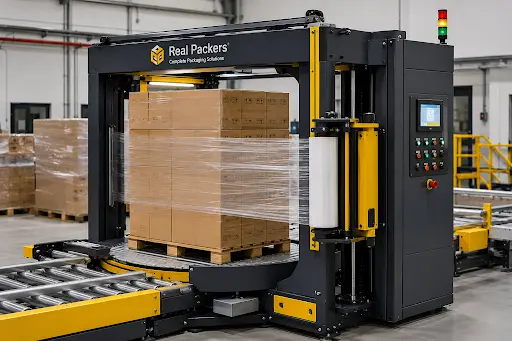
In the fast-evolving world of packaging, efficiency, adaptability, and sustainability have become essential. Businesses across industries—from e-commerce and logistics to food and consumer goods—are demanding packaging solutions that are faster, more precise, and environmentally responsible. At the heart of these solutions lies the box wrapping machine, a critical tool for ensuring that products are protected, presentable, and ready for shipment.

Modern box wrapping machines are no longer just simple mechanical devices; they represent the convergence of advanced engineering, automation, and smart technology. To remain competitive, manufacturers and suppliers are continually innovating to meet the demands of high-speed production lines and increasingly complex packaging requirements. Several key factors are driving this wave of innovation.

1. Automation and Operational Efficiency

Automation is one of the most significant drivers of innovation in box wrapping machines. Automated systems allow for faster production, reduced labor costs, and consistent output. Modern machines come equipped with programmable logic controllers (PLCs), sensors, and conveyor integration, enabling them to handle multiple packaging tasks with minimal human intervention.

The advantages of automation extend beyond speed. Smart machines can monitor their own performance, detect errors, and adjust wrapping tension or alignment automatically. This reduces the chances of product damage, ensures uniform packaging, and increases overall efficiency.

Industries with high-volume packaging demands, such as electronics, pharmaceuticals, and e-commerce, benefit significantly from automated box wrapping solutions. Companies can scale operations without a proportional increase in manpower while maintaining a high level of quality.

2. Customization and Versatility

Today’s packaging market emphasizes customization. Consumers and businesses increasingly seek packaging solutions tailored to their brand identity, product type, or special promotions. This demand has pushed manufacturers to design box wrapping machines that are versatile and adaptable to various box sizes, materials, and wrapping styles.

Modern machines offer adjustable settings, modular components, and programmable profiles, allowing businesses to switch between wrapping modes with minimal downtime. Whether it’s shrink wrapping, stretch film, or paper-based wraps, a versatile box wrapping machine ensures consistency and efficiency across different product types.

Digital integration further enhances this versatility. Machines can store multiple packaging profiles, making it easy to transition between products without extensive recalibration. This flexibility is particularly beneficial for subscription box services, promotional kits, or seasonal product lines.

3. Sustainability and Eco-Friendly Solutions

Sustainability is no longer optional—it is a critical factor driving innovation in packaging machinery. Modern box wrapping machines must handle eco-friendly materials like biodegradable films, compostable wraps, and recyclable papers without compromising efficiency or appearance.

Machines designed for sustainable packaging allow companies to reduce material waste, minimize energy consumption, and lower their environmental footprint. For example, precision-controlled wrapping systems can prevent tearing or overuse of eco-friendly films, maintaining both product safety and aesthetic quality.

Eco-conscious packaging solutions are increasingly demanded by consumers and regulatory bodies alike. Businesses that adopt machines compatible with sustainable materials not only comply with environmental standards but also strengthen their brand image in a market that values responsibility and ethics.

4. Integration with Smart Manufacturing

Industry 4.0 has transformed traditional manufacturing, and packaging machinery is no exception. Modern box wrapping machines now integrate IoT sensors, predictive maintenance algorithms, and machine learning capabilities, enabling real-time monitoring and intelligent adjustments.

Smart machines can detect potential malfunctions before they occur, optimize wrapping parameters based on the product or material, and seamlessly integrate with enterprise resource planning (ERP) systems. This integration enhances transparency, reduces downtime, and improves overall supply chain efficiency.

By embracing smart manufacturing principles, businesses can achieve higher productivity, maintain quality standards, and gain actionable insights from machine performance data.

5. Safety and Operator-Friendly Design

With increasing automation and speed, safety and ergonomics have become crucial considerations. Manufacturers are designing box wrapping machines with protective guards, emergency stop mechanisms, and intuitive control panels to prevent workplace accidents.

Ergonomic design features, such as adjustable conveyor heights and automated film-loading systems, reduce operator fatigue while maintaining productivity. User-friendly interfaces ensure that operators of varying skill levels can manage machines efficiently without compromising safety or quality.

Compliance with safety standards is also essential for businesses to reduce liability, meet industry regulations, and foster a secure workplace environment.

6. Cost Efficiency and Long-Term ROI

Investing in a modern box wrapping machine is not just about technological advancement—it’s also about return on investment. Innovations that reduce material waste, streamline labor, and improve production speed directly translate to cost savings.

Precision-controlled film dispensers minimize wastage, while automated stacking and wrapping reduce manual handling costs. Additionally, robust construction, low-maintenance components, and predictive maintenance features ensure machines have a longer service life, maximizing ROI over time.

Companies that adopt modern box wrapping machinery can achieve higher throughput, lower operational costs, and improved overall efficiency, making the investment financially worthwhile.

7. Partnering with the Right Box Wrapping Machine Supplier

Selecting the right supplier is crucial for accessing innovative and reliable box wrapping solutions. A trusted supplier not only provides advanced machinery but also offers technical support, customization, and after-sales service.

Real packers, a leading Box Wrapping Machine Supplier, offers a comprehensive range of high-quality machines tailored to diverse packaging requirements. Their portfolio includes:

  • High-quality carton wrapping machine suppliers India
  • Custom packaging and box wrapping machine suppliers
  • Automatic box wrapping machine supplier
  • Manual box wrapping machine supplier
  • Industrial box wrapping machine supplier

By partnering with Real packers, businesses can ensure access to durable, efficient, and technologically advanced machinery that meets modern packaging demands. Their expertise also guarantees seamless installation, training, and maintenance, helping companies optimize operations from day one.

8. Choosing the Best Carton Wrapping Machine Solutions

For companies seeking precision and reliability in packaging, Real packers is a trusted Carton wrapping machine supplier. Their solutions cater to various industries, ensuring machines handle different box sizes, wrapping materials, and production volumes efficiently.

From small-scale manual operations to large-scale automated lines, Real Packers provides solutions that combine durability, flexibility, and eco-friendly capabilities. Businesses benefit from a supplier that understands modern packaging challenges and delivers machines designed to enhance productivity while minimizing environmental impact.

Conclusion

Innovation in box wrapping machines is driven by multiple factors, including automation, customization, sustainability, smart manufacturing integration, safety, and cost efficiency. Businesses that adopt modern, technologically advanced packaging solutions can enhance productivity, reduce operational costs, and maintain high-quality standards across their supply chain.

Partnering with a trusted Box Wrapping Machine Supplier like Real packers ensures access to industry-leading solutions, including High-quality carton wrapping machine suppliers India, Custom packaging and box wrapping machine suppliers, and specialized providers such as Automatic box wrapping machine supplier, Manual box wrapping machine supplier, and Industrial box wrapping machine supplier.

As the demand for versatile, eco-friendly, and efficient packaging solutions continues to rise, investing in the right box wrapping machine ensures businesses stay ahead of the curve, deliver superior product presentation, and achieve long-term operational excellence. With Real packers as a reliable Carton wrapping machine supplier, companies gain a partner committed to meeting modern packaging challenges with innovative, efficient, and sustainable solutions.

Woven vs Non-Woven Polypropylene Bags: Key Differences

Top Polypropylene Bags Manufacturer & Supplier in Bangalore

Woven vs Non-Woven Polypropylene Bags: Key Differences

In today’s packaging industry, polypropylene (PP) bags have become a popular choice due to their durability, versatility, and cost-effectiveness. From retail shopping bags to industrial packaging solutions, polypropylene bags are widely used across multiple sectors.

However, not all polypropylene bags are the same. They are broadly classified into two types: woven and non-woven polypropylene bags. While both are made from the same base material, their manufacturing process, structure, and applications differ significantly.

Understanding these differences is essential for businesses looking to choose the right packaging solution for their specific needs. In this blog, we explore a detailed comparison between woven and non-woven polypropylene bags, highlighting their features, advantages, and ideal use cases.

What Are Polypropylene Bags?

Polypropylene bags are made from a thermoplastic polymer known for its strength, flexibility, and resistance to moisture and chemicals. These bags are lightweight yet durable, making them suitable for both commercial and industrial applications. Depending on how the material is processed, polypropylene bags can be categorized into woven and non-woven types.

What Are Woven Polypropylene Bags?

Woven polypropylene bags are made by weaving polypropylene tapes or threads together in a crisscross pattern. This process creates a strong and durable fabric-like material.

  • Key Features:
    • High tensile strength
    • Excellent load-bearing capacity
    • Reusable and long-lasting
    • Resistant to tearing and punctures
  • Advantages:
    • Ideal for heavy-duty applications
    • Strong and durable construction
    • Suitable for bulk packaging
    • Can withstand rough handling
  • Limitations:
    • Less smooth surface for printing
    • Slightly heavier compared to non-woven bags

What Are Non-Woven Polypropylene Bags?

Non-woven polypropylene bags are made by bonding polypropylene fibers together using heat, pressure, or chemical processes rather than weaving.

  • Key Features:
    • Soft and lightweight
    • Smooth texture
    • Excellent printability
    • Cost-effective
  • Advantages:
    • Ideal for promotional and retail use
    • Attractive appearance
    • Easy to customize
    • Lightweight and easy to carry
  • Limitations:
    • Lower strength compared to woven bags
    • Less suitable for heavy loads

Manufacturing Process Comparison

  • Woven Bags:
    • Polypropylene is melted and extruded into tapes
    • Tapes are woven into fabric
    • Fabric is cut and stitched into bags
  • Non-Woven Bags:
    • Polypropylene fibers are bonded together
    • Fabric is formed without weaving
    • Bags are shaped using heat sealing or stitching

The difference in manufacturing directly impacts the strength, texture, and application of the bags.

Key Differences Between Woven and Non-Woven Polypropylene Bags

  • Strength and Durability:
    • Woven Bags: High strength and durability
    • Non-Woven Bags: Moderate strength
  • Texture and Appearance:
    • Woven Bags: Rougher texture
    • Non-Woven Bags: Smooth and fabric-like
  • Load Capacity:
    • Woven Bags: Suitable for heavy loads
    • Non-Woven Bags: Best for light to medium loads
  • Printing and Branding:
    • Woven Bags: Limited print quality
    • Non-Woven Bags: Excellent for high-quality printing
  • Cost:
    • Woven Bags: Slightly higher cost due to durability
    • Non-Woven Bags: More economical
  • Environmental Impact:
    • Both types are reusable and recyclable, but non-woven bags are often preferred for eco-friendly promotional use.

Applications of Woven Polypropylene Bags

  • Agriculture (grains, seeds, fertilizers)
  • Construction materials (cement, sand)
  • Industrial packaging
  • Bulk storage and transportation

Their strength makes them ideal for heavy-duty applications.

Applications of Non-Woven Polypropylene Bags

  • Retail shopping bags
  • Promotional and branding campaigns
  • Gift bags
  • Grocery packaging

Their aesthetic appeal and printability make them popular in retail markets.

Sustainability and Eco-Friendliness

Both woven and non-woven polypropylene bags contribute to sustainability when reused properly.

  • Reduce reliance on single-use plastics
  • Reusable multiple times
  • Recyclable material

However, proper disposal and recycling practices are essential to minimize environmental impact.

Choosing the Right Bag for Your Business

The choice between woven and non-woven polypropylene bags depends on several factors:

  • Purpose of Use: Heavy-duty → Woven bags; Retail/promotional → Non-woven bags
  • Budget: Cost-sensitive projects → Non-woven bags; Long-term durability → Woven bags
  • Branding Needs: High-quality printing → Non-woven bags; Functional use → Woven bags
  • Load Requirements: Heavy loads → Woven bags; Light loads → Non-woven bags
Technological Advancements in Polypropylene Bags
  • Laminated woven bags for improved print quality
  • Biodegradable additives
  • Enhanced UV resistance
  • Advanced printing techniques

These advancements are improving both performance and sustainability.

Choosing the Right SPoly ProPylene Bags Manufacturer in Bangalore

Selecting a reliable SPoly ProPylene Bags manufacturer in Bangalore is crucial for ensuring product quality and consistency.

  • High-quality raw materials
  • Advanced manufacturing processes
  • Custom design and printing options
  • Consistent quality control
  • Timely delivery

Partnering with the right manufacturer ensures that your packaging meets both functional and branding requirements.

How Real Packers Delivers Quality Polypropylene Bag Solutions

Realpackers is known for providing durable and efficient packaging solutions tailored to diverse industry needs.

  • Manufacturing both woven and non-woven polypropylene bags
  • Ensuring high-quality production standards
  • Offering customization for branding and design
  • Delivering cost-effective solutions
  • Maintaining consistent product quality

By focusing on innovation and customer satisfaction, Real packers supports businesses in achieving reliable packaging performance.

Why Businesses Trust a Poly ProPylene Bags Manufacturer in Bangalore

Working with a trusted Poly ProPylene Bags manufacturer in Bangalore provides several advantages:

  • Access to a wide range of product options
  • Improved packaging efficiency
  • Enhanced brand visibility through customization
  • Reliable supply and support
  • Cost-effective solutions for bulk requirements

A dependable manufacturing partner plays a key role in strengthening your packaging strategy.

Conclusion

Woven and non-woven polypropylene bags each offer unique benefits, making them suitable for different applications. While woven bags excel in strength and durability, non-woven bags stand out for their lightweight design and superior printability.

Choosing the right type depends on your business needs, including load capacity, branding requirements, and budget. By understanding the key differences and evaluating your specific requirements, you can make an informed decision that enhances both functionality and customer experience.

As the demand for sustainable and efficient packaging continues to grow, polypropylene bags remain a versatile and practical solution. Partnering with the right manufacturer ensures that you receive high-quality products that meet modern industry standards and support your business growth.

Latest Innovations in Box Wrapping Technology

Custom Box Wrapping Machine Manufacturer for Industrial Packaging

Latest Innovations in Box Wrapping Technology

In today’s fast-paced manufacturing and logistics landscape, packaging is no longer just a protective layer—it is a critical part of operational efficiency, branding, and cost optimization. Among the many advancements in the packaging industry, box wrapping technology has evolved significantly, offering smarter, faster, and more sustainable solutions.

From automated systems to intelligent wrapping mechanisms, modern box wrapping machines are transforming how businesses package products for storage, transportation, and retail display. These innovations not only improve productivity but also reduce waste and enhance packaging consistency.

In this blog, we explore the latest innovations in box wrapping technology and how they are reshaping industries worldwide.

Evolution of Box Wrapping Technology

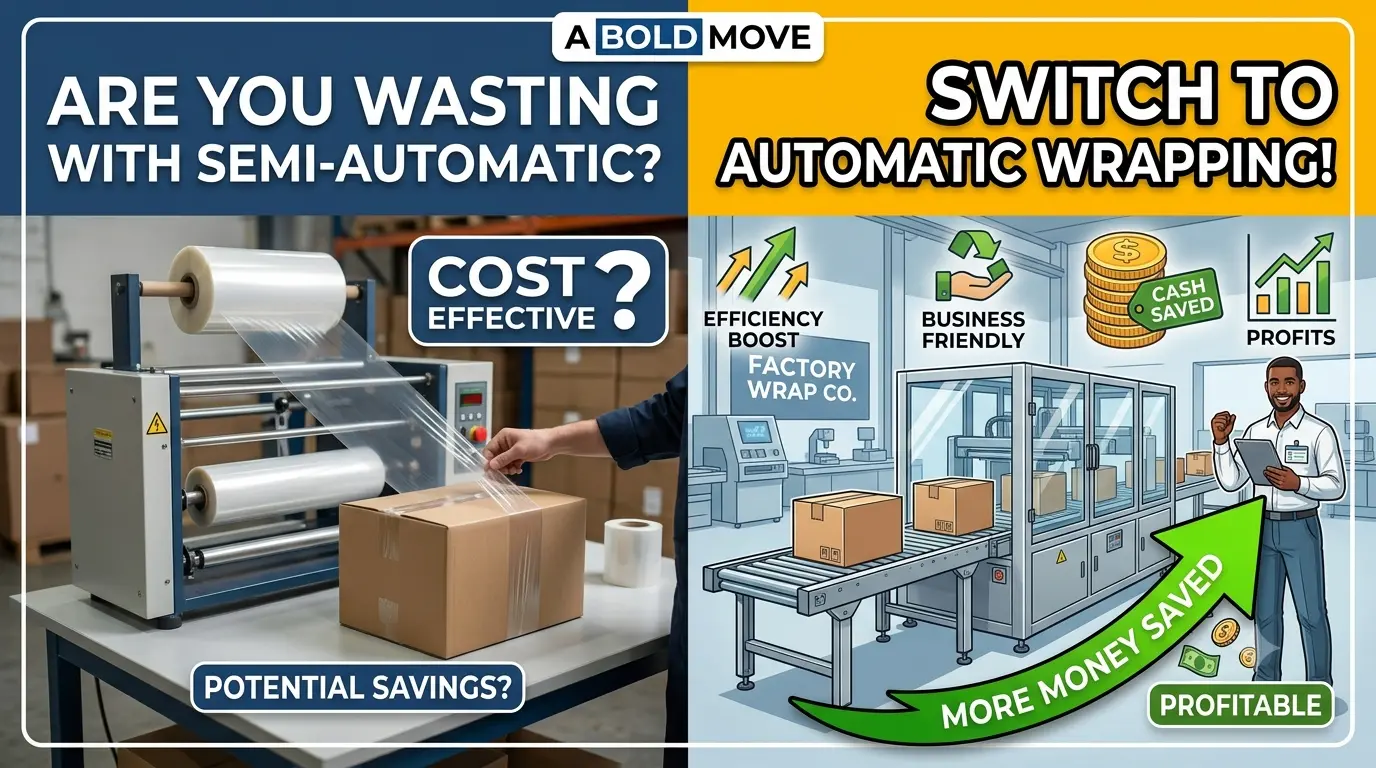
Traditionally, box wrapping was a manual or semi-automatic process that required significant labor and time. Operators had to handle wrapping materials, ensure proper sealing, and maintain consistency—all of which were prone to human error.

With technological advancements, the industry has shifted toward:

Fully automated wrapping systems

High-speed production lines

Precision-controlled wrapping mechanisms

Integration with smart manufacturing systems

This evolution has made packaging faster, more reliable, and highly scalable.

Automation in Box Wrapping Machines

1. Fully Automatic Wrapping Systems

Modern machines are capable of handling the entire wrapping process without human intervention. These systems:

Detect box dimensions automatically

Adjust wrapping tension accordingly

Apply uniform wrapping material

Seal packages efficiently

Automation reduces labor costs and ensures consistent output quality.

2. Robotic Integration

Robotics has brought a new level of precision to packaging. Robotic arms are now used for:

Loading and unloading boxes

Positioning products accurately

Handling delicate or irregular items

This reduces damage and increases operational efficiency.

Smart Technology Integration

1. IoT-Enabled Machines

Internet of Things (IoT) technology allows machines to communicate and share data in real time. This enables:

Remote monitoring of operations

Predictive maintenance

Performance tracking

Reduced downtime

2. AI-Based Optimization

Artificial Intelligence is being used to optimize wrapping processes by:

Analyzing packaging patterns

Adjusting machine settings automatically

Reducing material wastage

AI-driven systems improve efficiency and lower operational costs.

Advanced Wrapping Materials

1. Stretch Films with Enhanced Properties

Modern stretch films are designed to provide:

Higher elasticity

Better load stability

Reduced material usage

2. Eco-Friendly Materials

Sustainability is driving innovation in packaging materials. New options include:

Biodegradable films

Recyclable wrapping materials

Reduced plastic usage

3. High-Performance Shrink Wraps

Shrink wrapping technology has improved significantly, offering:

Stronger sealing

Better product protection

Enhanced visual appeal

Precision and Customization

1. Adjustable Wrapping Parameters

Modern machines allow customization of:

Wrapping tension

Speed

Layer thickness

This ensures optimal packaging for different product types.

2. Multi-Size Compatibility

Advanced machines can handle boxes of various sizes without manual adjustments, making them ideal for businesses with diverse product lines.

Energy Efficiency and Sustainability

1. Low Power Consumption

New-generation machines are designed to consume less energy while maintaining high performance.

2. Reduced Material Waste

Precision wrapping reduces excess material usage, contributing to cost savings and environmental sustainability.

3. Eco-Conscious Design

Manufacturers are focusing on building machines that support green packaging practices.

Safety Enhancements in Modern Machines

Safety is a top priority in packaging operations. Innovations include:

Emergency stop systems

Safety sensors

Protective enclosures

Automatic fault detection

These features reduce workplace accidents and ensure smooth operations.

Speed and Productivity Improvements

Modern box wrapping machines are capable of handling high volumes with remarkable speed. Features include:

High-speed wrapping cycles

Continuous operation capability

Minimal downtime

This is especially beneficial for industries with large-scale production needs.

Industry Applications of Box Wrapping Technology

1. E-commerce

Ensures secure packaging for shipping and delivery.

2. Food and Beverage

Maintains hygiene and product integrity.

3. Pharmaceuticals

Provides tamper-proof packaging solutions.

4. Manufacturing

Protects products during storage and transportation.

Choosing the Right Box Wrapping Machine Supplier

Selecting a reliable Box Wrapping Machine Supplier is crucial for businesses aiming to improve packaging efficiency.

A good supplier should offer:

Advanced technology solutions

Customizable machine options

Strong after-sales support

High-quality and durable equipment

Energy-efficient systems

Choosing the right partner ensures long-term operational success.

How Real packers Delivers Advanced Packaging Solutions

Real packers is known for providing innovative and efficient packaging machinery tailored to modern industry needs.

Their approach includes:

Offering cutting-edge box wrapping machines

Integrating automation and smart technologies

Ensuring high performance and durability

Providing customized solutions for different industries

Delivering reliable customer support

By focusing on innovation and quality, Realpackers helps businesses enhance their packaging operations.

Future Trends in Box Wrapping Machine Supplier Industry

The future of the Box Wrapping Machine Supplier industry is driven by continuous innovation and technological advancements.

Key trends include:

Increased use of AI and machine learning

Greater focus on sustainable packaging solutions

Integration with Industry 4.0 systems

Development of compact and space-saving machines

Enhanced user-friendly interfaces

These trends indicate a shift toward smarter, greener, and more efficient packaging solutions.

Conclusion

Box wrapping technology has undergone a remarkable transformation, evolving from manual processes to highly advanced automated systems. Today’s innovations are not only improving efficiency but also addressing critical challenges such as sustainability, cost reduction, and product safety.

With the integration of smart technologies, eco-friendly materials, and high-speed automation, modern box wrapping machines are becoming indispensable for businesses across industries. Companies that adopt these innovations gain a competitive edge by improving productivity and delivering better packaging quality.

As the industry continues to evolve, partnering with a reliable supplier and staying updated with the latest technologies will be key to success. By investing in advanced box wrapping solutions, businesses can streamline operations, reduce costs, and meet the growing demands of global markets.