

Why Truly Compostable Packaging is the New Standard for Global Fashion

Eco-Friendly Biodegradable Compostable Bags for Garment Packaging

Why Truly Compostable Packaging is the New Standard for Global Fashion

Fashion has always been about expression. What you wear says something about who you are. But today, how a brand packages and delivers its products says just as much. Consumers are paying attention not just to the garment inside the bag, but to the bag itself. And what they are seeing from most brands still does not match the values those brands claim to stand for.

That gap is closing fast. Compostable packaging is no longer a niche choice for small eco-brands. It is becoming the baseline expectation for fashion businesses that want to stay relevant, trustworthy, and responsible in a market that is done tolerating greenwashing.

The Problem With Conventional Garment Packaging

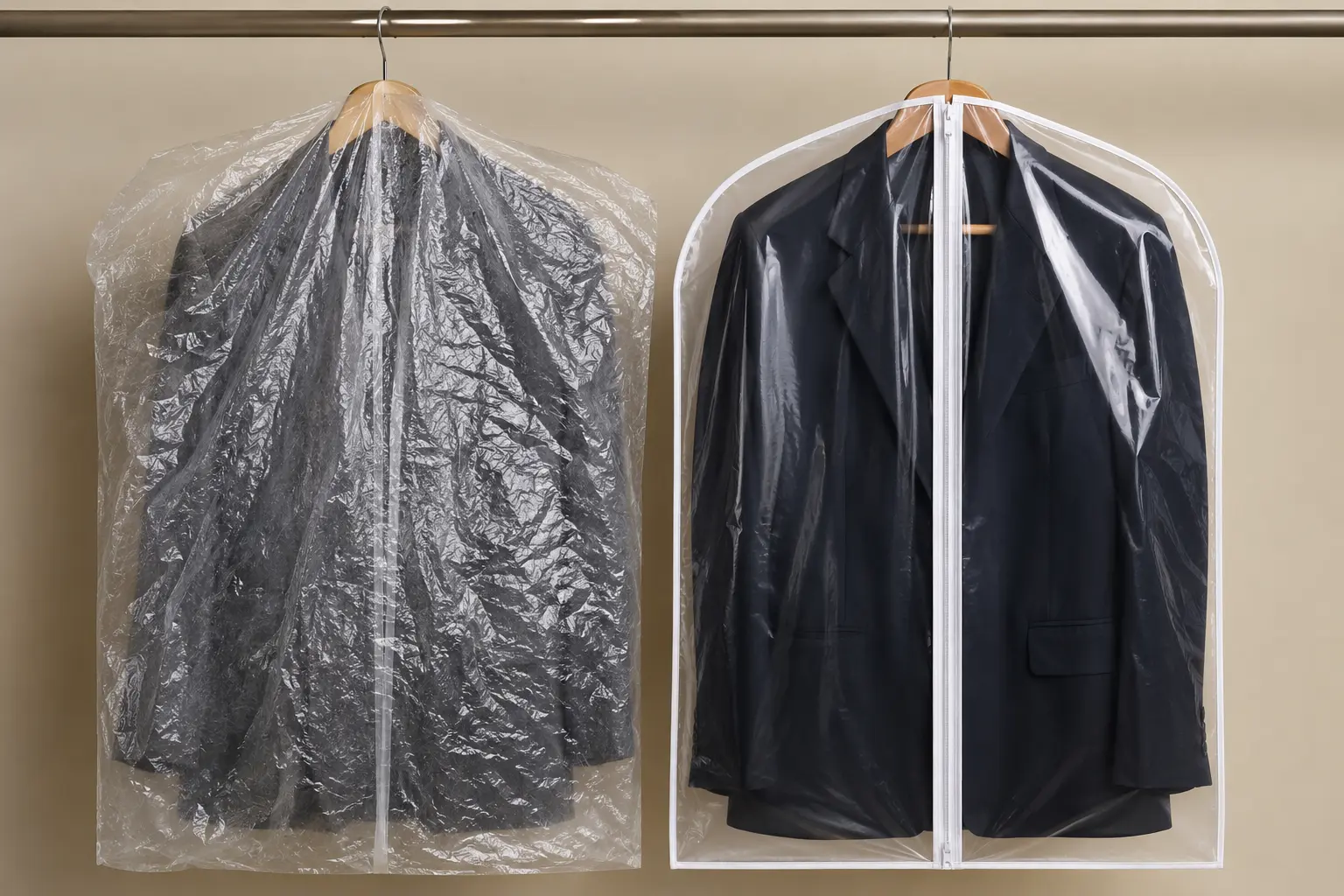
Walk into any fashion warehouse or open any delivered clothing order, and the packaging story is almost always the same. Polybags. Plastic sleeves. Non-recyclable wrapping. Materials that will outlast the garments they were protecting by several hundred years.

The global fashion industry produces an enormous volume of packaging waste every single year. Most of it is plastic. Most of that plastic is used once and discarded. And despite years of recycling campaigns, the reality is that only a small fraction of plastic packaging ever gets recycled properly.

The rest ends up in landfill, in waterways, or broken down into microplastics that enter the food chain.

This is not a distant environmental concern. It is a present, measurable problem that fashion brands are directly contributing to every time they ship an order in a conventional polybag.

What Compostable Actually Means

This is where clarity matters, because the market is full of packaging labeled as eco-friendly, green, or biodegradable that does not actually deliver on those claims.

Compostable packaging is different. Here is what it means in practical terms:

It breaks down completely into natural organic matter under composting conditions.

It leaves behind no toxic residue, no microplastics, and no harmful chemicals.

The breakdown process happens within a defined timeframe, typically within 90 to 180 days in industrial composting conditions.

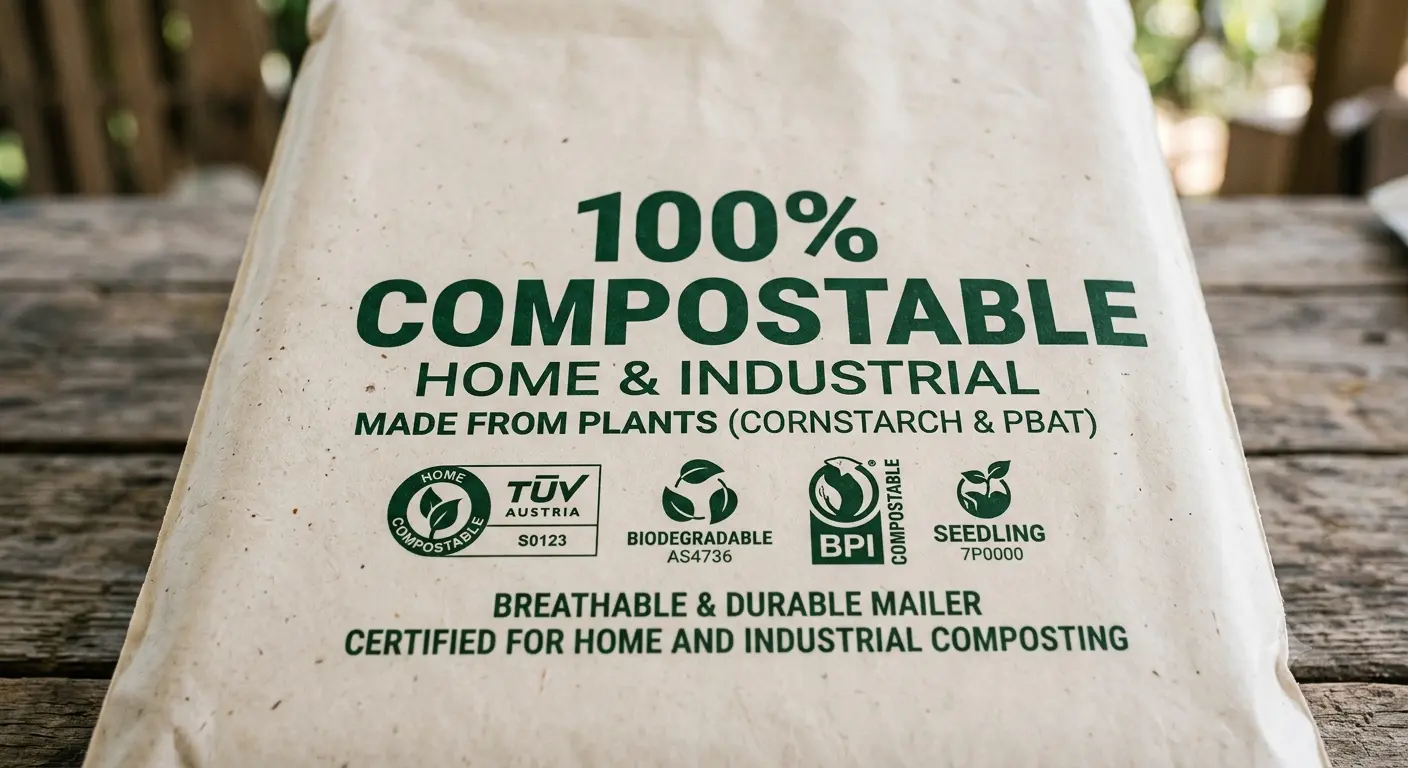
Certified compostable packaging meets internationally recognized standards such as EN 13432 or ASTM D6400.

Biodegradable is a broader term. Something can be labeled biodegradable and still take decades to break down, or leave behind harmful residue in the process. Compostable is the higher, more specific standard. When a brand chooses certified compostable packaging, they are choosing something with a verified end of life, not just a vague environmental claim.

Why Fashion Specifically Needs to Lead This Shift

Every industry has a responsibility to reduce packaging waste. But fashion carries a particular weight here for a few reasons.

The volume is significant. Fashion is one of the highest volume consumer goods categories in the world. Every garment that moves from manufacturer to brand to retailer to consumer passes through multiple layers of packaging.

The consumer relationship is emotional. People connect with fashion brands personally. When a customer receives an order in packaging that contradicts the brand’s stated values, that disconnect is noticed and remembered.

The visual impact matters. Fashion packaging is often the first physical touchpoint between a brand and its customer. Compostable packaging that looks good, feels premium, and communicates the brand’s values creates a first impression that reinforces everything the brand stands for.

Switching to compostable packaging is not just an environmental decision. It is a brand decision, a customer experience decision, and an increasingly important business decision.

The Global Market Is Already Moving

Major fashion markets in Europe, North America, and parts of Asia are introducing legislation that restricts or taxes single-use plastic packaging. Brands that are still relying on conventional polybags are not just making an environmental choice. They are taking on regulatory and reputational risk.

Retailers and platform partners are increasingly asking their supplier brands about packaging sustainability as part of vendor qualification. Consumers are actively sharing their unboxing experiences on social media, and packaging that looks wasteful or irresponsible generates negative attention that no marketing budget can easily offset.

The brands that move early establish themselves as leaders. The ones that wait find themselves reacting to pressure rather than getting ahead of it.

What to Look for in Compostable Garment Packaging

Not all compostable bags are the same. For garment use specifically, the packaging needs to meet several practical requirements alongside its environmental credentials.

It needs to be strong enough to protect the garment through storage and transit without tearing. It needs to be clear or have enough visibility to allow easy identification of contents. It needs to seal properly to keep garments clean and protected. And it needs to carry credible certification so that the compostable claim holds up to scrutiny.

Material quality, manufacturing precision, and honest certification are what separate genuinely compostable garment packaging from packaging that only uses the language of sustainability.

Why Real Packers Is the Partner Fashion Brands Trust

Real Packers understands that packaging is not an afterthought. It is part of the product experience, and it is part of a brand’s promise to its customers and to the environment. That understanding drives every decision made at Real Packers, from material sourcing to manufacturing standards to final product quality.

The compostable garment bags produced by Real Packers combine certified materials with the structural integrity that fashion brands need for real world use. Strong seals, clean transparency, and verified compostable certification come as standard, not as optional extras.

How Real Packers Serves Fashion Businesses With Biodegradable Compostable Bags for Garments

For fashion brands, retailers, and garment exporters looking to make the switch, Real Packers provides Biodegradable Compostable Bags for Garments that meet both environmental and practical requirements without compromise.

Custom sizing, branding options, and bulk order capacity make Real Packers a scalable partner for businesses at every stage. Whether you are a growing direct-to-consumer brand or an established garment exporter, Real Packers delivers Biodegradable Compostable Bags for Garments that protect your products and reflect your values.

Conclusion

Compostable packaging is not a trend that fashion can afford to ignore. It is the direction the entire industry is moving, driven by regulation, consumer expectation, and a genuine need to take responsibility for the waste that fashion generates.

Real Packers is built to help fashion businesses make that transition with confidence, offering Biodegradable Compostable Bags for Garments deliver on every level. Because the future of fashion packaging is not just about looking sustainable. It is about actually being sustainable, and Real Packers makes that possible.

Why Poly Propylene Bags are the Gold Standard for Luxury Garment Display

Polypropylene Packaging Bags Supplier

Why Poly Propylene Bags are the Gold Standard for Luxury Garment Display

Luxury garments deserve packaging that matches their value.

The moment a customer picks up a premium kurta, an embroidered saree, or a tailored suit, the packaging communicates everything about the brand before a single stitch is examined. When the packaging falls short, the product inside loses its perceived value instantly in the customer’s mind. If it is crisp, clear, and strong, the product inside is perceived as worth every rupee.

That is why luxury apparel brands, ethnic wear labels, and premium clothing retailers across India consistently choose polypropylene bags for garment display. This is a carefully considered material choice backed by real performance advantages that no other packaging format can match at the same price point.

What Makes Polypropylene Different From Everything Else

Polypropylene is a refined, oriented thermoplastic polymer processed to achieve a specific combination of properties that no standard LDPE or PVC bag can offer. The result is a material that is:

Exceptionally clear with a glass-like transparency that showcases the garment
Rigid enough to hold its shape without collapsing on shelves or hangers
Lightweight so it adds no meaningful weight to the package
Tear-resistant so it survives handling across the retail and delivery chain
Moisture-resistant so it protects garments from humidity during storage
Food-grade safe, which means it is entirely safe for direct fabric contact

This combination of clarity, strength, and lightness is what makes polypropylene the go-to material for any brand that wants their garment to be seen, protected, and presented with intention.

The Visibility Advantage That Drives Purchase Decisions

In luxury retail, the customer must see the product to desire it.

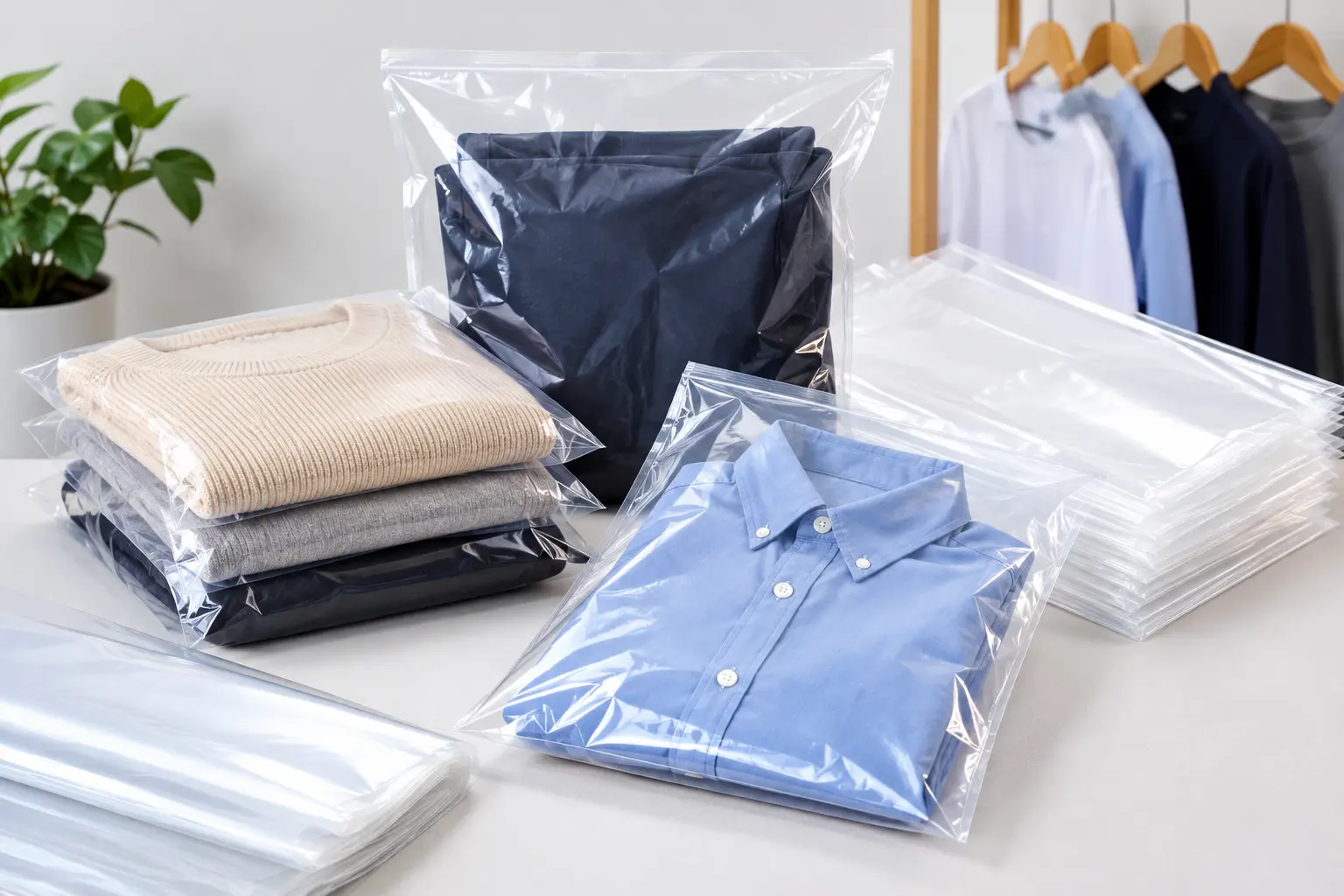
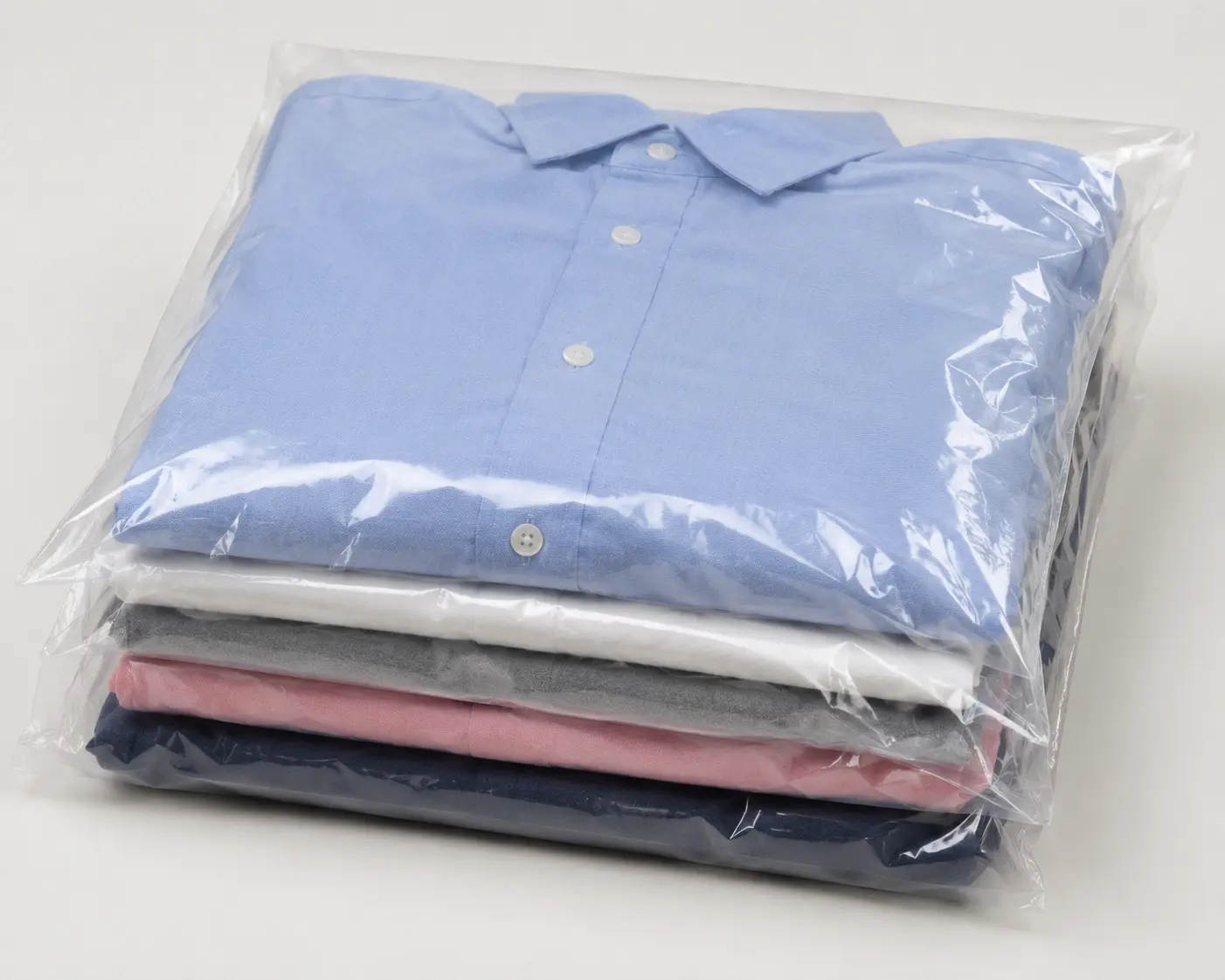
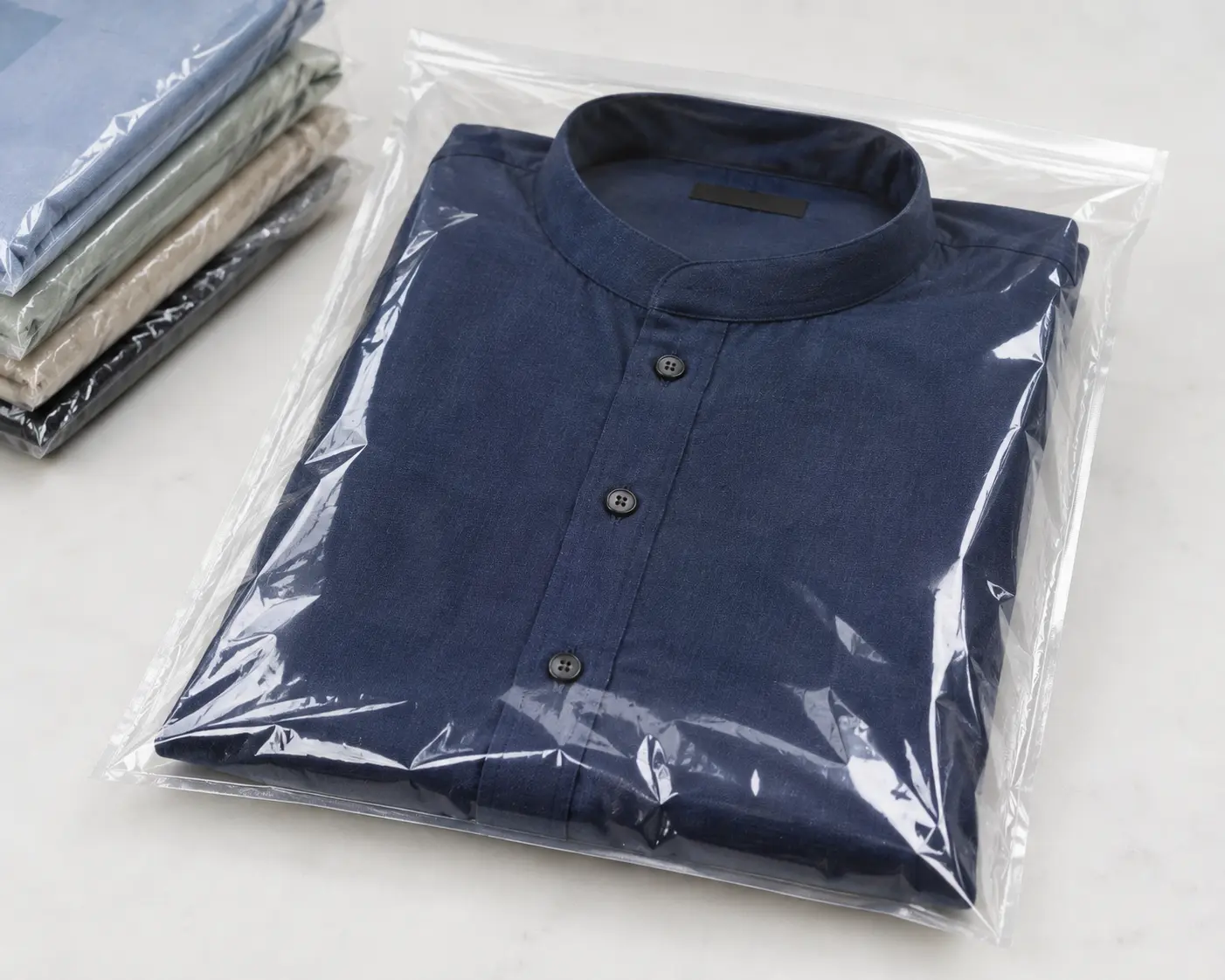
Unlike opaque packaging, a polypropylene bag displays the folded garment in full view while keeping it completely protected. The customer sees fabric color, texture, embroidery detail, and fold quality all through the bag without touching anything.

This visual availability drives purchase decisions in powerful ways:

Retail customers can compare fabrics and colors without opening multiple bags
Online product photography captures garments beautifully through the bag
Display shelves look organised and premium with uniform polypropylene packaging
Gifting presentations look complete and intentional without extra wrapping
Customer perception of product quality rises before the bag is even opened

For luxury garment brands, this display advantage is not a cosmetic benefit. It is a direct sales driver that influences the buying decision at the shelf level.

Structural Integrity That Protects Premium Fabric

A luxury garment is an investment. The fabric inside deserves protection that lasts from the production floor to customer hands.

Polypropylene bags offer structural protection that softer polybags cannot provide. The film maintains its shape, which means the garment stays folded and presentable without being crushed or deformed during stacking, shipping, or display.

Key structural advantages include:

Resistance to punctures from sharp tags, pins, or embroidery work on the garment
Stiffness that prevents the garment from shifting and wrinkling inside the bag
Secure seal options including self-adhesive flaps, resealable closures, and heat-sealed variants
Stack-ability that maintains bag shape under warehouse weight
Temperature tolerance preventing deformation in warm storage conditions

For brands shipping garments across cities or storing them in large warehouses, this structural reliability means fewer damaged products, fewer customer complaints, and fewer returns caused by presentation issues.

Why Luxury Brands Prefer Polypropylene for Display Over Alternatives

The garment packaging market offers multiple alternatives including non-woven bags, kraft paper covers, muslin pouches, and standard polyethylene bags. Each has its use case but for luxury display packaging, polypropylene consistently leads.

Non-woven bags hide the garment entirely. Kraft paper disintegrates in humidity. Muslin pouches are impractical at scale. Standard polyethylene is too soft and too dull for anything positioned as premium.

Polypropylene sits at the exact intersection of clarity, structure, and cost efficiency. It delivers a luxury feel without a luxury packaging budget, which is why brands from mid-premium to ultra-luxury segments rely on it.

How Poly Propylene Bags for Garments Serve Every Segment of the Apparel Industry

The versatility of polypropylene means that polypropylene bags for garments can be customized for every garment type, brand identity, and retail format.

Whether a brand sells sarees in a heritage boutique, shirts through e-commerce, or bridal wear in exclusive stores, polypropylene bags can be sized, sealed, printed, and finished to match the exact requirement.

Real Packers manufactures polypropylene garment bags across every size and specification the Indian apparel industry needs, from standard transparent bags to frosted variants, custom prints, and specialty finishes.

What Sets Real Packers Apart in Polypropylene Bag Manufacturing

Manufacturing consistency is everything in garment packaging. A brand ordering ten thousand bags needs every single one to look and perform identically. A variance in clarity or a weak seal creates problems across the retail chain.

Real Packers maintain precision manufacturing standards that deliver consistency at scale. Here is what distinguishes their production:

Material grade control with consistent film quality across every production run
Clarity standards that ensure optical transparency meets luxury display requirements
Seal strength testing to guarantee every closure holds through shipping
Custom size manufacturing to fit every garment category from folded t-shirts to full bridal sets
Print capability for brand logos, care labels, and custom design elements
Bulk order reliability with timelines that match apparel brand delivery schedules

Apparel brands return to Real Packers order after order because consistency is built into every bag they produce.

Choose the Best Poly Propylene Bags for Garments with Real Packers

The packaging choice a brand makes is a statement about what they believe their product is worth.

Choosing poly propylene bags for garments a trusted manufacturer means every garment is displayed, protected, and delivered with the clarity and quality it deserves.

Real Packers is the manufacturing partner that premium apparel brands across India trust for polypropylene garment packaging built to the highest standard. Reach out to Real Packers today and package your garments the way they were always meant to be seen.

Clarity. Strength. Consistency. That is the Real Packers.

Why Top Apparel Brands Choose 10-Color Custom Slider Zipper Bags

Reusable Slider Zip Bags for Clothing

Why Top Apparel Brands Choose 10-Color Custom Slider Zipper Bags

Packaging is no longer just protection. For top apparel brands, it is the first physical touchpoint a customer has with a product. Before the garment is seen, the packaging is already experienced.

That is exactly why leading apparel brands are moving toward 10-color custom slider zipper bags. Not because they look attractive, but because they solve real business problems while elevating the brand experience at every level.

Packaging That Speaks Before the Product Does

Walk through any premium apparel store and the unboxing experience is clearly intentional. Every element is designed. The bag holding the garment is part of the brand story.

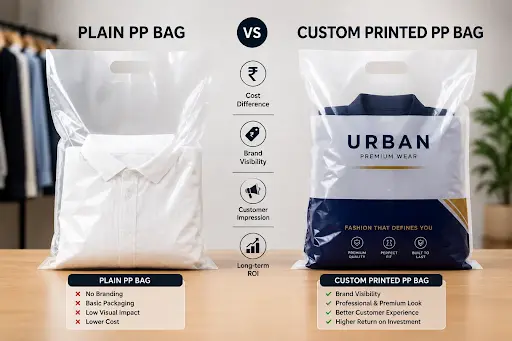
A plain transparent polybag communicates nothing. A custom slider zipper bag printed with your brand colors, logo, and design tells the customer they are holding something worth caring for.

The 10-color printing capability changes everything. Most packaging is limited to two or three colors. With 10-color printing, brands can reproduce:

Full gradient designs and photographic-quality artwork
Exact Pantone color matches for brand consistency
Intricate pattern work that reflects premium craftsmanship
Detailed typography and logo finishes that feel intentional
Seasonal artwork and limited-edition packaging visuals

This level of design freedom is what separates a commodity bag from a brand asset.

The Slider Mechanism Changes the Customer Experience Completely

The zipper slider is not just a closure. It is a moment in the customer journey.

When a customer opens a standard polybag, they tear or cut it and the packaging is immediately destroyed. A slider zipper bag works differently. The customer pulls the slider and it opens smoothly, cleanly, and satisfyingly.

That small moment signals something important. It tells the customer the brand cared about their experience. It also means:

The bag can be reused to store the garment after purchase
The customer can open and close it multiple times without damage
The product inside remains protected during shipping and retail display
Returns and exchanges are handled without destroying the original packaging
The unboxing experience feels premium even on an everyday purchase

For brands managing returns, this is a significant operational advantage. Garments come back in the original bag, properly sealed, without needing new packaging.

Customisation That Reflects Every Brand’s Identity

No two apparel brands are the same. A luxury saree brand has entirely different needs than a streetwear label. Custom slider zipper bags offer flexibility that standard polybags never can. Here is what full customisation unlocks:

Size options that match every garment category from folded t-shirts to full dress sets
Thickness choices that reflect the weight and value of the garment inside
Matte or gloss finishes that set the right tone for the brand aesthetic
Handle additions for retail carry and gifting use cases
Custom die-cut shapes for brands with distinctive packaging identities
Frosted or transparent panels to show the garment while keeping it protected

Every element of the bag can be aligned with the brand’s visual identity, making the packaging an extension of the brand itself rather than just a container for the product.

Why Apparel Brands Are Making the Switch from Standard Polybags

The shift from standard polybags to custom slider zipper bags is happening across every segment of the apparel industry.

Standard polybags are cheap but carry a hidden cost. They communicate low value. They damage easily. They cannot be reused and offer no brand expression. In an era where packaging is a competitive advantage, a plain polybag actively works against brand perception.

Custom slider zipper bags do multiple jobs simultaneously. They protect the garment, communicate the brand, enhance the customer experience, and support returns management.

For e-commerce apparel brands especially, the packaging is often the only physical brand experience the customer has. Getting it right is not optional.

How Slider Zipper Bags for Garments Solve Real Industry Problems

The apparel industry has specific packaging requirements that generic bags cannot address. Garments need protective enclosures that hold shape under stacking pressure and closures that survive shipping without popping open.

Slider zipper bags for garments are engineered for exactly these conditions. The slider holds securely under pressure, the material is garment-safe, and the structure maintains integrity during transit and retail display.

Real Packers manufactures slider zipper bags designed specifically for the garment industry, combining material quality with printing precision to deliver bags that perform and present at the highest level.

What Makes Real Packers the Preferred Choice for Apparel Brands

Choosing a packaging partner is a long-term business decision. Apparel brands need a supplier who understands production cycles, respects brand standards, and delivers consistently.

Real Packers brings a manufacturing-first approach to every order. Their 10-color printing delivers color accuracy that matches brand guidelines without compromise. Their material selection covers everything from lightweight everyday wear to heavy ethnic and luxury garments.

What sets Real Packers apart:

10-color printing precision for brand-accurate visual output
Custom sizing across all garment categories with no minimum restriction on design variations
Quality-tested slider mechanisms that perform across thousands of open and close cycles
Fast turnaround on bulk and repeat orders to match apparel brand production timelines
Dedicated account support for brands managing multiple product lines and seasonal changes

Apparel brands trustReal Packers because quality and consistency are non-negotiable in garment packaging, and they deliver both without compromise.

Elevate Your Garment Packaging with the Best Slider Zipper Bags for Garments

The apparel brands leading their categories today know that packaging is a brand investment, not just an operational cost. Every bag leaving your warehouse is a brand communication.

Choosing the right slider zipper bags for garments means choosing packaging that protects, presents, and performs at the level your brand demands.

Real Packers is the trusted manufacturing partner for apparel brands who want custom slider zipper bags built to the highest standard possible. Connect with Real Packers today and give your garments packaging they deserve.

Premium packaging. Precise printing. Proven performance. That is Real Packers.

BOPP Bags: Your Packaging as a Silent Salesman

BOPP Bags Manufacturer in India | High-Quality Printed BOPP Bags

How the Right Garment Bag Does More Than Protect Your Product

Think about the last time you received a well packaged product. The bag was clear. The print was sharp. The brand name stood out. Before you even opened it, you already felt something about that brand. That feeling is not an accident. It is designed to work the way it should.

In the garment industry, most manufacturers spend months perfecting fabric quality, stitching standards, and finishing. Then they pack everything into a plain, forgettable bag. That is where the customer’s first impression either lands or disappears.

BOPP bags change that equation entirely.

1. What Exactly Is a BOPP Bag

BOPP stands for Biaxially Oriented Polypropylene. The name sounds technical but what it means in practice is simple. The film is stretched in two directions during manufacturing, which makes it stronger, clearer, and more resistant to moisture than a regular polybag.

The result is a bag that looks almost glass-like in clarity, carries print beautifully, and holds its shape through handling, transit, and retail display.

Properties that make BOPP bags stand out:

Exceptional surface clarity that makes the product visible through the bag

High tensile strength that protects garments from tearing or damage during packing

Moisture and dust resistance that keeps garments in showroom condition

Smooth surface that accepts high resolution multi-colour printing cleanly

Lightweight construction that does not add unnecessary cost or weight to shipments

For garment manufacturers, these are not just technical benefits. They translate directly into how a product looks on a shelf, inside a mailer box, or in the hands of an end customer.

2. The Silent Salesman Concept

Every physical touchpoint between your brand and your customer is a sales opportunity. Most brands think about this for their product design and their website. Very few think about it for their packaging.

A BOPP bag works as a silent salesman in three specific situations.

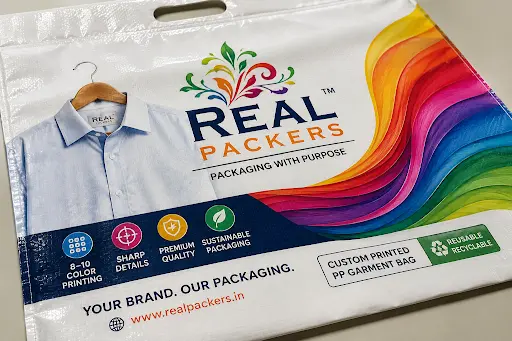
The first is at retail. When your garment is displayed in a store, the bag is visible before the product is. A printed BOPP bag with your logo, brand colours, and care symbols tells the retailer and the customer that this is a brand that pays attention to detail.

The second is at the point of unboxing. In the age of social media, unboxing has become a genuine marketing moment. When a customer receives a sharply printed, premium-looking bag inside their delivery, it reinforces the purchase decision they already made. It gives them something worth showing.

The third is at repeat purchase. Packaging memory is real. When a customer remembers the look and feel of a brand’s packaging, it makes the next purchase easier to choose. A plain bag leaves nothing behind. A well branded BOPP bag leaves a visual impression.

3. What You Can Print on a BOPP Bag

This is where BOPP bags separate themselves from every other garment packaging option. The printing possibilities are wide and the results are consistently sharp.

Elements you can include on a BOPP garment bag:

Brand logo in full colour with no colour bleeding or fading

Tagline or brand message that speaks to the customer directly

QR code linking to your website, size guide, or social media

Care instructions and fabric composition printed directly on the bag

Size and product reference details for retail sorting efficiency

Country of origin and export compliance details for international markets

When printing is done with 8 to 10 colour capacity, the result looks closer to a product label than a packaging bag. That level of detail is what separates brands that look established from brands that look like they are still figuring it out.

4. Where BOPP Bags Work Best in the Garment Industry

Not every garment needs BOPP packaging. But for certain products and markets, it is the obvious choice.

BOPP bags are the right fit for:

Branded retail garments where shelf presence matters

Export shipments to premium buyers who evaluate packaging as part of quality audits

D2C brands fulfilling online orders where the unboxing experience drives reviews

Innerwear and knitwear that need moisture protection over longer storage periods

High-end fashion labels where packaging is considered part of the product experience

If your business falls into any of these categories and you are still using plain polybags, you are leaving brand equity on the table with every shipment you send.

5. BOPP vs Regular Polybag: A Practical Comparison

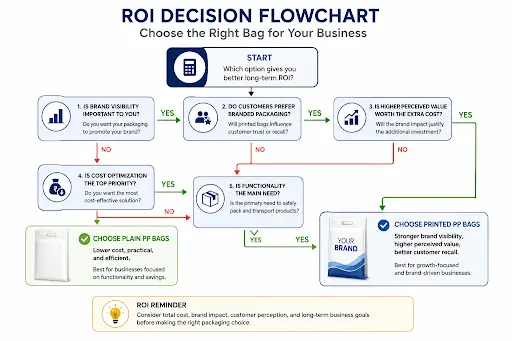
Many manufacturers hesitate to switch from regular polybags because they assume the cost difference is significant. The reality is more nuanced.

A regular polybag protects your garment and does nothing else. It is invisible to the customer as a brand touchpoint. It adds no value beyond containment.

A BOPP bag protects your garment and simultaneously communicates your brand, builds customer recognition, differentiates your product on the shelf, and can reduce the need for additional paper inserts or swing tags because the information is printed directly on the bag.

When you look at it that way, the cost comparison changes. You are not just comparing bag prices. You are comparing the full cost of packaging and the marketing value it delivers.

6. Common Mistakes to Avoid When Ordering BOPP Bags

Garment manufacturers who are new to BOPP packaging sometimes make ordering mistakes that affect the final result. Knowing these in advance saves time and rework.

Mistakes worth avoiding:

Ordering without confirming the correct micron thickness for your garment weight

Submitting low resolution logo files that print blurry at bag dimensions

Not ordering samples before committing to a large production run

Choosing incorrect bag dimensions that stretch the garment or leave excess space

Ignoring gusset requirements for thicker or bulkier garment types

A good supplier will walk you through each of these before production begins. If a supplier skips these questions, that tells you something important about their process.

7. Why the Choice of BOPP Bags Manufacturer Determines Your Output Quality

Two factories can produce BOPP bags using the same material and the print results can look completely different. The difference is not the bag. It is the machine calibration, the ink quality, the film sourcing, and the operator experience behind the production.

Choosing the right BOPP Bags Manufacturer affects:

Print colour accuracy across large batch runs

Consistency of bag dimensions from the first piece to the last

Surface finish quality that determines how premium the bag looks and feels

Seal integrity that protects the garment through the full logistics journey

Lead times and minimum order quantities that fit your production schedule

A manufacturer with proven garment industry experience understands that your packaging represents your brand. They treat every run accordingly.

8. What to Ask Before Placing a BOPP Bag Order

Before committing to any manufacturer, these questions will help you assess whether they are the right fit.

Ask your supplier:

What is the maximum number of print colours available?

Can you provide a printed sample before the full production run?

What micron options are available for different garment types?

What is the minimum order quantity for custom printed bags?

Can you handle both zipper and non-zipper bag styles?

What are your lead times for repeat orders?

The answers reveal how experienced and how prepared the supplier is to handle your specific requirements.

9. How Real Packers Delivers as a BOPP Bags Manufacturer

Real Packers has been producing high quality packaging solutions since 1997. As an experienced BOPP Bags Manufacturer based in Tirupur, they work directly with garment exporters, retail brands, and D2C businesses who need packaging that performs on every level.

What sets Real Packers apart:

Printing capacity of up to 8 to 10 colours for sharp, brand accurate output

Custom sizing across a wide range of garment types including knitwear, woven, and innerwear

Sample approval process before every bulk production run

Consistent quality across large order volumes with no drop in print accuracy

Direct manufacturer pricing that removes middlemen from your supply chain

10. Getting Started with Real Packers

Working with Real Packersas your BOPP Bags Manufacturer is designed to be straightforward from the first conversation.

The process works like this:

Share your garment dimensions, bag style preference, and logo files

Receive a sample with your print applied for approval

Confirm specifications and place your production order

Receive consistent quality delivery with full after-order support

Real Packers serves clients across Tirupur, Chennai, and Bangalore and is equipped to handle both first-time orders and high volume repeat requirements.

Conclusion

Your product deserves packaging that works as hard as the people who made it. A BOPP bag is not just a wrapper. It is a brand communication tool that speaks to your customer before a single word is read or a single seam is examined.

The garment brands that understand this are already using their packaging as a competitive advantage. They are winning shelf space, earning repeat customers, and building brand recognition without spending extra on advertising.

The right BOPP Bags Manufacturer makes all of this possible without complexity. Real Packers brings the experience, the print capability, and the garment industry knowledge to make your packaging work as your most consistent and cost effective salesman.

Reach out to Real Packers today and let your packaging start doing more for your brand.

Why Exporters Are Switching to Compostable Bags

Top Compostable Bags Supplier and Manufacturer in India

Why Exporters Are Switching to Compostable Bags

Something is changing quietly across garment factories in Tirupur, Chennai, and Bangalore. Factories that once ordered plain polybags by the truckload are now asking a different question. They are asking which bag will help them keep their export orders, not just wrap their products.

The shift is real, it is accelerating, and it is being driven by something far bigger than a trend. It is being driven by law.

1. The Regulation That Is Changing Everything

In February 2025, the European Union officially enacted the Packaging and Packaging Waste Regulation, known as EU PPWR 2025/40. This regulation replaces decades old packaging rules with stricter, enforceable standards.

The key deadline every Indian exporter must know is August 12, 2026. From that date, all packaging entering the EU market must comply with new recyclability, sustainability, and labelling requirements.

What this means practically:

Single use plastic packaging faces increasing restrictions

All packaging must move toward recyclable or compostable alternatives

Exporters must be able to provide documentation proving their packaging meets EU standards

Non-compliant packaging can result in orders being refused at customs or contracts being cancelled

This is not a future possibility. It is an active timeline that is already affecting buying decisions in European fashion and retail supply chains today.

2. How European Buyers Are Already Responding

Garment buyers in Germany, France, the UK, and Scandinavia have started adding packaging compliance clauses to their purchase orders. Some have gone further and introduced ESG scorecards where a supplier’s packaging choices directly affect their preferred vendor status.

What buyers are asking for today:

Proof that garment packaging is compostable or recyclable

Certification numbers from recognised standards bodies

Samples of eco friendly packaging before bulk orders are placed

Brand aligned packaging that reflects their sustainability commitments

A garment factory in Tirupur with excellent product quality but non-compliant packaging is now at risk of losing orders to a competitor who has made the switch. The packaging decision is no longer separate from the sales decision.

3. Biodegradable vs Compostable: A Difference That Matters

Many exporters use these two words interchangeably. EU buyers do not. Understanding the difference protects you from making a costly mistake.

A biodegradable bag breaks down over time under natural conditions. However, the process can take years and may leave behind chemical residues depending on the material. EU regulations do not automatically accept all biodegradable materials as compliant.

A compostable bag breaks down fully under specific conditions, either at home or in industrial composting facilities, leaving behind no harmful residue. Compostable bags that meet international standards are what EU buyers specifically look for.

Certifications to recognise and ask for:

EN 13432, the European standard for industrial compostable packaging

ASTM D6400, the US equivalent standard accepted globally

IS 17088, the Indian standard for compostable products

CPCB approval, which verifies compliance under Indian plastic waste management rules

If a supplier cannot show these certifications, their bag may claim to be eco friendly without meeting any enforced standard.

4. What Happens to Exporters Who Do Not Switch

The consequences of staying with conventional plastic garment bags are becoming harder to ignore.

Short term risks:

Orders delayed or rejected at EU port of entry

Buyers requesting packaging changes mid-season, disrupting timelines

Additional cost of last minute sourcing and switching under pressure

Long term risks:

Loss of preferred vendor status with European retailers

Being replaced by suppliers from Vietnam, Bangladesh, or Sri Lanka who have already adopted compliant packaging

Difficulty entering new export markets that are adopting similar regulations

India is also tightening its own rules. Extended Producer Responsibility regulations under Indian plastic waste management policy are making plastic packaging a liability for manufacturers domestically as well.

5. The Business Benefits Nobody Talks About

Most conversations about compostable packaging focus on compliance. That is important, but it is only part of the story. Exporters who have made the switch are discovering advantages that go beyond regulation.

Benefits that come with switching:

Stronger negotiating position with EU and US buyers

Ability to participate in sustainability-focused retail tenders

Reduced risk of last minute order cancellations due to packaging issues

Premium brand perception among end consumers who see eco packaging as a quality signal

Alignment with your own buyers’ ESG reporting requirements, which strengthens the relationship

One garment manufacturer who switched reported that their EU buyer extended a contract renewal six months early after seeing the packaging change. The bag was a small cost. The contract renewal was not.

6. What to Check Before Choosing Compostable Garment Bags

Not all compostable bags perform equally in real garment packaging conditions. Before you order, verify these practical factors.

Moisture resistance: The bag must protect garments during transit in varying humidity conditions

Tear strength: Especially important for heavier knitwear, denim, or folded shirts

Print clarity: Your brand name and artwork should appear clean on a compostable surface

Size range: The supplier should offer dimensions suited to your specific garment types

Certification documentation: Physical certificates, not just verbal claims, must be provided

Ask for a sample run before placing a bulk order. A compostable bag that fails in transit costs more than the bag itself.

7. Why the Shift to Biodegradable Compostable Bags for Garments Is Permanent

Some exporters are still treating this as a temporary requirement or a niche demand from a few buyers. That thinking is becoming more expensive by the month.

The EU regulation is a floor, not a ceiling. Multiple other markets including the UK, Canada, and Australia are developing similar packaging legislation. US states including California already have enforced compostable packaging standards for certain product categories.

Switching to Biodegradable Compostable Bags for Garments now means:

Your factory is audit-ready for any buyer compliance inspection

You are not caught off guard when the next regulation takes effect

Your packaging tells a consistent sustainability story across all markets

The exporters switching now are not doing it reluctantly. They are doing it because they see it as a competitive advantage in the next decade of global trade.

8. How Real Packers Supports the Transition

Real Packers has been manufacturing packaging solutions since 1997 and understands the specific requirements of garment factories in Tirupur and across India. As a manufacturer of Biodegradable Compostable Bags for Garments, they offer solutions that are designed for real export conditions, not just compliance checkboxes.

What Real Packers provides:

CPCB compliant compostable bags built for garment packaging

Multiple size options suited to knitwear, woven garments, and innerwear

Custom printing up to 8 to 10 colours for brand-aligned packaging

Certification documentation available for buyer compliance requirements

Direct manufacturer pricing with no middleman markups

9. Making the Switch with Real Packers

Transitioning from conventional polybags to Biodegradable Compostable Bags for Garments does not have to be complicated. Real Packers makes the process straightforward for factories of all sizes.

The process is simple:

Share your garment types and bag size requirements

Receive sample bags for quality and fit testing

Review certification documents before confirming the order

Place your first bulk order with clear lead times

Real Packers works with garment exporters in Tirupur, Chennai, and Bangalore who are preparing for EU compliance and want a supplier they can depend on for consistent quality and delivery.

Conclusion

The switch to compostable garment packaging is not a question of if. For any exporter working with European buyers or planning to enter new markets, it is a question of when and how smoothly you make the transition.

Exporters who act now will be positioned as compliant, credible, and forward-thinking suppliers. Exporters who wait will face rushed transitions, potential order losses, and higher costs of switching under pressure.

Real Packers is ready to support your move to Biodegradable Compostable Bags for Garments with the right product, the right certifications, and the right experience behind every order. Contact Real Packers today and make your packaging as strong as your product.