


Introduction
In today’s evolving industrial landscape, sustainability is no longer a buzzword, it is a necessity. For businesses involved in packaging and logistics, choosing the right wrapping film is a critical part of reducing their environmental impact. Whether you’re wrapping boxes, pallets, or machinery components, the choice of wrapping film can significantly influence both operational efficiency and ecological responsibility.
This blog takes a deep dive into the world of sustainable wrapping films and provides a comprehensive guide on how to choose the best film for your machine while minimizing environmental harm.
Understanding the Environmental Impact of Wrapping Films
Traditional plastic wrapping films are typically made from petroleum-based materials such as polyethylene or polypropylene. While these materials offer durability and flexibility, they pose severe environmental concerns due to their non-biodegradable nature.
Non-recyclable films contribute to the ever-growing plastic pollution problem. Even those that can be recycled are often contaminated or disposed of incorrectly, rendering them ineffective in reducing environmental damage.
The good news? Advancements in material science and manufacturing have made it possible to produce wrapping films that are both high-performing and sustainable.
What Makes a Wrapping Film “Sustainable”?
A sustainable wrapping film is one that offers effective protection and utility during use while being less harmful to the environment throughout its lifecycle. The following features are often used to define a sustainable wrapping film:
- Made from Recycled Materials: Incorporating post-consumer or post-industrial recycled plastic.
- Biodegradable or Compostable: Films that break down naturally over time.
- Lower Gauge Thickness: Reducing the amount of material used without compromising performance.
- Reusability: Some films are engineered for multiple uses before disposal.
- Reduced Carbon Footprint: Produced through energy-efficient manufacturing processes.
Common Types of Sustainable Wrapping Films
- Biodegradable Films: Made from natural polymers like starch, PLA (polylactic acid), or cellulose. They decompose over time under composting conditions, significantly reducing landfill impact.
- Oxodegradable Films: These break down through oxidation and sunlight exposure. However, their environmental benefits are still debated due to microplastic residue.
- Recyclable Stretch Films: Designed for mechanical recycling. Many LLDPE (Linear Low-Density Polyethylene) films now come in recyclable grades that maintain performance while being eco-friendly.
- Nano-layer Films: Engineered for maximum performance with minimum material usage. Their advanced design reduces film waste and improves wrapping efficiency.
Key Factors to Consider When Choosing Sustainable Films for Your Machine
- Compatibility with Your Wrapping Equipment
- Film tension and elasticity
- Pre-stretch capabilities
- Load containment standards
- Machine speed compatibility
- Load Characteristics: The shape, weight, and fragility of the load will determine the kind of film required. Heavy or unstable loads may need stronger stretch films or reinforced biodegradable options.
- Environmental Certifications:
- ASTM D6400 or EN 13432 for compostability
- Recyclability logos
- ISO certifications for sustainable production practices
- Cost vs. Long-Term Savings:
- Reduced waste disposal fees
- Enhanced brand image
- Lower consumption due to high stretchability
- Potential tax or regulatory incentives
- Supplier Transparency: Ensure your film supplier provides detailed information about material sourcing, recyclability, and end-of-life processing. Choose vendors committed to sustainability not just in product design but also in business practices.
Benefits of Using Sustainable Wrapping Films
- Reduced Waste: Eco-friendly wrapping films lead to a reduction in plastic usage and landfill accumulation, directly supporting global waste reduction goals.
- Improved Brand Perception: Today’s consumers are environmentally conscious. Brands that prioritize sustainability attract loyalty and enjoy better public relations.
- Regulatory Compliance: Government policies increasingly mandate eco-responsible practices. Sustainable wrapping ensures compliance with environmental regulations.
- Operational Efficiency: Many sustainable films are designed to offer high stretch, better yield per roll, and reduce breakage, improving your operational throughput.
Common Misconceptions About Sustainable Wrapping Films
- “They are too expensive.” Sustainable options often reduce material use, leading to cost savings over time.
- “They are not strong enough.” Advances in material science have led to sustainable films that match or exceed the strength of traditional wraps.
- “Biodegradable means compostable.” Not all biodegradable films are compostable. Verify certifications to ensure correct disposal practices.
Innovations Driving the Sustainable Film Industry
- Bio-based Polymers: Derived from renewable sources like sugarcane or cornstarch.
- Smart Stretch Technology: Allows thinner films to stretch farther and last longer.
- Closed-Loop Recycling Programs: Manufacturers take back used films for recycling.
Partnering with the Right Supplier: A Key to Sustainable Success
Choosing a Trusted Box Wrapping Machine Supplier in Bangalore
When implementing sustainable wrapping practices, your machinery matters as much as your film. Not all machines are optimized to handle eco-friendly films, which often require precise tension control and pre-stretch settings.
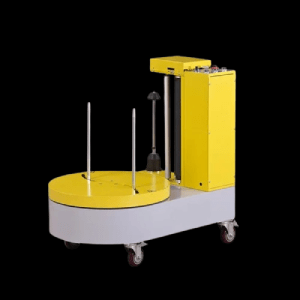
A reputable Box Wrapping Machine Supplier in Bangalore will offer:
- Custom machine configurations for eco-films
- Energy-efficient motors and smart sensors
- Technical support for film testing and adjustment
- Long-term ROI-focused maintenance plans
Why Realpackers Is a Preferred Choice for Sustainable Packaging Needs
Realpackers has built a reputation as a forward-thinking Box Wrapping Machine Supplier in Bangalore by integrating innovation, sustainability, and customer-first solutions. Whether you’re an SME or a large-scale distributor, Realpackers delivers:
- Machines compatible with a wide range of sustainable films
- Durable designs with low power consumption
- Customized automation for operational ease
- Expert consultation for eco-transition planning
From machinery to technical support, Realpackers ensures every aspect of your packaging line contributes to your green goals.
Realpackers’ Commitment as a Box Wrapping Machine Supplier in Bangalore
In addition to offering advanced wrapping machines, Realpackers advocates for a circular economy by:
- Promoting recyclable film usage
- Collaborating with biodegradable film suppliers
- Educating clients on waste management and film optimization
Their mission goes beyond supply; it includes stewardship of responsible industrial practices in India’s rapidly expanding packaging sector.
Conclusion
Sustainable wrapping films are no longer optional; they are essential for companies aiming to stay competitive and environmentally conscious. From material choice to machine compatibility, every decision influences your ecological footprint. By understanding the types of eco-friendly films available and the factors to consider in selection, businesses can significantly reduce packaging waste.
Choosing the right equipment is equally important. By partnering with an experienced Box Wrapping Machine Supplier in Bangalore Realpackers, you can seamlessly integrate sustainable films into your operations. Realpackers’ expert guidance, machine compatibility, and green mindset make them a trusted name in sustainable packaging.
Sustainability starts with informed choices. Choose wisely, choose green, and choose Realpackers.
4 comments on “How to Choose Sustainable Wrapping Films for Your Machine”
The graphics are stunning and the gameplay is top notch. I am having a blast on ph22jilicrown!
Finally found a version that actually works on my phone without crashing. The interface is very user friendly. Just download the phjuan365apk and start winning.
Signing up was so quick and easy. I was able to start playing in just a couple of minutes. The process at jljl9loginregister is very user friendly.
Hey guys! Just wanted to give a shoutout to 23betlogin.net. Been using them for a bit and the site’s super easy to navigate. Plus, their bonuses aren’t too shabby either. Check it out for yourselves! 23betlogin