

Introduction to Sustainable Packaging
In recent years, sustainable packaging has shifted from being a trend to an absolute necessity. Individuals, global brands, e-commerce companies, and retail industries are all exploring eco-friendly alternatives that reduce the burden of plastic waste. Among these alternatives, biodegradable and compostable bags have gained significant attention. However, as their popularity rises, so do misunderstandings and myths surrounding them.
This comprehensive guide breaks down the most common myths about biodegradable and compostable packaging—clearing confusion, helping buyers make informed decisions, and promoting clarity for businesses considering eco-friendly transitions.
Understanding the Basics: Biodegradable vs. Compostable
Before busting myths, it’s important to understand the difference between biodegradable and compostable packaging.
Biodegradable Packaging
These materials break down naturally with the help of microorganisms, moisture, and sunlight. However, the rate of decomposition varies based on the material and the environment.
Compostable Packaging
Compostable materials go a step further. They must break down into non-toxic components—water, carbon dioxide, and biomass—within a specific period under composting conditions. Compostable products are regulated and require certification.
Both options are sustainable, but they are not interchangeable—which is where many myths begin.
MYTH 1: Biodegradable Bags Disappear Instantly
Many consumers believe that biodegradable bags vanish within days. In reality, biodegradation is a gradual process. Depending on the material type, temperature, humidity, and exposure to microbes, it can take weeks to months.
Biodegradable plastics still need the right conditions; simply throwing them in any environment won’t guarantee fast breakdown. Proper disposal is essential.
MYTH 2: Compostable Bags Can Decompose in Any Environment
Compostable bags are often misunderstood as “self-disposing.” However, composting requires controlled environments such as industrial composting facilities, where:
Temperature is between 55–65°C
Controlled aeration and humidity are maintained
Microbial activity is high
While some compostable materials can break down in home composting, most require industrial processing for complete degradation within certified timelines.
MYTH 3: All Biodegradable Bags Are 100% Plastic-Free
Many brands misuse the term “biodegradable” by adding small amounts of additives that help plastic break down faster. This does not make the plastic eco-friendly. True biodegradable and compostable bags are made from materials like:
Corn starch
PLA (Polylactic Acid)
PBAT blends
Plant-based biomass
Consumers should always check for certifications like EN 13432, ASTM D6400, or ISO 17088.
MYTH 4: Compostable Packaging Is Weak and Not Durable
Early compostable bags were thin and prone to tearing, which shaped this misconception. Modern compostable materials are engineered with:
Higher tensile strength
Better flexibility
Thick film options
Moisture resistance
Today’s compostable bags are suitable for retail, e-commerce, garment packing, and household use, proving that eco-friendly doesn’t mean fragile.
MYTH 5: Compostable Bags Are Too Expensive
While costs were higher initially, advancements in manufacturing, increasing demand, and government support have made compostable bags much more affordable today. The price difference narrows significantly when buying in bulk or choosing certified manufacturers.
Additionally, businesses switching to compostable packing gain:
Better brand reputation
Compliance advantages
Sustainability certifications
Customer loyalty from eco-conscious buyers
In the long run, the benefits outweigh the cost difference.
MYTH 6: Biodegradable and Compostable Bags Can Be Dumped in Landfills
Both types need oxygen, bacteria, and moisture to break down. Landfills, however, are sealed and oxygen-deprived. Waste in landfills takes significantly longer to degrade, regardless of the material.
Proper disposal methods include:
Composting
Organic waste facilities
Dedicated biodegradable waste bins
Community compost pits (for home compostable products)
Dumping compostable bags in regular trash defeats their purpose.
MYTH 7: Compostable Bags Are Only for Kitchen Waste
These bags are much more versatile than assumed. Today, compostable packaging has applications in:
Garment packing
Retail carry bags
Food delivery and takeaway covers
Product packaging sleeves
Courier and e-commerce mailers
Trash liners
The garment industry, in particular, is rapidly shifting to compostable garment bags to meet sustainability commitments and reduce plastic footprint.
MYTH 8: Biodegradable Bags Harm The Environment While Decomposing
Some believe biodegradable products release harmful chemicals during decomposition. This is false for certified biodegradable or compostable products.
Certified compostable bags leave behind:
No toxins
No microplastics
No harmful residues
They decompose into organic biomass that benefits the soil, making them an environmentally safe option.
MYTH 9: All Green-Colored Bags Are Biodegradable
Color has no relation to material composition. Many traditional plastic bags are green but not biodegradable. Only third-party certifications and material composition determine whether a product is genuinely biodegradable or compostable.
MYTH 10: Biodegradable and Compostable Bags Cannot Be Stored for Long
These materials do have a shelf life, but proper storage ensures longevity:
Keep away from direct sunlight
Store in cool and dry conditions
Use within 10–12 months of production
When stored correctly, they remain durable and functional.
The Rising Demand for Eco-Friendly Packaging
The global shift toward sustainability is growing stronger each year. Industries like textiles, fashion, e-commerce, and retail are moving toward plant-based packaging to reduce their environmental impact. Governments are promoting biodegradable packaging with:
Plastic ban regulations
Compostability standards
Subsidies for eco-friendly manufacturing
As awareness grows, so does the need to distinguish facts from myths.
Making the Switch: Why the Garment Industry Prefers Compostable Packaging
The fashion and garment industry is one of the biggest contributors to plastic waste due to individual polybag packaging. Compostable garment bags are becoming the preferred choice because they are:
Transparent and strong
Safe for fabric
Odor-free
Environmentally friendly
A great branding tool for sustainable businesses
Replacing traditional polybags with compostable garment bags significantly reduces long-term environmental damage.
Choosing the Right Manufacturer Matters
When selecting eco-friendly packaging, it’s vital to choose a trusted Biodegradable Compostable Bag Manufacturer who offers certified products, sustainable materials, and durable quality. Businesses in retail and garments particularly need reliable partners who understand packaging performance, clarity, and strength.
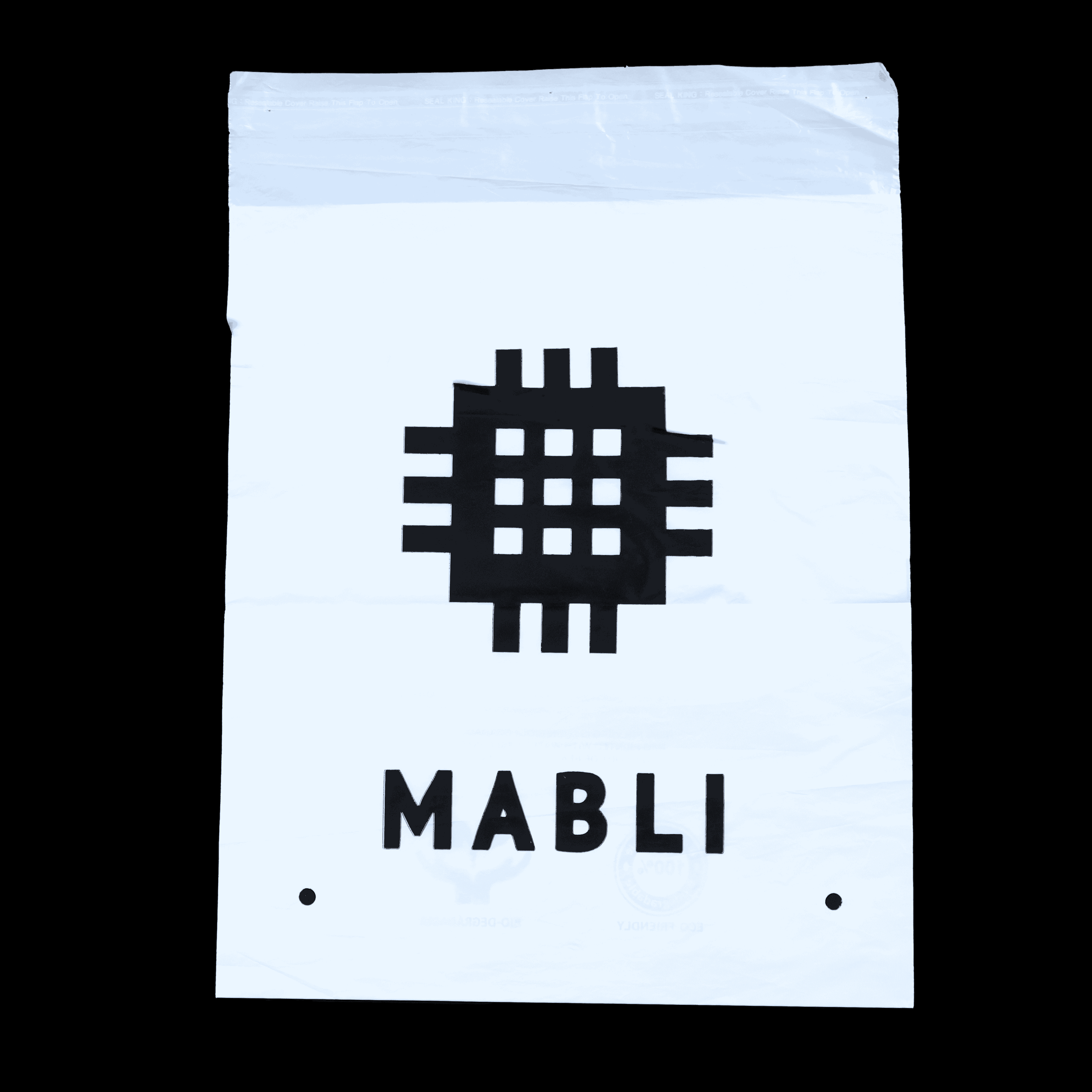
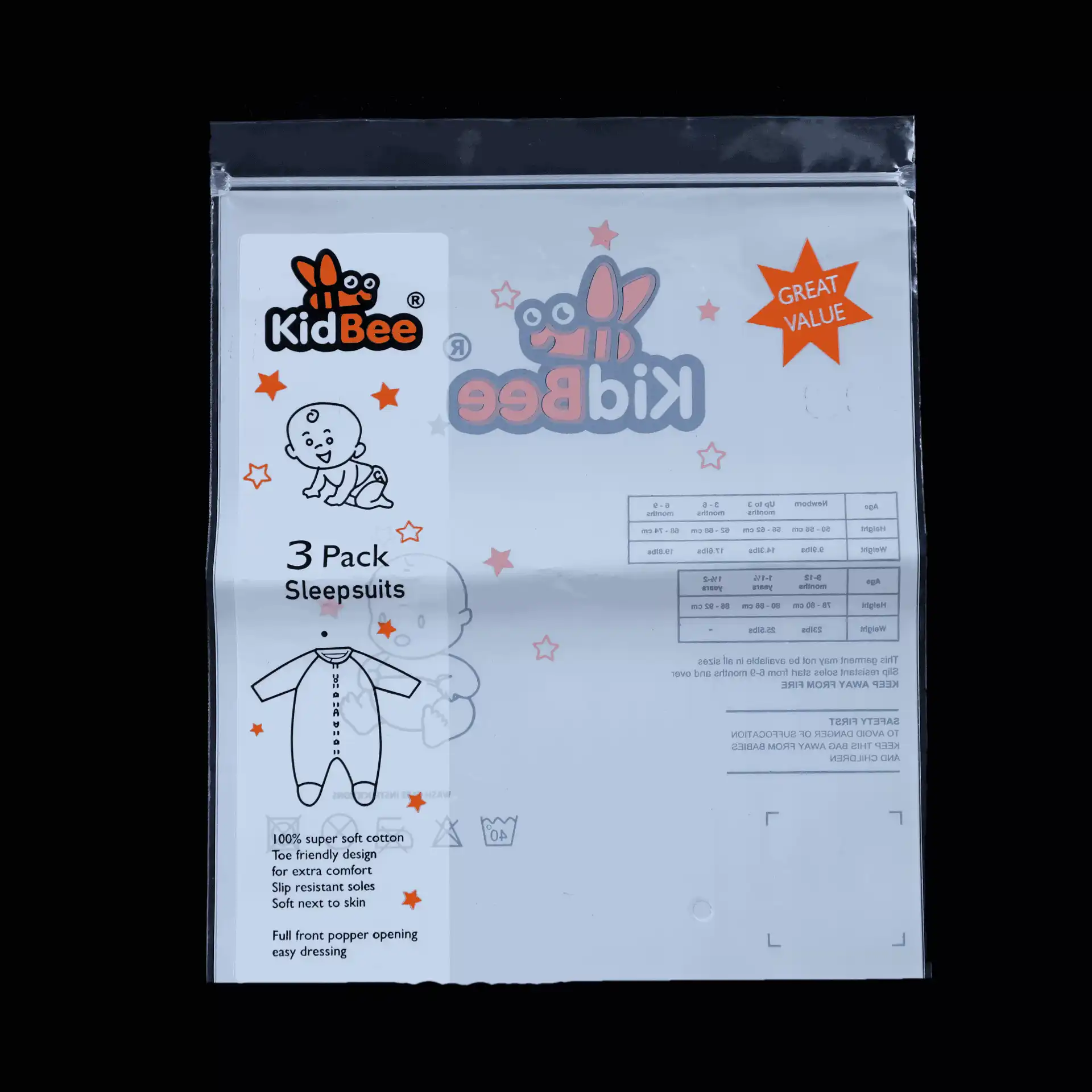
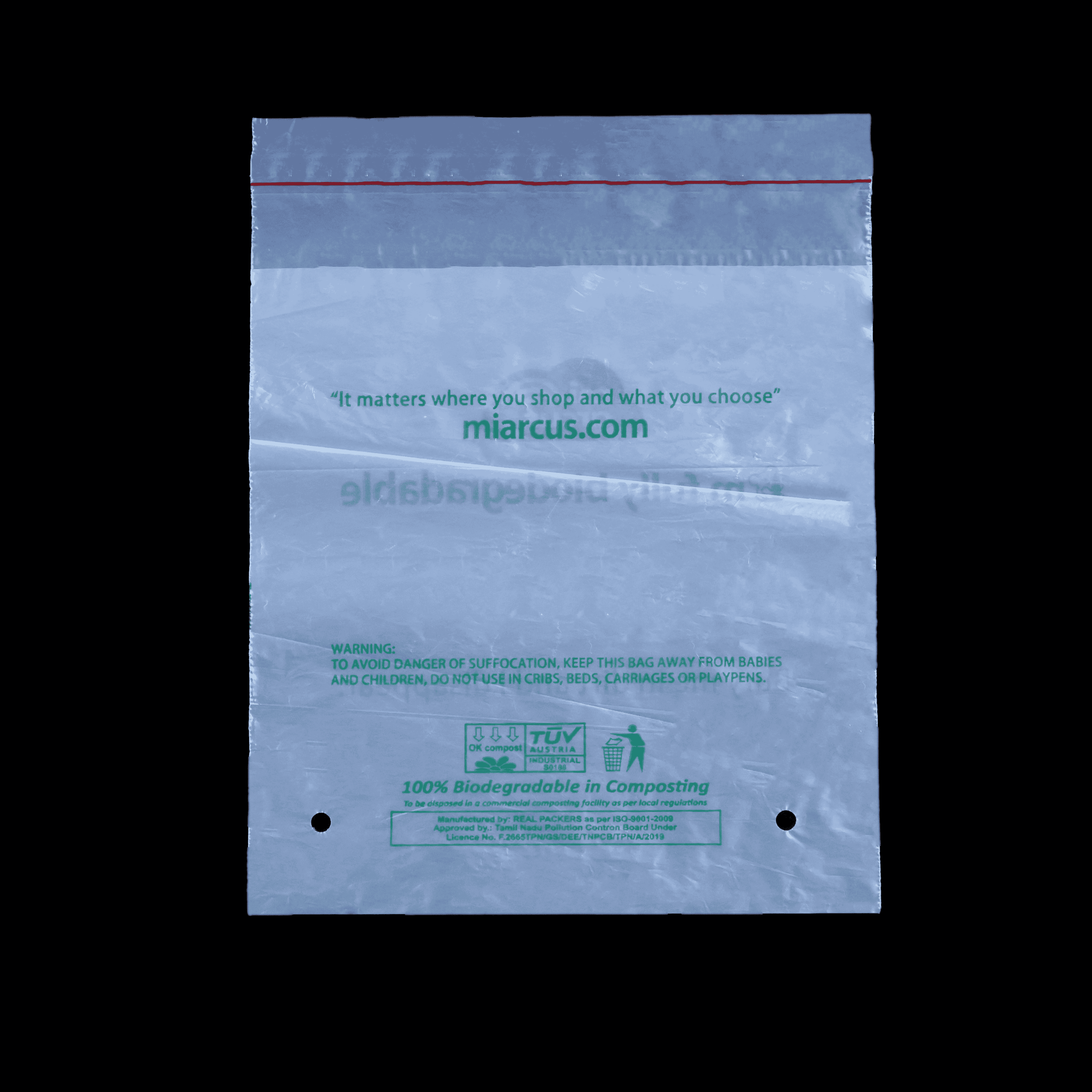
Manufacturers with proven expertise provide biodegradable and Biodegradable Compostable Bags for Garments that not only meet environmental standards but also support brand reputation by offering high-quality eco-packaging solutions.
Why Real Packers Is the Trusted Choice for Sustainable Packaging
As industries shift to green alternatives, Realpackers continues to help brands transition smoothly with certified biodegradable and compostable bags. Whether you need bulk eco-friendly packaging or customized Biodegradable Compostable Bags for Garments, their solutions ensure durability, transparency, and sustainability without compromise.
Working with the right Biodegradable Compostable Bag Manufacturer ensures compliance with global eco-standards—something Real Packers consistently delivers through quality materials and advanced manufacturing techniques.
TAKE AWAY: A Better Future with Real Packers
Misconceptions about biodegradable and compostable packaging often stop businesses from adopting eco-friendly alternatives. With the right awareness and the support of a trusted brand like Real Packers, switching to sustainable solutions becomes easier, effective, and beneficial for the planet.
If you’re looking for certified, durable, and high-performance Biodegradable Compostable Bags for Garments, or need a reliable Biodegradable Compostable Bag Manufacturer Real Packers offers the perfect balance of quality and sustainability.